Replacing the water pump in your Jeep is an important task that keeps your engine cool and running smoothly. If you ignore a failing water pump, your engine can overheat and suffer serious damage. Many Jeep owners worry about the process, but with the right knowledge and tools, you can handle this job confidently.
This guide will help you understand what’s involved, how to do it, and what mistakes to avoid.
What Does The Water Pump Do?
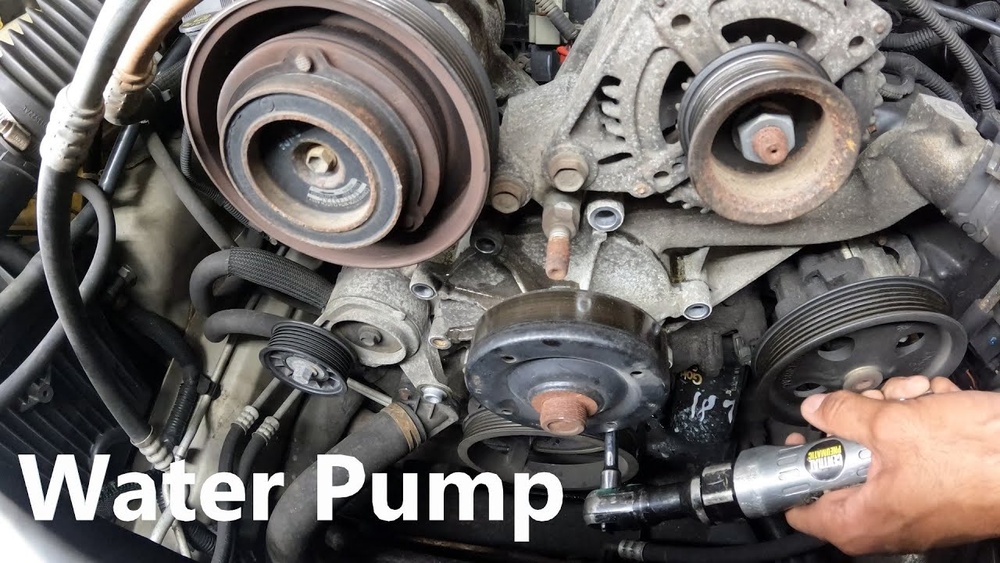
The water pump is the heart of your Jeep’s cooling system. It pushes coolant through the engine and radiator. When it stops working, the coolant doesn’t flow, and your engine gets too hot. Signs of a bad water pump include:
- Leaking coolant near the front of your engine
- Whining or grinding noises from the pump area
- Overheating engine
- Steam coming from the radiator
Most Jeep models use a belt-driven water pump. This means the pump turns with the engine’s movement. If the belt slips or the pump wears out, you’ll see the signs above.
Choosing The Right Water Pump
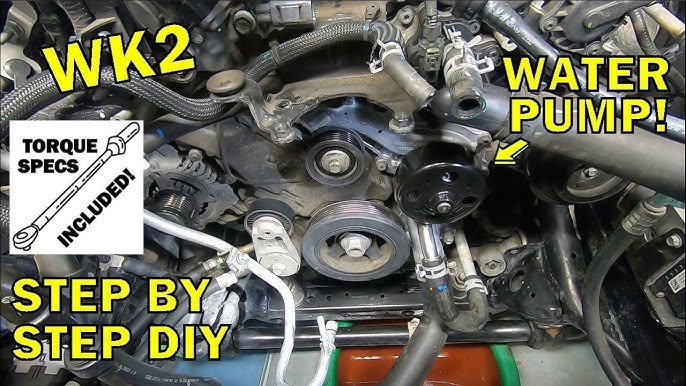
Picking the right water pump is crucial. You need one that fits your Jeep’s year, model, and engine type. Here’s a quick comparison for common Jeep models:
| Model | Engine | Pump Type | Average Cost |
|---|---|---|---|
| Jeep Wrangler | 3.6L V6 | Belt-driven | $80-$150 |
| Jeep Grand Cherokee | 5.7L V8 | Belt-driven | $90-$200 |
| Jeep Cherokee | 2.4L I4 | Belt-driven | $70-$140 |
Always check the part number and compare it with your Jeep’s VIN. Many beginners forget to check for gasket compatibility, leading to leaks later.
Tools And Parts You Need
Before you start, gather these items:
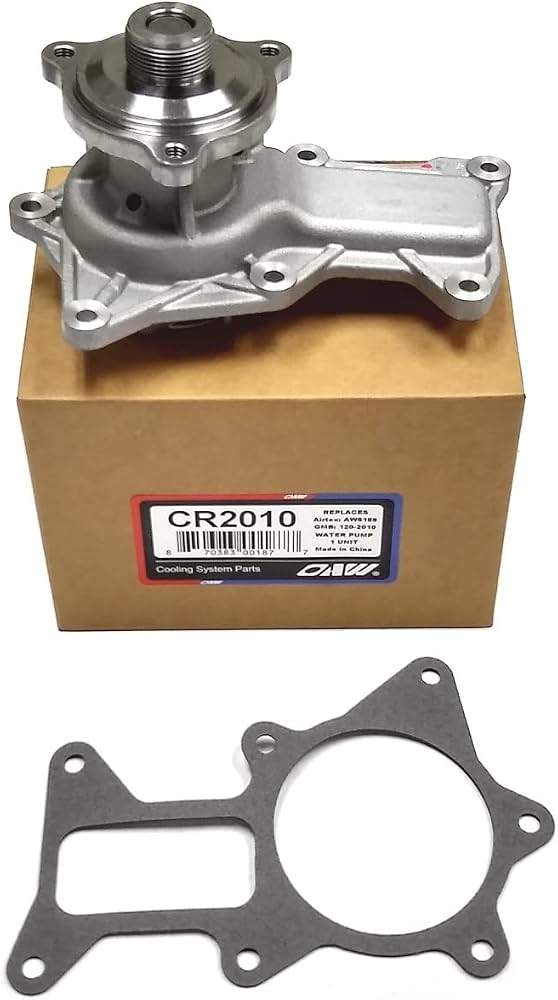
- New water pump (with gasket)
- Socket set and wrenches
- Screwdriver
- Coolant (about 2 gallons)
- Drain pan
- Torque wrench
- Scraper for old gasket
- Pliers
Some owners try to reuse old bolts or gaskets to save money. This often causes leaks or pump failure, so always use new parts.
Step-by-step Replacement Guide
Replacing a Jeep water pump takes 2–4 hours for most models. Here’s a clear process:
- Let engine cool: Never work on a hot engine. Wait at least 1 hour after turning it off.
- Drain coolant: Open radiator drain valve. Catch old coolant in a pan. Dispose safely.
- Remove belt: Use a wrench to loosen the tensioner. Slide the belt off the pump pulley.
- Unbolt water pump: Remove all bolts holding the pump to the engine. Take out the pump.
- Clean surface: Scrape away old gasket. Make sure the surface is smooth and clean.
- Install new pump: Place the new gasket on. Put pump in place. Tighten bolts with a torque wrench as the manufacturer recommends.
- Replace belt: Put the belt back on the pulley. Make sure it’s tight and lines up with other pulleys.
- Refill coolant: Pour new coolant into the radiator. Fill until you reach the recommended level.
- Check for leaks: Start the engine. Watch for leaks around the pump. Check the temperature gauge to make sure it doesn’t overheat.
Many beginners rush the gasket cleaning step. Even small pieces left behind can cause leaks. Take your time here.
Water Pump Lifespan And Replacement Costs
A typical Jeep water pump lasts 60,000–90,000 miles. If you drive in hot climates or tow heavy loads, it may wear out faster. Here’s how costs compare:
| DIY Replacement | Shop Replacement | Time Required |
|---|---|---|
| $80–$200 (parts only) | $300–$600 (parts & labor) | 2–4 hours (DIY) |
If you don’t have the right tools or experience, paying a shop is safer. But if you’re careful, DIY replacement saves money.
Common Mistakes To Avoid
Many Jeep owners make errors during water pump replacement. Watch for these:
- Not letting the engine cool fully before starting
- Leaving old gasket material on the engine
- Using wrong torque settings on bolts
- Mixing old coolant with new coolant
- Forgetting to check for leaks after installation
Two issues often missed by beginners: skipping the belt alignment check and failing to remove air bubbles from the cooling system. After you refill coolant, run the engine with the radiator cap off for a few minutes. This lets trapped air escape and prevents overheating.
When To Replace Instead Of Repair
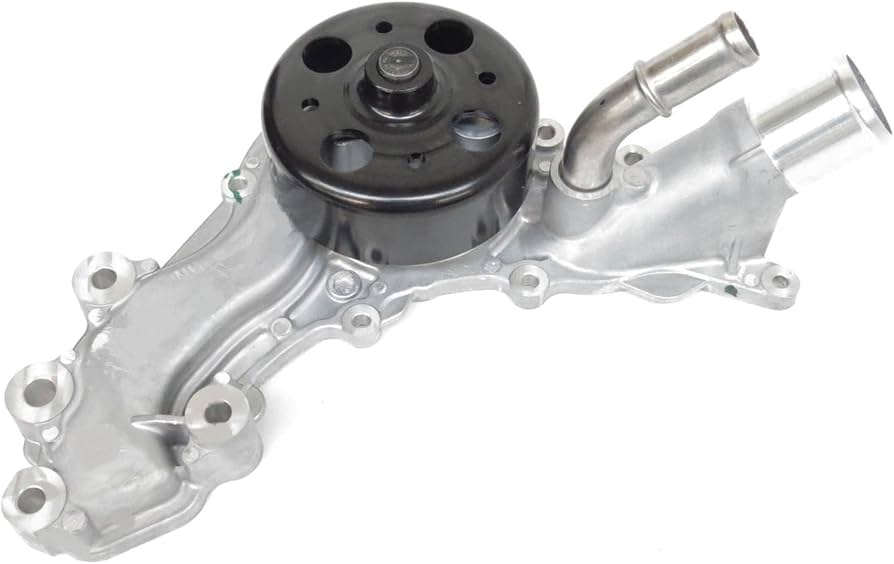
Some owners try to repair a leaking water pump by using sealant or tightening bolts. This rarely works. If the pump is leaking or making noise, it’s best to replace it. Delaying replacement can cause the engine to overheat, leading to expensive repairs.
Real-world Example
A Jeep Wrangler owner noticed coolant puddles under the car and the engine temperature rising. After checking, they found the water pump gasket had failed. They replaced the pump and gasket, refilled coolant, and solved the problem. This simple fix prevented engine damage and saved hundreds in repairs.
If you need detailed specs or diagrams, visit the official Jeep website or trusted sources like AutoZone.
Frequently Asked Questions
<!– wp:rank-math/faq-block {"questions":[{"id":"faq-question-6d796806717b","title":"How Do I Know If My Jeep Water Pump Is Bad?","content":"Look for coolant leaks, unusual noises, and overheating. A bad pump may show steam or low coolant levels.
“,”visible”:true},{“id”:”faq-question-ce70f5197b4b”,”title”:”Can I Drive With A Faulty Water Pump?”,”content”:”It’s risky. Driving with a bad water pump can cause your engine to overheat and fail. Replace it as soon as possible.
“,”visible”:true},{“id”:”faq-question-b3e0c2a7cb82″,”title”:”How Long Does It Take To Replace A Water Pump?”,”content”:”Most Jeep models take 2–4 hours for replacement. Shops may be faster, but DIY is possible with patience.
“,”visible”:true},{“id”:”faq-question-b1f1783880a2″,”title”:”Is It Necessary To Replace The Gasket With The Water Pump?”,”content”:”Yes. Always use a new gasket. Reusing the old one can cause leaks and engine problems.
“,”visible”:true},{“id”:”faq-question-20bf6c122367″,”title”:”What Coolant Should I Use After Water Pump Replacement?”,”content”:”Use the coolant type recommended in your Jeep owner’s manual. Mixing types can cause corrosion and damage.
Replacing your Jeep’s water pump is a task you can do with care and the right tools. Always use new parts, check for leaks, and take your time with cleaning and installation. This way, your engine will stay cool, and you’ll enjoy trouble-free driving for thousands of miles.
“,”visible”:true}]} –>How Do I Know If My Jeep Water Pump Is Bad?
Look for coolant leaks, unusual noises, and overheating. A bad pump may show steam or low coolant levels.
Can I Drive With A Faulty Water Pump?
It’s risky. Driving with a bad water pump can cause your engine to overheat and fail. Replace it as soon as possible.
How Long Does It Take To Replace A Water Pump?
Most Jeep models take 2–4 hours for replacement. Shops may be faster, but DIY is possible with patience.
Is It Necessary To Replace The Gasket With The Water Pump?
Yes. Always use a new gasket. Reusing the old one can cause leaks and engine problems.
What Coolant Should I Use After Water Pump Replacement?
Use the coolant type recommended in your Jeep owner’s manual. Mixing types can cause corrosion and damage.
Replacing your Jeep’s water pump is a task you can do with care and the right tools. Always use new parts, check for leaks, and take your time with cleaning and installation. This way, your engine will stay cool, and you’ll enjoy trouble-free driving for thousands of miles.