Upgrading the speakers in your Jeep Renegade can completely change your driving experience. Whether you want better sound quality or simply need to replace a blown speaker, this process brings a noticeable difference.
Many owners find the factory system lacks clarity or bass, especially over time. The good news?
Replacing your speakers is a project you can tackle with basic tools and some patience. Let’s explore what you need to know before you start, how to pick the right speakers, and the steps to get crisp, powerful audio in your Renegade.
Why Replace Jeep Renegade Speakers?
Factory speakers are often built with cost in mind, not sound quality. Over time, these speakers can sound dull or distorted. Upgrading brings benefits like:
- Clearer vocals and instruments
- Deeper bass response
- More volume without distortion
- A longer-lasting audio setup
If you enjoy music, podcasts, or even audiobooks during commutes, new speakers add value to every drive.
Choosing The Right Replacement Speakers
Not all speakers fit every car. The Jeep Renegade uses unique sizes and mounting depths, so check your model year before shopping. Here are key points to remember:
| Speaker Location | Factory Size | Mounting Depth |
|---|---|---|
| Front Door | 6×9 inch | 2.8 inches |
| Rear Door | 6.5 inch | 2.6 inches |
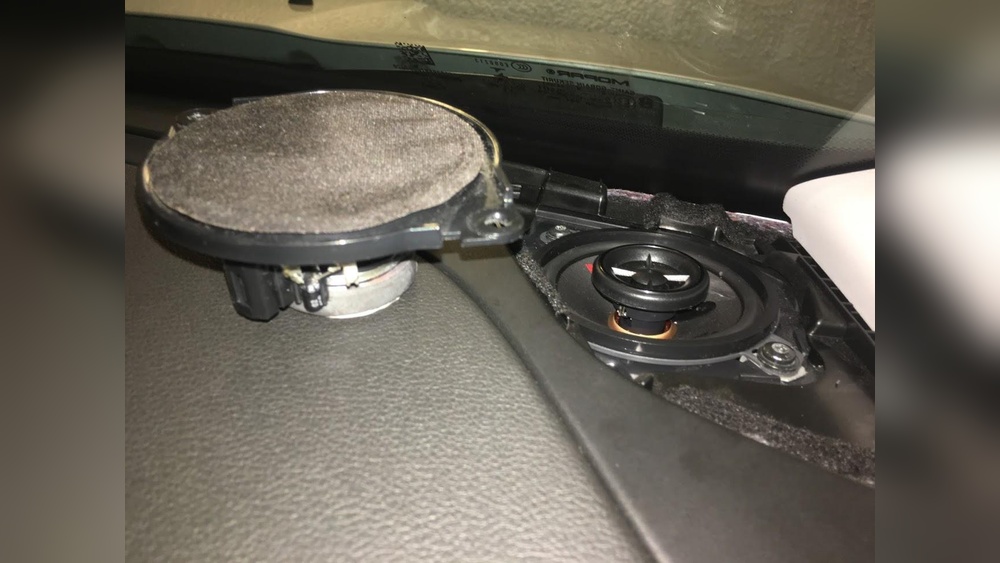
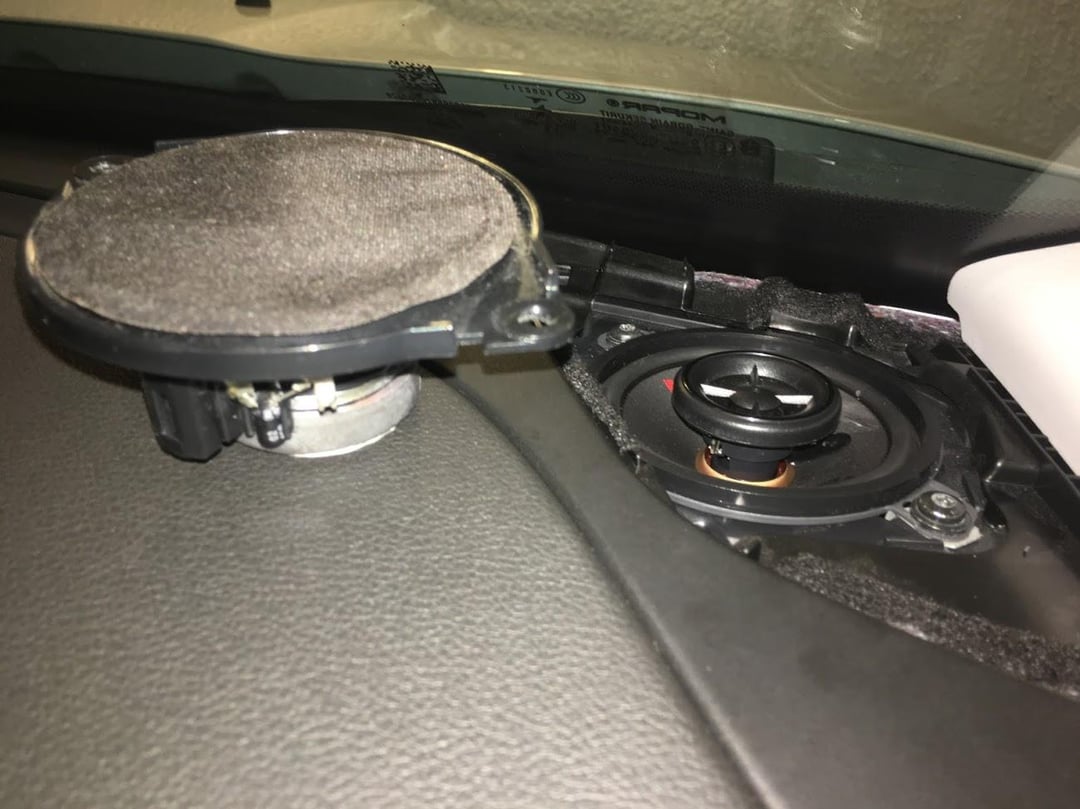
| Dashboard Tweeter | 1 inch | 1 inch |
Look for component or coaxial speakers. Component sets separate the tweeter and woofer for better sound, while coaxials combine them for easy installation. Stick with models that match or are slightly deeper than the factory depth to avoid fitment issues.
Power Handling And Sensitivity
Two often-overlooked specs are power handling (how much power a speaker can handle) and sensitivity (how efficiently it converts power to sound). For most Renegade owners:
- Aim for sensitivity above 88 dB
- RMS power handling of 30–60 watts matches most aftermarket head units
Overpowered speakers sound worse unless you upgrade your amplifier too.
Tools And Parts You’ll Need
Gather these items before you start:
- New speakers (correct size for location)
- Panel removal tool (plastic preferred)
- Phillips and flathead screwdrivers
- Socket wrench set (for door bolts)
- Wire adapters or soldering kit
- Foam baffles or sound deadening (optional, for better sound)
Having everything ready avoids mid-project frustration.
Step-by-step Replacement Process
1. Disconnect The Battery
Always disconnect the negative battery terminal before working with electronics. This prevents shorts or accidental airbag deployment.
2. Remove Door Panels
Use the panel tool to gently pry off the trim. Remove screws under the armrest and door handle. Pull the panel away from the door, starting at the bottom and working around. Don’t rush—plastic clips can break easily.
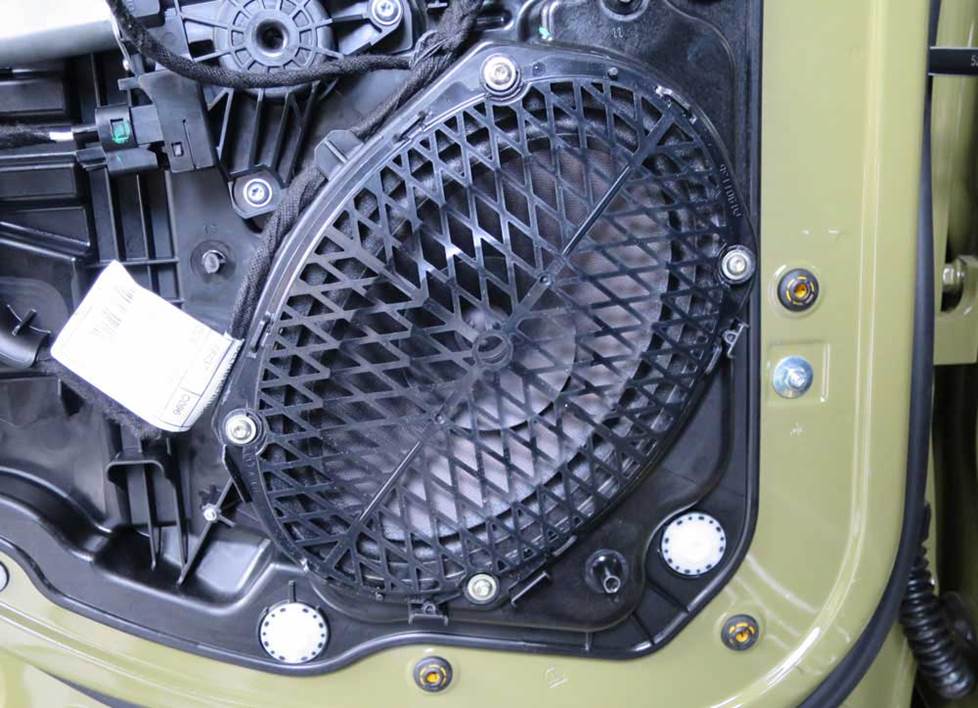
3. Remove Old Speakers
Unbolt the factory speaker. Disconnect the wiring harness. If you see foam or plastic spacers, keep them—they help with rattles.
4. Install New Speakers
Connect the new speaker using wire adapters (for plug-and-play) or solder the wires. Test the speaker before reattaching the door panel. If there’s no sound, check your connections.
Mount the speaker securely. Loose screws can cause rattling. If you bought foam baffles, place them behind the speaker for better bass and less vibration.
5. Reassemble And Test
Snap the door panel back into place. Reinstall all screws and trim. Reconnect the battery and test your audio system. Play a familiar track to notice improvements.
Comparing Speaker Brands For The Jeep Renegade
Choosing the right brand can be tricky. Here’s a quick comparison:
| Brand | Price Range (per pair) | Main Benefit |
|---|---|---|
| JBL | $80-$150 | Balanced sound, reliable quality |
| Pioneer | $70-$130 | Strong bass, easy installation |
| Infinity | $90-$160 | High clarity, good sensitivity |
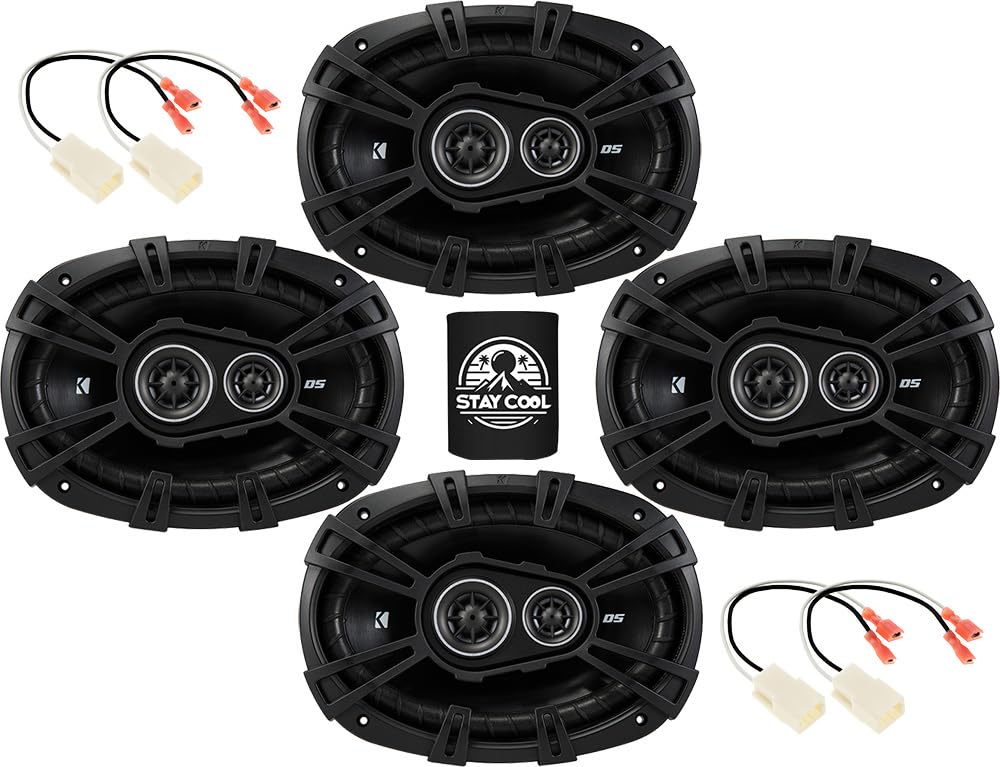
| Kicker | $75-$140 | Durable, punchy sound |
Some Jeep Renegade owners find that Infinity speakers sound more “open” than others, while Kicker has the most noticeable bass.
Common Mistakes To Avoid
- Buying the wrong size: Always confirm speaker sizes for your Renegade’s year and trim.
- Skipping sound deadening: Adding simple foam or mats behind the speakers reduces road noise and rattling.
- Ignoring wiring adapters: Adapters make your install much easier and cleaner.
- Overpowering speakers: Don’t pick speakers with high RMS unless you have an aftermarket amp.
- Forgetting to test: Always test before reassembling panels to catch wiring mistakes.
Real-world Example
One Renegade owner replaced their front door speakers with JBL Club 6×9 models and added foam baffles. The result was a richer midrange and tighter bass. The whole project took around 90 minutes per door with basic tools. The most surprising improvement was less distortion at higher volumes, making phone calls and music clearer.
Cost Breakdown For Speaker Replacement
Here’s a rough breakdown to help you budget:
| Item | Estimated Cost |
|---|---|
| Front Door Speakers (pair) | $80–$150 |
| Rear Door Speakers (pair) | $60–$120 |
| Wiring Adapters | $10–$20 |
| Foam Baffles/Sound Deadening | $15–$35 |
| Professional Installation | $120–$180 |
DIY replacement can save $100 or more. But if you’re not comfortable, professional installation is a smart choice.
Wrapping Up
Replacing your Jeep Renegade speakers is one of the best ways to improve your daily drive. With the right parts and careful installation, you’ll enjoy clear, powerful sound for years. Remember to research speaker sizes, use the correct tools, and take your time. Small upgrades like foam baffles or quality adapters make a big difference. If you want more technical details, visit the official Crutchfield Speaker Guide.
Frequently Asked Questions
<!– wp:rank-math/faq-block {"questions":[{"id":"faq-question-11483ef13c4d","title":"What Size Speakers Are In The Jeep Renegade?","content":"Most Renegades use 6×9 inch speakers in the front doors, 6.5 inch in the rear doors, and 1 inch tweeters on the dash. Always check your vehicle’s year, as some trims may vary.
“,”visible”:true},{“id”:”faq-question-39357fa62c47″,”title”:”Can I Install Aftermarket Speakers Myself?”,”content”:”Yes. With basic tools and some patience, most owners can swap speakers in 1–2 hours. Using wire adapters makes the process easier and avoids cutting factory wires.
“,”visible”:true},{“id”:”faq-question-46a595e94b74″,”title”:”Do I Need An Amplifier For New Speakers?”,”content”:”Not for most replacements. If you choose speakers with similar or slightly higher power ratings than factory, your stock head unit should work fine. For high-power speakers, an amplifier is helpful.
“,”visible”:true},{“id”:”faq-question-c1ce40a9ee91″,”title”:”Will New Speakers Void My Warranty?”,”content”:”Replacing speakers usually does not void your vehicle warranty, but any damage from improper installation could. Keep original parts in case you need to restore the factory setup.
“,”visible”:true},{“id”:”faq-question-1daed6f4f030″,”title”:”How Much Does It Cost To Replace Jeep Renegade Speakers?”,”content”:”Expect to spend $150–$300 for a full set of quality speakers and basic accessories. Professional installation adds $120–$180 more, but DIY is much cheaper.
“,”visible”:true}]} –>What Size Speakers Are In The Jeep Renegade?
Most Renegades use 6×9 inch speakers in the front doors, 6.5 inch in the rear doors, and 1 inch tweeters on the dash. Always check your vehicle’s year, as some trims may vary.
Can I Install Aftermarket Speakers Myself?
Yes. With basic tools and some patience, most owners can swap speakers in 1–2 hours. Using wire adapters makes the process easier and avoids cutting factory wires.
Do I Need An Amplifier For New Speakers?
Not for most replacements. If you choose speakers with similar or slightly higher power ratings than factory, your stock head unit should work fine. For high-power speakers, an amplifier is helpful.
Will New Speakers Void My Warranty?
Replacing speakers usually does not void your vehicle warranty, but any damage from improper installation could. Keep original parts in case you need to restore the factory setup.
How Much Does It Cost To Replace Jeep Renegade Speakers?
Expect to spend $150–$300 for a full set of quality speakers and basic accessories. Professional installation adds $120–$180 more, but DIY is much cheaper.