If your Jeep Cherokee starts acting strange, you might think it’s a big engine problem. But sometimes, the real issue is much simpler: a bad ground connection.
Ground problems cause confusing symptoms that can look like electrical gremlins or even mechanical failure. Understanding these signs helps you fix your Jeep faster and avoid expensive repairs.
What Does “bad Ground” Mean In A Jeep Cherokee?
Every car uses ground connections to complete electrical circuits. In the Jeep Cherokee, ground wires connect battery, engine, and body parts to the frame. If these connections become loose, corroded, or broken, electricity can’t flow correctly. This leads to all sorts of strange issues, from weak headlights to engine stalling.
Here’s how ground connections compare to other common Jeep electrical issues:
| Issue | Main Symptom | Usual Cause |
|---|---|---|
| Bad Ground | Random electrical faults | Corrosion, loose wire |
| Blown Fuse | One device stops working | Short circuit |
| Faulty Sensor | Error codes, rough idle | Sensor failure |
Common Symptoms Of Bad Ground In Jeep Cherokee
Spotting a bad ground can be tricky. Here are the most frequent signs:
- Dim or Flickering Lights
- Headlights, taillights, or dashboard lights may dim or flicker.
- Often worse when other electronics are on.
- Electrical Accessories Stop Working
- Power windows, radio, or AC may fail randomly.
- Sometimes they work again after restarting the car.
- Strange Gauge Readings
- Speedometer, fuel gauge, or temperature gauge may act erratic.
- Numbers jump or drop suddenly.
- Engine Hard to Start
- Engine cranks but doesn’t fire easily.
- Sometimes the starter clicks but doesn’t turn.
- Stalling or Rough Idle
- Engine may stall when stopped or idle feels rough.
- Often no error codes, making diagnosis hard.
- Check Engine Light or Error Codes
- Random error codes appear, but sensors test fine.
- Light may turn off and on without clear reason.
- Unusual Sounds or Vibrations
- You may hear buzzing or clicking noises from relays.
- Sometimes vibrations from electrical parts.
Real-life Example
A 2012 Jeep Cherokee owner noticed the headlights flicker every time he used the power windows. After checking the battery and alternator, he found a corroded ground wire under the hood. Cleaning and tightening the connection fixed the problem instantly.
Why Bad Ground Causes These Symptoms
Ground wires are like the “return path” for electricity. If the path isn’t good, electricity can’t flow properly. This makes circuits weak or unstable. A bad ground doesn’t always cause the same symptom every time. That’s why issues often appear random.
Here’s how a bad ground compares to battery or alternator problems:
| Cause | Symptoms | Quick Check |
|---|---|---|
| Bad Ground | Random electronics fail | Check ground wires |
| Dead Battery | Car won’t start, lights dim | Test battery voltage |
| Bad Alternator | Battery dies while driving | Check charging voltage |
How To Diagnose Bad Ground In Jeep Cherokee
Finding a bad ground is mostly visual and simple testing.
- Inspect Ground Wires
- Look for corrosion, rust, or broken wires.
- Common ground points: Battery negative, engine block, body near headlights.
- Wiggle Test
- Gently move ground wires while electronics are on.
- If lights flicker or accessories stop, the ground is likely bad.
- Multimeter Test
- Use a multimeter to check voltage between battery negative and engine or body.
- More than 0.2 volts means resistance—a sign of bad ground.
- Clean and Tighten Connections
- Remove corrosion with sandpaper or wire brush.
- Reattach wires tightly.
Common Mistakes
Many Jeep owners replace expensive parts (like alternators or sensors) before checking ground wires. This wastes money. Always check grounds first—especially if symptoms are random.

Preventing Bad Ground Issues
Simple habits can keep your Jeep Cherokee running smoothly:
- Regularly check ground wires during oil changes.
- Clean battery terminals and ground points every 6 months.
- Use dielectric grease to prevent corrosion.
- If you add accessories, make sure their ground wires are solid.
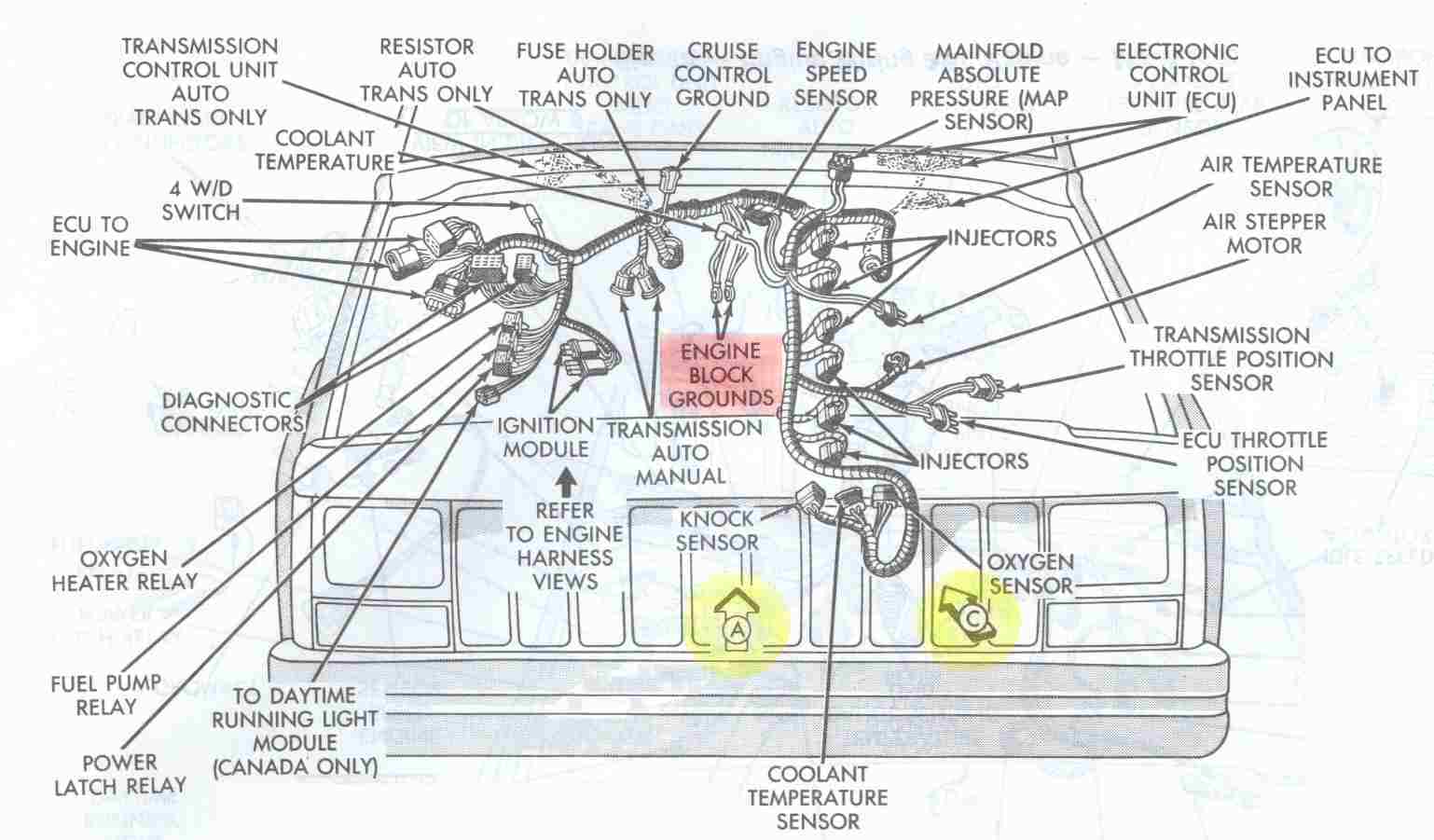
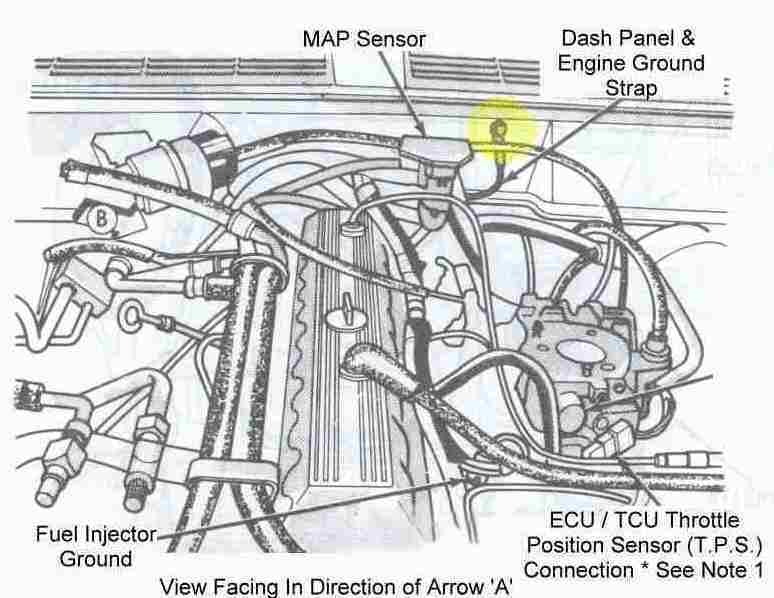
Jeep Cherokee: Ground Locations
Knowing where to look saves time. Here are the main ground points:
- Battery Negative Terminal
- Connects to chassis and engine block.
- Engine Block Ground
- Usually a thick wire or strap.
- Body Grounds
- Near headlights, under dashboard, and close to fuse box.
Here’s a comparison of typical ground locations:
| Location | Easy to Access? | Common Problems |
|---|---|---|
| Battery Negative | Yes | Corrosion, loose bolt |
| Engine Block | Medium | Rust, broken strap |
| Body (Headlights) | Easy | Corroded connector |
Non-obvious Insights For Jeep Owners
- Multiple Grounds: The Jeep Cherokee often has several ground points. Fixing only one may not solve all problems. Always check every ground location.
- Aftermarket Parts: If you install aftermarket lights or radios, bad ground wires are more common. Many kits use poor-quality ground connections.
When To Get Professional Help
If you’ve checked all ground points and symptoms remain, it may be time for a mechanic. Modern Cherokees have complex electronics that sometimes need advanced tools. Don’t wait too long—random stalling or electrical faults can become dangerous.
For more in-depth Jeep Cherokee electrical troubleshooting, visit Jeep Official Website.
Frequently Asked Questions
<!– wp:rank-math/faq-block {"questions":[{"id":"faq-question-0c8cb1d7667f","title":"How Do I Find Ground Wires In My Jeep Cherokee?","content":"Look for black wires attached to the battery negative, engine block, and metal parts of the body. They’re usually thicker than other wires and bolted securely.
“,”visible”:true},{“id”:”faq-question-c38363efed91″,”title”:”Can Bad Ground Cause My Jeep To Stall?”,”content”:”Yes. A bad ground can make sensors and fuel systems lose power, causing the engine to stall or idle rough.
“,”visible”:true},{“id”:”faq-question-4365ade7dc54″,”title”:”Do I Need Special Tools To Fix Ground Problems?”,”content”:”No. Most ground issues can be fixed with a wrench, sandpaper, and a multimeter. Only complex faults need advanced tools.
“,”visible”:true},{“id”:”faq-question-dfbc5a1a1944″,”title”:”Is It Safe To Drive With Bad Ground?”,”content”:”It’s risky. Bad grounds can cause random failures of lights or engine, which may be dangerous. Fix the issue as soon as possible.
“,”visible”:true},{“id”:”faq-question-bc7cbeb3f53a”,”title”:”Will Fixing Ground Wires Improve Performance?”,”content”:”Yes. Clean and tight ground connections make sure all electronics work properly and the engine runs smoother.
Spotting and fixing a bad ground in your Jeep Cherokee isn’t complicated, but it’s often overlooked. Paying attention to symptoms and checking ground points can save you time, money, and trouble.
“,”visible”:true}]} –>How Do I Find Ground Wires In My Jeep Cherokee?
Look for black wires attached to the battery negative, engine block, and metal parts of the body. They’re usually thicker than other wires and bolted securely.
Can Bad Ground Cause My Jeep To Stall?
Yes. A bad ground can make sensors and fuel systems lose power, causing the engine to stall or idle rough.
Do I Need Special Tools To Fix Ground Problems?
No. Most ground issues can be fixed with a wrench, sandpaper, and a multimeter. Only complex faults need advanced tools.
Is It Safe To Drive With Bad Ground?
It’s risky. Bad grounds can cause random failures of lights or engine, which may be dangerous. Fix the issue as soon as possible.
Will Fixing Ground Wires Improve Performance?
Yes. Clean and tight ground connections make sure all electronics work properly and the engine runs smoother.
Spotting and fixing a bad ground in your Jeep Cherokee isn’t complicated, but it’s often overlooked. Paying attention to symptoms and checking ground points can save you time, money, and trouble.