The Jeep Cherokee 2. 4 is known for its reliable engine, but like all vehicles, it needs proper maintenance.
One common task is inspecting or replacing the serpentine belt. Many owners search for a clear belt diagram because routing the belt wrong can cause engine issues.
This guide breaks down the belt routing, shows you what to look for, and gives you practical advice to keep your Cherokee running smoothly.
Understanding The Jeep Cherokee 2.4 Belt System
The serpentine belt in the Jeep Cherokee 2.4 (especially models from 2014–2026) drives several key components. These include the alternator, air conditioning compressor, power steering pump, and water pump. The belt takes its power from the engine’s crankshaft and delivers it to these accessories.
If the belt is not routed correctly, the accessories will not work and the engine can overheat. That is why a clear belt diagram is essential.
Key Parts Driven By The Belt
- Alternator: Charges the battery and powers electronics.
- A/C Compressor: Runs the air conditioning.
- Power Steering Pump: Makes steering easier.
- Water Pump: Cools the engine.
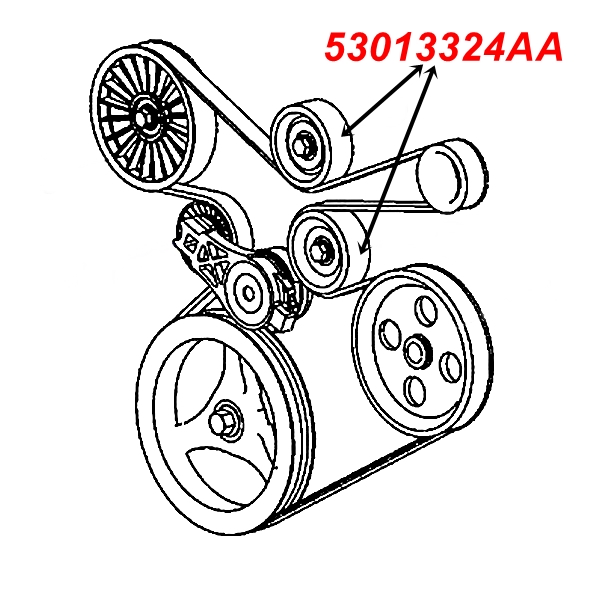
- Idler Pulleys and Tensioner: Guide the belt and keep proper tension.
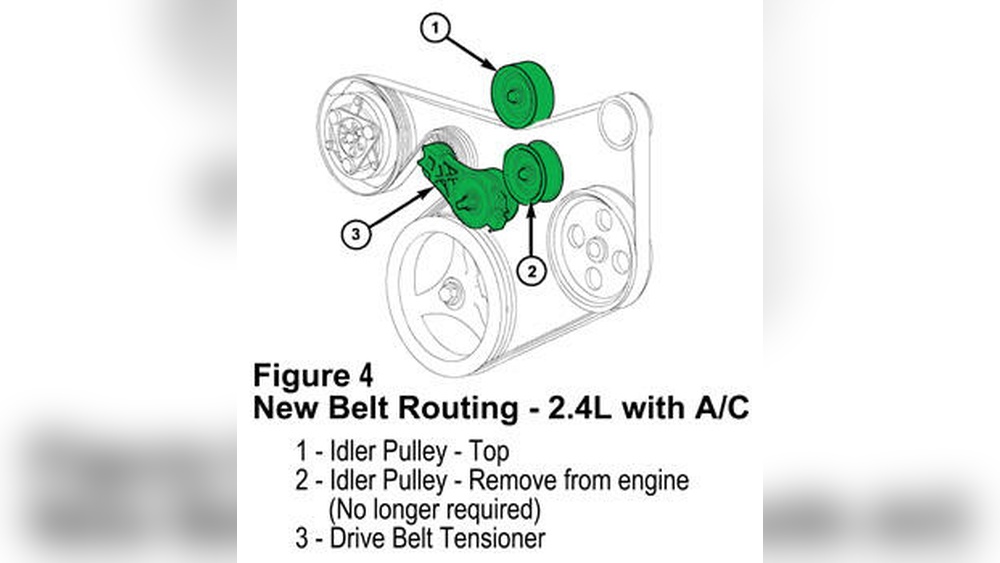
Jeep Cherokee 2.4 Belt Routing Diagram
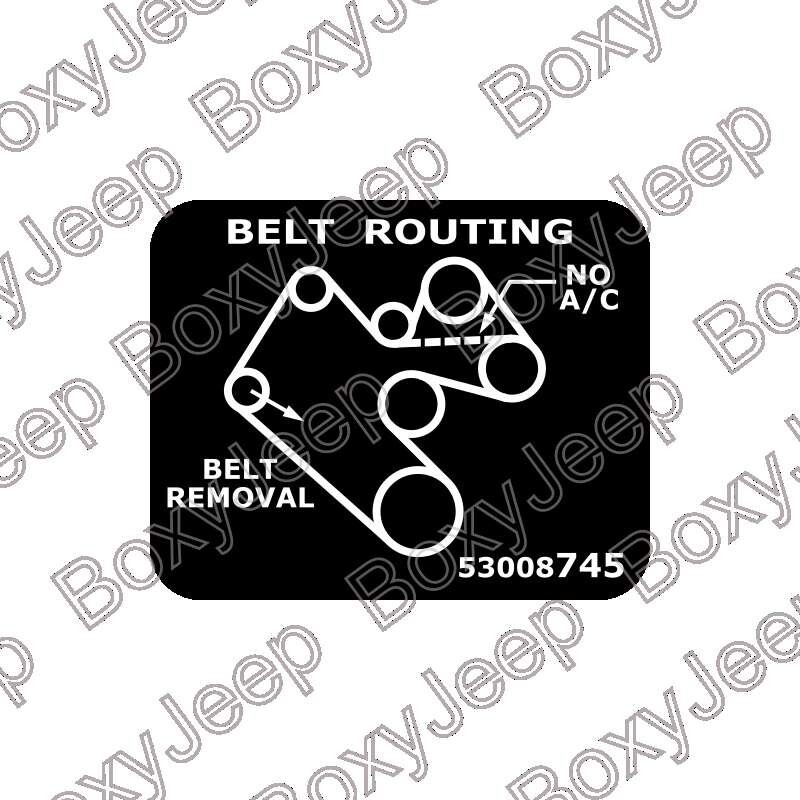
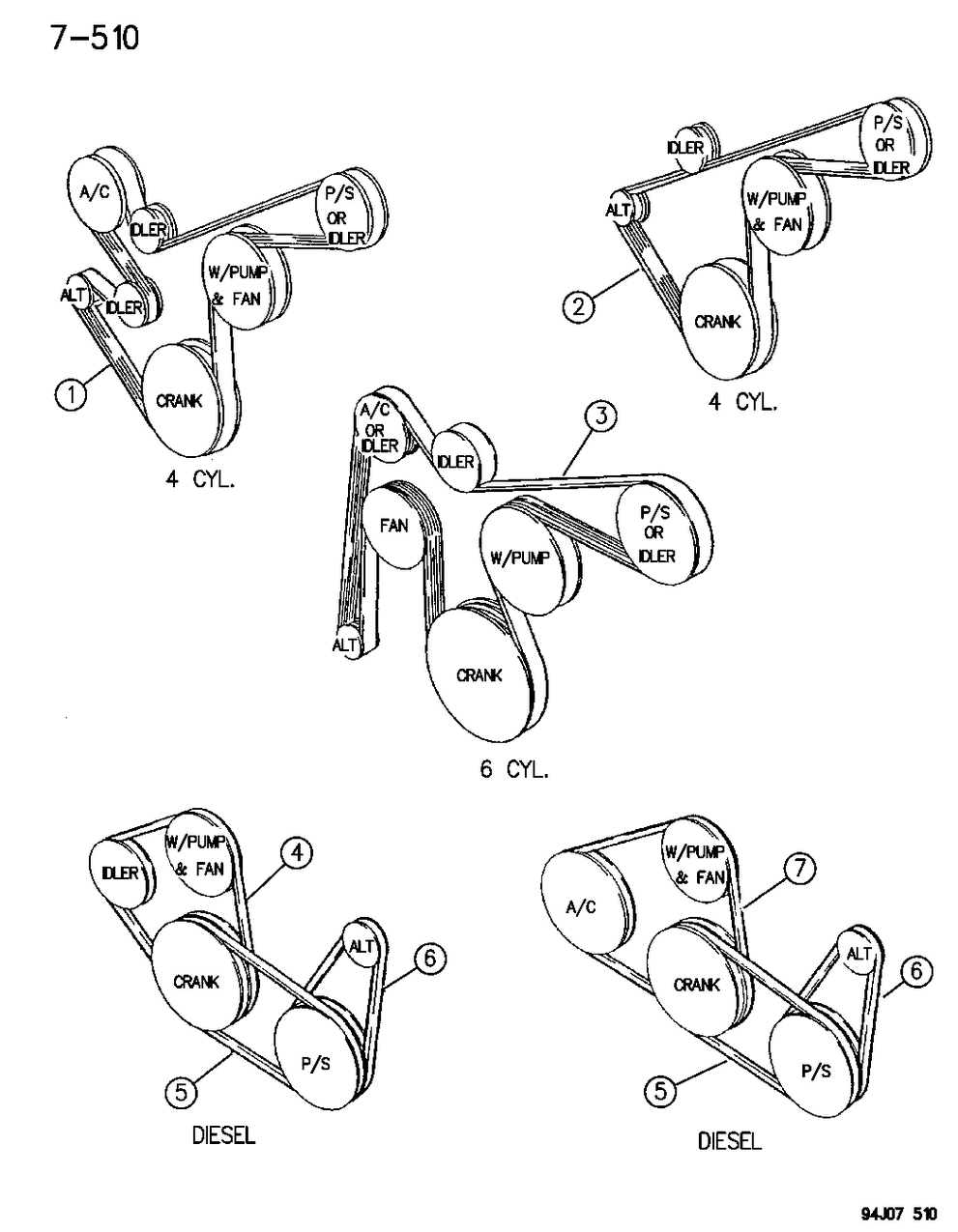
Below is a simplified diagram of the serpentine belt path for the Jeep Cherokee 2.4 engine. Always double-check with your model year, as small changes can occur. For best accuracy, use the diagram under your hood if available.
| Component | Belt Contact? | Notes |
|---|---|---|
| Crankshaft Pulley | Yes | Main drive source |
| Water Pump | Yes | Cools engine |
| Alternator | Yes | Charges battery |
| A/C Compressor | Yes | Runs A/C system |
| Power Steering Pump | Yes | Assists steering |
| Idler Pulley | Yes | Guides belt |
| Belt Tensioner | Yes | Maintains tension |
The path usually starts at the crankshaft pulley, winds around the water pump, then the alternator, continues to the power steering pump, loops under the A/C compressor, and finally passes the idler and tensioner pulleys.
Step-by-step: How To Replace The Serpentine Belt
Changing the belt is a task many owners can handle with basic tools. Here’s a practical guide:
1. Locate The Belt Routing Diagram
Check under the hood for a label. If missing, refer to the chart above or a reliable source.
2. Disconnect The Battery
This prevents accidental starts and is a basic safety step.
3. Release The Tensioner
Use a wrench or ratchet to rotate the tensioner pulley. This releases pressure on the belt.
4. Remove The Old Belt
Slide the belt off the pulleys, remembering the route.
5. Check Pulleys For Wear
Spin each pulley by hand. They should turn smoothly and quietly.
6. Route The New Belt
Follow the diagram exactly. Leave the tensioner for last.
7. Apply Tension
Hold the tensioner, slip the belt over the last pulley, and slowly release.
8. Double-check Alignment
Make sure the belt sits in the grooves of each pulley.
9. Reconnect The Battery And Start The Engine
Watch for proper operation and listen for any strange noises.
Common Mistakes To Avoid
- Routing the belt incorrectly: Even a small mistake can stop accessories from working.
- Forgetting to check pulley condition: A worn pulley can damage a new belt.
- Not releasing tension fully: This can make installation difficult and damage the belt.
Signs Your Belt Needs Attention
A healthy serpentine belt is crucial for engine performance. Look for these warning signs:
- Squealing noise: Often heard at startup or when turning on the A/C.
- Visible cracks or fraying: Check the belt surface for damage.
- Accessory failure: If the battery light comes on or steering is hard, the belt may be slipping.
Here’s a quick comparison of belt condition indicators:
| Belt Condition | What to Look For | Action Needed |
|---|---|---|
| Good | No cracks, snug fit | No action |
| Worn | Minor cracks, slight noise | Monitor |
| Damaged | Deep cracks, fraying, loud squeal | Replace now |
Choosing The Right Replacement Belt
Not all belts are the same. For the Jeep Cherokee 2.4, always buy the correct length and width. Your owner’s manual or auto parts store can help you cross-check the part number.
Key factors when choosing:
- Fit: Must match your model year and engine type.
- Material: Modern belts are often EPDM rubber, which lasts longer.
- Brand: Quality brands like Gates or Dayco are reliable.
A common mistake is buying a belt “close enough” in size. Even a small difference can cause slipping or premature wear.
Maintenance Tips For Longer Belt Life
- Inspect every oil change: Look for cracks, wear, or misalignment.
- Replace at recommended intervals: Usually every 60,000–100,000 miles, but check your manual.
- Keep pulleys clean: Dirt or oil can make the belt slip.
- Listen for changes: New noises often mean a problem is starting.
Real-world Example
A 2017 Jeep Cherokee owner noticed a squeal when starting the engine. Inspection showed small cracks on the belt. Replacing the belt early prevented a breakdown and kept all accessories working smoothly.
Cost Comparison: Diy Vs. Mechanic
Is it better to replace the belt yourself or pay a shop? Here’s a quick look:
| Option | Estimated Cost | Pros | Cons |
|---|---|---|---|
| DIY | $25–$50 (belt only) | Save money, learn new skill | Requires time, some tools |
| Mechanic | $120–$200 (parts + labor) | Quick, professional install | Higher cost |
Frequently Asked Questions
<!– wp:rank-math/faq-block {"questions":[{"id":"faq-question-f6a6b3a10e24","title":"What Is The Jeep Cherokee 2.4 Serpentine Belt’s Main Function?","content":"The serpentine belt drives essential accessories like the alternator, water pump, power steering pump, and A/C compressor from a single belt connected to the engine’s crankshaft.
“,”visible”:true},{“id”:”faq-question-04351c881dd6″,”title”:”How Often Should I Replace The Serpentine Belt?”,”content”:”Most experts recommend every 60,000 to 100,000 miles, but always check your owner’s manual for the exact interval.
“,”visible”:true},{“id”:”faq-question-52808607de80″,”title”:”Can I Drive If The Belt Is Damaged?”,”content”:”It’s not safe. A broken belt will stop the water pump and alternator, which can quickly cause engine overheating and loss of electrical power.
“,”visible”:true},{“id”:”faq-question-ffb7119e4213″,”title”:”Where Can I Find A Reliable Belt Diagram For My Cherokee?”,”content”:”Your vehicle’s owner’s manual, under-hood label, or trusted sources like Mopar’s official site provide accurate diagrams.
“,”visible”:true},{“id”:”faq-question-a1769808cfaa”,”title”:”What Tools Do I Need To Change The Belt?”,”content”:”Usually, you need a wrench or ratchet (often 15mm) to rotate the tensioner, and basic safety gear. Some models may need a specific serpentine belt tool for tight spaces.
Caring for your Jeep Cherokee 2. 4’s serpentine belt isn’t just about avoiding breakdowns—it helps your vehicle run better and last longer. With the right diagram and a bit of attention, you can handle this maintenance confidently and keep your Cherokee performing at its best.
“,”visible”:true}]} –>What Is The Jeep Cherokee 2.4 Serpentine Belt’s Main Function?
The serpentine belt drives essential accessories like the alternator, water pump, power steering pump, and A/C compressor from a single belt connected to the engine’s crankshaft.
How Often Should I Replace The Serpentine Belt?
Most experts recommend every 60,000 to 100,000 miles, but always check your owner’s manual for the exact interval.
Can I Drive If The Belt Is Damaged?
It’s not safe. A broken belt will stop the water pump and alternator, which can quickly cause engine overheating and loss of electrical power.
Where Can I Find A Reliable Belt Diagram For My Cherokee?
Your vehicle’s owner’s manual, under-hood label, or trusted sources like Mopar’s official site provide accurate diagrams.
What Tools Do I Need To Change The Belt?
Usually, you need a wrench or ratchet (often 15mm) to rotate the tensioner, and basic safety gear. Some models may need a specific serpentine belt tool for tight spaces.
Caring for your Jeep Cherokee 2. 4’s serpentine belt isn’t just about avoiding breakdowns—it helps your vehicle run better and last longer. With the right diagram and a bit of attention, you can handle this maintenance confidently and keep your Cherokee performing at its best.