If you drive a Jeep JK Wrangler, you know it’s built for adventure. But to keep your Jeep running strong, you need to pay attention to the details—like the differential fluid.
This fluid is essential for your Jeep’s axles, helping the wheels turn smoothly, especially on rough terrain. Many owners wonder, “What is the correct Jeep JK differential fluid capacity?”
Knowing the right amount, type, and how often to change it can save you from expensive repairs. This guide explains all you need to know about differential fluid capacity for the Jeep JK, plus practical advice for keeping your Jeep in top shape.
Understanding Jeep Jk Differentials
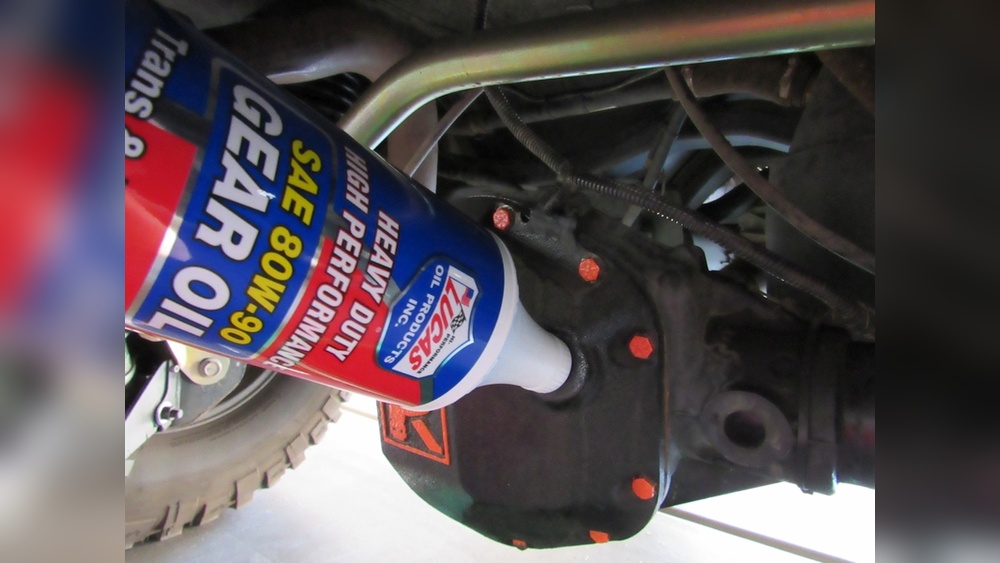
Your Jeep JK, built between 2007 and 2018, comes with two main axles: front and rear. Each axle has a differential, which splits power to the wheels while allowing them to spin at different speeds. This is crucial for safe turning and off-road performance.
Most Jeep JKs use the Dana 30 (front) and either the Dana 35 or Dana 44 (rear). Rubicon models have a Dana 44 front and rear. The type of axle influences the fluid capacity and type required.
Differential Fluid Capacity: Quick Reference
Here’s a clear look at the factory-specified fluid capacities for the Jeep JK’s differentials:
| Axle Type | Location | Fluid Capacity (Quarts) |
|---|---|---|
| Dana 30 | Front | 1.3–1.4 |
| Dana 44 | Front | 1.3–1.4 |
| Dana 35 | Rear | 1.4 |
| Dana 44 | Rear | 2.0–2.2 |
Note: The rear Dana 44 holds more fluid than the front or the Dana 35. Always check your owner’s manual or axle label to confirm your axle type.
Choosing The Right Differential Fluid
Not all fluids are the same. Here’s what matters when picking fluid for your Jeep JK:
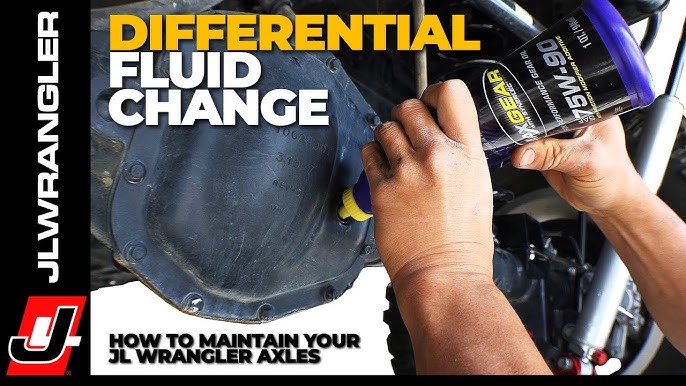
- Viscosity: Most Jeep JKs use 75W-140 synthetic gear oil for both axles, but some may recommend 80W-90 for light duty.
- Additives: If you have a limited-slip differential, you’ll often need a friction modifier additive.
- Quality: Use only fluids meeting the manufacturer’s standards—cheap oil can lead to noisy or damaged gears.
For most driving, a high-quality synthetic gear oil is best. If you tow heavy loads or drive in very hot or cold climates, stick to what your manual recommends.
How To Change Jeep Jk Differential Fluid
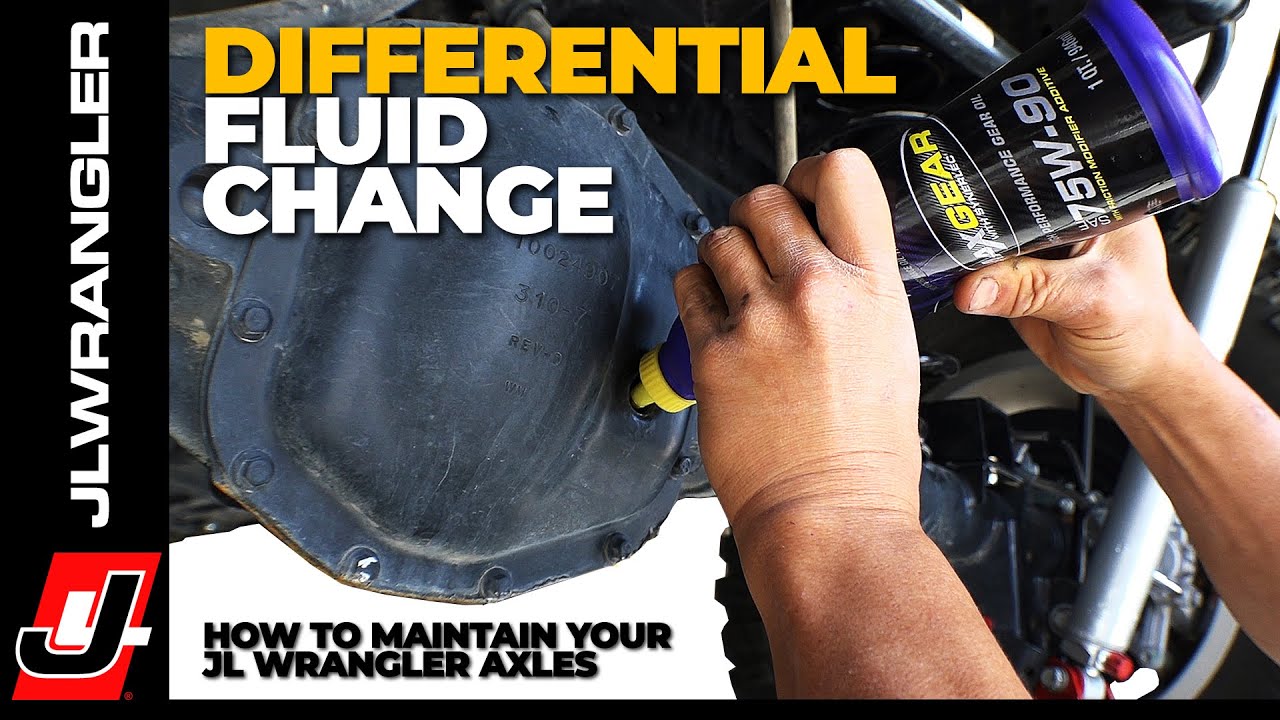
Changing the differential fluid is a simple job you can do at home with basic tools. Here’s a step-by-step overview:
- Lift and Secure: Raise your Jeep with a jack and support it with jack stands.
- Locate Fill & Drain Plugs: Find the plugs on the axle housing. Clean the area to avoid contamination.
- Drain Old Fluid: Place a catch pan under the drain plug, remove it, and let the fluid drain completely.
- Inspect and Clean: Check the old fluid for metal shavings—this can signal wear. Clean the cover and gasket surface.
- Replace Gasket/Sealant: If you remove the cover, use a new gasket or RTV sealant.
- Refill: Add new fluid through the fill hole. Fill until fluid begins to seep out the fill hole.
- Tighten Plugs: Reinstall and tighten the drain and fill plugs.
- Dispose of Old Fluid: Take the used oil to a recycling center.
Approximate time: 1-2 hours. Cost: $20–$60, depending on oil type.
How Often Should You Change Differential Fluid?
Jeep recommends changing the differential fluid every 30,000 to 50,000 miles under normal use. If you drive off-road often or tow heavy loads, consider changing it every 15,000 to 20,000 miles.
Off-road conditions like water crossings or deep mud can contaminate your fluid faster. If you notice noise, vibration, or leaks, check the fluid right away.
Data Comparison: Factory Vs. Aftermarket Differential Covers
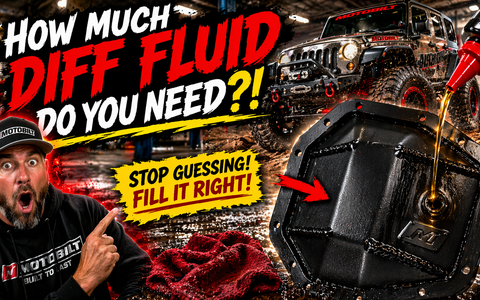
Some owners upgrade to aftermarket differential covers for better protection. These covers often increase oil capacity. Here’s how they compare:
| Cover Type | Approx. Fluid Capacity (Quarts) | Benefit |
|---|---|---|
| Factory Dana 44 | 2.0–2.2 | OEM fit, standard capacity |
| Aftermarket (e.g., ARB, G2) | 2.5–3.0 | Better cooling, more fluid, stronger shell |
If you upgrade, remember to fill to the new capacity—not the factory spec.
Signs Of Differential Fluid Problems
Ignoring differential fluid can lead to serious problems. Watch for these warning signs:
- Howling or whining noise from the axle
- Vibration during acceleration or turning
- Leaking oil around the differential cover or axle seals
- Burning smell after driving
If you notice these, check the fluid level and condition. Catching issues early can save your gears.
Common Mistakes Jeep Jk Owners Make
Even experienced owners make errors with differential fluid. Here are two that beginners often miss:
- Overfilling or underfilling: Too much fluid can cause leaks; too little can overheat gears. Always fill just to the bottom of the fill hole.
- Mixing fluid types: Do not mix different viscosities or brands. This can reduce protection and cause noise.
Another less-known mistake: forgetting the friction modifier for limited-slip axles. Without it, you’ll get chatter and possible damage.
Useful Tips For Jeep Jk Differential Maintenance
- Always check the axle vent tubes. Clogged vents cause pressure and leaks.
- Use a torque wrench to tighten cover bolts. Overtightening can warp the cover and cause leaks.
- Inspect the magnet inside the differential for metal particles—small fuzz is normal, but flakes mean trouble.
If you’re unsure, your local Jeep dealer or a trusted mechanic can help with fluid recommendations and changes.
For more details on Jeep maintenance schedules, check the official Jeep Maintenance Guide.
Frequently Asked Questions
<!– wp:rank-math/faq-block {"questions":[{"id":"faq-question-243225e620dc","title":"What Type Of Differential Fluid Does A Jeep Jk Use?","content":"Most Jeep JKs use 75W-140 synthetic gear oil for both front and rear differentials. Some base models may use 80W-90. Always check your owner’s manual for your axle type and recommended fluid.
“,”visible”:true},{“id”:”faq-question-0c2078bd7ed6″,”title”:”How Do I Know Which Axles My Jeep Jk Has?”,”content”:”Look for a metal tag on the axle or check your build sheet. Rubicon models have Dana 44 axles front and rear. Non-Rubicon models often have a Dana 30 front and Dana 35 or 44 rear.
“,”visible”:true},{“id”:”faq-question-1913c030c376″,”title”:”Can I Drive If My Differential Fluid Is Low?”,”content”:”Driving with low or dirty differential fluid is risky. It can cause severe gear damage and even axle failure. Top up or replace fluid as soon as possible if you suspect a leak.
“,”visible”:true},{“id”:”faq-question-1712fb3862da”,”title”:”How Much Does It Cost To Change Jeep Jk Differential Fluid?”,”content”:”DIY fluid changes cost about $20–$60 per axle, depending on the oil brand and if you need additives. Professional shops may charge $100–$200 for both axles.
“,”visible”:true},{“id”:”faq-question-5efbd798eb72″,”title”:”Is It Safe To Use Aftermarket Differential Covers?”,”content”:”Yes, aftermarket covers can add strength and cooling but may require more fluid. Always check the new capacity and use the right type of fluid for your axle.
With the right care, your Jeep JK’s differentials will last for years—keeping you ready for any trail or road ahead.
“,”visible”:true}]} –>What Type Of Differential Fluid Does A Jeep Jk Use?
Most Jeep JKs use 75W-140 synthetic gear oil for both front and rear differentials. Some base models may use 80W-90. Always check your owner’s manual for your axle type and recommended fluid.
How Do I Know Which Axles My Jeep Jk Has?
Look for a metal tag on the axle or check your build sheet. Rubicon models have Dana 44 axles front and rear. Non-Rubicon models often have a Dana 30 front and Dana 35 or 44 rear.
Can I Drive If My Differential Fluid Is Low?
Driving with low or dirty differential fluid is risky. It can cause severe gear damage and even axle failure. Top up or replace fluid as soon as possible if you suspect a leak.
How Much Does It Cost To Change Jeep Jk Differential Fluid?
DIY fluid changes cost about $20–$60 per axle, depending on the oil brand and if you need additives. Professional shops may charge $100–$200 for both axles.
Is It Safe To Use Aftermarket Differential Covers?
Yes, aftermarket covers can add strength and cooling but may require more fluid. Always check the new capacity and use the right type of fluid for your axle.
With the right care, your Jeep JK’s differentials will last for years—keeping you ready for any trail or road ahead.