If your Jeep Grand Cherokee’s parking sensors suddenly stop working, it can be frustrating—especially in tight parking spaces or busy streets. Parking sensors are supposed to make life easier, so when they fail, daily driving becomes stressful.
Understanding what causes these sensors to stop working, how to diagnose the issue, and possible solutions can save you time, money, and stress.
How Parking Sensors Work In The Jeep Grand Cherokee
Parking sensors use ultrasonic technology to detect objects around your vehicle. Small sensors, usually in the front and rear bumpers, emit sound waves and measure how long it takes for those waves to bounce back from nearby objects. The system then alerts you with beeps or visual signals. In the Jeep Grand Cherokee, these sensors are part of the ParkSense system, which is standard or optional on most trims since 2011.
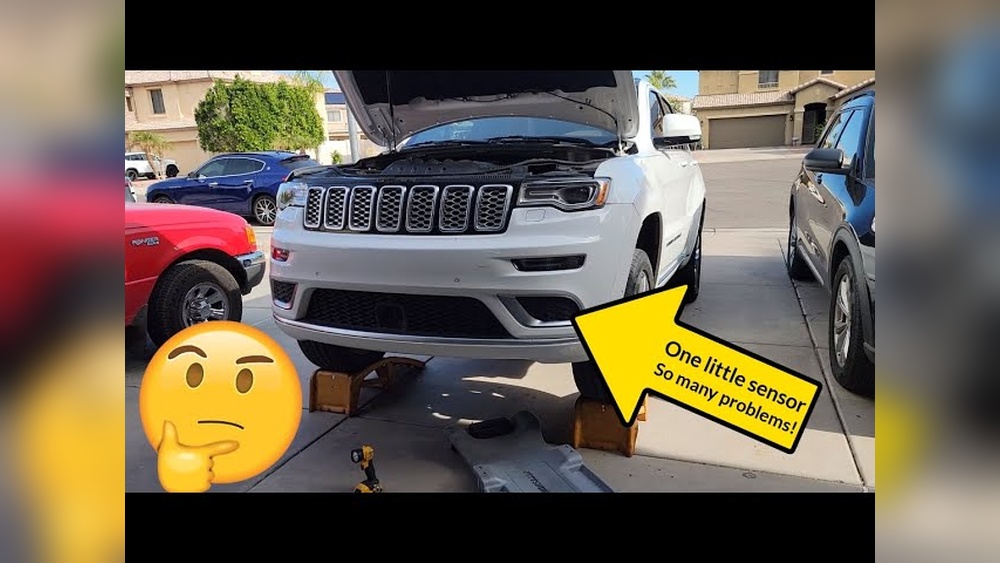
A key insight: these sensors are sensitive to both physical and electrical issues. Even something as simple as dirt can cause them to fail.
Common Reasons Parking Sensors Stop Working
Several problems can cause your Jeep Grand Cherokee’s parking sensors to malfunction. Here are the most common:
1. Dirty Or Blocked Sensors
Mud, snow, or even a thick layer of dust can block the sensors. This is the simplest and most common issue.
2. Faulty Sensors
Over time, sensors can fail due to wear, impact (like a minor bump), or corrosion.
3. Electrical Issues
Broken wires, loose connections, or blown fuses in the sensor circuit can stop the system.
4. Software Glitches
The sensor system depends on the vehicle’s computer. Sometimes, a software update or reset is needed.
5. Aftermarket Bumper Or Accessories
If you’ve replaced your bumper or added accessories, they may interfere with the sensor’s field of view.
6. Control Module Failure
The control unit that manages the sensors can fail, though this is less common.
Diagnosing The Problem
Before heading to a mechanic, you can do some basic checks yourself. Here’s a simple process:
1. Visual Inspection
Walk around your Jeep and look for visible dirt or damage on the sensor faces.
2. Clean The Sensors
Wipe each sensor with a soft, damp cloth to remove debris. Avoid high-pressure washers directly on the sensors.
3. Listen For Clicking
With the ignition on and the car in reverse (but not moving), place your ear near each sensor. Working sensors often make a faint clicking sound.
4. Check For Error Messages
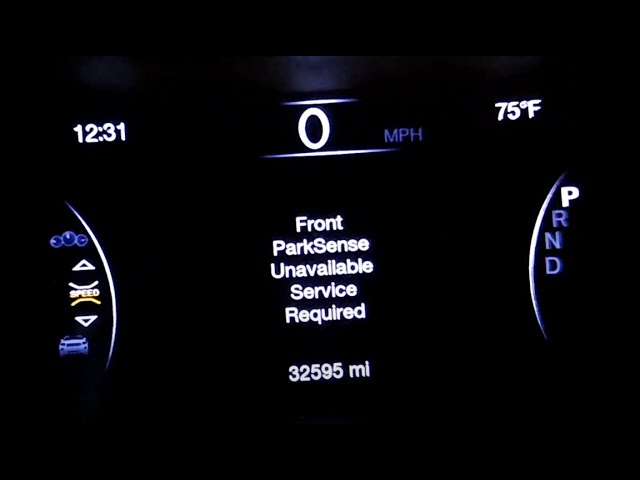
The dashboard may show “ParkSense Unavailable” or a similar message if there’s a problem.
5. Test All Modes
Try both front and rear sensors (if equipped). Sometimes only one set fails.
Here’s a quick comparison of possible causes and their typical symptoms:
| Cause | Typical Symptom |
|---|---|
| Dirty Sensor | Intermittent or no alerts |
| Faulty Sensor | No sound or constant beep in one area |
| Electrical Issue | All sensors stop working |
| Software Glitch | Error message, random failure |
Fixes You Can Try
You don’t always need a mechanic for parking sensor problems. Here are some DIY solutions:
- Clean the Sensors: Use warm water and a soft cloth. Avoid harsh chemicals.
- Restart the Vehicle: Sometimes, turning the Jeep off and on can reset minor glitches.
- Check Fuses: Find the fuse box (see your owner’s manual) and inspect the relevant fuse.
- Disconnect and Reconnect the Battery: Disconnecting the negative terminal for 10 minutes can reset the system.
- Check for Obstructions: Make sure no aftermarket parts block the sensors.
If these steps don’t work, the problem may be deeper. At this point, it’s smart to visit a qualified technician.
When To See A Professional
Some issues need a trained eye and special tools. For example, diagnosing a broken wire or a failed control module isn’t easy without experience.
A certified Jeep technician can:
- Run a diagnostic scan to check for error codes.
- Test the sensors and module with specialized equipment.
- Replace faulty components with factory-approved parts.
A common mistake is to replace sensors without confirming they’re the problem. This can lead to wasted time and money.
Here’s a quick look at how DIY fixes compare to professional help:
| Approach | Cost | Success Rate |
|---|---|---|
| DIY Cleaning/Reset | Low/Free | High for simple issues |
| Fuse Replacement | Low | Medium |
| Sensor Replacement | Medium | Medium-High if diagnosed correctly |
| Professional Diagnosis | High | Very High |
Preventing Future Problems
A little maintenance goes a long way. Here’s how to avoid parking sensor headaches:
- Wash your Jeep regularly to keep sensors clear.
- Be gentle when cleaning the bumpers.
- Avoid aftermarket bumper covers that can block sensors.
- Schedule regular inspections at your dealership, especially after a minor collision.
A less obvious tip: strong car wax or ceramic coatings can sometimes interfere with sensor readings if applied incorrectly. Always follow product instructions.
For more on how parking sensors work and their limitations, see this Wikipedia article.
Frequently Asked Questions
<!– wp:rank-math/faq-block {"questions":[{"id":"faq-question-6487e1bd62b9","title":"Why Did My Jeep Grand Cherokee Show “parksense Unavailable”?","content":"This usually means the system detected a fault. It could be a dirty sensor, electrical issue, or a software glitch. Try cleaning the sensors and restarting your vehicle first.
“,”visible”:true},{“id”:”faq-question-d285d7789c81″,”title”:”Can I Drive With Faulty Parking Sensors?”,”content”:”Yes, but you lose the extra safety they provide. Always check surroundings carefully when parking or reversing until the sensors are fixed.
“,”visible”:true},{“id”:”faq-question-6ae92552cf29″,”title”:”How Much Does It Cost To Replace A Jeep Grand Cherokee Parking Sensor?”,”content”:”A single sensor costs about $50–$150 for the part, plus labor. Dealer prices can be higher, but you get genuine parts and a warranty.
“,”visible”:true},{“id”:”faq-question-bd4b1ff145aa”,”title”:”Do Weather Conditions Affect Parking Sensors?”,”content”:”Yes. Heavy rain, snow, ice, or mud can block sensors or cause false alerts. Clean them regularly in winter or after off-road driving.
“,”visible”:true},{“id”:”faq-question-54704b592ff1″,”title”:”Is There A Way To Reset The Parking Sensor System Myself?”,”content”:”You can try disconnecting the negative battery terminal for about 10 minutes. This can reset minor glitches, but won’t fix hardware problems.
If your Jeep Grand Cherokee’s parking sensors are not working, don’t panic. Most issues are simple and inexpensive to fix. Start with the basics, and don’t hesitate to ask for professional help if needed. Reliable parking sensors make every drive safer and less stressful.
“,”visible”:true}]} –>This usually means the system detected a fault. It could be a dirty sensor, electrical issue, or a software glitch. Try cleaning the sensors and restarting your vehicle first.
Can I Drive With Faulty Parking Sensors?
Yes, but you lose the extra safety they provide. Always check surroundings carefully when parking or reversing until the sensors are fixed.
How Much Does It Cost To Replace A Jeep Grand Cherokee Parking Sensor?
A single sensor costs about $50–$150 for the part, plus labor. Dealer prices can be higher, but you get genuine parts and a warranty.
Do Weather Conditions Affect Parking Sensors?
Yes. Heavy rain, snow, ice, or mud can block sensors or cause false alerts. Clean them regularly in winter or after off-road driving.
Is There A Way To Reset The Parking Sensor System Myself?
You can try disconnecting the negative battery terminal for about 10 minutes. This can reset minor glitches, but won’t fix hardware problems.
If your Jeep Grand Cherokee’s parking sensors are not working, don’t panic. Most issues are simple and inexpensive to fix. Start with the basics, and don’t hesitate to ask for professional help if needed. Reliable parking sensors make every drive safer and less stressful.