The Jeep Renegade is a compact SUV loved for its bold look and off-road skills. But like any vehicle, it needs regular care to stay reliable.
Many drivers ask: when should you service your Jeep Renegade, and what should you check? This guide covers the key service intervals, explains what happens at each stage, and gives tips for keeping your Renegade in top shape.
Why Service Intervals Matter
Skipping regular service can lead to costly repairs and safety risks. Even if your Renegade feels fine, parts wear out over time. Fluids get dirty, brakes fade, and belts stretch. Following the right service schedule helps:
- Keep your engine running smoothly
- Extend the life of your SUV
- Protect your warranty
- Avoid sudden breakdowns
Jeep sets service intervals based on miles and months. Conditions like city driving, towing, or dust may need shorter gaps between visits.
Jeep Renegade Service Schedule Overview
The Renegade’s schedule has two main types: minor and major services. Here’s a basic outline of the most common intervals for recent models:
| Interval | Key Tasks |
|---|---|
| Every 7,500 miles (or 12 months) | Oil change, tire rotation, brake check, fluid level check |
| Every 20,000 miles | Replace air filter, inspect brakes and suspension |
| Every 30,000 miles | Replace cabin air filter, inspect CV joints and exhaust |
| Every 60,000 miles | Change spark plugs, replace coolant, inspect drive belts |
| Every 100,000 miles | Replace timing belt (for some engines), transmission service |
Note: Always check your owner’s manual, as intervals can differ by year, engine, and driving habits.
Key Service Intervals Explained
1. Every 7,500 Miles Or 12 Months
This is the most frequent service. It includes:
- Engine oil and filter change: Old oil causes engine wear.
- Tire rotation: Promotes even tire wear and extends tire life.
- Brake inspection: Checks pads, rotors, and fluid.
- Fluid checks: Engine coolant, brake fluid, power steering, and windshield washer.
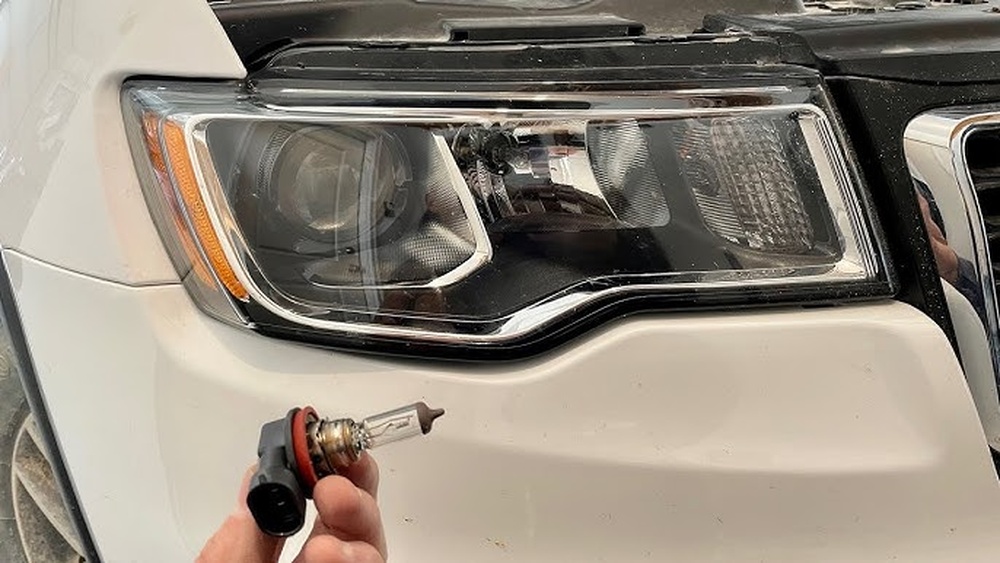
- Lights and wipers check: Safety essentials.
2. Every 20,000 Miles
At this point, you go beyond the basics:
- Air filter replacement: Keeps your engine breathing clean air.
- Brake and suspension inspection: Looks for signs of wear.
- Battery test: Ensures starting reliability.
3. Every 30,000 Miles
Extra care is needed as your Renegade ages:
- Cabin air filter change: Improves air quality inside the car.
- CV joint and exhaust system check: Prevents leaks or failures.
4. Every 60,000 Miles
This is a major service milestone:
- Spark plug replacement: Ensures smooth engine performance.
- Coolant flush: Protects the engine from overheating.
- Drive belt inspection/replacement: Avoids sudden breakdowns.
5. Every 100,000 Miles
Some components last longer but are critical:
- Timing belt replacement (if equipped): Prevents engine damage.
- Transmission service: Keeps shifting smooth and avoids costly repairs.
Service Intervals For Different Jeep Renegade Engines
The Renegade comes with different engines. Each may have its own needs.
| Engine Type | Special Notes |
|---|---|
| 1.4L Turbo | Timing belt replacement at 100,000 miles is crucial |
| 2.4L Tigershark | Focus on regular oil changes; timing chain usually lasts longer |
| Diesel (Europe/Asia) | Shorter oil change intervals, fuel filter replacement needed |
Always check for recalls or technical service bulletins. Jeep updates recommendations based on real-world data.
Common Mistakes To Avoid
Many owners make simple errors that can cost them later:
- Ignoring the “check engine” light: Delaying a visit can mean bigger problems.
- Using the wrong oil type: Always use the grade Jeep recommends.
- Skipping service because the car feels fine: Wear isn’t always obvious.
- Missing cabin air filter changes: Can lead to poor air and musty smells.
- Not tracking service history: A log helps with warranty claims and resale value.
Practical Tips For Jeep Renegade Owners
- Set a reminder for your next service based on miles or months—whichever comes first.
- Keep all receipts and service records in one place.
- If you drive in tough conditions (dust, short trips, towing), ask your dealer if you need more frequent checks.
- Watch for leaks, odd noises, or warning lights between services.
Many drivers overlook the cabin air filter, but a clogged filter can reduce AC performance and cause foggy windows. Another easy-to-miss tip: always replace the oil drain plug washer during oil changes to prevent leaks.
Service Costs And Value
Service prices depend on where you live and the dealer or shop you choose. Here’s a rough comparison for common tasks:
| Service Item | Average Cost (USD) |
|---|---|
| Oil Change | $60–$100 |
| Brake Pad Replacement | $150–$300 |
| Spark Plug Replacement | $120–$250 |
| Timing Belt Replacement | $500–$900 |
Prices are for reference; always ask for a quote before work. Regular service might seem like a chore, but it’s much cheaper than engine or transmission repair.
Finding A Reliable Service Center
Look for Jeep-certified mechanics or shops with good reviews. Always ask if they use OEM parts—these are made for your exact vehicle model. Some shops cut costs with cheap fluids or filters, which can hurt your Renegade in the long run. For official information, visit the Jeep Maintenance page.
Frequently Asked Questions
<!– wp:rank-math/faq-block {"questions":[{"id":"faq-question-043502a24ed1","title":"How Often Should I Service My Jeep Renegade?","content":"Most owners should service their Renegade every 7,500 miles or once a year, whichever comes first. Follow your manual for special situations like extreme weather or heavy use.
“,”visible”:true},{“id”:”faq-question-d0f56022766e”,”title”:”What Happens If I Skip A Service Interval?”,”content”:”Skipping service can cause engine damage, reduce fuel economy, and void your warranty. Small problems can become major repairs if ignored.
“,”visible”:true},{“id”:”faq-question-190fd70fe766″,”title”:”Can I Service My Jeep Renegade Myself?”,”content”:”Some tasks, like oil changes or air filter replacement, are DIY-friendly. But jobs like timing belt or transmission service should be done by a professional.
“,”visible”:true},{“id”:”faq-question-1584e2c55001″,”title”:”Does The Jeep Renegade Have A Timing Belt Or Timing Chain?”,”content”:”It depends on the engine type. The 1.4L Turbo uses a belt, while the 2.4L Tigershark uses a chain. Belts need changing, usually at 100,000 miles.
“,”visible”:true},{“id”:”faq-question-fd17c0b5830a”,”title”:”How Do I Know Which Service My Renegade Needs Next?”,”content”:”Check your owner’s manual or maintenance log. Most Renegades also display reminders on the dashboard when a service is due.
Taking care of your Jeep Renegade doesn’t have to be confusing. Stick to the service intervals, pay attention to your vehicle, and you’ll enjoy many miles of safe, trouble-free driving.
“,”visible”:true}]} –>How Often Should I Service My Jeep Renegade?
Most owners should service their Renegade every 7,500 miles or once a year, whichever comes first. Follow your manual for special situations like extreme weather or heavy use.
What Happens If I Skip A Service Interval?
Skipping service can cause engine damage, reduce fuel economy, and void your warranty. Small problems can become major repairs if ignored.
Can I Service My Jeep Renegade Myself?
Some tasks, like oil changes or air filter replacement, are DIY-friendly. But jobs like timing belt or transmission service should be done by a professional.
Does The Jeep Renegade Have A Timing Belt Or Timing Chain?
It depends on the engine type. The 1.4L Turbo uses a belt, while the 2.4L Tigershark uses a chain. Belts need changing, usually at 100,000 miles.
How Do I Know Which Service My Renegade Needs Next?
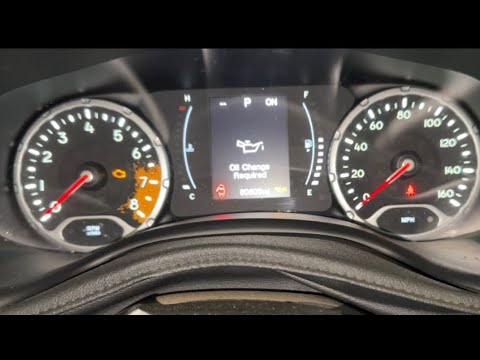
Check your owner’s manual or maintenance log. Most Renegades also display reminders on the dashboard when a service is due.
Taking care of your Jeep Renegade doesn’t have to be confusing. Stick to the service intervals, pay attention to your vehicle, and you’ll enjoy many miles of safe, trouble-free driving.