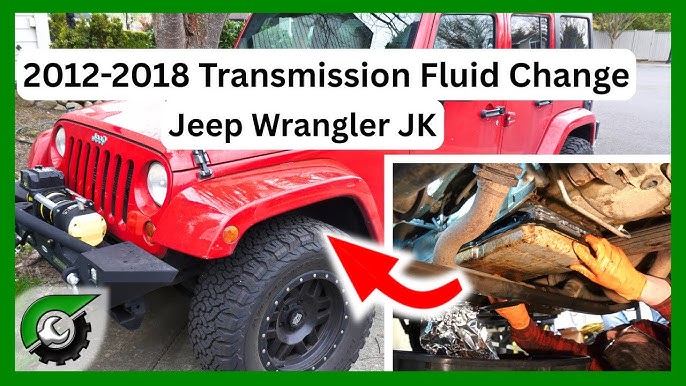
Changing the transmission fluid in your Jeep JK is one of the most important steps for keeping your vehicle running smoothly. Many owners overlook this maintenance task, but regular fluid changes can prevent expensive repairs and extend your Jeep’s life.
If you’ve ever hesitated because you’re not sure how to do it or what fluid to use, this guide will walk you through everything you need to know.
Why Transmission Fluid Change Matters
The transmission system is like the heart of your Jeep JK. The fluid inside keeps gears moving, prevents overheating, and ensures smooth shifting. Over time, the fluid gets dirty, breaks down from heat, and loses its protective qualities. When this happens, you might notice rough shifting, slipping, or even strange noises.
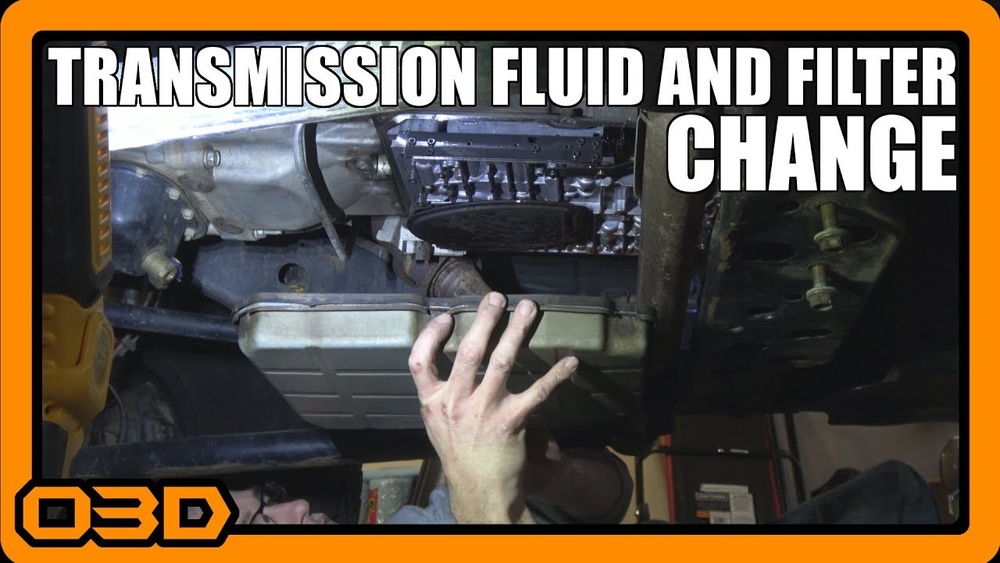
Neglecting fluid changes can lead to transmission failure, which often costs thousands of dollars to repair. Most experts recommend changing the fluid every 30,000 to 60,000 miles, depending on your driving style and conditions.
Types Of Jeep Jk Transmissions
Before you start, it’s important to know which transmission your Jeep JK has. From 2007 to 2018, Jeep JK models came with several options:
| Model Year | Manual Transmission | Automatic Transmission |
|---|---|---|
| 2007–2011 | NSG370 (6-speed) | 42RLE (4-speed) |
| 2012–2018 | NSG370 (6-speed) | W5A580 (5-speed) |
Check your owner’s manual or look at the transmission pan shape to identify your model before buying fluid.
Choosing The Right Transmission Fluid
Using the wrong fluid can damage your transmission quickly. Here’s a quick comparison for the most common Jeep JK transmissions:
| Transmission | Recommended Fluid | Capacity (approx.) |
|---|---|---|
| NSG370 (Manual) | Pennzoil Synchromesh, Mopar Manual Transmission Lubricant | 2.7 quarts |
| 42RLE (Auto) | ATF+4 | 4.0 quarts (drain & fill) |
| W5A580 (Auto) | ATF+4 | 5.5 quarts (drain & fill) |
Always double-check your manual for the exact amount and type. Avoid mixing fluids or using universal products.
Tools And Supplies You’ll Need
Getting ready is half the battle. Here’s what you’ll need for a typical fluid change:
- Jack and jack stands or ramps
- Socket set and ratchet
- Drain pan (at least 6 quarts capacity)
- Funnel
- New fluid (see above for quantity)
- Transmission pan gasket (if replacing)
- Gloves and safety glasses
- Torque wrench
For automatic transmissions, you may also need a new filter. Manual transmissions usually do not have a replaceable filter.
Step-by-step Transmission Fluid Change
Changing the transmission fluid is straightforward if you work carefully. Here’s how:
- Warm up your Jeep. Drive for 10-15 minutes to thin out the fluid.
- Raise and secure your Jeep on level ground.
- Locate the drain plug (manual) or remove the transmission pan bolts (automatic).
- Drain the old fluid into your pan. Be careful—fluid may be hot.
- For automatics, replace the filter and clean the pan. Look for metal shavings; a small amount is normal, but large pieces mean trouble.
- Install a new gasket if needed and tighten bolts to factory specs.
- Refill with new fluid using a funnel. Add a little less than the full amount.
- Start the engine and shift through all gears with your foot on the brake.
- Check the fluid level with the dipstick (automatic) or fill plug (manual). Top off as needed.
- Dispose of old fluid properly at a recycling center.
Two key tips beginners often miss: Make sure your Jeep is level when checking fluid, and never overfill. Too much fluid can cause foaming and damage.
Signs You Need A Fluid Change
Not sure when it’s time? Watch for these signs:
- Delayed or hard shifting
- Burnt smell from the transmission
- Dark, dirty fluid on the dipstick
- Slipping gears
If you see any of these, don’t wait—change the fluid soon to prevent bigger problems.

Automatic Vs Manual: Key Differences
Most steps are similar, but there are a few differences:
- Manual transmissions only need fluid drain and refill. No filter.
- Automatic transmissions often require a new filter and pan gasket.
- Automatics are more sensitive to fluid type and level.
If you’re unsure, consult your mechanic or check the Jeep forums for advice from experienced owners.
Common Mistakes To Avoid
Many DIYers make the same errors. Here’s how to avoid them:
- Not cleaning the pan (automatic): Leftover debris can cause problems.
- Using the wrong fluid: Always check the label.
- Over-tightening bolts: You can strip the threads or crush the gasket.
- Skipping the warm-up: Cold fluid doesn’t drain fully.
Taking your time and double-checking each step prevents most headaches.
How Much Does A Shop Charge?
If you’re not comfortable doing this yourself, a typical shop charges $150–$300 for a Jeep JK transmission fluid change. The price includes labor, fluid, and (for automatics) a new filter. Doing it yourself can save half or more.
For more technical details about Jeep transmissions, you can visit the Jeep transmission Wikipedia page.
Frequently Asked Questions
<!– wp:rank-math/faq-block {"questions":[{"id":"faq-question-f2e1d24b036d","title":"How Often Should I Change Jeep Jk Transmission Fluid?","content":"Most experts recommend every 30,000 to 60,000 miles. If you drive off-road, tow, or live in a hot climate, change it sooner.
“,”visible”:true},{“id”:”faq-question-c4ddc4227520″,”title”:”Can I Mix Old And New Transmission Fluid?”,”content”:”It’s best not to. Mixing can reduce protection and cause shifting problems. Always replace as much old fluid as possible.
“,”visible”:true},{“id”:”faq-question-cc0e38160b71″,”title”:”What Happens If I Overfill The Transmission?”,”content”:”Too much fluid can cause foaming, slipping, and even damage seals. Always check the level with the engine running and on level ground.
“,”visible”:true},{“id”:”faq-question-54723730b16a”,”title”:”Is A Fluid Flush Better Than A Drain And Fill?”,”content”:”A flush replaces more old fluid, but can sometimes dislodge debris and cause leaks in older transmissions. For high-mileage Jeeps, a drain and fill is safer.
“,”visible”:true},{“id”:”faq-question-ece7c1c77643″,”title”:”What If My Fluid Is Black Or Smells Burnt?”,”content”:”This means your fluid is overdue for a change and possible internal damage. Change it soon and monitor for shifting problems.
Taking care of your Jeep JK’s transmission fluid is simple but crucial. With the right tools and information, you can keep your Jeep running strong for years to come.
“,”visible”:true}]} –>How Often Should I Change Jeep Jk Transmission Fluid?
Most experts recommend every 30,000 to 60,000 miles. If you drive off-road, tow, or live in a hot climate, change it sooner.
Can I Mix Old And New Transmission Fluid?
It’s best not to. Mixing can reduce protection and cause shifting problems. Always replace as much old fluid as possible.
What Happens If I Overfill The Transmission?
Too much fluid can cause foaming, slipping, and even damage seals. Always check the level with the engine running and on level ground.
Is A Fluid Flush Better Than A Drain And Fill?
A flush replaces more old fluid, but can sometimes dislodge debris and cause leaks in older transmissions. For high-mileage Jeeps, a drain and fill is safer.
What If My Fluid Is Black Or Smells Burnt?
This means your fluid is overdue for a change and possible internal damage. Change it soon and monitor for shifting problems.
Taking care of your Jeep JK’s transmission fluid is simple but crucial. With the right tools and information, you can keep your Jeep running strong for years to come.