If you own a Jeep Renegade or plan to maintain one, understanding its cooling system is important. The coolant reservoir hose is a small but essential part.
Many drivers overlook it, but it can cause big problems if it fails. This article explains what the Jeep Renegade coolant reservoir hose does, signs of problems, replacement tips, and how to make sure your engine stays safe.
What Is The Coolant Reservoir Hose?
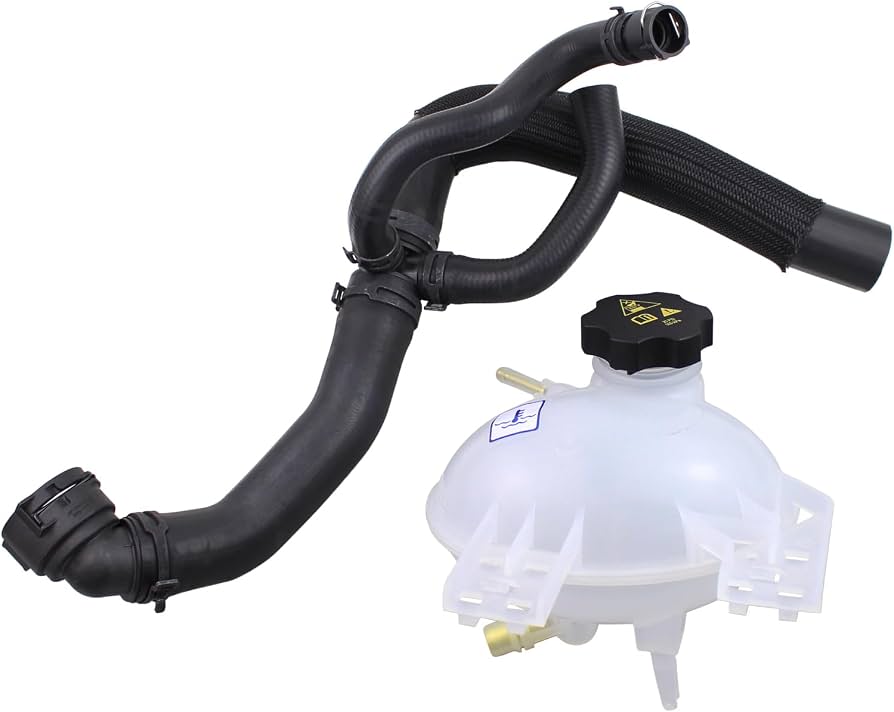
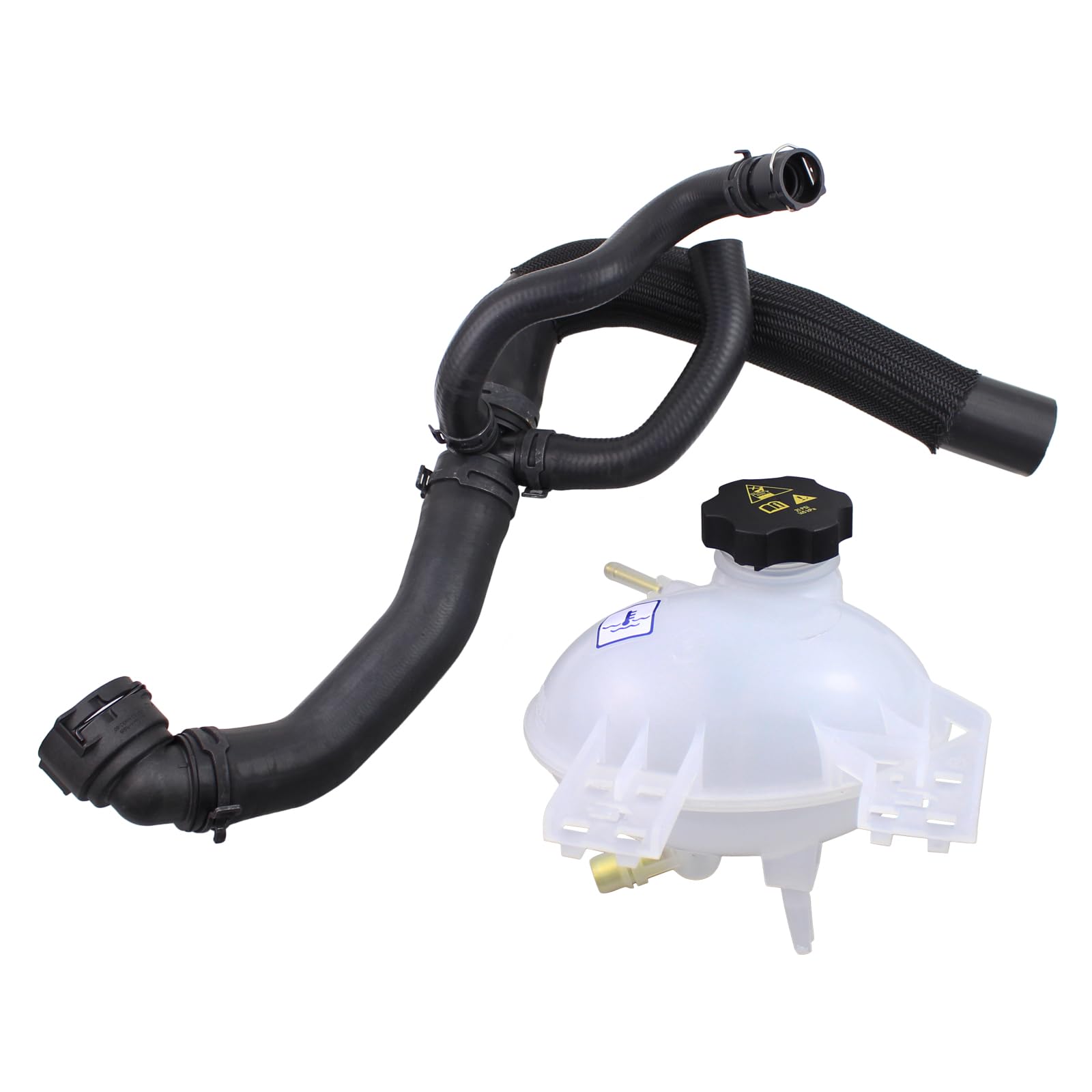
The coolant reservoir hose is a flexible tube that connects the coolant reservoir (also called the overflow tank) to the radiator or engine. Its main job is to move extra coolant to and from the reservoir as the engine heats up and cools down.
When the engine is hot, coolant expands and moves into the reservoir. As the engine cools, coolant returns to the radiator. The hose handles this movement. If it leaks or breaks, your engine could lose coolant and overheat.
Why Is The Coolant Reservoir Hose Important?
While it looks simple, the hose plays a big role in the cooling process. Here’s why it matters:
- Prevents overheating: It allows coolant to flow back and forth, keeping the engine at the right temperature.
- Protects the engine: Without it, air can enter the system, causing rust or even head gasket damage.
- Saves money: Fixing a hose is much cheaper than repairing an overheated engine.
Common Problems And Symptoms
A damaged or old coolant reservoir hose can cause several issues. Knowing the signs can help you avoid expensive repairs.
Signs Of A Failing Hose
- Coolant leaks: Puddles under your Jeep, especially after parking, often mean a hose leak.
- Low coolant warning: If the dashboard shows low coolant, the hose might be leaking.
- Engine overheating: If your temperature gauge climbs, check the hose.
- Visible cracks or bulges: Inspect the hose for any damage, softness, or swelling.
- Sweet smell: A leaking hose can cause a sweet, syrupy smell around the engine.
Causes Of Hose Failure
- Age and wear: Rubber hoses get weak and crack after years of heat and movement.
- Poor installation: If clamps are too tight, they can cut into the hose. If too loose, coolant can leak.
- Contaminated coolant: Old or dirty coolant can eat away at the hose from the inside.
Jeep Renegade Coolant Reservoir Hose Specifications
Not all hoses are the same. Even between Jeep Renegade models, there are differences. Here’s a quick look at some key specs:
| Model Year | Hose Material | Inner Diameter | Length |
|---|---|---|---|
| 2015-2018 | EPDM Rubber | 0.5 inch | 24 inches |
| 2019-2026 | Silicone Blend | 0.5 inch | 26 inches |
Always check your owner’s manual or ask a dealer for the right part.
How To Replace The Coolant Reservoir Hose
Replacing the hose is not very hard, but you need to be careful. If you’re unsure, ask a mechanic. If you want to do it yourself, follow these steps:
What You’ll Need
- Replacement hose (matched to your Jeep’s year)
- Hose clamps (often come with the new hose)
- Flathead screwdriver or pliers
- Coolant (to top up after)
- Gloves and safety glasses
Step-by-step Replacement
- Wait for a cold engine. Never open the coolant system when hot.
- Find the reservoir hose. It runs from the coolant tank to the radiator or engine.
- Release clamps. Use a screwdriver or pliers to loosen the clamps on each end.
- Remove the old hose. Gently pull it off. If stuck, twist carefully.
- Check hose connections. Clean any dirt or old rubber from the fittings.
- Install new hose. Push it onto the fittings and tighten the clamps.
- Add coolant. Fill up the reservoir to the correct line.
- Start the engine. Let it run and watch for leaks. Check the coolant level again after it cools.
Tip: Take a photo before you start, so you remember the hose’s path.
Choosing The Right Replacement Hose
Not all hoses are made equal. Cheap hoses may not last or fit well. Here’s what to look for:
| Feature | Why It Matters | Good Choice | Poor Choice |
|---|---|---|---|
| Material | Resists heat and chemicals | EPDM or Silicone | Generic rubber |
| Fit | Prevents leaks | OEM spec | Universal fit |
| Clamps | Keeps hose secure | Stainless steel | Thin wire clamps |
Non-obvious tip: Avoid hoses with sharp bends that do not match the Jeep’s design. These can kink and block coolant flow, causing hidden overheating problems.
Maintenance Tips And Common Mistakes
To keep your cooling system healthy, check the hose at every oil change. Squeeze it gently—if it feels soft, spongy, or cracks, replace it. Replace hoses every 4–6 years, even if they look fine.
Common mistakes to avoid:
- Reusing old clamps: They can lose strength and cause leaks.
- Using the wrong type of coolant: Some coolants attack hose material. Always use the type listed in your manual.
- Ignoring small leaks: Even a drip can lead to air getting into the system, causing bigger problems over time.
Insider tip: If you’re replacing a hose, flush the coolant if it’s dirty. Old coolant can damage the new hose quickly.
Cost Of Replacement
The coolant reservoir hose is one of the cheapest engine parts. Here’s a price comparison:
| Item | Price Range (USD) | Notes |
|---|---|---|
| Hose (OEM) | $25–$40 | Best fit and durability |
| Hose (Aftermarket) | $15–$30 | May need trimming |
| Labor (mechanic) | $50–$90 | 30–60 min job |
Spending a bit more for a quality hose saves money on future repairs.
When To See A Mechanic
If you see coolant leaks but can’t find the source, or if the engine keeps overheating, get a pro to check it. There may be other issues, like a radiator or water pump problem. Don’t wait—heat damage can ruin an engine fast.
For more on car cooling systems, you can read this guide from Wikipedia.
Frequently Asked Questions
<!– wp:rank-math/faq-block {"questions":[{"id":"faq-question-b637bf80c6b6","title":"How Often Should I Replace My Jeep Renegade Coolant Reservoir Hose?","content":"Most experts suggest every 4–6 years, or at the first sign of wear, leaks, or softness. If you drive in hot climates, check more often.
“,”visible”:true},{“id”:”faq-question-d7fb7a7d8c22″,”title”:”Can I Drive If My Coolant Reservoir Hose Is Leaking?”,”content”:”It’s risky. Even a small leak can cause the engine to overheat quickly, leading to expensive engine damage.
“,”visible”:true},{“id”:”faq-question-90a9aef6d469″,”title”:”What Type Of Coolant Should I Use After Replacing The Hose?”,”content”:”Always use the coolant type listed in your owner’s manual. Mixing types can cause clogs or harm the hose.
“,”visible”:true},{“id”:”faq-question-e22e84756afb”,”title”:”Are Aftermarket Hoses Safe For The Jeep Renegade?”,”content”:”Some are, but make sure they match factory specs. Poor fit can lead to leaks or hose failure.
“,”visible”:true},{“id”:”faq-question-985f18cdc3a7″,”title”:”Is It Hard To Replace The Coolant Reservoir Hose Myself?”,”content”:”For most owners with basic tools, it’s a simple job. Take your time, follow steps, and check for leaks after installation.
Keeping your Jeep Renegade coolant reservoir hose in good shape protects your engine and wallet. Regular checks and timely replacement keep your Jeep running cool and strong for years.
“,”visible”:true}]} –>How Often Should I Replace My Jeep Renegade Coolant Reservoir Hose?
Most experts suggest every 4–6 years, or at the first sign of wear, leaks, or softness. If you drive in hot climates, check more often.
Can I Drive If My Coolant Reservoir Hose Is Leaking?
It’s risky. Even a small leak can cause the engine to overheat quickly, leading to expensive engine damage.
What Type Of Coolant Should I Use After Replacing The Hose?
Always use the coolant type listed in your owner’s manual. Mixing types can cause clogs or harm the hose.
Are Aftermarket Hoses Safe For The Jeep Renegade?
Some are, but make sure they match factory specs. Poor fit can lead to leaks or hose failure.
Is It Hard To Replace The Coolant Reservoir Hose Myself?
For most owners with basic tools, it’s a simple job. Take your time, follow steps, and check for leaks after installation.
Keeping your Jeep Renegade coolant reservoir hose in good shape protects your engine and wallet. Regular checks and timely replacement keep your Jeep running cool and strong for years.