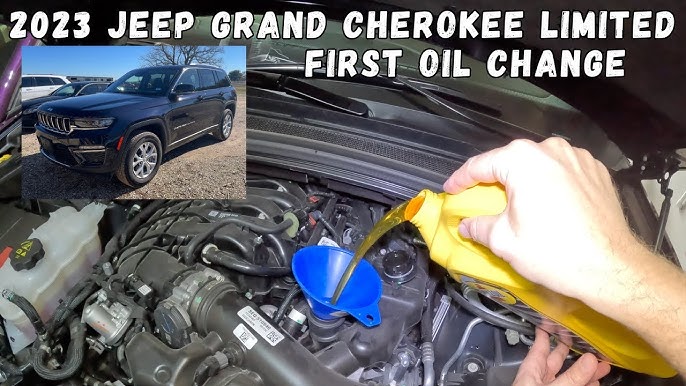
Changing the oil in your Jeep Grand Cherokee is one of the most important steps for keeping your engine healthy and lasting longer. Regular oil changes help the engine run smoothly, save you money on repairs, and give you confidence on the road.
Whether you are a new owner or have driven Jeep SUVs for years, knowing how and when to change your oil makes a big difference.
Many drivers believe oil changes are complicated or only for mechanics. In reality, with the right information and tools, you can handle this task yourself or choose the right service confidently. Let’s walk through everything you need to know about oil changes for the Jeep Grand Cherokee.
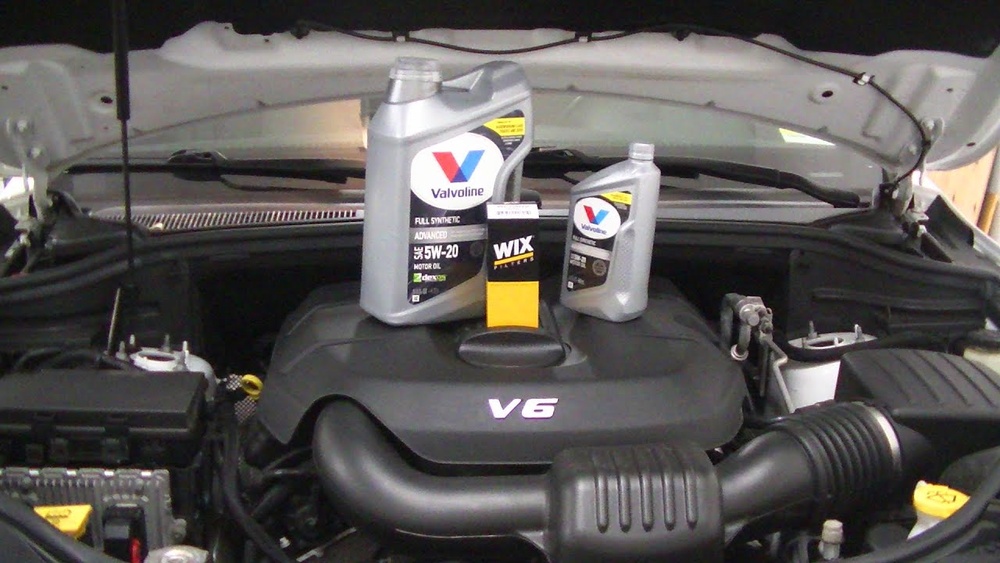
Why Regular Oil Changes Matter
Engine oil is the lifeblood of your Jeep’s engine. It lubricates moving parts, reduces friction, carries away heat, and helps clean the inside of the engine. Over time, oil breaks down and collects dirt, which can cause damage if not replaced.
Skipping oil changes leads to:
- Increased engine wear
- Reduced fuel efficiency
- Risk of engine failure
Most modern Grand Cherokee models have an oil change indicator that alerts you when service is needed, but it’s smart to check your oil level regularly.
How Often Should You Change The Oil?
The answer depends on your model year, driving habits, and the type of oil you use.
Suggested Intervals
- Synthetic oil: Every 7,500 to 10,000 miles or once a year
- Conventional oil: Every 3,000 to 5,000 miles or twice a year
Heavy-duty driving (like towing, frequent short trips, or dusty roads) may require more frequent changes. Always check your owner’s manual for Jeep’s recommendation.
Model Year Comparison
Here’s a quick look at different model years and typical oil change intervals:
| Model Year | Recommended Oil Change Interval | Oil Type |
|---|---|---|
| 2026–2026 | 7,500–10,000 miles | Synthetic |
| 2011–2026 | 6,000–8,000 miles | Semi-synthetic/Synthetic |
| Pre-2011 | 3,000–5,000 miles | Conventional/Semi-synthetic |
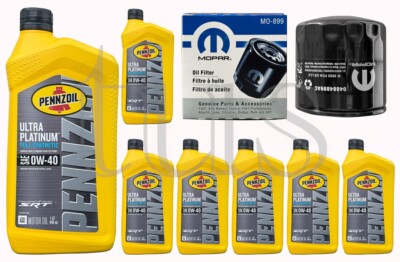
What Oil Does Your Jeep Grand Cherokee Need?
Using the right oil is critical. Most recent Grand Cherokees use 5W-20 or 0W-20 synthetic oil. Some older engines may need 10W-30 or conventional oil.
Engine Options And Oil Requirements
| Engine Type | Oil Viscosity | Oil Capacity (quarts) |
|---|---|---|
| 3.6L V6 | 0W-20 | 6.0 |
| 5.7L V8 | 5W-20 | 7.0 |
| 6.2L SRT V8 | 0W-40 | 7.0 |
Always double-check the oil cap or manual to confirm the right oil for your engine.
Diy Oil Change: Steps And Tips
Changing your own oil can save money and give you a better understanding of your Jeep. Here’s how you can do it:
What You’ll Need
- Correct type and amount of oil
- New oil filter
- Wrench set
- Oil drain pan
- Funnel
- Gloves and rags
- Jack and jack stands (if needed)
Step-by-step Process
- Warm up the engine for a few minutes, then turn it off. This helps old oil drain out smoothly.
- Lift the vehicle if needed and secure it with jack stands.
- Remove the oil fill cap on top of the engine.
- Place the drain pan under the oil pan. Remove the drain plug with a wrench and let oil drain out completely.
- Replace the drain plug and tighten it securely.
- Unscrew the old oil filter (some oil may spill). Apply a bit of new oil to the gasket of the new filter and screw it on by hand.
- Pour in new oil using a funnel. Check the amount with the dipstick.
- Start the engine and let it run for 30 seconds. Check for leaks.
- Turn off the engine and recheck the oil level, adding more if needed.
- Dispose of old oil and filter at a recycling center.
Tips For Success
- Always use a new crush washer if your drain plug has one.
- Double-check you’ve replaced the drain plug and filter before adding oil.
- Never overfill—the correct level is key for engine health.
Choosing Between Diy And Professional Service
Some owners enjoy the hands-on approach, while others prefer the convenience of a service center. Here’s a quick comparison:
| DIY Oil Change | Service Center |
|---|---|
| Lower cost Learn about your vehicle Flexible timing |
Expertise Quick and easy Includes inspections |
| Time-consuming Messy Requires tools |
More expensive Possible wait times Less hands-on knowledge |
If you’re not comfortable with car maintenance, a professional service is a smart choice. Be sure to keep records for your warranty and future resale value.
Signs It’s Time For An Oil Change
Beyond mileage, look for these signs:
- Dark or gritty oil on the dipstick
- Louder engine noise than usual
- Oil change warning light on the dashboard
- Burning oil smell inside or outside the car
If you notice these symptoms, schedule an oil change soon, even if you haven’t reached the mileage limit.
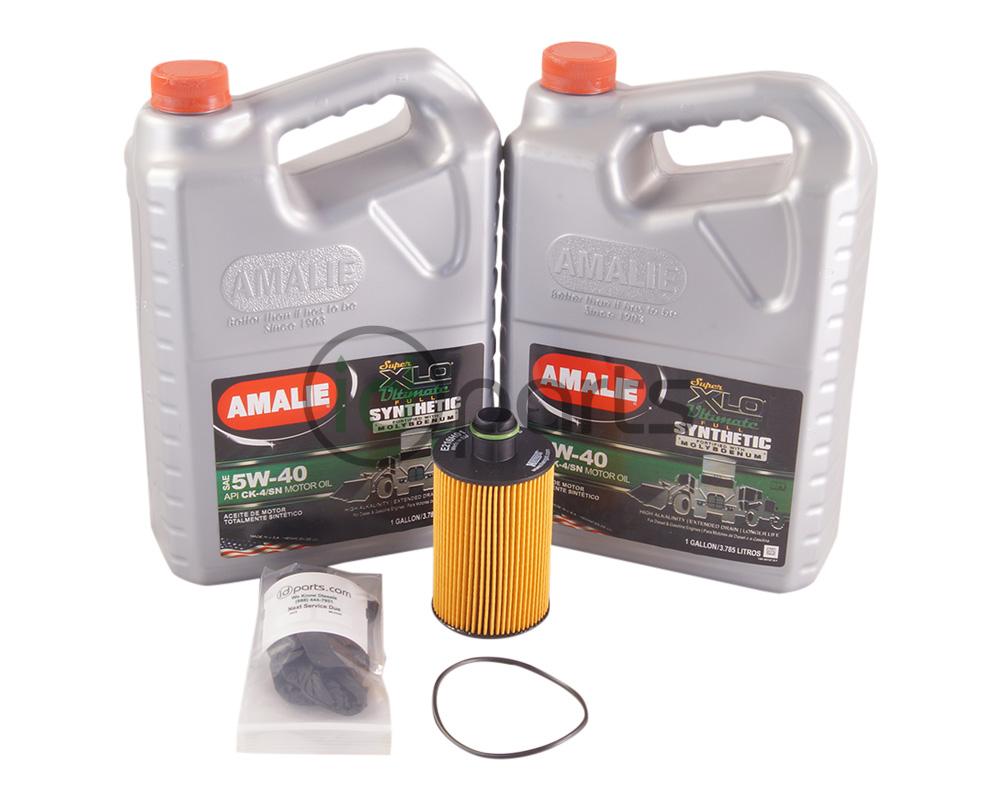
Common Mistakes To Avoid
Many beginners make small errors that can cause big problems:
- Using the wrong oil type or viscosity
- Over-tightening the oil filter or drain plug
- Not checking for leaks after finishing
- Forgetting to properly dispose of old oil
Each step matters—take your time and double-check your work.
Frequently Asked Questions
<!– wp:rank-math/faq-block {"questions":[{"id":"faq-question-e8bd7c98ab4d","title":"How Much Does An Oil Change Cost For A Jeep Grand Cherokee?","content":"Expect to pay $60 to $120 at a dealership or service center, depending on your location and oil type. DIY oil changes usually cost $30 to $60 for oil and a filter.
“,”visible”:true},{“id”:”faq-question-aa698a60709b”,”title”:”Can I Use Synthetic Oil In An Older Grand Cherokee?”,”content”:”Yes, synthetic oil is safe for most older Jeep engines and often provides better protection. However, always check your owner’s manual or ask a trusted mechanic.
“,”visible”:true},{“id”:”faq-question-35386841b645″,”title”:”What Happens If I Skip Oil Changes?”,”content”:”Old or dirty oil can cause serious engine damage, lower performance, and reduce fuel economy. In worst cases, your engine could seize, leading to very expensive repairs.
“,”visible”:true},{“id”:”faq-question-678b05a8ea0c”,”title”:”How Do I Reset The Oil Change Light?”,”content”:”Usually, you turn the ignition to “Run” (without starting), press the gas pedal slowly three times within 10 seconds, then turn off the ignition. Check your manual for model-specific steps.
“,”visible”:true},{“id”:”faq-question-eb024bf2f667″,”title”:”Where Can I Learn More About Jeep Maintenance?”,”content”:”For official information, visit the Jeep Maintenance Page for schedules and tips.
Taking care of your Jeep Grand Cherokee with timely oil changes is simple and rewarding. Whether you do it yourself or visit a professional, regular oil changes protect your engine and keep your adventures going strong. Remember, a little attention now can save you from big problems later.
“,”visible”:true}]} –>How Much Does An Oil Change Cost For A Jeep Grand Cherokee?
Expect to pay $60 to $120 at a dealership or service center, depending on your location and oil type. DIY oil changes usually cost $30 to $60 for oil and a filter.
Can I Use Synthetic Oil In An Older Grand Cherokee?
Yes, synthetic oil is safe for most older Jeep engines and often provides better protection. However, always check your owner’s manual or ask a trusted mechanic.
What Happens If I Skip Oil Changes?
Old or dirty oil can cause serious engine damage, lower performance, and reduce fuel economy. In worst cases, your engine could seize, leading to very expensive repairs.
How Do I Reset The Oil Change Light?
Usually, you turn the ignition to “Run” (without starting), press the gas pedal slowly three times within 10 seconds, then turn off the ignition. Check your manual for model-specific steps.
Where Can I Learn More About Jeep Maintenance?
For official information, visit the Jeep Maintenance Page for schedules and tips.
Taking care of your Jeep Grand Cherokee with timely oil changes is simple and rewarding. Whether you do it yourself or visit a professional, regular oil changes protect your engine and keep your adventures going strong. Remember, a little attention now can save you from big problems later.