If you own a Jeep, knowing how to put it into 4WD can make all the difference when you hit rough roads or slippery surfaces. Whether you’re driving through mud, snow, or rocky trails, engaging four-wheel drive gives you better control and traction.
But how exactly do you shift your Jeep into 4WD the right way? In this guide, you’ll learn simple steps to switch your Jeep into 4WD smoothly and safely. By the end, you’ll feel confident handling your Jeep no matter where the road—or off-road—takes you.
Keep reading to master this essential skill and get the most out of your Jeep’s capabilities.
Jeep 4wd Basics
Understanding the basics of Jeep 4WD helps you drive safely on different terrains. Jeep’s four-wheel drive system improves traction and control. It sends power to all wheels to handle rough roads, mud, snow, or sand. Knowing how and when to use 4WD protects your vehicle and enhances your driving experience.
Types Of 4wd Systems
Jeep offers several types of 4WD systems. Part-time 4WD lets you switch between two-wheel and four-wheel drive. Full-time 4WD works on all wheels all the time. Some Jeeps have automatic 4WD, which shifts power as needed. Each system suits different driving conditions and needs.
When To Use 4wd
Use 4WD on slippery or uneven surfaces like snow, mud, or rocks. It helps your Jeep maintain traction and avoid getting stuck. Avoid using 4WD on dry, paved roads. It can cause extra wear on the drivetrain and reduce fuel efficiency. Always switch back to 2WD when road conditions improve.

Locating Controls
Before shifting your Jeep into 4WD, you must find the right controls. Jeep models differ in their 4WD systems. Some use a manual lever, while others have an electronic switch. Knowing where these controls are helps you activate 4WD properly and safely. This section explains how to locate the transfer case shifter and the electronic 4WD switch.
Transfer Case Shifter
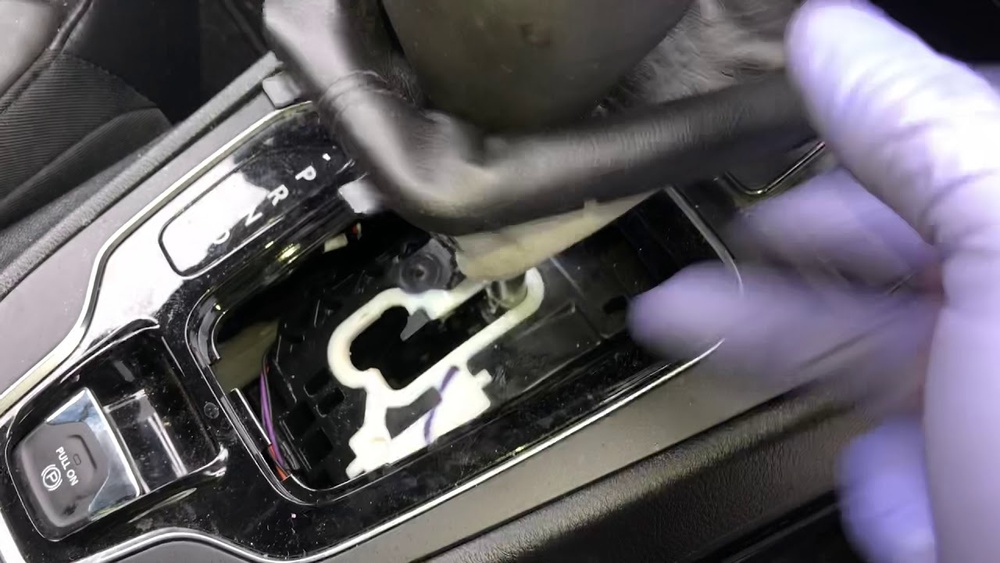
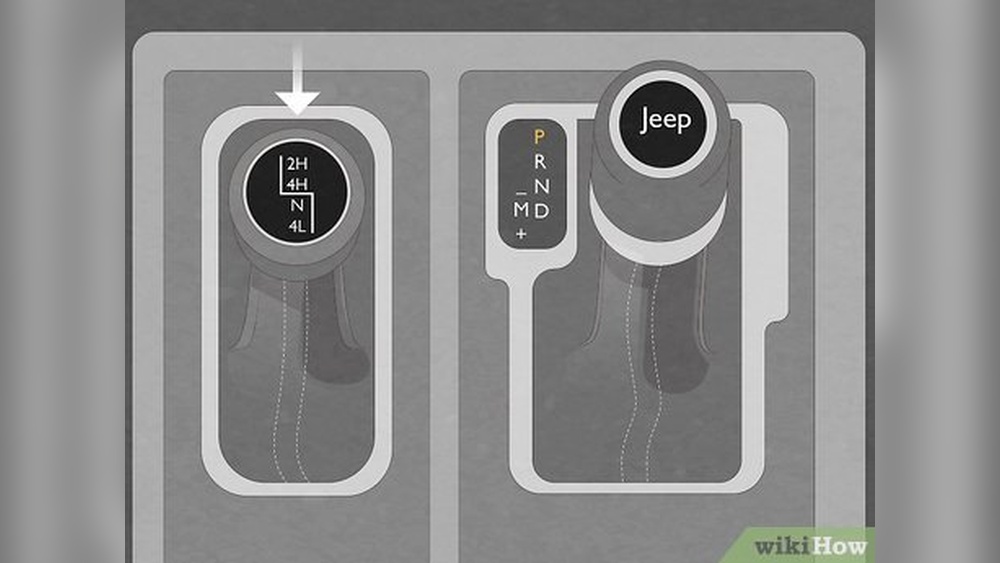
The transfer case shifter is a lever near the gear shift. It controls the power to the front and rear wheels. Usually, it has positions like 2H (two-wheel drive), 4H (four-wheel drive high), N (neutral), and 4L (four-wheel drive low). The lever often sits on the center console or floor between the driver and passenger seats.
To use it, move the Jeep into neutral first. Then shift the lever to the desired 4WD position. Some models need you to stop completely; others allow shifting at low speeds. The shifter feels firm and clicks into place. This tool gives you full control over your Jeep’s drivetrain.
Electronic 4wd Switch
Some modern Jeeps have an electronic 4WD switch instead of a manual lever. This switch is usually on the dashboard or center console. It looks like a small knob or button labeled with 4WD modes. You select modes like 2H, 4H, and 4L by turning or pressing the switch.
The system may require the vehicle to be stopped or moving slowly to change modes. The switch activates the transfer case electronically, making shifts smooth and easy. An indicator light on the dashboard shows which 4WD mode is active. This switch simplifies driving in tough terrain.
Shifting Into 4wd High
Engaging 4WD Low in your Jeep gives you extra power at low speeds. This mode helps in tough conditions like steep hills or deep mud. It sends more torque to the wheels. This increases traction and control. Use 4WD Low only when needed. It is not for normal driving. Doing so can harm your Jeep.
When To Use 4wd Low
Use 4WD Low on rough terrain where you need more power. Climbing steep hills or driving through deep sand calls for 4WD Low. It works well in mud and snow too. Avoid using it on dry pavement. The low gear ratio can damage your drivetrain. 4WD Low helps you move slowly but with more force.
How To Shift Safely
Always stop your Jeep before shifting to 4WD Low. Put the transmission in neutral to ease the shift. Press the clutch if you drive a manual. Then move the transfer case lever to the 4WD Low position. Wait for the system to engage fully. Shift back to drive gently. Do not rush the process.

Engaging 4wd Low
Using Neutral in the transfer case is an important step for certain Jeep operations. This setting disconnects the drivetrain from the wheels. It lets the Jeep roll freely without power transfer. Understanding when and how to use Neutral protects your vehicle and improves safety.
Neutral in the transfer case is not for driving on roads. It is mainly used for flat towing or moving the Jeep without engine power. Proper use ensures no damage to the transfer case or transmission.
Purpose Of Neutral
Neutral in the transfer case disconnects the driveshafts. This stops power from reaching the wheels. The Jeep can then roll freely without resistance from the drivetrain. This mode helps during flat towing or vehicle recovery. It also prevents wear on the drivetrain when the Jeep is stationary but needs to move.
Using Neutral avoids damage to the transfer case gears. It protects the transmission from stress during towing. This setting is essential when the Jeep is towed behind another vehicle. Always check your owner’s manual for specific instructions on your Jeep model.
Flat Towing Guidelines
Flat towing means pulling your Jeep with all four wheels on the ground. Neutral in the transfer case must be engaged for flat towing. This disconnects power and prevents transmission damage. Before towing, shift the main transmission to Neutral as well.
Do not tow your Jeep with the transfer case in 2WD or 4WD. This can cause severe damage to the drivetrain. Make sure the parking brake is off and the steering is unlocked. Drive slowly and avoid sharp turns while towing. Follow the Jeep’s towing capacity limits to stay safe.
Using Neutral In Transfer Case
Engaging 4WD in your Jeep requires care to protect the drivetrain. Following some simple tips helps the system engage smoothly. This avoids jerks and reduces wear on mechanical parts. Smooth engagement leads to better control and longer Jeep life.
Focus on your throttle and shifting steps. Small adjustments make a big difference. Let’s explore the key tips that make 4WD engagement easy and safe.
Throttle Control
Keep your foot light on the gas pedal. Avoid sudden acceleration or deceleration. A steady, gentle throttle helps the 4WD system engage without strain. Slightly releasing the throttle before shifting gives the transfer case time to sync. This prevents clunks or grinding noises. Smooth throttle input keeps power steady to all wheels. It improves traction and protects parts from damage.
Avoiding Damage
Never force the shift lever into 4WD. Force can break internal components. Always shift at low speeds or while stopped, depending on your Jeep model. Allow the transfer case to fully engage before driving hard. Avoid shifting on slippery or loose surfaces without proper throttle control. Regularly check your 4WD system for unusual noises or vibrations. Proper maintenance prevents costly repairs and keeps your Jeep ready for tough terrain.

Tips For Smooth Engagement
Engaging 4WD in your Jeep improves traction and control on rough terrain. Avoiding common mistakes helps protect your vehicle and ensures safe driving. These errors often cause damage or reduce 4WD effectiveness. Learn what not to do to keep your Jeep running smoothly.
Shifting At High Speeds
Do not shift into 4WD while driving fast. High speeds can damage the transfer case and drivetrain. Always slow down before switching to 4WD. Most Jeeps require the vehicle to be stopped or moving very slowly. Follow the manufacturer’s instructions for safe shifting.
Ignoring Terrain Conditions
Engaging 4WD on dry, paved roads can cause tire wear and mechanical strain. Use 4WD only on slippery or uneven surfaces. Avoid using 4WD on hard, dry pavement unless your Jeep has a proper system designed for it. Knowing when to engage 4WD protects your vehicle and improves driving safety.
Common Mistakes To Avoid
Maintaining your Jeep’s 4WD system keeps it reliable and ready for any terrain. Regular care helps prevent costly repairs and extends the system’s life. Simple checks and timely fluid changes protect your drivetrain and ensure smooth operation. Follow these steps to keep your 4WD system in top shape.
Regular Inspections
Inspect your 4WD system often for signs of wear or damage. Check the transfer case, drive shafts, and differentials. Look for leaks, cracks, or loose parts. Listen for unusual noises when shifting into 4WD. Early detection of problems saves money and avoids breakdowns.
Fluid Checks And Changes
Check the transfer case and differential fluids regularly. Low or dirty fluids can cause overheating and damage. Follow your Jeep’s manual for the correct fluid type and change intervals. Use clean fluids and replace them on schedule. Proper lubrication keeps gears and bearings working smoothly.
Frequently Asked Questions
Does Jeep Need To Be In Neutral To Put In 4wd?
To engage 4WD in most Jeeps, shift the transmission to neutral first. Then, activate the 4WD system as instructed. This prevents drivetrain damage and ensures smooth engagement.
Do I Put My Jeep In 4h Or 4l?
Use 4H for driving on slippery roads or light off-road conditions at normal speeds. Use 4L for slow, tough off-road terrain requiring maximum torque and control. Always shift to Neutral before switching between 4H and 4L to protect the drivetrain.
How To Shift A Jeep From 2wd To 4wd?
Shift your Jeep to Neutral (N). Pull the 4WD lever down once to engage 4WD High. Return to Drive (D) to move.
Is The Jeep 4×4 Always On?
No, Jeep 4×4 is not always on. You must engage four-wheel drive manually or use automatic settings if equipped.
Conclusion
Putting your Jeep into 4WD is simple and quick once you know the steps. Always start by stopping or slowing down your vehicle. Shift into neutral before engaging 4WD to avoid damage. Use the lever or button designed for your Jeep model to switch modes.
Remember, 4WD helps improve traction on rough or slippery surfaces. Practice this a few times to get comfortable. Driving safely with 4WD engaged ensures a smoother off-road experience. Now, you are ready to handle tougher terrains confidently.