The Jeep Grand Cherokee is a popular SUV known for its strong performance and reliability. Still, like any vehicle, owners sometimes face problems.
Troubleshooting these issues can save you money and keep your Grand Cherokee running smoothly. Whether you own an older model or a newer one, knowing how to spot and solve common troubles is essential.
Common Engine Problems
Many Grand Cherokee owners report engine troubles, especially as the vehicle ages. Signs include rough idling, unexpected stalling, and warning lights on the dashboard. These issues often relate to the fuel system, spark plugs, or sensors.
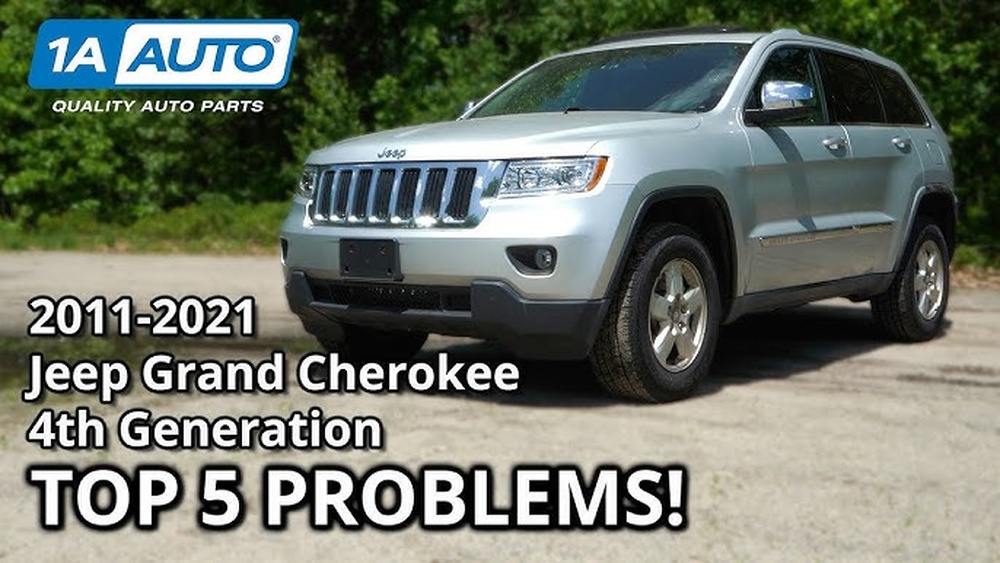
If your engine stalls or feels rough, check these points:
- Inspect the spark plugs for wear.
- Look for dirty or clogged fuel filters.
- Make sure the mass airflow sensor is clean and working.
A non-obvious tip: Sometimes, a simple battery disconnect and reconnect can reset sensors and solve minor electronic glitches. However, if the check engine light stays on, use an OBD-II scanner to read error codes before replacing parts.
Transmission Troubles
Transmission problems are common in Grand Cherokees, especially in models from the early 2000s. Symptoms include slipping gears, delayed shifting, and strange noises. Low or dirty transmission fluid is often the cause.
Here’s a quick comparison of transmission issues:
| Problem | Likely Cause | Simple Fix |
|---|---|---|
| Slipping gears | Low fluid | Add transmission fluid |
| Delayed shifting | Dirty fluid | Flush and replace fluid |
| Grinding noise | Worn gears | Inspect and replace gears |
Many owners overlook regular fluid changes. Changing transmission fluid every 30,000–60,000 miles is vital. Ignoring this can cause expensive damage. Always check your fluid level and color; it should be pinkish-red, not brown or burnt-smelling.
Electrical System Issues
Modern Grand Cherokees use complex electrical systems. Common issues include window failures, radio malfunctions, and dead batteries. If multiple systems stop working, the problem might be a blown fuse or weak battery.
Check these steps:
- Inspect fuse boxes for blown fuses.
- Test the battery with a voltmeter; anything under 12.4 volts may indicate a weak battery.
- Check for loose or corroded battery terminals.
A surprising insight: Faulty alternators are often missed. If your battery keeps dying, have the alternator tested. Also, water leaks around the windshield can cause electrical shorts, so inspect for moisture in the fuse box area.
Suspension And Steering Problems
Suspension and steering problems lead to poor ride quality and unsafe driving. The Grand Cherokee is known for ball joint and tie rod wear.
Here’s a quick comparison of front-end issues:
| Symptom | Part to Check | Repair Cost (Approx.) |
|---|---|---|
| Clunking noise | Ball joints | $200–$400 |
| Steering vibration | Tie rods | $150–$350 |
| Uneven tire wear | Control arms | $250–$500 |
Don’t ignore vibrations or noises. These can lead to serious damage or accidents. Have your suspension checked annually, especially if you drive on rough roads.
Air Conditioning And Heater Faults
Climate control problems are frustrating, especially in extreme weather. Typical issues include weak airflow, hot air when cooling, or strange odors.
Most faults relate to:
- Low refrigerant.
- Blocked cabin air filters.
- Faulty blower motors.
A simple tip: If the AC blows warm air, check refrigerant levels before replacing expensive parts. Also, clean your cabin filter every 12,000 miles. Many owners forget this, but it can solve weak airflow and odor problems.
Troubleshooting Steps For Beginners
If you’re new to car troubleshooting, follow these basic steps:
- Listen for unusual sounds and watch for warning lights.
- Check fluid levels (oil, coolant, transmission).
- Inspect tires for wear and pressure.
- Use an OBD-II scanner for error codes.
- Consult your owner’s manual for recommended maintenance.
One mistake beginners make is ignoring small problems. Even minor leaks or noises can become costly if left unchecked. Make notes of any new symptoms and address them quickly.
When To Seek Professional Help
Some repairs are best left to experts. If you notice major leaks, strong burning smells, or your Grand Cherokee won’t start at all, call a mechanic. Also, complex jobs like transmission rebuilds or engine overhauls require special tools and skills.
A helpful resource: The official Jeep website provides recall information and repair guides. For more, visit Jeep Official Site.
Frequently Asked Questions
<!– wp:rank-math/faq-block {"questions":[{"id":"faq-question-7f24c7877a4c","title":"What Is The Most Common Problem With Jeep Grand Cherokees?","content":"The most common issue is electrical faults, especially in models from 2011–2015. Owners often report problems with window controls, radio, and battery life.
“,”visible”:true},{“id”:”faq-question-77bfd66b0f1e”,”title”:”How Do I Reset The Check Engine Light?”,”content”:”To reset the check engine light, disconnect the battery for 10–15 minutes. If the light returns, use an OBD-II scanner to read error codes and fix the root problem.
“,”visible”:true},{“id”:”faq-question-550d56cc842c”,”title”:”Is It Safe To Drive With Transmission Slipping?”,”content”:”Driving with transmission slipping is risky. It can cause sudden loss of power or lead to expensive repairs. Stop driving and check fluid levels immediately.
“,”visible”:true},{“id”:”faq-question-88274f533457″,”title”:”How Often Should I Change Fluids In My Grand Cherokee?”,”content”:”Change engine oil every 5,000–7,500 miles and transmission fluid every 30,000–60,000 miles. Check coolant and brake fluid yearly.
“,”visible”:true},{“id”:”faq-question-dfb1cb261f06″,”title”:”Why Does My Jeep Grand Cherokee Make Clunking Noises?”,”content”:”Clunking sounds usually mean worn ball joints or tie rods. These parts should be inspected and replaced quickly to prevent further damage.
Owning a Jeep Grand Cherokee can be rewarding if you stay ahead of problems. With regular checks and quick troubleshooting, you’ll enjoy a reliable and smooth drive for years to come. If you’re unsure, don’t hesitate to ask a professional—catching issues early saves time and money.
“,”visible”:true}]} –>What Is The Most Common Problem With Jeep Grand Cherokees?
The most common issue is electrical faults, especially in models from 2011–2015. Owners often report problems with window controls, radio, and battery life.
How Do I Reset The Check Engine Light?
To reset the check engine light, disconnect the battery for 10–15 minutes. If the light returns, use an OBD-II scanner to read error codes and fix the root problem.
Is It Safe To Drive With Transmission Slipping?
Driving with transmission slipping is risky. It can cause sudden loss of power or lead to expensive repairs. Stop driving and check fluid levels immediately.
How Often Should I Change Fluids In My Grand Cherokee?
Change engine oil every 5,000–7,500 miles and transmission fluid every 30,000–60,000 miles. Check coolant and brake fluid yearly.
Why Does My Jeep Grand Cherokee Make Clunking Noises?
Clunking sounds usually mean worn ball joints or tie rods. These parts should be inspected and replaced quickly to prevent further damage.
Owning a Jeep Grand Cherokee can be rewarding if you stay ahead of problems. With regular checks and quick troubleshooting, you’ll enjoy a reliable and smooth drive for years to come. If you’re unsure, don’t hesitate to ask a professional—catching issues early saves time and money.