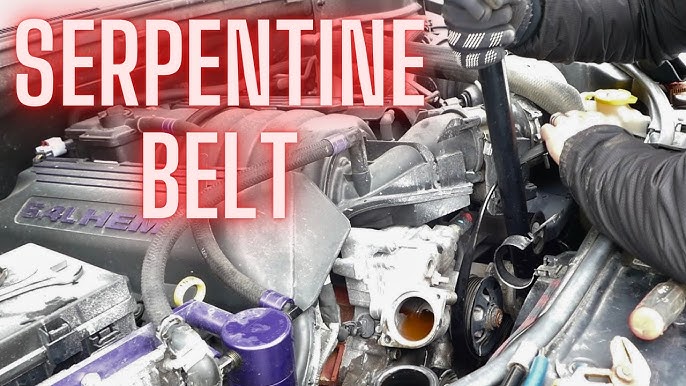
Replacing the serpentine belt on your Jeep Grand Cherokee is one of those jobs that can save you both money and stress. The serpentine belt is a long, winding rubber belt that powers several key components like the alternator, power steering pump, and air conditioning compressor.
If it breaks, your engine can quickly overheat or shut down, leaving you stranded. Learning to replace it yourself is smart, especially if you want to avoid a tow or expensive repair bill.
This guide will show you how to do it safely, what tools you need, and give you useful tips that most beginners overlook.
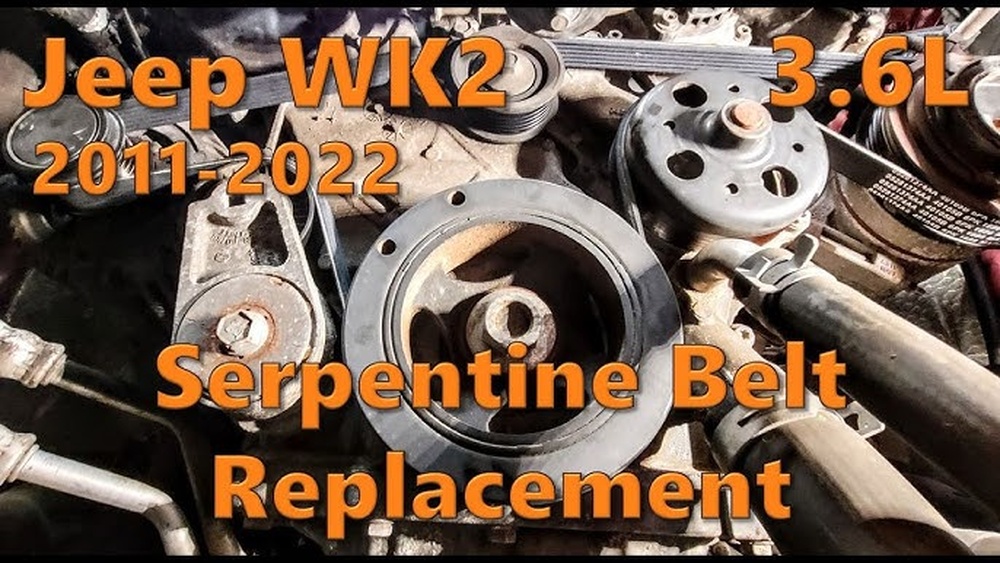
What Is A Serpentine Belt And Why Does It Matter?
The serpentine belt is called that because it snakes around several pulleys in your engine. It’s responsible for driving multiple accessories from the crankshaft’s power. If the belt wears out, you might hear squeaking, see frayed edges, or notice that your air conditioning or power steering stops working. Most belts last between 60,000 and 100,000 miles, but extreme temperatures or oil leaks can shorten their life.
If you ignore a worn serpentine belt, you risk losing power to essential systems. A broken belt can also cause immediate overheating since the water pump often relies on it. That’s why regular inspection and timely replacement are vital for your Jeep Grand Cherokee’s reliability.
Tools And Parts You Need
Before you start, gather these items:
- New serpentine belt (check your owner’s manual for the correct size)
- Ratchet and socket set
- Serpentine belt tool or breaker bar
- Gloves and safety glasses
- Flashlight (if working in low light)
- Belt routing diagram (usually on a sticker under the hood)
Most Jeep Grand Cherokee models (from 2005 onward) use a single serpentine belt. Buying the right belt is crucial—measure or check your VIN if unsure.

Step-by-step: Replacing The Serpentine Belt
Follow these steps for a safe and successful replacement:
- Turn off the engine and let it cool. Never work on a hot engine.
- Locate the belt routing diagram. This helps you install the new belt correctly.
- Remove any covers or air intake ducting to access the belt.
- Find the tensioner pulley. Use your ratchet or serpentine belt tool to rotate it and release tension.
- Slide the old belt off the pulleys. Check each pulley for wear or damage.
- Compare the old and new belts. Make sure they match in length and groove count.
- Route the new belt according to the diagram. Start with the lower pulleys and finish with the tensioner.
- Release the tensioner slowly to tighten the new belt.
- Double-check alignment. Misaligned belts wear out quickly and can cause noise.
- Start the engine and observe. Listen for odd noises and watch the belt as it turns.
If you’re unsure, take a photo before removing the old belt. That’s a trick many beginners miss, but it can save confusion later.
Typical Costs And Savings
Here’s a quick comparison of DIY versus professional replacement:
| Method | Cost (USD) | Time Required |
|---|---|---|
| DIY | 35–70 | 45–90 minutes |
| Professional | 120–250 | 1–2 hours |
Replacing the belt yourself saves you at least $100 and can be done in under an hour if you have the right tools and follow steps carefully.

Signs Your Serpentine Belt Needs Replacement
Watch for these warning signs:
- Squealing noise when starting or accelerating
- Visible cracks or fraying on the belt
- Loss of power to accessories (like AC or power steering)
- Check engine light or overheating
If you notice any of these, don’t delay. Many drivers ignore squeaks until the belt snaps, which can leave you stranded.
Common Mistakes To Avoid
- Skipping the belt diagram: Installing the belt incorrectly can cause immediate failure.
- Forgetting to check pulleys: Worn or misaligned pulleys can destroy your new belt.
- Over-tightening the tensioner: This stresses the belt and shortens its life.
- Touching a hot engine: Always wait for the engine to cool completely.
- Not checking for oil leaks: Oil can cause the belt to deteriorate faster.
Many first-timers miss these points. Taking a photo of the routing and checking every pulley are simple steps that prevent headaches.
Jeep Grand Cherokee Belt Types And Compatibility
Jeep Grand Cherokees have used various engines over the years. Here’s a quick comparison:
| Model Year | Engine | Belt Part Number (Example) |
|---|---|---|
| 2011–2020 | 3.6L V6 | JK12345 |
| 2005–2010 | 4.7L V8 | JK67890 |
| 2026–2026 | 5.7L V8 | JK54321 |
Always check your VIN and engine type to ensure you buy the correct belt. Even minor differences can cause fitment problems.
Belt Quality: Oem Vs Aftermarket
You have two main choices:
| Type | Price Range | Expected Lifespan | Warranty |
|---|---|---|---|
| OEM | 55–90 | 80,000–100,000 miles | 12–24 months |
| Aftermarket | 35–70 | 60,000–90,000 miles | 6–12 months |
OEM belts usually last longer and fit perfectly, but aftermarket brands offer savings. Some aftermarket belts are nearly as good, especially from reputable brands.
Practical Tips For Success
- Wear gloves: The engine bay can be greasy and sharp.
- Inspect pulleys: Spin each pulley by hand to check for roughness or wobbling.
- Take a photo: Use your phone to capture the belt routing before removal.
- Replace tensioner if worn: If your Jeep has over 100,000 miles, consider replacing the tensioner at the same time.
Many beginners miss pulley inspection and photo documentation. These steps prevent misrouting and premature belt failure.
Frequently Asked Questions
<!– wp:rank-math/faq-block {"questions":[{"id":"faq-question-06d324c47c5c","title":"How Often Should I Replace The Serpentine Belt?","content":"Most Jeep Grand Cherokee owners should replace the belt every 60,000–100,000 miles. Check it during routine oil changes for signs of wear.
“,”visible”:true},{“id”:”faq-question-dc79b5bab8af”,”title”:”Can A Worn Belt Cause Engine Damage?”,”content”:”Yes. If the belt breaks, the water pump may stop working, leading to overheating and possible engine damage.
“,”visible”:true},{“id”:”faq-question-aa4dfe1ddc11″,”title”:”Is It Safe To Drive With A Squeaky Belt?”,”content”:”A squeaky belt means it’s worn or loose. Driving is risky—if the belt snaps, you could lose power steering or overheat.
“,”visible”:true},{“id”:”faq-question-3fa7feffc158″,”title”:”Do I Need Special Tools For Replacement?”,”content”:”A basic ratchet set works for most models, but a serpentine belt tool or breaker bar makes it easier to release the tensioner.
“,”visible”:true},{“id”:”faq-question-8b206cbe7f4a”,”title”:”Where Can I Find The Right Belt For My Jeep?”,”content”:”Check your owner’s manual or use your VIN. Trusted sites like RockAuto have correct belt listings for all Jeep Grand Cherokee models.
Replacing your Jeep Grand Cherokee’s serpentine belt is a practical skill that saves money and boosts confidence. With careful preparation, the right tools, and attention to details, even beginners can do this job safely. Don’t wait for a breakdown—inspect your belt regularly and replace it when needed.
“,”visible”:true}]} –>How Often Should I Replace The Serpentine Belt?
Most Jeep Grand Cherokee owners should replace the belt every 60,000–100,000 miles. Check it during routine oil changes for signs of wear.
Can A Worn Belt Cause Engine Damage?
Yes. If the belt breaks, the water pump may stop working, leading to overheating and possible engine damage.
Is It Safe To Drive With A Squeaky Belt?
A squeaky belt means it’s worn or loose. Driving is risky—if the belt snaps, you could lose power steering or overheat.
Do I Need Special Tools For Replacement?
A basic ratchet set works for most models, but a serpentine belt tool or breaker bar makes it easier to release the tensioner.
Where Can I Find The Right Belt For My Jeep?
Check your owner’s manual or use your VIN. Trusted sites like RockAuto have correct belt listings for all Jeep Grand Cherokee models.
Replacing your Jeep Grand Cherokee’s serpentine belt is a practical skill that saves money and boosts confidence. With careful preparation, the right tools, and attention to details, even beginners can do this job safely. Don’t wait for a breakdown—inspect your belt regularly and replace it when needed.