If you own a Jeep Grand Cherokee, knowing how to engage its 4WD system can make all the difference when you hit rough roads or slippery conditions. Whether you’re driving through mud, snow, or sand, switching to 4WD gives your Jeep the extra traction and control it needs to keep you moving safely.
But how exactly do you put your Grand Cherokee into 4WD? It’s easier than you might think—and doing it right can save you from getting stuck or losing control. Keep reading, and you’ll learn the simple steps to activate 4WD on your Jeep Grand Cherokee, plus tips to use it wisely for the best driving experience.
Jeep Grand Cherokee 4wd Basics
The Jeep Grand Cherokee offers a powerful 4WD system to improve traction on rough roads. Understanding its 4WD basics helps you drive safely and confidently. This guide covers the types of 4WD systems and when to use them.

Knowing how to engage 4WD properly protects your vehicle and improves performance. The Jeep Grand Cherokee has features designed for different driving conditions. Learning these basics makes off-road driving easier and safer.
Types Of 4wd Systems
The Jeep Grand Cherokee uses a Select-Terrain system with multiple drive modes. These modes adjust power and traction based on road conditions.
- Auto: The system adjusts automatically for daily driving.
- Snow: Improves traction on icy or snowy roads.
- Sport: Enhances performance for sporty driving.
- Sand/Mud: Allows wheel slip to maintain momentum on loose terrain.
To switch modes, turn the dial near the center console. The system changes power distribution to suit the selected terrain.
When To Use 4wd
Use 4WD on slippery or uneven surfaces. It helps in snow, mud, sand, and rocky trails. Avoid using 4WD on dry pavement to prevent damage.
Shift the transmission into Neutral (N) before engaging 4WD. Wait for the indicator light to flash and stay solid. Then shift back into Drive (D) to continue driving.
Consult your Jeep Owner’s Manual for specific instructions for your model. Proper use of 4WD keeps your Grand Cherokee ready for any adventure.
Locating The 4wd Controls
Finding the 4WD controls in a Jeep Grand Cherokee is simple. Knowing their location helps you switch to four-wheel drive quickly and safely. The controls vary by model year and trim but usually remain easy to spot. Understanding these controls ensures you can handle different terrains with confidence.
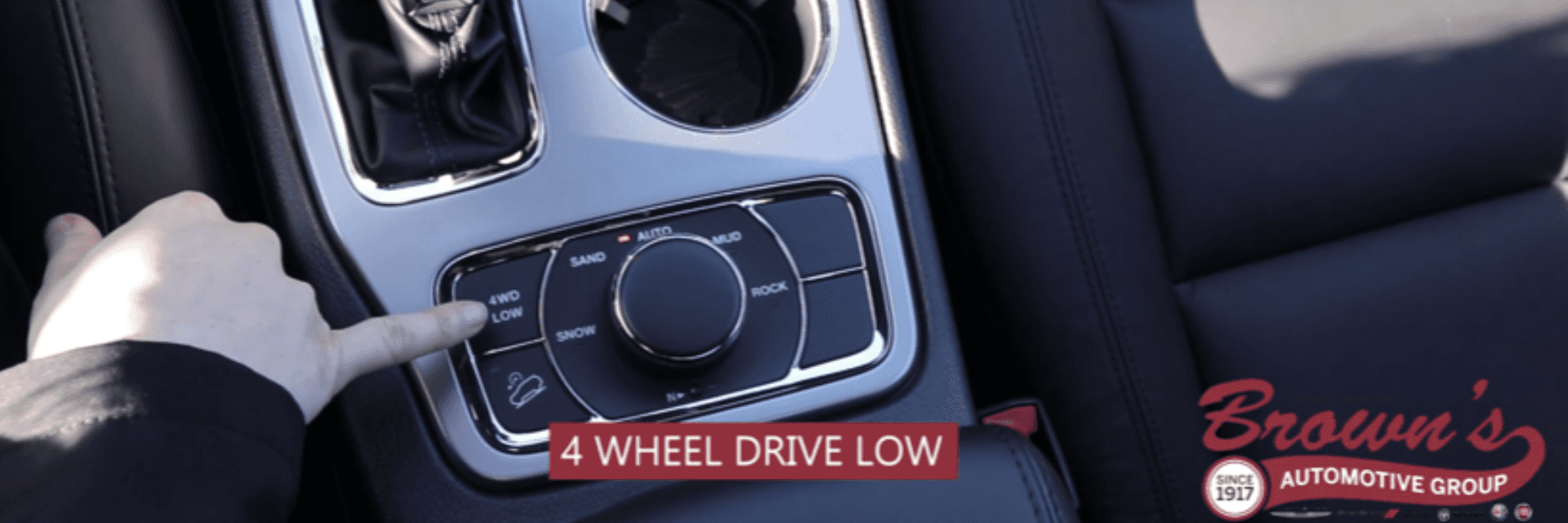
Most Jeep Grand Cherokees use a dashboard dial to manage 4WD settings. This dial is usually near the gear shift on the center console. It has clear labels such as “Auto,” “Snow,” “Sand/Mud,” and “Rock.” Some models also include buttons for locking the 4WD or activating low-range gears. These controls light up when engaged, helping you confirm the mode.
Understanding The Select-terrain System
The Select-Terrain system adjusts the Jeep’s traction and power for different surfaces. It uses the same dial and lets you pick modes like Auto, Snow, Sand/Mud, and Rock. Each mode changes how the vehicle handles and sends power to the wheels. For example, Sand/Mud allows some wheel slip to keep momentum on loose ground. This system makes driving easier and safer across tough conditions.
Engaging 4wd High
Engaging 4WD High in your Jeep Grand Cherokee improves traction on slippery roads. It distributes power evenly to all wheels for better control. Use 4WD High on wet, snowy, or gravel surfaces. This mode keeps your speed steady while enhancing grip. Understanding how to activate it is key to driving safely off-road or in tough conditions.
Step-by-step Activation
Start by stopping or slowing your Jeep to under 55 mph. Turn the 4WD control dial to the “4WD High” position. No need to shift into Neutral for most models. Wait a few seconds for the system to engage. You may feel a slight shift or hear a noise as power transfers. Drive normally once the 4WD High light turns solid. Avoid using 4WD High on dry pavement to prevent drivetrain damage.
Indicator Lights To Watch
Watch the instrument panel for the 4WD High indicator light. It usually shows a symbol of a four-wheel-drive vehicle or the words “4WD High.” The light flashes briefly during engagement. It stays solid when 4WD High is active. If the light blinks continuously, check for system issues. Consult your owner’s manual or a mechanic if problems persist. Always confirm the light before driving in challenging conditions.

Switching To 4wd Low
Switching to 4WD Low in your Jeep Grand Cherokee provides maximum traction and power. This mode is ideal for tough off-road conditions or steep climbs. It reduces your vehicle’s speed while increasing torque.
Understanding how to engage 4WD Low safely helps avoid damage to the drivetrain. Follow the correct steps to ensure smooth operation and control.
Speed And Gear Requirements
Shift your Jeep to Neutral (N) before engaging 4WD Low. Your vehicle must be stopped or moving very slowly, usually under 3 mph. This prevents gear grinding and protects the transfer case.
Do not use 4WD Low at high speeds. It is designed for low-speed driving only. Use it on rough trails, mud, sand, or steep hills.
Procedure For Engaging 4wd Low
First, bring your Jeep to a complete stop or slow speed below 3 mph. Shift the transmission into Neutral (N).
Turn the 4WD selector dial to the 4WD Low position. You will see the indicator light flash and then stay solid on the dashboard.
Once engaged, shift the transmission back to Drive (D) or Reverse (R) to continue driving. Use 4WD Low only when necessary and switch back to regular 4WD or 2WD for normal driving.
Using Terrain Modes
The Jeep Grand Cherokee offers a smart way to handle different road conditions using terrain modes. These modes change how the vehicle distributes power to the wheels. This helps improve traction and control. Using the right mode makes driving safer and easier. You can switch modes with a simple dial near the center console. Each mode suits a specific driving surface or condition.
Auto Mode For Daily Driving
Auto mode adjusts the drivetrain for normal roads. It senses the surface and sends power to the wheels that need it most. This mode works well for city streets and highways. It provides smooth driving and saves fuel. No need to change settings for everyday driving.
Snow Mode For Slick Roads
Snow mode helps you drive on icy or snowy roads. It lowers wheel spin by controlling power delivery. The system adjusts throttle and braking to keep the vehicle steady. This mode improves traction and reduces slipping. Use Snow mode to stay safe on slick surfaces.
Sand And Mud Mode For Loose Surfaces
Sand and Mud mode handles soft, loose terrain. It allows some wheel slip to maintain momentum. The throttle response changes to avoid getting stuck. This mode helps the Jeep push through sand, mud, or dirt. It controls traction to keep you moving forward.
Shifting Back To 2wd
Knowing how to shift back to 2WD in your Jeep Grand Cherokee is important. It helps save fuel and reduces wear on the drivetrain. Switching between 4WD and 2WD is simple but must be done correctly. This ensures smooth driving and prevents damage to your vehicle.
When To Disengage 4wd
Disengage 4WD on dry, paved roads. Using 4WD on smooth surfaces causes extra tire and drivetrain wear. It also lowers fuel efficiency. Switch back to 2WD once traction needs lessen. Good examples include city streets and highways. Avoid 4WD use in normal driving conditions. Only engage 4WD when grip is low or off-road conditions exist.
Steps To Return To 2wd
First, bring your Jeep to a complete stop or drive slowly. Next, shift the transfer case dial or lever to 2WD mode. Wait for the 4WD indicator light to turn off on the dashboard. This confirms the system has disengaged. Finally, resume normal driving in 2WD. Do not force the shift. Allow the mechanism to complete the change smoothly to avoid damage.
Troubleshooting 4wd Issues
Troubleshooting 4WD issues in your Jeep Grand Cherokee can save time and money. Understanding common problems helps you fix them quickly. This section guides you through typical 4WD problems and when you need expert help.
Common Problems And Fixes
One common issue is the 4WD system not engaging. This can happen if the vehicle is not in Neutral before switching modes. Make sure to shift the transmission to Neutral, then select the 4WD mode. Wait for the indicator light to stay solid before driving.
Another problem is the 4WD indicator flashing constantly. This may mean the system is struggling to engage due to low battery voltage or faulty sensors. Check the battery and connections first. Replace any damaged fuses or wiring to restore proper function.
If your Jeep feels unstable or noisy in 4WD, inspect the drivetrain for worn parts. Worn axles, driveshafts, or differentials can cause rough operation. Lubricate moving parts and replace any damaged components promptly to avoid further damage.
When To Consult A Mechanic
Consult a mechanic if the 4WD system still fails after basic fixes. Persistent warning lights or strange noises need professional diagnosis. Complex issues with the transfer case or electronic controls require specialized tools.
Also, if the 4WD engages but the vehicle pulls to one side, it indicates a mechanical problem. A trained technician can check alignment and drivetrain parts to ensure safe operation.
Regular maintenance checks help prevent 4WD failures. A mechanic can inspect seals, fluids, and electronics. Early detection avoids costly repairs and keeps your Jeep ready for any terrain.
Maintenance Tips For 4wd
Maintaining your Jeep Grand Cherokee’s 4WD system ensures reliable performance and safety. Regular care prevents costly repairs and keeps the drivetrain responsive. Simple checks and fluid maintenance extend the lifespan of your 4WD components. Follow these tips to keep your vehicle ready for any terrain.
Regular System Checks
Inspect the 4WD system frequently. Look for unusual noises or vibrations while driving. Test the engagement of 4WD modes to confirm smooth operation. Check the transfer case and differentials for leaks or damage. Pay attention to warning lights on the dashboard related to 4WD. Early detection of issues avoids serious problems on the road.
Fluid And Component Care
Change the transfer case and differential fluids as recommended by Jeep. Use the correct type of fluid specified in the owner’s manual. Check fluid levels regularly to avoid running dry. Clean and lubricate moving parts to prevent rust and wear. Replace worn-out seals and gaskets to stop leaks. Proper fluid care keeps the 4WD system running smoothly and quietly.

Frequently Asked Questions
How To Turn On Jeep Grand Cherokee 4wd?
Shift the transmission to Neutral. Turn the 4WD mode dial to the desired setting. Wait for the indicator light to stay solid. Then shift back to Drive.
Can You Switch To 4wd While Driving A Jeep Grand Cherokee?
Yes, you can switch to 4WD while driving a Jeep Grand Cherokee. Shift to Neutral, wait for the indicator, then shift to Drive.
Is A Jeep Grand Cherokee 4×4 Always In 4wd?
The Jeep Grand Cherokee 4×4 is not always in 4WD. It uses selectable modes, including Auto, Snow, and Sand/Mud. The system adapts power delivery and traction based on driving conditions. For normal driving, it often operates in rear-wheel drive or automatic mode, engaging 4WD when needed.
How Do I Turn On 4×4 On A Jeep?
Shift your Jeep’s transmission to Neutral. Turn the 4×4 selector dial to the desired mode. Wait for the indicator light to stay solid. Then shift back to Drive and proceed. Always check your owner’s manual for specific model instructions.
Conclusion
Engaging 4WD in your Jeep Grand Cherokee improves traction and control. Shift to Neutral first, then select the desired 4WD mode. Wait for the indicator light before driving. Use Auto mode for everyday driving and Sand/Mud for rough terrain. Always check your owner’s manual for your model’s specifics.
With these steps, you can drive confidently on different surfaces. Practice makes switching smoother and safer. Drive smart and enjoy your Jeep’s capabilities wherever you go.