If your Jeep’s battery dies, you may need to move it. But you can’t shift to neutral in the usual way. This guide will show you how to put your Jeep in neutral with a dead battery safely and quickly.
Whether you drive a Wrangler, Grand Cherokee, or another model, you’ll learn clear steps, plus important safety tips.
Moving a Jeep with a dead battery can sound stressful, but it’s easier than most people think—if you know what to do. Many Jeep owners are surprised the first time this happens, especially in remote places or cold weather. A little preparation and understanding of your Jeep’s setup can make a big difference in solving the problem quickly and safely.
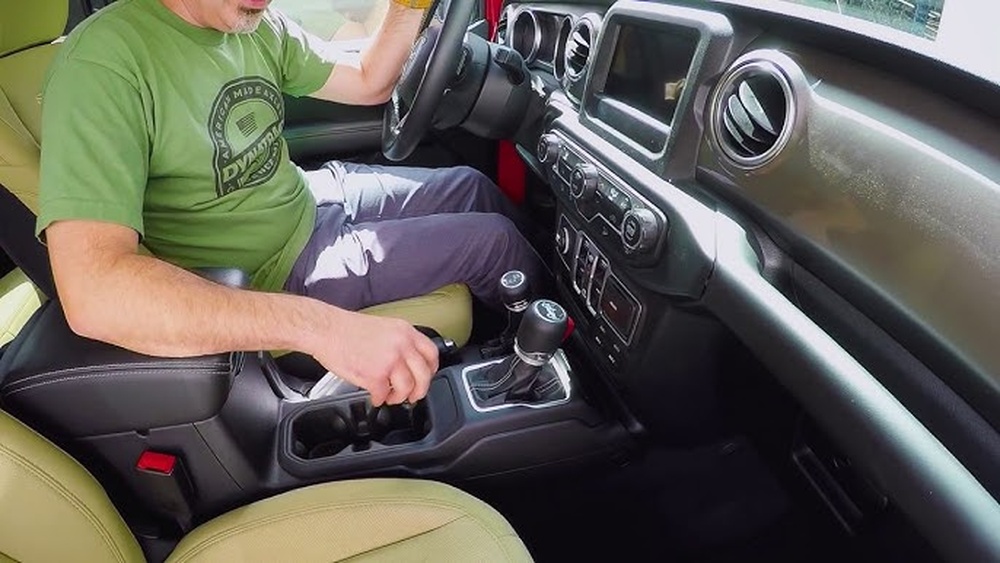
Why You Might Need To Put Your Jeep In Neutral
Jeep owners often face dead batteries after leaving lights on, cold weather, or just an old battery. Sometimes you need to push, tow, or move your Jeep in a parking lot or garage. If the battery is dead, normal shifting won’t work because most modern Jeeps use electronic gear shifters. These shifters need power. Without power, your Jeep stays stuck in Park.
Even if your Jeep is in a relatively safe spot, you may need to move it for a tow truck, to clear a driveway, or to prevent a ticket. Some people need to shift to Neutral so they can roll the Jeep onto a trailer for off-road repairs.
Others simply need to get it out of the way until they can fix the battery. Understanding why and when you might need to do this helps you be ready for emergencies.
Understanding Jeep Transmission Types
Before starting, it’s important to know which transmission type your Jeep has. Different models use different systems. Here’s a quick comparison:
| Model | Year Range | Transmission Type | Neutral Release Method |
|---|---|---|---|
| Wrangler | 2012–2024 | Automatic/Manual | Manual lever or cable |
| Grand Cherokee | 2014–2024 | Electronic Shifter | Electronic override |
| Compass/Patriot | 2010–2023 | CVT/Automatic | Hidden release slot |
Knowing your Jeep’s setup is key. If you’re unsure, check your owner’s manual or search the model year online.
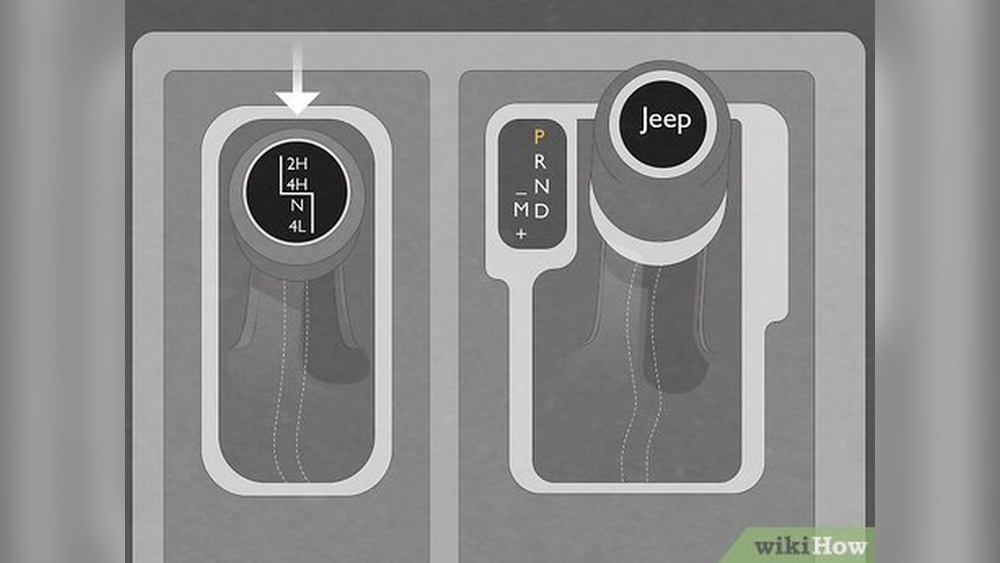
Some Jeeps, especially older ones, have a mechanical shifter that can be moved even without battery power. Newer models, however, use electronic controls that “lock” the gear lever in place when there’s no power. This is why the process to shift to Neutral is different based on your Jeep’s year and model.
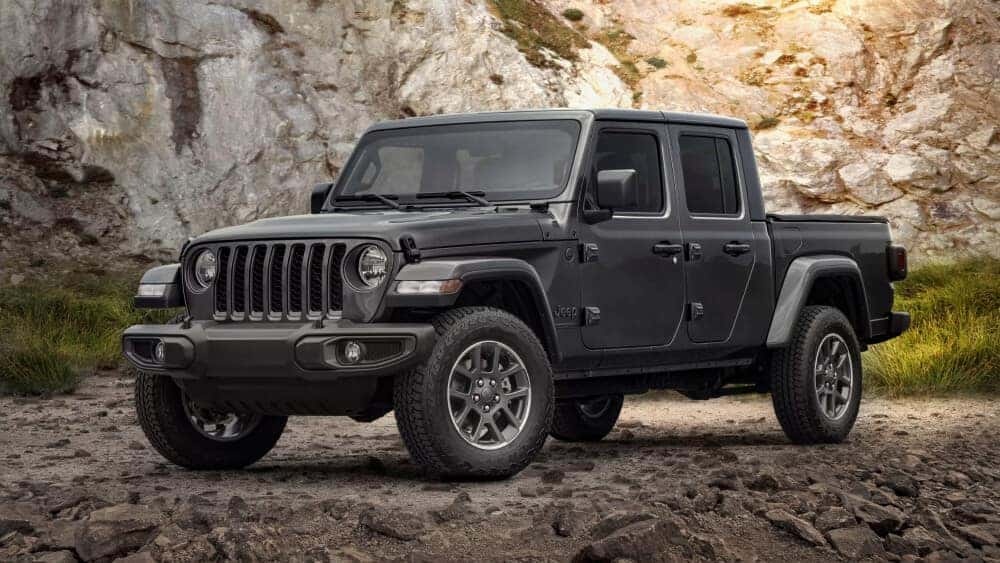
For example, the Jeep Renegade uses a small shift lock release that’s hidden under the shifter boot, while the Gladiator may have a manual lever you can access.
Many drivers overlook this detail and assume all Jeeps use the same system. Taking a moment now to learn your specific model’s setup can save time and reduce stress during an emergency.

Step-by-step Guide: Putting Your Jeep In Neutral With Dead Battery
Most Jeeps have a neutral override or manual release. Here’s how to use them.
1. Locate The Neutral Release (override)
- For many Jeep models, there’s a small cover near the gear shifter.
- Look for a plastic tab or slot labeled “Shift Lock” or “Neutral Override.”
- If you don’t see it, check under the center console.
This slot is often easy to miss, especially if you’ve never used it before. In some Jeeps, it might be covered by a small removable panel or a rubber plug. Check carefully around the base of the shifter—sometimes you need to move the shifter boot or lift a small flap to reveal the slot.
2. Gather Tools
You may need:
- Flathead screwdriver or a key
- Flashlight (if it’s dark)
- Gloves (optional for comfort)
A flashlight is very helpful at night or in a dim garage. A plastic trim tool works too and reduces the chance of scratching your interior. Some people keep a small tool in their glove box for this reason. If you’re in a remote area, even a sturdy stick can sometimes work in place of a screwdriver.
3. Remove The Cover
- Use the screwdriver or key to gently pop off the cover.
- Be careful not to damage the surrounding plastic.
Go slowly—Jeep interiors are tough, but forcing the cover can crack it. If your Jeep is new, take extra care to avoid marks. Many covers simply snap off, but a few might need to be slid aside. If you feel resistance, double-check for hidden clips or fasteners.
4. Activate The Override
- Insert your tool into the slot.
- Press down or push in firmly.
- You’ll feel resistance. Keep pressing until the shifter unlocks.
Depending on your Jeep, you might need to hold the tool in place while you move the shifter. In some models, you’ll hear a faint “click” as the lock releases. This mechanical sound means you’ve done it right.
5. Move The Shifter To Neutral
- While holding the override, move the gear lever from Park to Neutral.
- If it doesn’t budge, press the brake pedal (if possible) or wiggle the lever gently.
Some Jeeps require you to hold the brake pedal while shifting, even without power. If the lever still won’t move, double-check that you’re pressing the override fully. Don’t force it—if it feels stuck, stop and review the steps. For manual transmissions, you can often shift to Neutral directly.
6. Check The Wheels
- Make sure your Jeep is on a flat surface.
- The wheels should roll freely once in Neutral.
Push the Jeep gently to confirm it’s really in Neutral. If the Jeep doesn’t move, the shifter may not be fully unlocked. Always check both the front and rear wheels, especially if you’re on uneven ground.
Wrangler And Grand Cherokee Example
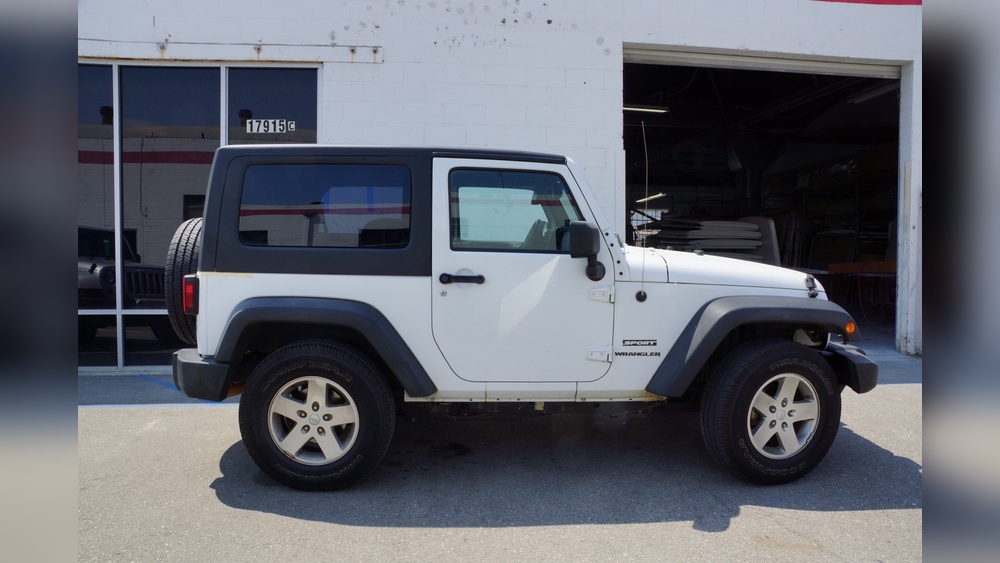
For the Jeep Wrangler (2012–2024), the transfer case lever lets you shift to neutral even if the battery is dead. Pull the lever to “N.” For the Grand Cherokee (2014–2024), use the electronic override near the shifter base.
Some Grand Cherokees require holding the override while gently rocking the shifter. For the Wrangler, shifting the transfer case can sometimes feel stiff—using both hands helps.
Common Mistakes Beginners Make
- Not checking which transmission their Jeep uses.
- Forgetting to set the parking brake before starting.
- Using too much force and breaking the cover.
- Not double-checking the vehicle is in Neutral before moving.
Another mistake: not blocking the wheels if on a slope. If you skip this, your Jeep could roll unexpectedly. Also, avoid using sharp metal objects that might scratch or damage the console.
Safety Tips When Moving A Jeep With Dead Battery
Moving a vehicle without power can be risky. Follow these safety tips:
- Set the parking brake before starting.
- Make sure the area is clear of people and objects.
- Use wheel chocks if working on a slope.
- Never let children or pets near the vehicle.
- If towing, attach tow straps to the correct anchor points.
If you’re unsure, ask a friend for help. Two people are safer than one.
One more tip: wear gloves if you need to push the Jeep, and always push from a safe spot—never from directly behind if you’re on a hill. If you’re using a tow rope or strap, double-check the attachment points. Many Jeeps have built-in tow hooks; using the wrong spot can bend or break parts of the frame.
If you’re on a public road, turn on hazard lights if possible, and use cones or a warning triangle to alert others.
Pros And Cons Of Putting Jeep In Neutral With Dead Battery
Moving your Jeep without power has upsides and downsides.
| Pros | Cons |
|---|---|
| Allows towing or pushing | Risk of vehicle rolling away |
| Saves time | Can damage shifter if done incorrectly |
| Works even without battery | May void warranty if forced |
Another potential drawback is the risk of losing control if you’re not careful, especially on hills. On the plus side, knowing this trick can save you from expensive towing fees or long waits for roadside assistance. But always follow the correct procedure to avoid damaging your Jeep’s transmission or electronics.
How Much Does It Cost To Fix Or Replace Jeep Battery?
If your Jeep’s battery is dead, you may need a new one. Here’s a quick price comparison:
| Battery Type | Average Price (USD) | Warranty |
|---|---|---|
| Standard (Lead-Acid) | $100–$150 | 2–3 years |
| AGM (Absorbent Glass Mat) | $180–$250 | 3–5 years |
| OEM Jeep Battery | $200–$300 | 3–5 years |
Labor costs for installation range from $30–$60 at most shops. DIY saves money, but always follow safety steps.
If your Jeep has extra electronics (like start-stop systems), it may require a more expensive battery. Some auto parts stores will install the battery for free if you buy from them. Always recycle your old battery safely—many shops will take it back for a small credit.

Practical Tips For Beginners
- Always keep a jump starter or battery pack in your Jeep.
- Know where your neutral override is before trouble happens.
- Practice shifting to Neutral in a safe place (with the battery connected).
- If your battery dies often, check for parasitic drains or replace it.
Some Jeep owners install a small label or sticker by the shifter to remind themselves of the override location.
Don’t wait until you’re in a stressful situation to learn this process. Practice at home, so you’ll be ready if you’re ever stranded. If you go off-roading or camping, carrying a portable jump starter can save the day—not just for you, but for other drivers too.
When To Call For Professional Help
If you’re not comfortable with manual overrides or your Jeep doesn’t shift, call for roadside assistance. Some cases need a mechanic, especially with newer electronic shifters.
- If you hear grinding or the shifter won’t move, stop and ask for help.
- Towing companies can safely move your Jeep without causing damage.
With newer Jeeps, some override processes are more complex or hidden. If you’re not sure, don’t risk damaging expensive parts. Professional help is fast and avoids extra costs from mistakes.
Jeep Models With Easy Neutral Release
Certain Jeep models are easier to shift to Neutral when the battery is dead:
- Jeep Wrangler (transfer case lever)
- Jeep Cherokee (manual override slot)
- Jeep Grand Cherokee (electronic override, but requires special steps)
The owner’s manual gives the exact process for your model. For newer models, Jeep’s official website has step-by-step videos and diagrams.
Some models also have clear labels or even color-coded covers, making it easier to find the override. If your Jeep is heavily customized, check that any changes haven’t blocked access to the override slot.
What To Do After Moving Your Jeep
Once you’ve moved your Jeep, fix the dead battery:
- Jump-start using cables or a battery pack.
- Replace the battery if it’s old.
- Check alternator and connections.
If the battery dies again soon, have your charging system checked.
Sometimes, a dead battery is a warning sign of a bigger issue, like a faulty alternator or loose terminal. Regular checks can catch these problems early. If you notice dashboard warning lights, dim headlights, or slow cranking, get your Jeep inspected soon.

Expert Advice: Avoiding Future Dead Battery Problems
Dead batteries are frustrating. Here’s how to lower your risk:
- Turn off lights and accessories every time you park.
- Replace your battery every 3–5 years.
- Keep terminals clean and tight.
- In cold climates, use a battery blanket or park indoors.
Most Jeep owners forget about battery age. If yours is older than three years, test it yearly.
Also, check for corroded battery cables—corrosion can block power and mimic a dead battery. Clean them with a wire brush and apply a protective spray. If you store your Jeep for long periods, disconnect the battery or use a trickle charger to keep it healthy.
Real-world Example
Sarah owns a 2018 Jeep Wrangler. One winter morning, her battery died after leaving the headlights on. She found the neutral override slot under the center console, used a screwdriver, and shifted to Neutral. With her husband’s help, she pushed the Jeep to a safe spot and jump-started it.
She later replaced the battery to prevent future problems.
Sarah mentioned that practicing the override steps at home was helpful. She now keeps a flathead screwdriver and a flashlight in the glove box. Her experience shows that a bit of preparation can turn a stressful moment into a simple fix.
External Resource For More Information
For official Jeep guidance, visit Jeep Official Manuals.
Frequently Asked Questions
How Do I Find The Neutral Override In My Jeep?
Check your owner’s manual or look for a small slot near the gear shifter. Many Jeeps have a labeled cover (“Shift Lock” or “Neutral Override”). For older models, it may be under the center console.
Can I Tow My Jeep With A Dead Battery?
Yes, if you shift to Neutral using the manual or electronic override. Always attach tow straps to the correct anchor points and follow safety steps.
Will Shifting To Neutral Without Battery Damage My Jeep?
If done correctly, it’s safe. Forcing the shifter or ignoring instructions can damage the mechanism. Always use gentle pressure and consult your manual.
What If My Jeep Doesn’t Have A Neutral Override?
Some older or rare models might not. In these cases, professional help is best. Towing companies have tools and experience to move your Jeep safely.
How Can I Prevent My Jeep Battery From Dying?
Turn off all electronics before parking. Replace your battery every 3–5 years. Keep terminals clean, and check for electrical drains. In cold weather, protect the battery.
Meta Title
How To Put Jeep In Neutral With Dead Battery: Step-by-Step Guide
Meta Description
Learn how to put your Jeep in neutral with a dead battery. Easy steps, safety tips, real examples, and answers to common questions. Move your Jeep safely and avoid damage.