How To Use 4 Wheel Drive In A Jeep Wrangler
Driving a Jeep Wrangler can be a lot of fun, especially when you know how to use its 4 wheel drive system. Whether you are new to off-roading or just bought your first Wrangler, understanding 4WD can help you stay safe and get the best performance. Many beginners are unsure when and how to switch between the different drive modes. This guide explains everything in simple English, with clear steps, real examples, and honest advice. By the end, you’ll know exactly how to use 4 wheel drive in a Jeep Wrangler, which mode to use, and what mistakes to avoid.
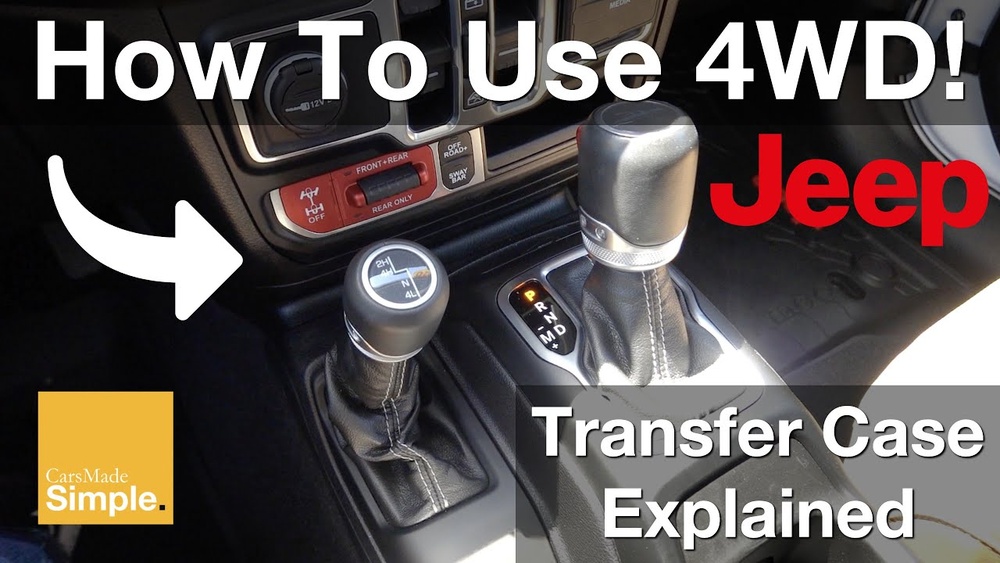
What Is 4 Wheel Drive In A Jeep Wrangler?
The 4 wheel drive (4WD) system in a Jeep Wrangler allows power to go to all four wheels at once. This gives you better traction on rough, slippery, or loose surfaces. Unlike many SUVs, Wranglers have a true part-time 4WD system. You can choose between 2WD and 4WD, depending on the road and conditions.
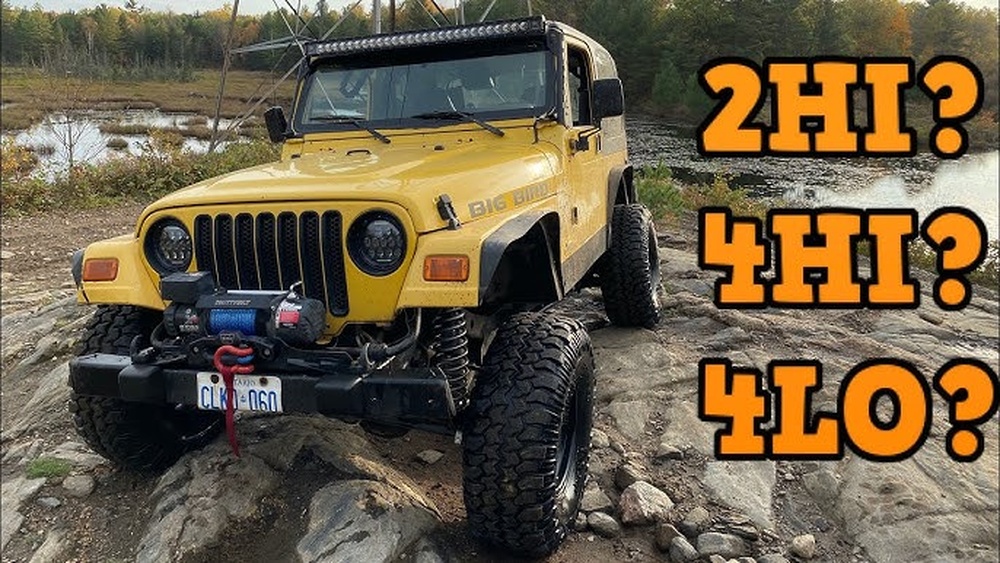
There are four main settings:
- 2H (Two High)
- 4H (Four High)
- N (Neutral)
- 4L (Four Low)
Each mode is designed for different driving situations. Using the wrong mode can damage your Jeep or make driving harder. Let’s look at each setting in detail.
2h (two High): Everyday Driving
2H is the default setting for most driving. In this mode, only the rear wheels get power. This is best for normal roads, highways, and dry conditions.
When To Use 2h
- Driving on paved roads or highways
- Dry, smooth surfaces
- City or daily commuting
How To Use 2h
- Make sure your Wrangler is in 2H before you start driving.
- If you are switching from 4WD back to 2H, slow down to under 55 mph (88 km/h).
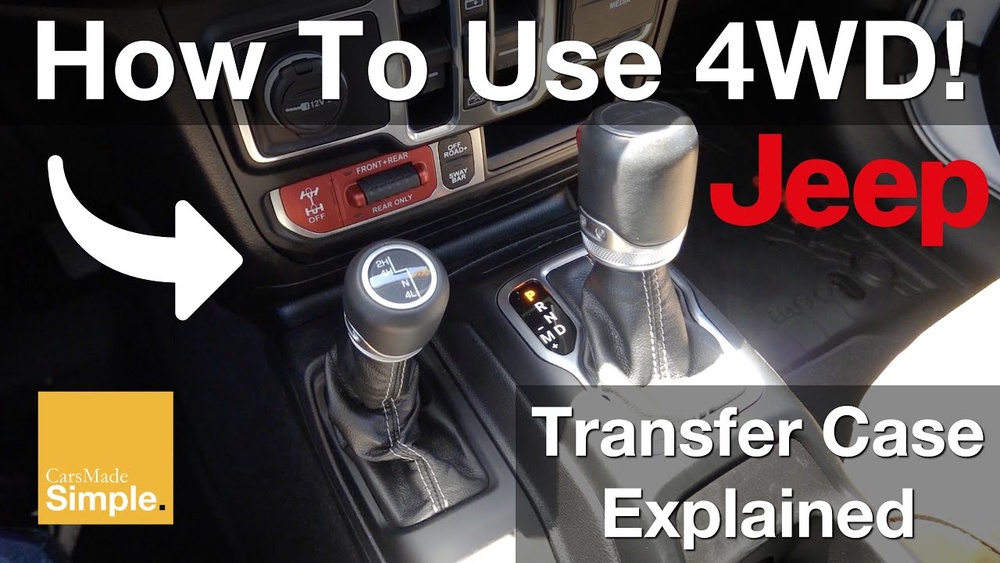
- Move the transfer case lever or dial to 2H. You can do this while driving at low speed.
- Wait for the indicator light to show you’re in 2H.
Pros And Cons Of 2h
Pros:
- Best fuel economy
- Less wear on parts
- Smooth handling
Cons:
- No extra traction on slippery or loose surfaces
Beginner tip: Many drivers forget to switch back to 2H after using 4WD. Driving in 4WD on dry pavement causes extra wear and can damage the system.
4h (four High): For Slippery Roads
4H sends power to all four wheels. This is great for when you need more grip but still want to drive at normal speeds.
When To Use 4h
- Snowy or icy roads
- Rainy, muddy, or sandy surfaces
- Light off-roading (gravel, dirt roads)
How To Use 4h
- Slow down to under 55 mph (88 km/h). For older Wranglers, under 45 mph is safer.
- Move the transfer case lever or dial from 2H to 4H. You can usually do this “on the fly” without stopping.
- Wait for the dashboard light to confirm 4H is active.
Real Example
Imagine you’re driving and it starts to snow. The road feels slippery. Shift to 4H, and you’ll feel the Jeep handle better with more control.
Pros And Cons Of 4h
Pros:
- Better traction on slippery roads
- Safer for mild off-road use
Cons:
- Uses more fuel than 2H
- Not for dry pavement—can cause damage if used too long
Non-obvious insight: Many people think 4H is only for off-road. In fact, it’s perfect for any slippery condition, even city streets after a snowstorm.
N (neutral): For Towing And Emergencies
Neutral (N) disconnects the drivetrain from the wheels. The Jeep can roll, but the engine does not power the wheels.
When To Use Neutral
- Flat towing (pulling your Wrangler behind another vehicle)
- Emergency situations where you need to move the Jeep without starting the engine
How To Use Neutral
- Bring the vehicle to a complete stop.
- Shift the main gear shifter to neutral (N).
- Move the transfer case lever or dial to N.
- Check that the indicator light confirms you are in Neutral.
Pros And Cons Of Neutral
Pros:
- Allows safe towing
- Prevents damage to the transmission during towing
Cons:
- No power to wheels (can’t drive in this mode)
- Not for regular use
Beginner tip: Never drive in Neutral mode. Only use it when towing or if the manual tells you to.
4l (four Low): Maximum Traction And Power
4L is for the toughest situations. It gives maximum torque to all wheels but at low speed. This is useful for steep hills, deep mud, rocks, or sand.
When To Use 4l
- Deep snow, mud, or sand
- Climbing or descending steep hills
- Rock crawling or difficult off-road trails
- Pulling heavy loads at low speed
How To Use 4l
- Stop the vehicle completely or move at 2–3 mph (3–5 km/h).
- Shift the main gear into neutral (N).
- Move the transfer case lever from 4H (or 2H) to 4L. This may take some effort.
- Put the main gear back into drive (D) or first gear (manual).
- Wait for the 4L indicator light.
Real Example
You’re stuck in deep mud. 4L helps your Jeep crawl out with slow, strong power. It’s also great for going down steep, rocky hills without losing control.
Pros And Cons Of 4l
Pros:
- Best traction and control
- Can move slowly over tough terrain
Cons:
- Max speed is about 25 mph (40 km/h)
- Not for regular roads or highways
Non-obvious insight: 4L is not just for climbing—use it for safe, slow descents too. The extra engine braking helps control your speed.
Quick Comparison Of Jeep Wrangler 4wd Modes
To help you choose the right setting, here is a simple comparison of the four modes:
| Mode | When To Use | Max Speed | Fuel Use | Typical Road |
|---|---|---|---|---|
| 2H | Daily driving, dry roads | Highway speed | Low | Paved, smooth |
| 4H | Snow, mud, sand, rain | ~55 mph (88 km/h) | Medium | Slippery or loose |
| N (Neutral) | Towing only | 0 | None | N/A |
| 4L | Off-road, steep hills | ~25 mph (40 km/h) | High | Very rough |

Step-by-step: How To Shift Jeep Wrangler 4wd Modes
Switching between 4WD settings can be confusing at first. Here’s a simple step-by-step guide:
Going From 2h To 4h
- Slow down to below 55 mph (88 km/h).
- Keep the vehicle in drive (automatic) or gear (manual).
- Move the transfer case lever to 4H—no need to stop.
- Check the 4H light on your dashboard.
Going From 4h To 4l (or Back)
- Bring the Jeep to a full stop or crawl at 2–3 mph.
- Shift the main gear to neutral.
- Move the transfer case lever to 4L.
- Wait for the indicator light.
- To return, repeat steps in reverse.
Going Back To 2h
- Slow down.
- Move lever from 4H to 2H while driving.
- For 4L to 2H, stop and shift to neutral first, then to 2H.
Tip: Some Wranglers use a lever, others a rotary dial. The process is almost the same.
Common Mistakes Beginners Make
Even experienced drivers sometimes make these errors:
- Using 4H or 4L on dry pavement. This can cause drivetrain “binding” and damage.
- Forgetting to shift back to 2H after bad weather.
- Trying to shift to 4L while moving fast. Always stop or slow to a crawl.
- Towing in the wrong mode. Always use Neutral for flat towing.
- Ignoring indicator lights. If the 4WD light is blinking, the system is not fully engaged.

Cost And Maintenance Of Jeep Wrangler 4wd
The 4WD system in a Wrangler is strong, but regular care is important:
- Transfer case fluid should be checked every 30,000–60,000 miles.
- Repairs can range from $300 for small parts to $2,000+ for major work.
- Using 4WD correctly helps avoid expensive repairs.
Expert tip: After off-roading, always check for leaks or strange noises. Mud and water can get into parts and cause problems later.
Practical Off-road Tips For Beginners
If you want to try off-roading, here are some simple tips:
- Plan your route. Know the trail and your limits.
- Use 4H for most trails, 4L for tough spots.
- Go slow. Speed causes mistakes.
- Air down your tires (reduce pressure) for more grip on sand or rocks.
- Never go alone. Always tell someone where you’re going.
Comparison: Jeep Wrangler 4wd Vs. Other Suvs
How Does The Wrangler’s 4wd Compare To Other Vehicles?
| Vehicle | 4WD Type | Engagement | Best For |
|---|---|---|---|
| Jeep Wrangler | Part-time 4WD | Manual | Serious off-road |
| Subaru Outback | AWD (Full-time) | Automatic | All-weather roads |
| Ford Explorer | Automatic 4WD | Electronic | Light off-road |
| Toyota 4Runner | Selectable 4WD | Manual/Electronic | Off-road & city |
Insight: The Wrangler’s manual, part-time 4WD is less convenient for daily use but much stronger for real off-road adventures.
Where To Learn More
For more detailed information, the official Jeep Off-Road Guide is a great resource.
Wrapping Up
Learning how to use 4 wheel drive in a Jeep Wrangler is not hard, but it takes practice. Each mode—2H, 4H, Neutral, and 4L—has a clear purpose. Use 2H for everyday driving, 4H for slippery roads, Neutral for towing, and 4L for the toughest terrain. Always shift slowly and check your indicator lights. With these skills, you’ll get the most out of your Wrangler, stay safe, and avoid costly repairs. Happy driving!
Frequently Asked Questions
How Fast Can You Drive In 4h In A Jeep Wrangler?
You can safely drive up to about 55 mph (88 km/h) in 4H, but it’s best to go slower if the road is very slippery. Always switch back to 2H when the road is clear.
Can You Shift Into 4wd While Moving?
Yes, you can shift from 2H to 4H while driving at low speeds (below 55 mph). To shift into 4L, you must stop or move very slowly and shift the main gear to neutral first.
Will Using 4 Wheel Drive Hurt My Jeep On Dry Pavement?
Yes, using 4H or 4L on dry roads can cause drivetrain binding and damage. Only use 4WD on slippery, loose, or off-road surfaces.
Do All Jeep Wranglers Have 4 Wheel Drive?
Almost all Jeep Wranglers come with part-time 4WD. Some special models have full-time 4WD, but the most common system lets you choose between 2H, 4H, and 4L.
How Often Should I Service My Wrangler’s 4wd System?
Check the transfer case fluid every 30,000–60,000 miles. If you off-road often, inspect after each trip. Regular care prevents expensive repairs and keeps your 4WD working smoothly.