Opening the hood on a Jeep Liberty is a simple skill, but it can be confusing if you’ve never done it before. Whether you want to check the oil, fill windshield washer fluid, or inspect the engine, knowing how to pop the hood is essential.
Many first-time Jeep Liberty owners feel unsure, especially if they’re used to different vehicles. This guide will walk you through the process, point out common mistakes, and help you avoid frustration. You’ll also learn what to do if the hood release is stuck or broken.
Let’s get started so you can open your Jeep Liberty hood with confidence.
Why It’s Important To Know How To Pop The Hood
Every car owner should know how to open the hood. The Jeep Liberty is no exception. Regular checks under the hood help keep your SUV running smoothly. Here’s why opening the hood matters:
- You can check engine oil and other fluids regularly.
- It allows for quick visual inspections to spot leaks or damage.
- You can jump-start your battery when needed.
- It’s the first step before any basic maintenance or repair.
If you don’t know how to open the hood, small issues can become big problems. For example, running low on oil or coolant can cause engine damage. That’s why learning this basic skill is so valuable.
Step-by-step Guide: How To Pop The Hood On A Jeep Liberty
Opening the hood on a Jeep Liberty is straightforward once you know the steps. This guide works for most model years, including 2002–2012.
1. Park Safely And Turn Off The Engine
- Park your Jeep on a flat surface.
- Engage the parking brake.
- Turn off the engine and remove the keys.
Tip: Let the engine cool for at least 10 minutes before opening the hood. This prevents burns from hot parts.
2. Locate The Hood Release Lever
- Sit in the driver’s seat.
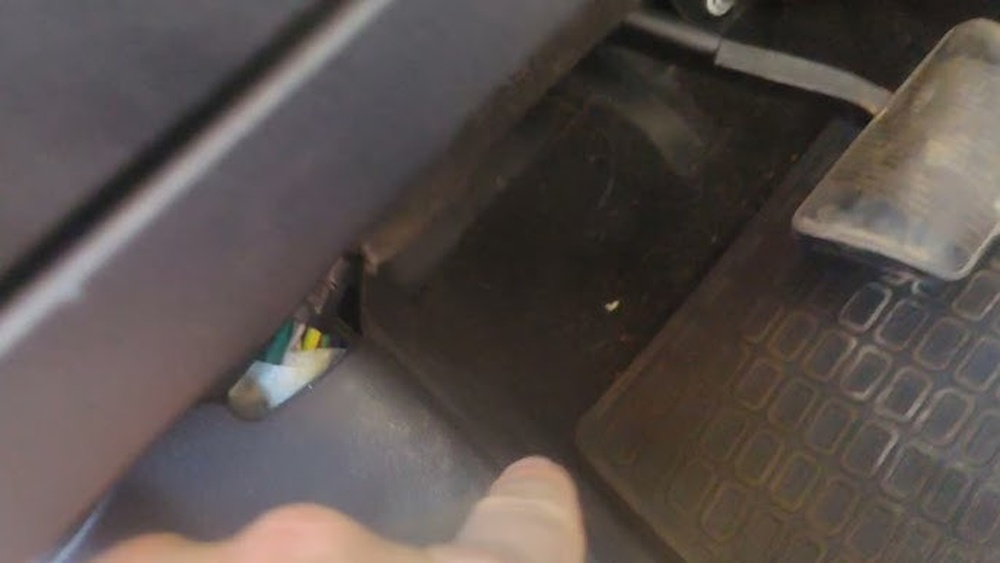
- Look under the dashboard, on the left side near the door.
- You’ll find a black lever with a small picture of a car with an open hood.
Non-obvious insight: Many beginners confuse the hood release with the fuel door lever. The hood lever has a hood icon; the fuel lever has a gas pump icon.
3. Pull The Hood Release Lever
- Grip the lever and pull it toward you.
- You’ll hear a click from the front of the vehicle.
- This releases the primary latch but does not open the hood fully.
4. Move To The Front Of The Vehicle
- Walk to the front of your Jeep Liberty.
- The hood will be slightly raised, but still latched.
5. Find The Safety Latch
- Slide your fingers under the center front edge of the hood.
- Feel for a small latch or lever (usually just left of center).
- Push the latch to the side (left or right, depending on year).
Common mistake: Many people try to lift the hood without moving the safety latch. Always push or pull the latch to unlock it.
6. Lift The Hood
- With the safety latch released, lift the hood.
- Hold the hood up with one hand.
7. Secure The Hood With The Prop Rod
- Find the prop rod under the hood (usually clipped near the front).
- Lift the rod and place it into the designated hole on the underside of the hood.
- Make sure the hood is secure before letting go.
Step-by-step Summary Table
Here’s a quick reference for the entire process:
| Step | Action | Details |
|---|---|---|
| 1 | Park and turn off engine | Flat surface, parking brake, engine cool |
| 2 | Find hood release lever | Left side under dashboard |
| 3 | Pull lever | Hear a click from hood |
| 4 | Go to front of vehicle | Hood slightly raised |
| 5 | Release safety latch | Slide fingers, push latch to side |
| 6 | Lift hood | Hold with one hand |
| 7 | Secure prop rod | Place rod in hole under hood |
Jeep Liberty Hood Release: Key Differences By Model Year
The basic process is the same for most Jeep Liberty models, but small details may change depending on the year. Here’s how the hood release system varies:
| Model Year | Hood Release Location | Prop Rod Location | Notes |
|---|---|---|---|
| 2002–2007 | Left under dash | Front, near grille | Straightforward design |
| 2008–2012 | Left under dash | Front, near headlight | Safety latch sometimes stiffer |
Tip: For some 2012 models, the safety latch may be positioned more toward the right. If you can’t find it, move your hand slowly across the front edge until you feel a metal lever.
What To Do If The Hood Won’t Open
Sometimes, the hood on a Jeep Liberty gets stuck. This can happen if the release cable is old, if the latch is rusty, or if the lever inside the cabin is broken. Here are some solutions:
If The Hood Release Lever Feels Loose
- Gently pull and release the lever several times.
- Ask a helper to press down on the hood while you pull the lever. Sometimes this helps release a sticky latch.
- If the lever is still loose, the release cable may be disconnected or broken.
If The Safety Latch Is Jammed
- Apply a small amount of penetrating oil (like WD-40) to the latch area.
- Wait a few minutes, then try again.
- Tap lightly on the hood above the latch with your palm—not hard enough to dent, just enough to loosen it.
If Nothing Works
- Don’t use force. Pulling too hard can damage the cable or lever.
- Visit a mechanic or body shop for professional help.
- In rare cases, the front grille may need to be removed to reach the latch.
Non-obvious insight: Regularly lubricate the hood latch with light oil during oil changes. This simple habit prevents most hood release problems.

Pros And Cons Of Jeep Liberty Hood Release System
The hood release design on the Jeep Liberty is simple, but it does have advantages and disadvantages. Here’s how it compares:
| Pros | Cons |
|---|---|
| Easy to reach lever | Cable can stretch or break with age |
| Clear safety latch for extra security | Latch can rust or stick if not lubricated |
| Affordable replacement parts | Prop rod can be awkward for some users |
Practical tip: If your hood release cable is old, consider replacing it before it fails. The part usually costs $20–$40, and most mechanics can install it quickly.
How Much Does It Cost To Repair A Jeep Liberty Hood Release?
If your hood release stops working, repairs are usually affordable. Here are typical price ranges in the US:
- Hood release cable replacement: $20–$50 for the part, $50–$100 for labor.
- Latch replacement: $15–$30 for the part, $40–$80 for labor.
- DIY repair: Most beginners can replace the cable or latch in 1–2 hours with basic tools.
Note: Prices can vary depending on your location and vehicle year. Always ask for a quote before any repair.

Common Mistakes When Opening The Jeep Liberty Hood
Beginners often run into problems the first time they try to pop the hood. Here are the most frequent mistakes and how to avoid them:
- Pulling the wrong lever: Make sure to use the hood release, not the fuel door lever.
- Forgetting the safety latch: After pulling the inside lever, always release the safety latch at the front.
- Trying to force the hood: If it doesn’t open easily, don’t use extra force. Check for a stuck latch or cable instead.
- Not securing the hood: Always use the prop rod to keep the hood up. Never trust the hood to stay open on its own.
- Touching hot engine parts: Let the engine cool before you open the hood to avoid burns.
Extra Tips For Beginners
- If you’re unsure, watch a YouTube video for your Jeep Liberty’s model year to see the process in action.
- Keep a small flashlight in your glove box. It helps if you need to find the release lever at night.
- Mark the hood release lever with colored tape if you share the car with new drivers.
- Check your owner’s manual for diagrams and extra tips.
Expert advice: If you plan to work under the hood often, consider buying a hood lift support kit. These replace the prop rod and hold the hood up automatically, making basic maintenance much easier.

Jeep Liberty Vs. Other Suvs: Hood Release Comparison
How does the Jeep Liberty’s hood release compare to similar SUVs? Here’s a quick look:
| Vehicle | Hood Release Lever Location | Prop Rod or Struts | Difficulty Level |
|---|---|---|---|
| Jeep Liberty | Left under dash | Prop rod | Easy |
| Ford Escape | Left kick panel | Prop rod or struts (varies) | Easy |
| Toyota RAV4 | Left under dash | Struts | Very Easy |
| Honda CR-V | Left under dash | Prop rod | Easy |
Insight: Some newer SUVs use gas struts instead of prop rods. These make it easier to hold the hood up, but can be more expensive to replace.
When To Call A Mechanic
While opening the hood is a basic task, sometimes a stuck latch or broken cable requires professional help. Call a mechanic if:
- The inside lever is loose or does nothing.
- The safety latch won’t move even after applying oil.
- You hear a snapping sound when pulling the release lever.
Trying to force the hood can cause expensive damage. A mechanic can open the hood safely and replace any broken parts.
For more detailed technical diagrams, you can check the official Jeep Liberty resource on Wikipedia.
Frequently Asked Questions
How Do I Know If The Hood Is Properly Closed?
Lower the hood to about 12 inches above the latch, then let it drop. You should hear a solid click. Gently pull up to confirm it’s locked. Never drive with the hood partially open.
Can I Open The Hood If The Release Cable Is Broken?
It’s difficult but possible. You may need to reach the latch through the front grille or from underneath the vehicle. Most people should ask a mechanic for help to avoid damage.
What Should I Do If The Hood Release Lever Is Missing?
Replacement levers are easy to order online or from a dealership. Until you get a new one, use pliers to grip the cable under the dashboard and pull gently.
Is It Safe To Drive If The Hood Won’t Close Fully?
No. A partially closed hood can fly open while driving, blocking your view and causing an accident. Always fix any hood latch problems before driving.
How Often Should I Lubricate The Hood Latch?
Lubricate the hood latch every six months or during each oil change. This keeps it moving smoothly and prevents sticking.
Opening the hood on your Jeep Liberty is a simple but important skill. Following these steps, you can pop the hood safely, avoid common mistakes, and keep your vehicle in good shape. Regular checks under the hood help prevent bigger problems and keep you confident as a car owner.
If you run into trouble, don’t hesitate to ask for help or see a professional. With practice, you’ll find the process quick and easy every time.