Many people want a car that will last for years. The Jeep Cherokee is a popular SUV, but drivers often ask, “How long does a Jeep Cherokee last?” If you are thinking about buying one or already own it, you want to know if it’s a good investment. Understanding how many miles or years you can expect from your Jeep Cherokee helps you plan your budget and avoid unexpected problems.
In this article, you’ll learn how long a Jeep Cherokee can last, what affects its lifespan, and how you can help it last longer. We’ll also compare it to other SUVs, show common problems, share real owner experiences, and answer the most asked questions.
Let’s get started so you can make a smart decision about your next vehicle.
Average Lifespan Of A Jeep Cherokee
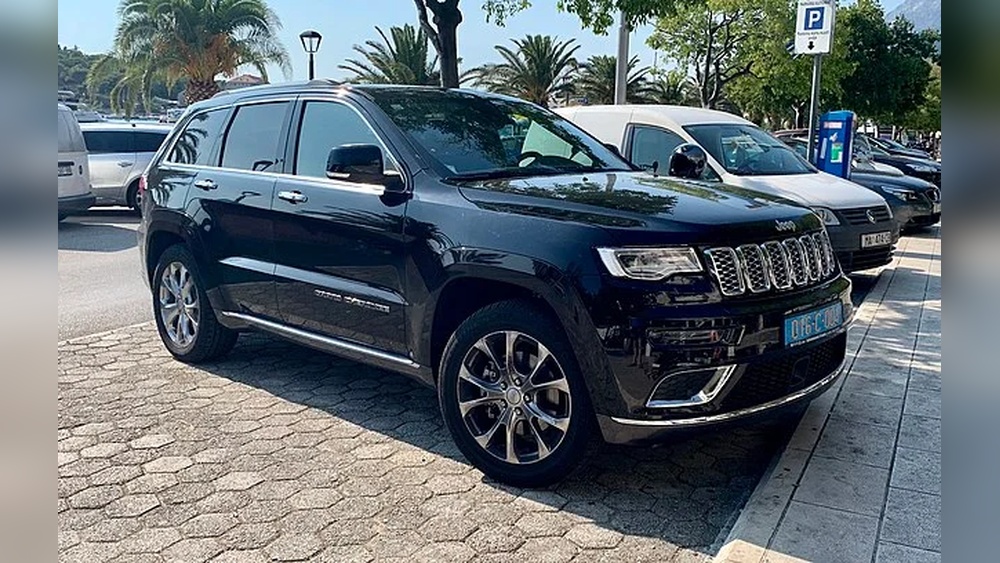
The Jeep Cherokee is known for its strong build and off-road ability. On average, a well-maintained Jeep Cherokee can last between 150,000 and 250,000 miles. This means many Cherokees are still running after 10 to 20 years, depending on how much they are driven each year.
Some owners report their Cherokees reaching over 300,000 miles, but this is less common. Most drivers start to see bigger repairs after 200,000 miles. The lifespan can also depend on the model year and how the vehicle was used. For example, Cherokees used mainly for city driving with regular maintenance often last longer than those used for heavy off-roading or towing.
Real-world Example
- A 2012 Jeep Cherokee with regular oil changes and careful driving reached 220,000 miles before needing a major transmission repair.
- A 2017 model, mainly used for family trips and with full service records, crossed 180,000 miles with only minor issues.
Factors That Affect Jeep Cherokee Longevity
Many things can change how long your Jeep Cherokee lasts. Here are the main factors:
- Maintenance – Regular oil changes, brake checks, and tire rotations keep the engine and parts in good shape.
- Driving habits – Smooth driving, gentle braking, and avoiding harsh conditions add years to your vehicle.
- Climate – Salt from winter roads can cause rust, while very hot places can wear out rubber parts faster.
- Model year and engine type – Newer models and engines often have better technology for durability.
- Road conditions – Paved roads are easier on your SUV than rough, off-road trails.
Common Mistakes That Shorten Lifespan
- Ignoring check engine lights or strange noises
- Skipping scheduled maintenance
- Using cheap or wrong engine oil
- Overloading or towing too much weight
A simple rule: take care of your Cherokee, and it will take care of you.
Jeep Cherokee Vs Other Suvs: Lifespan Comparison
How does the Jeep Cherokee’s lifespan compare with similar SUVs? Here is a quick look:
| Model | Average Lifespan (miles) | Known for Reliability? |
|---|---|---|
| Jeep Cherokee | 150,000–250,000 | Yes (with maintenance) |
| Toyota RAV4 | 200,000–300,000 | Very reliable |
| Honda CR-V | 200,000–300,000 | Very reliable |
| Ford Escape | 150,000–250,000 | Average |
| Chevrolet Equinox | 150,000–200,000 | Average |
Toyota and Honda SUVs usually last a bit longer, but the Jeep Cherokee is close if you maintain it well. A unique advantage of the Cherokee is its off-road capability, which many rivals do not match.
Common Problems And How They Affect Longevity
No vehicle is perfect. The Jeep Cherokee has some common issues that can affect its lifespan if not fixed early.
Transmission Issues
Some model years, especially 2014–2015, have reported transmission problems. Delays in shifting or rough gear changes can lead to costly repairs if ignored.
Electrical Problems
Cherokees have modern electronics. Problems with the infotainment system, sensors, or wiring can happen, especially in older models.
Engine Concerns
Certain engines, like the 2. 4L Tigershark, may use oil faster than expected. Running low on oil can cause engine damage.
Suspension And Steering
If you hear clunks or feel looseness, check the suspension. Worn parts can make the ride rough and unsafe.
Rust
Older Cherokees, especially in cold climates, can have rust problems on the underbody. Rust can weaken the frame and suspension over time.
Quick Look: Common Jeep Cherokee Problems By Year
| Model Year | Main Problems | Estimated Repair Cost |
|---|---|---|
| 2014–2015 | Transmission, electrical | $1,200–$4,000 |
| 2016–2018 | Engine oil use, sensors | $300–$2,000 |
| 2019–2022 | Minor electronics | $100–$800 |
Tip: Always check the model year and service history before buying a used Cherokee.
Maintenance Tips To Help Your Jeep Cherokee Last Longer
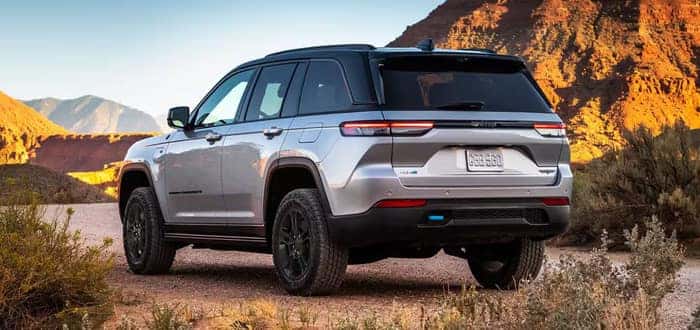
You can help your Jeep Cherokee reach the high end of its lifespan by following these tips:
- Change the oil and filter every 5,000–7,500 miles (check your manual)
- Rotate tires every 6,000–8,000 miles
- Replace air filters every 15,000–30,000 miles
- Check and top off fluids regularly (brake, transmission, coolant)
- Inspect brakes and suspension each year
- Wash and wax the SUV to protect against rust, especially after winter
- Listen for new noises and fix problems early
Advanced Tips Most Owners Miss
- Flush the transmission fluid every 60,000 miles, even if the manual says “lifetime fluid.” This keeps the transmission smooth and avoids costly repairs.
- Use OEM (original equipment manufacturer) parts for replacements. Cheaper parts may not last as long and can cause new problems.
Cost Of Ownership And Repair
Buying and keeping a Jeep Cherokee running is an important part of the total value. Here’s what you can expect:
Purchase Price
- New Jeep Cherokee: $35,000–$45,000 (2024 models, depending on trim)
- Used Jeep Cherokee (5 years old, average condition): $16,000–$23,000
Yearly Maintenance And Repair
- Oil changes: $50–$100 each, 2–3 times a year
- Brakes: $250–$500 (every 40,000–60,000 miles)
- Tires: $600–$1,000 (every 40,000–50,000 miles)
- Major repairs (transmission, engine): $1,500–$4,000 (usually after 150,000 miles)
Insurance And Gas
- Average insurance: $1,300–$1,700/year (varies by age, location)
- Fuel economy: 20–29 mpg (city/highway, depends on engine and year)
A Jeep Cherokee is not the cheapest SUV to own, but it offers a good mix of ability and comfort.
Real Owner Experiences
Reading stories from real owners gives you a clearer picture of how long the Jeep Cherokee lasts in the real world.
- Mike, Colorado: “My 2015 Cherokee has 210,000 miles. I take it to the mountains often. I do oil changes every 6,000 miles and fix problems right away. Still going strong.”
- Sara, Ohio: “My 2010 model is still smooth at 185,000 miles. I had to replace the transmission at 160,000, but the rest of the car is solid.”
- James, Florida: “Bought my 2018 Cherokee used with 60,000 miles. I keep up with maintenance, and at 130,000 miles, it feels like new.”
One insight many beginners miss: regular maintenance is more important than the brand. Even the most reliable Cherokee will break down early if it’s not serviced on time.
Pros And Cons Of Jeep Cherokee Longevity
Understanding the strong and weak points of the Jeep Cherokee helps you decide if it fits your needs.
Pros
- Good for 200,000+ miles with care
- Excellent off-road ability
- Comfortable for families and long drives
- Strong resale value if well maintained
Cons
- Some years have costly transmission/electrical issues
- Higher maintenance costs than small crossovers
- Not as fuel efficient as some competitors
If you need an SUV that can handle dirt, snow, and daily life, the Cherokee is a solid choice.
Is A Jeep Cherokee A Good Long-term Buy?
If you want a vehicle for at least 10 years, the Jeep Cherokee can be a good pick. It is important to choose a well-maintained used model or buy a new one and follow a strict service plan.
Choose the right engine and trim for your needs. The V6 engine is often more reliable than the smaller turbo or 2. 4L engines. Avoid early models with known transmission problems unless they have been fixed.
A Jeep Cherokee is ideal for drivers who want a mix of daily comfort and adventure. It may cost more to maintain than a sedan, but many owners feel it is worth it for the extra capability and style.
For more details about the Jeep Cherokee’s history and specifications, visit the official Jeep Cherokee Wikipedia page.
Frequently Asked Questions
How Many Miles Can A Jeep Cherokee Last With Regular Maintenance?
A Jeep Cherokee can last between 150,000 and 250,000 miles if you follow the recommended maintenance schedule. Some even reach over 300,000 miles with careful care.
What Year Jeep Cherokee Is The Most Reliable?
The 2018 and newer models are often the most reliable, thanks to improvements in engine and transmission design. Older models from 2014–2015 had more transmission and electrical issues.
Is The Jeep Cherokee Expensive To Maintain?
Maintenance costs are average to slightly above average compared to other SUVs. Regular oil changes, brake checks, and fixing problems early can help you avoid major expenses later.
Does The Jeep Cherokee Have Rust Problems?
Cherokees in cold, snowy areas can develop rust under the body, especially if not washed after winter. Regular cleaning and rust protection help prevent this.
Can A Jeep Cherokee Handle Off-road Driving For Many Years?
Yes, the Jeep Cherokee is built for off-road use. With proper maintenance and careful driving, it can handle trails and rough roads for many years.

Meta Title
How Long Does A Jeep Cherokee Last? Real Lifespan, Maintenance & Owner Insights
Meta Description
Discover how long a Jeep Cherokee lasts, real-world mileage, maintenance tips, common problems, and owner experiences. Make a smart choice for your next SUV.