How Long Do Jeep Cherokees Last? Real Lifespan, Costs & Tips
The Jeep Cherokee is a popular SUV known for its rugged design and off-road skills. But if you’re thinking about buying one, you probably have a big question: How long do Jeep Cherokees last? The answer depends on many things, from the way you drive to how well you care for your Jeep. This article will help you understand the real lifespan of Jeep Cherokees, what affects their reliability, and what you can do to make yours last longer. Whether you’re a current owner or just thinking about getting one, you’ll find practical advice, facts, and tips to keep your Cherokee running strong.
Typical Lifespan Of A Jeep Cherokee
Most Jeep Cherokees can last between 150,000 and 250,000 miles if they get regular care. For many drivers, this means 15 to 20 years of use. Some Cherokees even reach 300,000 miles, but this is less common. The exact lifespan depends on the model year, engine type, and, most importantly, how well the SUV is maintained.
Here’s a look at average lifespan by mileage:
| Mileage | Condition | Owner Experience |
|---|---|---|
| 0–100,000 miles | Excellent | Mostly trouble-free, basic maintenance |
| 100,000–150,000 miles | Good | Some repairs needed (brakes, suspension) |
| 150,000–200,000 miles | Fair | Major components may need replacement |
| 200,000+ miles | Variable | High risk of expensive repairs, but some still run well |
Most owners start to see bigger repairs after 150,000 miles, especially if the vehicle was not serviced regularly.
Factors That Affect How Long A Jeep Cherokee Lasts
Many things influence the lifespan of a Jeep Cherokee. Understanding these factors can help you get the most from your SUV.
1. Maintenance Habits
Regular oil changes, brake checks, and fluid replacements make a big difference. Skipping scheduled maintenance can shorten your Cherokee’s life by years.
2. Driving Conditions
Cherokees used for off-roading or in harsh climates often wear out faster. City driving with lots of stop-and-go can also put more stress on parts.
3. Model Year And Engine Type
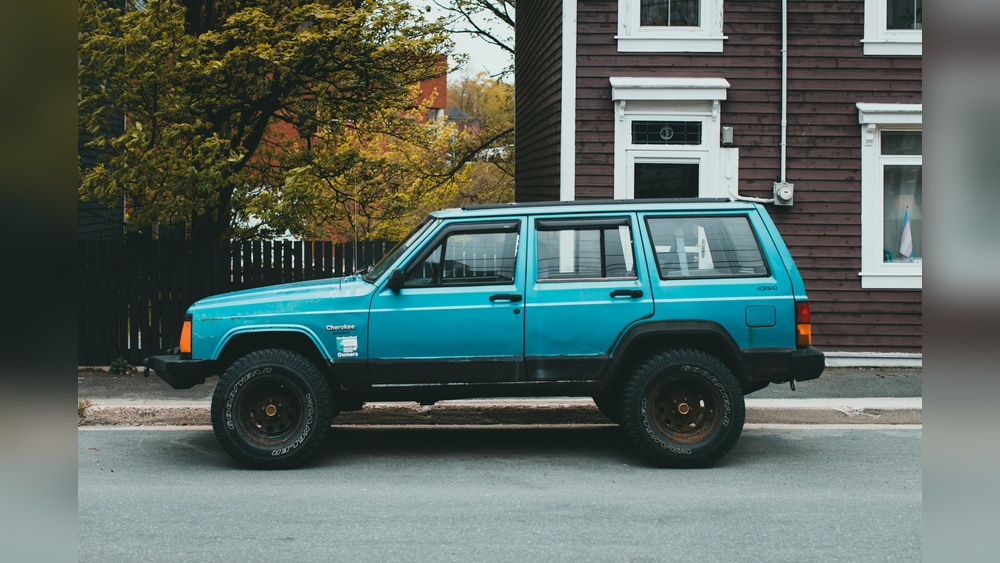
Some model years are more reliable than others. For example, the XJ Cherokee (1984–2001) is famous for durability. The newer KL generation (2014–present) has more electronics and sometimes faces issues with sensors or transmissions.
Here is a quick comparison of some popular Jeep Cherokee generations:
| Model Generation | Years | Average Lifespan | Known Issues |
|---|---|---|---|
| XJ | 1984–2001 | 200,000+ miles | Rust, cooling system |
| KJ | 2002–2007 | 180,000 miles | Suspension, window regulators |
| KL | 2014–present | 150,000–200,000 miles | Transmission, electronics |
4. Quality Of Parts And Repairs
Using genuine Jeep parts and skilled mechanics can extend your Cherokee’s life. Cheap or incorrect parts can lead to more breakdowns.
5. Accident History
A Cherokee with a clean history usually lasts longer. Past accidents can cause hidden damage that leads to early failure.
Common Problems That Affect Lifespan
Every car has weak points, and the Jeep Cherokee is no exception. Knowing these can help you spot issues early.
- Transmission failures: Especially in newer KL models (2014–2019), some owners report problems with shifting or slipping.
- Cooling system leaks: Older Cherokees (like the XJ) often have radiator or water pump issues.
- Electrical problems: Modern Cherokees have many sensors that can fail, causing warning lights or engine problems.
- Suspension wear: Bushings and ball joints can wear out, leading to clunks or poor handling.
- Rust: Older models, especially in snowy or wet regions, may rust around the frame and doors.
Catching these issues early with regular checks can help you avoid costly repairs and keep your Jeep running longer.
How To Make Your Jeep Cherokee Last Longer
You can do many things to add years to your Cherokee’s life. Here are some proven tips:
1. Stick To The Maintenance Schedule
Follow the Jeep service manual for oil changes, fluid checks, and part replacements. Most experts suggest changing the oil every 5,000–7,500 miles, depending on your driving style.
2. Use Quality Fluids And Parts
Buy OEM (original equipment manufacturer) parts and recommended fluids. These are designed for your vehicle and help prevent breakdowns.
3. Inspect For Rust
Look under your Cherokee, especially near the wheel wells and frame. Clean off salt and mud often, especially in winter.
4. Drive Gently
Avoid hard acceleration, fast stops, and heavy towing beyond your Jeep’s limits. This reduces stress on the engine and transmission.
5. Fix Problems Early
Don’t ignore warning lights or strange noises. Small problems can become big ones if left alone.
6. Protect From Harsh Weather
If possible, park your Cherokee in a garage or use a car cover. Extreme heat and cold can damage seals and electronics.
7. Keep Records
Save all repair and maintenance receipts. This helps you track what’s been done and can boost resale value later.
Real Owner Experiences: How Long Do Jeep Cherokees Last In Practice?
Many Jeep Cherokee owners share stories of reaching high mileages. For example, some report their XJ models lasting over 250,000 miles with normal care. Others mention KL models passing 150,000 miles but needing more electronic repairs.
Here are a few real-life examples:
- A 1999 Jeep Cherokee XJ in Colorado reached 265,000 miles with original engine and transmission, only needing routine parts like brakes and hoses.
- A 2015 Cherokee KL in Florida hit 180,000 miles but required a new transmission at 120,000 miles and regular software updates.
- Several owners of 2014–2018 Cherokees mention needing sensor replacements and recalls but still using the vehicle daily after 170,000 miles.
Non-obvious insight: Some owners find that the simpler, older Cherokees (like the XJ) last longer because they have fewer electronic parts that can fail. Newer models may be more comfortable but can be costlier to repair after 100,000 miles due to complex systems.
Cost Of Keeping A Jeep Cherokee Running
Maintaining an older Jeep Cherokee costs more as it ages, especially after the 100,000-mile mark. Here’s a look at what you might expect:
- Annual maintenance: $500–$900 (oil, brakes, fluids)
- Major repairs (transmission, head gasket): $1,500–$3,500
- Common parts (alternator, starter, sensors): $150–$600 per item
You can save money by handling some simple maintenance yourself, like changing the air filter or wiper blades. But for big jobs, using a qualified mechanic is best.
Pro tip: Investing in regular maintenance often costs less than waiting for a big failure. For example, a $100 coolant flush can prevent a $1,500 engine repair.
Pros And Cons Of Owning A High-mileage Jeep Cherokee
If you’re considering buying or keeping a Jeep Cherokee with many miles, it’s good to weigh the pros and cons.
Pros:
- Proven reliability, especially in older models
- Affordable to buy used
- Good off-road ability and cargo space
- Parts are widely available
Cons:
- More repairs as the vehicle ages
- Some newer models have expensive electronic components
- Lower fuel economy than newer crossovers
- Rust issues in older models
Non-obvious insight: Insurance for older Cherokees is usually cheaper, but you may pay more for certain repairs if parts are rare.
How The Jeep Cherokee Compares To Other Suvs
Wondering how the Jeep Cherokee’s lifespan stacks up against rivals? Here’s a quick comparison with similar SUVs:
| Model | Average Lifespan | Maintenance Costs | Reliability Score* |
|---|---|---|---|
| Jeep Cherokee | 150,000–250,000 miles | Medium | Average |
| Toyota RAV4 | 200,000–300,000 miles | Low | High |
| Honda CR-V | 200,000–300,000 miles | Low | High |
| Ford Escape | 150,000–200,000 miles | Medium | Average |
| Chevy Equinox | 150,000–200,000 miles | Medium | Average |
*Reliability scores are based on owner surveys and industry data. You can find more details at Consumer Reports.

Should You Buy A High-mileage Jeep Cherokee?
Buying a Jeep Cherokee with more than 100,000 miles can be a good deal—but only if you check its condition. Always:
- Get a full inspection by a trusted mechanic
- Check the service history for regular oil changes and repairs
- Look for signs of rust or major leaks
- Test drive to check for strange noises or shifting problems
If the vehicle is well cared for, a high-mileage Cherokee can still give you years of reliable service. But be ready for more frequent repairs as it ages.
Final Thoughts
The Jeep Cherokee is a solid SUV that can last well beyond 150,000 miles with good maintenance. Older models like the XJ are known for their long life, while newer versions offer more comfort but may cost more to repair. Regular care, gentle driving, and attention to small problems are the keys to making your Cherokee last. If you’re willing to invest time and money into maintenance, your Jeep Cherokee can be a loyal companion for many years and adventures.
Frequently Asked Questions
How Many Miles Is Too Many For A Used Jeep Cherokee?
Most experts suggest caution when buying a Cherokee with over 200,000 miles. While some last longer, repairs can get expensive after this point. Always check maintenance records and have the SUV inspected before buying.
Are Jeep Cherokees Expensive To Maintain?
Jeep Cherokees have average maintenance costs for SUVs. Regular upkeep is affordable, but major repairs (like a new transmission) can be costly, especially on newer models with complex electronics.
What Year Jeep Cherokee Is The Most Reliable?
Many owners and experts say the 1997–2001 XJ Cherokee is the most reliable. These models have simple mechanics and fewer electronics, making them easier and cheaper to repair.
Can A Jeep Cherokee Go 300,000 Miles?
Yes, but it’s uncommon. Some Cherokees, especially older ones with careful owners, reach 300,000 miles. This usually requires excellent maintenance and some luck with avoiding major accidents or failures.
What Are The Biggest Problems With Jeep Cherokees?
The main issues are transmission failures (in some newer models), cooling system leaks (older models), and electrical problems. Regular checks and early repairs help prevent bigger problems.
—
If you want detailed owner reviews and up-to-date reliability scores, you can check Consumer Reports for more information.