If you’re thinking about buying a Jeep Grand Cherokee, you probably want to know how many miles it lasts. This SUV has a strong reputation for durability, but you may wonder if it can really handle years of driving. Many people use it for daily commuting, family road trips, or even off-road adventures. Is it a smart long-term investment? In this guide, you’ll learn what affects the lifespan of a Jeep Grand Cherokee, how it compares to other SUVs, and what you can do to make yours last as long as possible.
Typical Lifespan Of A Jeep Grand Cherokee
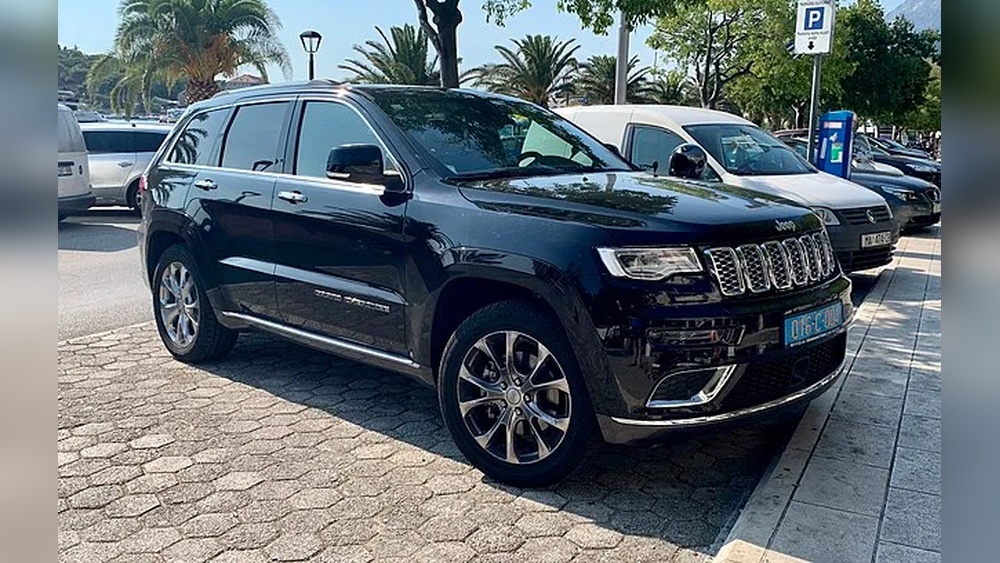
Most owners report their Jeep Grand Cherokee can last between 200,000 and 250,000 miles with regular care. Some models even reach 300,000 miles. This means you could drive your SUV for 15–20 years if you keep up with maintenance. However, not all Grand Cherokees are equal. Older models from the 1990s and early 2000s often had fewer electronics, which sometimes made them easier to keep running. Newer models offer more features but may need more specialized repairs.
Key Factors That Affect Lifespan
Several things influence how long your Jeep Grand Cherokee will last:
- Maintenance habits: Regular oil changes, fluid checks, and timely repairs are critical.
- Driving conditions: City traffic wears out brakes and transmission faster; highway driving is gentler.
- Climate: Cold winters and hot summers can affect engine parts and battery life.
- Usage type: Off-road driving causes more stress on suspension and underbody parts.
- Model year and engine type: Some engines are more reliable than others.
Real-world Examples And Owner Reports
Many Grand Cherokee owners share their experiences online. Here are some real examples:
- One owner reported reaching 260,000 miles on a 2005 model with basic maintenance.
- Another driver hit 245,000 miles on a 2012 Grand Cherokee, mostly on highways.
- Some mechanics say they regularly see older models running well past 200,000 miles.
These stories show that reaching high mileage is possible, especially if you avoid harsh driving and fix small issues early.
Comparing Jeep Grand Cherokee Lifespan To Other Suvs
How does the Grand Cherokee stack up against similar SUVs? Here’s a comparison of average lifespan estimates:
| Model | Average Lifespan (Miles) | Notes |
|---|---|---|
| Jeep Grand Cherokee | 200,000–250,000 | Strong off-road ability |
| Toyota 4Runner | 250,000–300,000 | Famous for reliability |
| Ford Explorer | 200,000–220,000 | Good for families |
| Honda Pilot | 220,000–250,000 | Easy maintenance |
| Chevrolet Tahoe | 200,000–250,000 | Popular for towing |
As you see, the Grand Cherokee is right in the middle for longevity. While it may not match Toyota’s legendary reliability, it easily outpaces many competitors if well cared for.
Common Problems After High Mileage
After 100,000 miles, some issues become more frequent. Understanding these can help you prepare and avoid surprises.
Engine And Transmission
- Oil leaks: Older engines may develop leaks around gaskets.
- Transmission slipping: Automatic transmissions can become less smooth, especially without regular fluid changes.
Suspension And Steering
- Worn bushings: Suspension parts may need replacing after 100,000 miles.
- Steering rack issues: You may notice loose or noisy steering at higher mileage.
Electrical Systems
- Sensor failures: Check engine lights often appear due to aging sensors.
- Window and door controls: Power windows or locks may stop working.
Rust And Body Wear
- Rust: This is more common in areas with road salt or wet climates.
- Paint fading: Sun exposure can cause paint to lose shine.
Most of these issues can be fixed without huge costs, but ignoring them can shorten the SUV’s lifespan.

Maintenance Costs And Tips
Keeping your Grand Cherokee running smoothly is not free, but the costs are usually manageable compared to luxury brands. Here’s a breakdown:
| Maintenance Item | Average Cost | Recommended Interval |
|---|---|---|
| Oil change | $50–$80 | Every 5,000 miles |
| Brake pads | $150–$300 | Every 30,000–50,000 miles |
| Spark plugs | $100–$200 | Every 60,000 miles |
| Transmission fluid | $150–$250 | Every 60,000 miles |
| Tire rotation | $20–$50 | Every 7,500 miles |
Practical Maintenance Tips
- Follow the owner’s manual: The manual has the best advice for your specific model.
- Use quality parts: Cheap parts often fail sooner and can cause bigger problems.
- Check fluids often: Oil, coolant, and transmission fluid levels matter.
- Fix small problems early: Don’t ignore warning lights or strange noises.
- Clean and protect: Wash your SUV regularly and use rust protectors if you live in a wet climate.
Many beginners skip regular tire rotations or delay changing fluids. This is a common mistake that leads to uneven tire wear and transmission issues, which can shorten the vehicle’s life.
Pros And Cons Of Keeping A Jeep Grand Cherokee Long-term
Pros
- Strong engine and frame: Built for tough conditions.
- Good resale value: Especially for well-maintained models.
- Versatile use: Handles city, highway, and off-road driving.
- Affordable parts: Easier to find than luxury brands.
Cons
- Some models have electrical issues: Sensors and wiring can fail.
- Higher fuel consumption: Not as efficient as smaller SUVs.
- Rust in older models: Especially in cold or wet regions.
How To Extend The Life Of Your Jeep Grand Cherokee
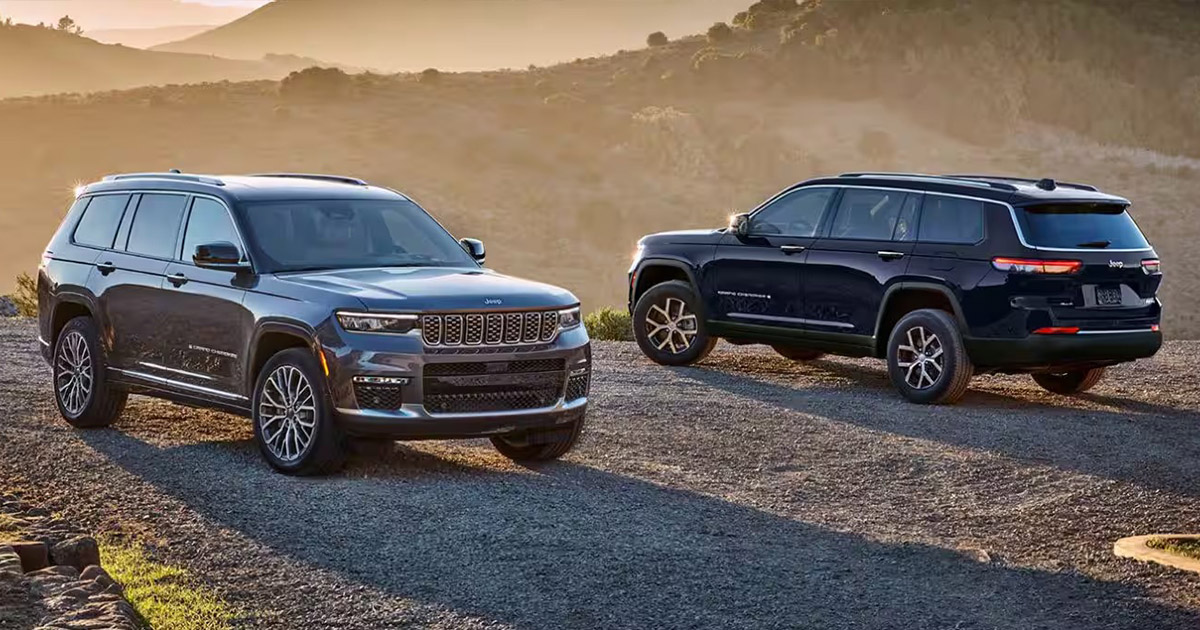
Want your Grand Cherokee to reach 250,000 miles or more? Here are some proven strategies:
- Keep up with scheduled maintenance: Missing oil changes or inspections is the fastest way to lose years off your vehicle.
- Drive smoothly: Hard acceleration and sudden stops put extra stress on the engine and brakes.
- Store indoors: Parking in a garage protects against rust and sun damage.
- Use recommended fluids: Jeep specifies certain oils and coolants—these help prevent overheating and wear.
- Pay attention to recalls: Manufacturers sometimes offer free fixes for common problems. Check for recalls and get them handled.
Most beginners don’t realize that skipping just one major maintenance item—like a timing belt change—can cause engine failure. Staying consistent is key.
Cost Considerations: Repairs Vs. Replacement
As your Grand Cherokee ages, you may wonder if it’s worth repairing or replacing. Here’s a quick comparison:
| Mileage | Repair Costs (Yearly) | Value of SUV | Replace or Repair? |
|---|---|---|---|
| 100,000 | $700–$1,000 | $8,000–$12,000 | Repair |
| 150,000 | $1,000–$1,500 | $4,000–$7,000 | Repair (if major parts still strong) |
| 200,000 | $1,500–$2,500 | $2,000–$4,000 | Repair if sentimental, replace if costly |
| 250,000+ | $2,000+ | $1,000–$2,500 | Usually replace |
If you love your SUV and repairs are not too expensive, it’s often cheaper to keep it running than to buy a new one. But if repair costs start to exceed the vehicle’s value, replacement is smarter.
Jeep Grand Cherokee Reliability: What The Experts Say
Independent tests and reviews give the Grand Cherokee a reliability score of about 3.5 out of 5, which is average for midsize SUVs. Recent models (2017 and newer) have improved, with fewer engine and transmission complaints. According to Consumer Reports, the Grand Cherokee is praised for its comfort and towing power, but owners sometimes report problems with electronics.
Buying Tips: Choosing A High-mileage Grand Cherokee
If you’re shopping for a used Grand Cherokee, here’s what to check:
- Service history: Look for records of oil changes, fluid swaps, and major repairs.
- Rust spots: Inspect the wheel wells, underbody, and door edges.
- Transmission health: Test drive and listen for slipping or delayed shifting.
- Electrical functions: Try windows, locks, and dashboard lights.
- Suspension: Drive over bumps and listen for clunks or rattles.
Avoid models with missing records or lots of warning lights. Beginners often forget to check for recalls, which can affect safety and resale value.
Frequently Asked Questions
How Many Miles Does A Jeep Grand Cherokee Typically Last?
Most Grand Cherokees last 200,000–250,000 miles with regular care. Some drivers reach 300,000 miles if they follow maintenance schedules and drive gently.
Is The Jeep Grand Cherokee Reliable After 100,000 Miles?
Yes, if maintained well. After 100,000 miles, pay attention to engine, transmission, and electrical issues. Routine repairs are common but not usually expensive.
What Are The Most Common High-mileage Problems?
Typical issues include oil leaks, transmission slipping, suspension wear, and electrical faults. Rust is also possible in older models or wet climates.
Is It Expensive To Maintain A Jeep Grand Cherokee?
Maintenance costs are moderate. Oil changes, brake pads, and fluid swaps are affordable. Major repairs like engine or transmission replacement can be costly, but are rare with good care.
How Does The Jeep Grand Cherokee Compare To Toyota 4runner For Longevity?
The Toyota 4Runner is famous for lasting longer—often over 300,000 miles. The Grand Cherokee is close, but usually reaches 250,000 miles. Both need regular maintenance for best results.
When you care for your Jeep Grand Cherokee, it can easily become a reliable companion for many years. With smart maintenance and gentle driving, you may even reach or surpass the 250,000-mile mark.
Meta Title
How Many Miles Does A Jeep Grand Cherokee Last? (Complete Guide)
Meta Description
Wondering how many miles a Jeep Grand Cherokee lasts? Learn about average lifespan, maintenance costs, real owner experiences, common problems, and tips to extend its life. Get practical advice and comparisons for making your SUV last longer.