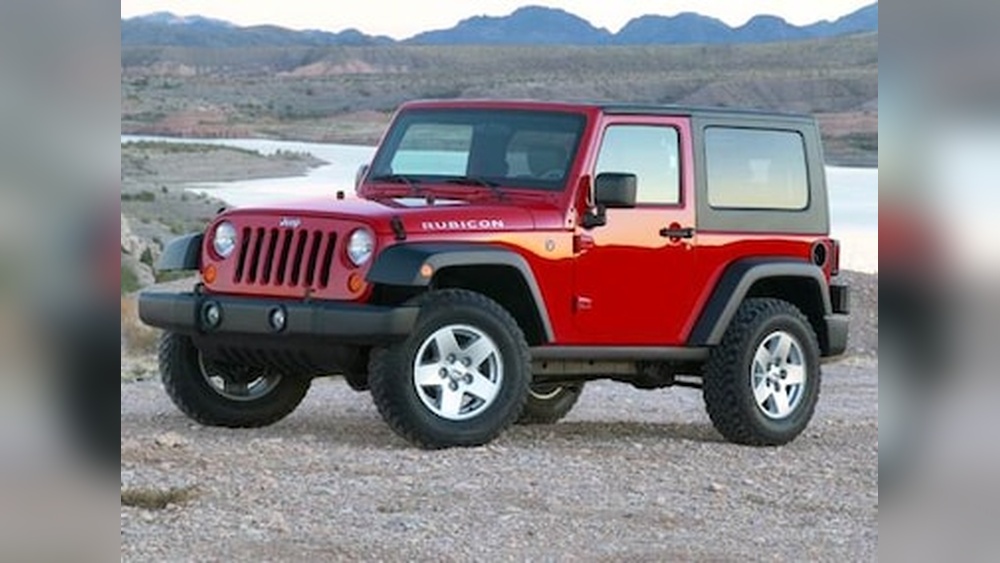
Jeep Wranglers have a reputation for toughness and adventure. Many people wonder, how many miles can Jeep Wranglers last? If you’re thinking of buying one or already own a Wrangler, you probably want to know how long this vehicle can stay reliable. Some say Wranglers last forever, but what’s the real story? This article gives you a simple, clear answer based on facts, not just opinions. We’ll look at real numbers, what affects Wrangler lifespan, and how you can make yours last longer. Whether you’re a new Jeep owner or just exploring your options, this guide will help you understand the real-world durability of Jeep Wranglers.
Average Lifespan: How Many Miles Can Jeep Wranglers Last?
Most Jeep Wranglers last 200,000 to 400,000 miles with proper care. This is much higher than the average lifespan for many SUVs, which is often around 150,000 to 200,000 miles.
It’s common to see Wranglers from the 1990s or early 2000s still running strong. Some owners report hitting 300,000 miles or more with their original engine and transmission.
There are even stories of well-maintained Wranglers passing 400,000 miles, but this is less common. These high-mileage Jeeps usually have had major parts replaced (such as the transmission or axles) during their lifetime.
Key insights:
- Most Wranglers can reach 250,000 miles without major problems if serviced regularly.
- Hitting 300,000+ miles is possible, but expect to repair or replace some large components.
Why Do Jeep Wranglers Last So Long?
Jeep designed the Wrangler for tough conditions. It is built for off-road driving, which means the frame, suspension, and drivetrain are stronger than typical SUVs. The engines are also simple and reliable, especially in older models.
What makes them durable:
- Body-on-frame construction (stronger than unibody SUVs)
- Simple, robust engines (especially the 4.0L inline-six)
- Solid axles (better for rough roads)
- Fewer electronics in older models (less to fail)
However, newer Wranglers (2018 and later) use more electronics and turbo engines. These can be reliable, but they may not be as easy to repair as old models.

Factors That Impact Wrangler Longevity
How many miles your Wrangler will last depends on several factors. Here are the main things that make a difference:
1. Maintenance
Regular maintenance is the biggest key to a long-lasting Wrangler. Oil changes, fluid checks, and replacing worn-out parts can add years to your Jeep.
Neglected maintenance can cut the lifespan in half. For example, not changing the oil can ruin the engine much sooner.
2. Driving Habits
- Gentle driving on smooth roads is less stressful for the Jeep.
- Frequent off-roading or heavy towing can wear out parts faster.
- Short trips where the engine never warms up can lead to more wear.
3. Climate And Location
- Rust is the enemy of old Jeeps. Areas with lots of snow and road salt (like the Midwest or Northeast US) see more rust.
- Desert climates can be easier on the body but harder on plastic and rubber parts.
4. Model Year And Generation
Older Wranglers (YJ, TJ, and some JK models) are known for their simplicity and durability. Newer Wranglers (JL, 2018+) have more comfort features but also more electronics.
| Generation | Years | Engine Reliability | Common Lifespan (Miles) |
|---|---|---|---|
| YJ | 1987–1995 | Very High | 200,000–300,000 |
| TJ | 1997–2006 | Excellent | 200,000–350,000 |
| JK | 2007–2017 | Good | 200,000–300,000 |
| JL | 2018–Present | Good | 200,000–250,000 |
5. Modifications
Many Jeep owners add lift kits, larger tires, and other modifications. These can make the Wrangler better off-road, but they may also put extra stress on parts like the transmission and axles. Factory parts usually last longer than heavily modified ones.
Common Problems In High-mileage Jeep Wranglers
Even the toughest Jeep will need repairs over time. Here are some common issues that appear as Wranglers get older:
- Rust: The frame and undercarriage can rust, especially in cold climates.
- Suspension wear: Bushings, shocks, and ball joints may need replacement every 100,000–150,000 miles.
- Cooling system leaks: Radiators and hoses can start leaking after many miles.
- Electrical problems: Older Wranglers have fewer issues, but newer models may see sensor or wiring problems.
- Transmission and clutch: Manual transmissions are strong, but clutches and automatics may need rebuilding at high miles.
Tip: If you are buying a used Wrangler, always check for rust and ask for maintenance records.
Jeep Wrangler Vs. Other Suvs: Lifespan Comparison
How does the Wrangler compare to other popular SUVs? Here’s a quick look:
| Model | Expected Lifespan (Miles) | Strengths | Weaknesses |
|---|---|---|---|
| Jeep Wrangler | 200,000–400,000 | Off-road ability, strong frame | Comfort, noise |
| Toyota 4Runner | 250,000–400,000 | Reliability, resale value | Fuel economy |
| Ford Explorer | 150,000–250,000 | Comfort, tech features | Transmission issues |
| Honda CR-V | 200,000–300,000 | Low cost of ownership | Less off-road |
Insight: The Wrangler’s lifespan is among the best, especially for serious off-roaders.
Cost Of Ownership Over High Mileage
Jeep Wranglers are tough, but maintenance and repair costs can add up over 200,000+ miles. Here’s what to expect:
- Regular servicing: $400–$700 per year (oil, fluids, brakes)
- Major repairs: Transmission rebuild ($2,000–$3,000), engine overhaul ($3,000–$4,500), suspension work ($1,000+)
- Parts availability: Jeep parts are easy to find and often cheaper than for luxury SUVs.
Pro tip: Wranglers hold their value well. Even with 150,000+ miles, they often sell for higher prices than other SUVs with similar mileage.
How To Make Your Jeep Wrangler Last Longer
Want to see your Wrangler reach 300,000 miles or more? Here are practical steps:
- Stay on top of maintenance. Follow the owner’s manual for oil, filters, and fluids.
- Inspect for rust and clean the undercarriage, especially after driving on salted roads.
- Replace worn suspension parts before they fail.
- Fix leaks and small problems early. Don’t let them become big issues.
- Use quality parts. Cheap parts can fail faster.
- Drive smart. Avoid hard acceleration, sudden stops, and pushing the Jeep to its limit.
- Limit extreme modifications if you want maximum lifespan.
Hidden detail: Many high-mileage Wranglers are owned by people who use them as daily drivers, not just for off-roading. Regular, gentle use is better than constant extreme off-road adventures.
Pros And Cons Of High-mileage Jeep Wranglers
If you’re considering a Wrangler with 150,000 miles or more, know the benefits and risks.
Pros:
- Lower price compared to new Wranglers
- Proven reliability if well maintained
- Simple to repair, many parts available
- Strong community support and advice
Cons:
- Higher risk of worn parts (suspension, transmission)
- Possible rust or frame issues
- Older models lack modern safety features
- May need larger repairs soon
Tip: Always have a trusted mechanic check a high-mileage Wrangler before buying.
Real Owner Stories
Many Jeep Wrangler owners proudly share their high-mileage achievements online. For example:
- A 2001 Wrangler TJ owner reached 350,000 miles with the original engine by following the maintenance schedule closely.
- A 2012 Wrangler JK owner reported 280,000 miles after daily commuting and regular off-road trips, replacing only the clutch and radiator.
- Some owners in Jeep forums share photos of odometers showing over 400,000 miles, usually after major engine or transmission replacements.
You can find more Jeep stories and tips from real owners at the JeepForum community.
Frequently Asked Questions

How Many Miles Is Too Many For A Used Jeep Wrangler?
There is no single answer, but over 200,000 miles is considered high mileage. If the Jeep has a solid maintenance history and no rust, it can still be a good buy. Always check for signs of major repairs or neglected service.
What Is The Best Year Jeep Wrangler For Longevity?
Many experts say the 1997–2006 TJ models are the most reliable and long-lasting, thanks to their simple 4.0L six-cylinder engines and fewer electronics. However, well-cared-for JK and JL models can also last a long time.

Do Jeep Wranglers Hold Their Value?
Yes, Jeep Wranglers have some of the best resale value among SUVs. Even with high miles, they sell for more than most competitors. This is due to their strong reputation and demand for used models.
Is It Expensive To Maintain A Jeep Wrangler Over 200,000 Miles?
Routine maintenance is affordable, but expect to spend more as the Jeep gets older. Suspension, cooling, and transmission repairs are common after 150,000 miles. Budget for $1,000–$2,000 per year if you want to keep a high-mileage Wrangler in good shape.
Can A Jeep Wrangler Reach 500,000 Miles?
It’s rare, but possible with major rebuilding and excellent care. Most Wranglers need at least one engine or transmission replacement to hit half a million miles. Few reach this number without serious investment.
Meta Title
How Many Miles Can Jeep Wranglers Last? Real Lifespan, Tips & Owner Insights
Meta Description
Discover how many miles Jeep Wranglers last, what affects their lifespan, and how to keep yours running longer. Get expert tips, cost details, and real owner stories.