Jeep engines have fascinated off-road fans and car lovers for decades. One of the biggest changes in recent Jeep history is the switch to the Pentastar V6 engine.
But when did this change happen, and why did Jeep make the move? Understanding the story behind the Pentastar engine gives you a better idea of Jeep’s strategy for power, efficiency, and reliability.
The Beginning Of The Pentastar Engine
Jeep started using the Pentastar engine in the 2011 model year. This marked a major shift in Jeep’s engine lineup, as the Pentastar replaced several older V6 engines. Chrysler, Jeep’s parent company, designed the Pentastar to be a modern, all-purpose V6 for many vehicles across its brands.
The very first Jeep model to use the Pentastar was the 2011 Jeep Grand Cherokee. Soon after, other Jeep vehicles like the Wrangler, Cherokee, and Dodge Durango also got Pentastar engines.
Why Jeep Switched To The Pentastar
Jeep’s decision to adopt the Pentastar was driven by three main goals:
- Efficiency: Older engines were less fuel-efficient and produced higher emissions. The Pentastar was built to meet stricter government standards.
- Power: Jeep wanted a V6 engine that offered more horsepower and smoother performance.
- Simplicity: Using one engine across many vehicles saves money on manufacturing and makes repairs easier for mechanics.
Before the Pentastar, Jeep used several different V6 engines, such as the 3.7L PowerTech and the 3.8L EGH. These engines were outdated by the late 2000s. The Pentastar’s modern design included aluminum construction, variable valve timing, and a lighter overall weight.

Jeep Models And The Pentastar Timeline
Not every Jeep got the Pentastar at the same time. Here’s a look at when key models made the switch:
| Jeep Model | First Pentastar Year | Previous Engine |
|---|---|---|
| Grand Cherokee | 2011 | 3.7L V6, 4.7L V8 |
| Wrangler | 2012 | 3.8L V6 |
| Chrysler 200/300 | 2011 | 2.7L, 3.5L V6 |
| Dodge Durango | 2011 | 3.7L V6 |
The Jeep Wrangler is a good example. For years, it used a 3.8L V6 engine, which many drivers found underpowered and thirsty. In 2012, Jeep replaced it with the 3.6L Pentastar. This change gave the Wrangler a big boost in power and a smoother drive.
Key Features And Benefits Of The Pentastar
The Pentastar engine brought many improvements:
- Higher horsepower: The early 3.6L Pentastar produced up to 305 hp, compared to 202 hp in the old 3.8L V6.
- Better fuel economy: Drivers saw real-world gains of 1-2 MPG.
- Lower emissions: The Pentastar met stricter emission rules.
- Quieter operation: Engine noise dropped, making rides more comfortable.
Here’s a quick comparison of the old Wrangler engine and the Pentastar:
| Engine | Horsepower | Torque (lb-ft) | EPA MPG (Combined) |
|---|---|---|---|
| 3.8L V6 (Pre-2012) | 202 | 237 | 16 |
| 3.6L Pentastar (2012+) | 285 | 260 | 18 |
Non-obvious insight: Many Jeep owners noticed that the Pentastar’s extra horsepower not only made driving more fun, but also improved towing capacity and safety when merging onto highways.
Generations Of The Pentastar Engine
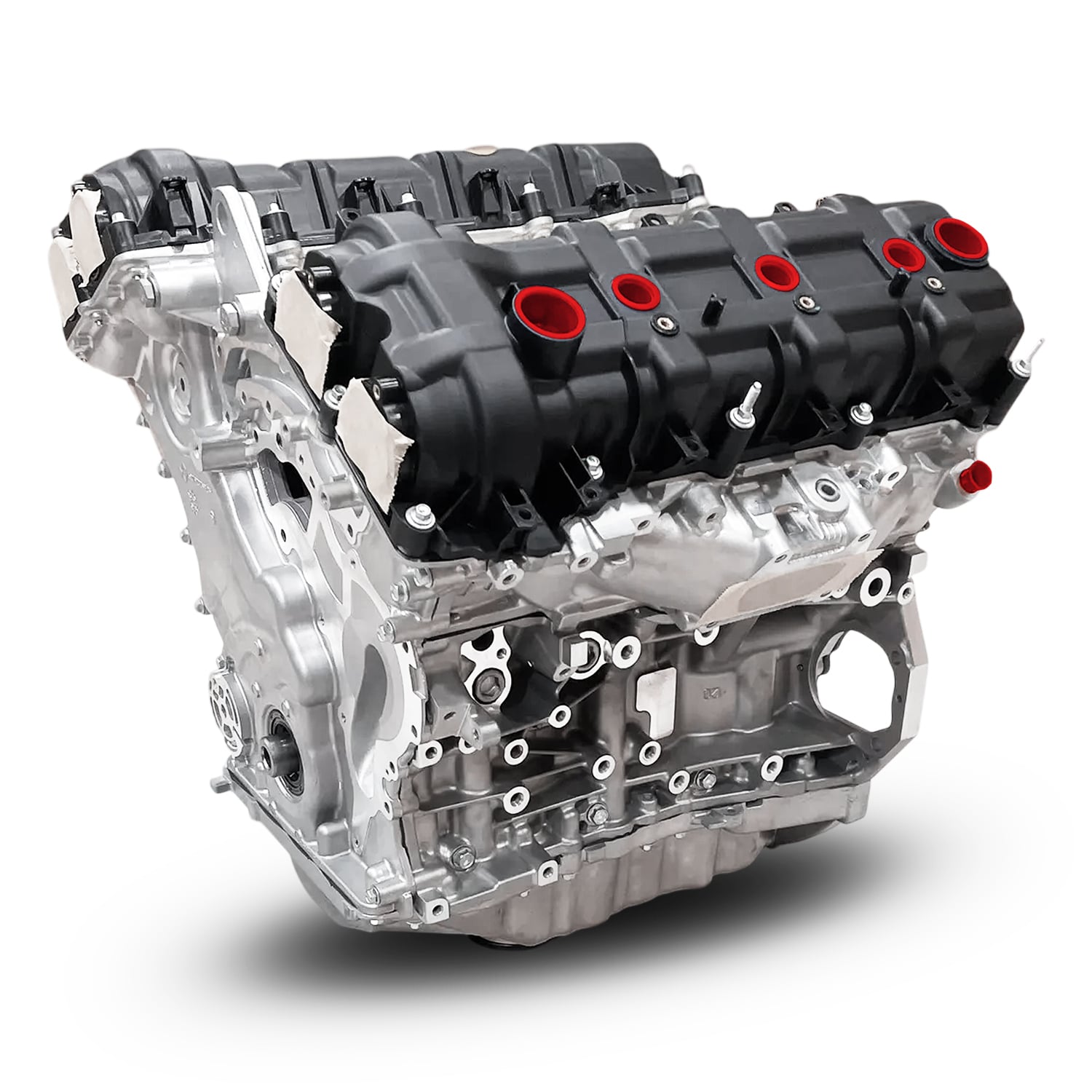
The original Pentastar launched in 2011 as a 3.6-liter V6. Over time, Jeep and Chrysler improved it with small changes:
- First generation (2011–2015): Introduced in Grand Cherokee and others. Known for reliability and smoother power.
- Second generation (2016+): Added start-stop technology, cooled exhaust-gas recirculation, and small gains in power and fuel economy.
A third insight: The Pentastar’s flexible design allowed Jeep to add new features like eTorque mild-hybrid systems in some newer Wranglers. This shows how the engine platform can adapt to future needs.
Real-world Impact For Jeep Owners
Switching to the Pentastar engine made a big difference for Jeep drivers:
- Easier maintenance: One standard engine means more available parts and mechanics who know how to fix it.
- Longer engine life: The Pentastar’s timing chain (not a belt) needs less frequent replacement.
- Better resale value: Used Jeeps with Pentastar engines are more attractive to buyers because of their reputation for reliability.
However, some early Pentastar engines (2011–2013) had cylinder head issues, especially in hot climates. Jeep later fixed this problem under warranty.
How The Pentastar Compares To Other Jeep Engines
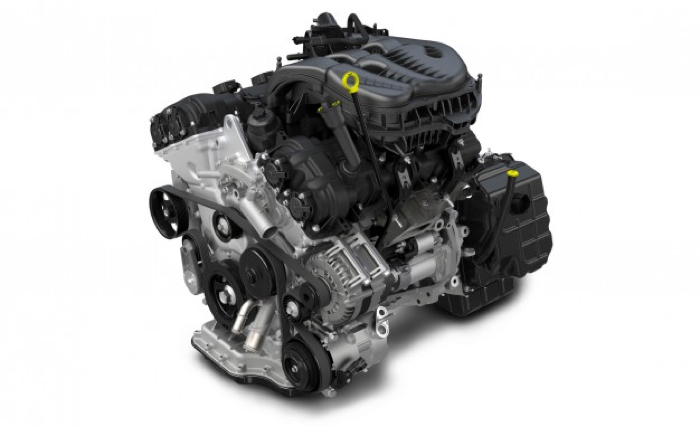
The Pentastar is not the only engine offered in recent Jeeps. Some models also have turbocharged four-cylinders, V8s, or diesel options. However, the Pentastar is often the best balance of price, power, and reliability for most buyers.
| Engine Type | Horsepower | Pros | Cons |
|---|---|---|---|
| 2.0L Turbo I4 | 270 | Torque, fuel economy | Premium gas, more complex |
| 3.6L Pentastar V6 | 285–305 | Proven, reliable, regular gas | Less torque than turbo or diesel |
| 3.0L EcoDiesel V6 | 260 | High torque, towing, MPG | Expensive, diesel fuel |
Looking To The Future
The Pentastar V6 is still a key part of Jeep’s engine lineup as of 2024. It powers popular models like the Wrangler, Grand Cherokee, and Gladiator. However, Jeep is also investing in hybrid and electric powertrains.
One thing is clear: the Pentastar helped Jeep enter the modern era by balancing power, efficiency, and reliability. For many Jeep fans, it’s become the “default” engine for both daily driving and off-road adventures.
For more technical details, you can check the Chrysler Pentastar Engine Wikipedia page.
Frequently Asked Questions
When Did Jeep Start Using The Pentastar Engine?
Jeep first used the Pentastar engine in the 2011 Grand Cherokee. Other models, like the Wrangler, followed in 2012.
What Jeeps Have The Pentastar Engine?
The Pentastar is found in the Grand Cherokee, Wrangler, Gladiator, Cherokee, and some older Jeep models. It’s also used in Dodge and Chrysler vehicles.
Is The Pentastar Engine Reliable?
Yes, the Pentastar is known for strong reliability. Early models had some cylinder head problems, but Jeep fixed these under warranty.
How Does The Pentastar Compare To Jeep’s Old V6 Engines?
The Pentastar offers more horsepower, better fuel economy, and lower emissions than Jeep’s old 3.8L or 3.7L V6 engines.
Can The Pentastar Handle Off-road Use?
Absolutely. The Pentastar provides enough power and torque for most off-road trails, and it’s the standard engine in the Wrangler and Gladiator, two of Jeep’s most capable off-road vehicles.
The Pentastar engine changed the game for Jeep, bringing modern performance and reliability to a brand famous for going farther. Whether you drive on city streets or rugged trails, the Pentastar’s history shows why it remains a top choice for Jeep owners today.