Buying a Jeep often means you’re ready for adventure—on highways, backroads, or rocky trails. But when it comes to warranty coverage, especially for something as important as tires, the details can be confusing.
Many Jeep owners wonder: Are tires covered under the Jeep warranty? Understanding what’s included can help you avoid surprises and make smarter choices for care and maintenance.
What Does The Jeep Warranty Cover?
Every new Jeep comes with a factory warranty. This is a promise from the manufacturer to repair or replace certain parts if they fail because of defects. The main parts of a typical Jeep warranty include:
- Basic Limited Warranty (Bumper-to-Bumper): Covers most parts for 3 years or 36,000 miles.
- Powertrain Limited Warranty: Covers engine, transmission, and drive systems for 5 years or 60,000 miles.
- Corrosion (Rust-Through) Warranty: Covers rust damage for 5 years with unlimited miles.
- Roadside Assistance: Offers help like towing and battery jump-starts for 5 years or 60,000 miles.
But what about tires? Let’s look deeper.
Are Tires Included In Jeep’s Warranty?
The short answer is: Tires are not covered by Jeep’s factory warranty. Instead, tires are protected by a separate warranty from the tire manufacturer. This is standard in the auto industry, not just for Jeep.
Here’s why: Tires are considered wear-and-tear items. They naturally wear down over time and are affected by how you drive, road conditions, and maintenance habits. Car makers, including Jeep, don’t cover these parts under their main warranties.
How Tire Warranties Work
When you buy a new Jeep, the tires will have their own warranty provided by brands like Goodyear, Bridgestone, or Michelin. These warranties usually protect against:
- Manufacturer defects (like poor materials or workmanship)
- Some treadwear issues (if the tire wears out too soon, under normal use)
If you have a tire problem, you deal directly with the tire manufacturer or an authorized dealer—not Jeep. You’ll need your original tire warranty booklet or information, which should come with your new vehicle paperwork.
Comparing Jeep Warranty Vs. Tire Warranty
To see the difference clearly, here’s a quick side-by-side comparison:
| Coverage Area | Jeep Factory Warranty | Tire Manufacturer Warranty |
|---|---|---|
| Length | 3 years/36,000 miles (basic) | Usually 3-6 years |
| What’s Covered | Defects in most vehicle parts | Defects in tire materials/workmanship |
| Wear & Tear | Not covered | Usually not covered, unless treadwear warranty applies |
| Who Handles Claims | Jeep dealers | Tire manufacturer or authorized dealer |
What’s Usually Not Covered For Tires
Most tire warranties do not cover:
- Road hazards (potholes, nails, glass)
- Irregular wear from improper alignment or inflation
- Damage from accidents or abuse
- Normal wear and tear after the tread reaches a certain depth
Some dealerships offer road hazard protection as an extra, but it’s not part of Jeep’s basic warranty.
Practical Example: Real-world Scenario
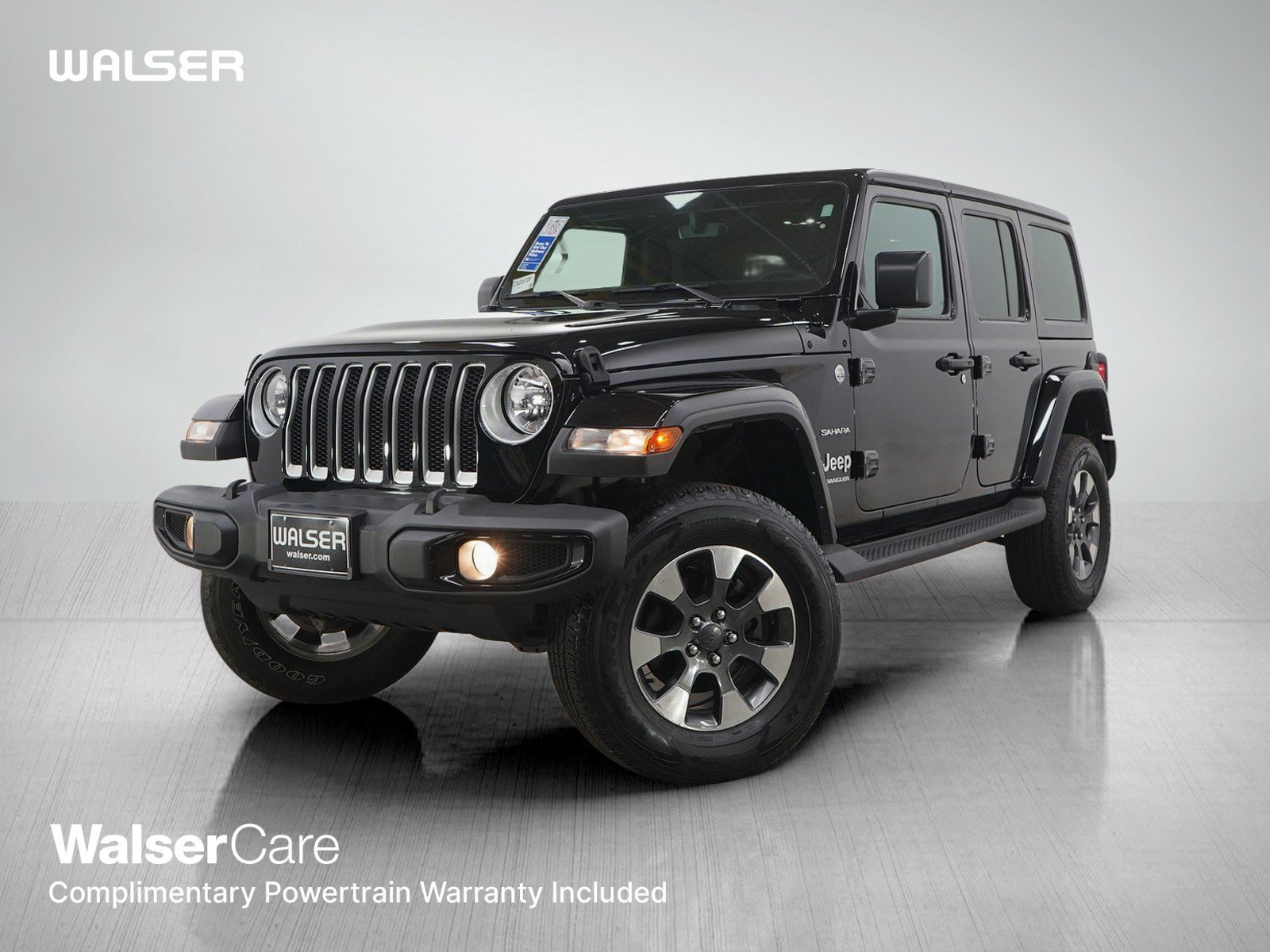
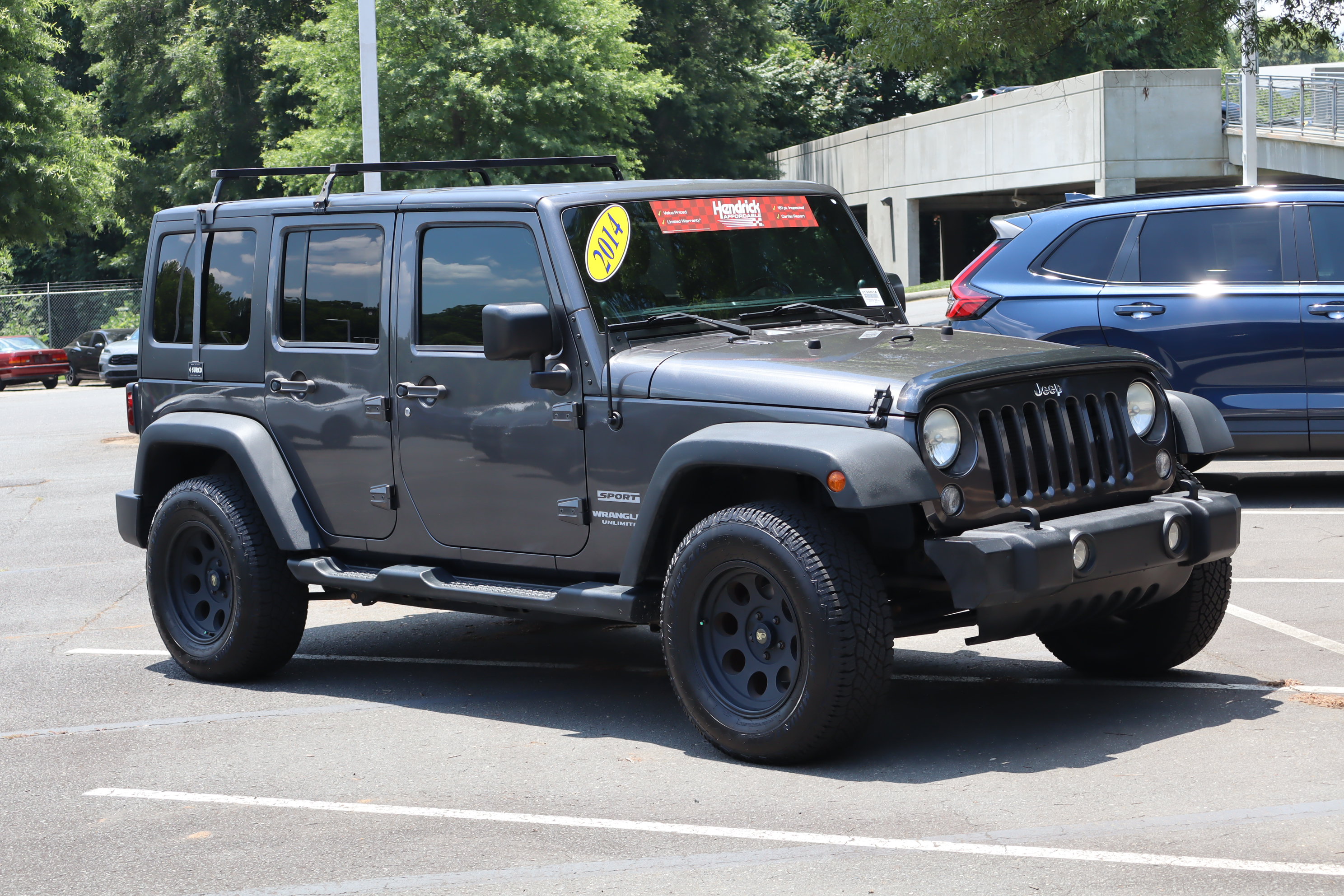
Imagine your new Jeep Wrangler develops a bulge in the tire sidewall after three months. If the bulge is from a manufacturing defect, the tire maker may replace it. But if it’s from hitting a curb or pothole, it won’t be covered under either warranty.
It’s also important to know that many Jeep buyers assume the dealer will handle everything. However, for tire issues, you’ll often be referred to a tire shop or the tire brand’s local distributor.
How To Make A Tire Warranty Claim
If you think your tires have a defect, follow these steps:
- Locate your tire warranty documents (often in your glove box with the owner’s manual).
- Inspect the tire for visible issues.
- Visit an authorized tire dealer for your brand. They’ll check the tire and decide if it qualifies.
- Provide proof of purchase and vehicle mileage.
- Follow the claim process. If approved, you might get a free or discounted replacement.
Some tire makers require regular rotation records as proof you cared for the tires. Keep those receipts.
Tips To Protect Your Tire Warranty
To avoid losing your tire coverage:
- Keep tires properly inflated using the Jeep’s recommended pressure.
- Rotate tires regularly, usually every 5,000–8,000 miles.
- Check alignment if you notice uneven wear.
- Avoid road hazards when possible.
These habits not only help with warranty claims but also make your tires last longer.
Additional Coverage: Should You Buy Tire Protection?
Some Jeep dealers offer tire and wheel protection plans. These can include:
- Coverage for road hazard damage
- Free tire repairs or replacement
- Coverage for wheels and rims
These plans can be helpful for drivers in areas with rough roads or a history of tire problems. But always read the fine print. Some plans have strict rules or require you to use certain repair shops.

Common Misunderstandings About Tire Coverage
It’s easy to think everything on a new Jeep is fully covered. But remember:
- Tires are not part of Jeep’s own warranty.
- Damage from normal use, like worn tread, is never covered.
- You must contact the tire maker, not Jeep, for tire problems.
A good example: A 2022 Jeep Grand Cherokee owner noticed early treadwear at 20,000 miles. Because the tire had a 50,000-mile treadwear warranty, he received a partial credit toward new tires—but only because he had proof of rotation and maintenance.
Warranty Coverage At A Glance
Here’s a quick summary for reference:
| Part | Covered by Jeep? | Covered by Tire Brand? |
|---|---|---|
| Engine | Yes | No |
| Transmission | Yes | No |
| Tires | No | Yes |
| Brakes | Yes (defects only) | No |