How Many Gallons Of Gas Does A Jeep Liberty Hold?
If you own a Jeep Liberty or are thinking about buying one, you may wonder: *How many gallons of gas does a Jeep Liberty hold?* This is an important question, especially if you drive long distances or need to plan your fuel stops. The fuel tank size affects how far you can go between fill-ups and helps you budget for gas. In this guide, you’ll find clear answers about Jeep Liberty gas tank capacity, year-by-year differences, and practical tips for getting the most out of every gallon.
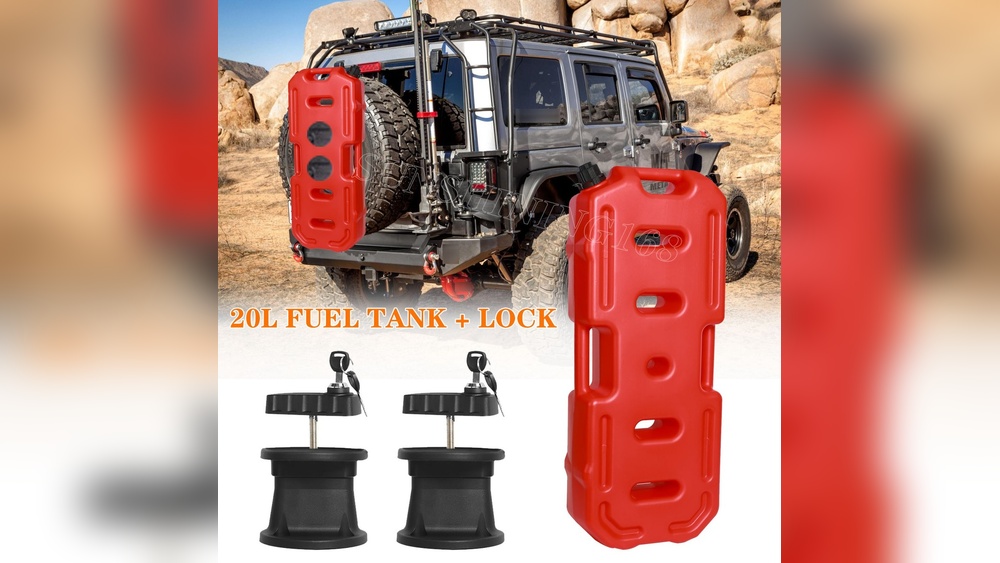
Jeep Liberty Gas Tank Capacity: Quick Answer
The Jeep Liberty typically holds 18.5 to 20.5 gallons of gas, depending on the model year and trim. Most models fall into the 20.5-gallon range, but a few early versions had slightly smaller tanks. Knowing your exact tank size helps you plan trips and estimate costs.
Here’s a summary of the most common Jeep Liberty gas tank sizes by year:
| Model Year | Fuel Tank Size (Gallons) |
|---|---|
| 2002-2007 | 20.5 |
| 2008-2012 | 19.5 |
| Diesel Model (2005-2006) | 20.5 |
Most Jeep Liberty owners will have a 20.5-gallon tank, but always check your manual or the sticker inside your fuel door for your specific vehicle.
Why Gas Tank Size Matters
The number of gallons your Jeep Liberty can hold affects more than just how often you visit the gas station. Here’s why fuel tank capacity is important:
- Driving range: A larger tank means you can travel farther between fill-ups.
- Trip planning: Knowing your range helps when driving in remote areas.
- Cost estimation: You can better predict how much you’ll spend on gas each month.
- Resale value: Some buyers prefer vehicles with a bigger fuel tank, especially for road trips or off-roading.
Jeep Liberty Fuel Tank Sizes By Year
Not all Jeep Liberty models have the same gas tank size. The tank size changed a bit over the years. Here’s a closer look:
2002–2007 Jeep Liberty
- Fuel tank size: 20.5 gallons
- Trim levels: Sport, Limited, Renegade
- Average MPG: 15–22 (varies by engine)
The first generation Jeep Liberty, made from 2002 to 2007, came with a 20.5-gallon tank. This size was standard for all trims and engines, including both 2WD and 4WD versions.
2005–2006 Jeep Liberty Diesel
- Fuel tank size: 20.5 gallons
- Engine: 2.8L CRD diesel
- Average MPG: 19–26
The diesel-powered Jeep Liberty also had a 20. 5-gallon tank. Diesel engines often deliver better fuel economy, so you could travel even farther on a single fill-up.
2008–2012 Jeep Liberty
- Fuel tank size: 19.5 gallons
- Trim levels: Sport, Limited, Jet
- Average MPG: 16–22
The second generation, from 2008 to 2012, saw the fuel tank shrink slightly to 19.5 gallons. This change was made for design and weight reasons, but it still offers a good driving range.
Side-by-side Comparison
To help you see the differences, here’s a quick comparison of Jeep Liberty gas tank sizes by generation:
| Generation | Model Years | Fuel Tank Size (Gallons) |
|---|---|---|
| First | 2002–2007 | 20.5 |
| Second | 2008–2012 | 19.5 |
How Far Can A Jeep Liberty Go On A Full Tank?
Knowing your Jeep Liberty gas tank size lets you estimate your maximum driving range. This depends on your vehicle’s fuel economy (miles per gallon, or MPG).
For example, if your Jeep Liberty gets 18 MPG and has a 20.5-gallon tank:
- 18 MPG × 20.5 gallons = 369 miles per tank (theoretical maximum)
If your model has a 19.5-gallon tank and gets 17 MPG:
- 17 MPG × 19.5 gallons = 331.5 miles per tank
Keep in mind, real-world range is often lower. Heavy traffic, city driving, extra cargo, or rough terrain can reduce your MPG.
Real-world Example
Imagine you drive mostly in the city and get 15 MPG with your 2007 Liberty:
- 15 MPG × 20.5 gallons = 307.5 miles per tank
If you drive mostly on highways and average 22 MPG:
- 22 MPG × 20.5 gallons = 451 miles per tank
Pro Tip
Always avoid running your tank completely empty. It’s best to refill when you’re down to the last quarter tank. This protects your fuel pump and avoids getting stranded.
What Affects Jeep Liberty Fuel Range?
Your driving range depends on more than just the tank size. Here are a few key factors:
- Driving habits: Aggressive acceleration and speeding burn more gas.
- Load and cargo: Heavier loads lower your MPG and reduce range.
- Tire pressure: Low tires cause more resistance, using more fuel.
- Terrain: Hills, mountains, and off-road conditions reduce efficiency.
- Maintenance: Old spark plugs or dirty air filters can lower MPG.
- Fuel type: Regular gas is recommended, but using premium won’t improve range.
Common Mistakes
Many drivers overestimate their range and run the tank too low. The fuel gauge is not always exact, especially as your Jeep gets older. Refueling sooner rather than later is safer, especially on long trips.
Tips To Maximize Your Jeep Liberty’s Fuel Range
You can’t change your fuel tank size, but you can stretch each gallon further. Try these tips:
- Drive smoothly: Avoid hard stops and starts.
- Keep tires inflated: Check pressure monthly.
- Lighten your load: Remove heavy items you don’t need.
- Stick to the speed limit: High speeds use more gas.
- Keep up with maintenance: Oil changes, air filters, and spark plugs all matter.
- Limit idling: Turn off the engine if waiting longer than a minute.
- Use cruise control: On the highway, this can help save gas.
Non-obvious Insights
- Roof racks and large tires: Many Jeep owners add racks or big tires for off-roading. These look cool, but both increase wind resistance and weight, lowering your MPG and cutting your range by up to 10%.
- AC use: Using the air conditioner at low speeds uses more gas than opening windows. On highways, it’s usually more efficient to use the AC with windows up.

How Much Does It Cost To Fill Up A Jeep Liberty?
Fuel prices change often, but you can estimate the cost to fill your tank. For example:
- If gas is $3.50 per gallon and you have a 20.5-gallon tank:
- 20.5 × $3.50 = $71.75 to fill up from empty
With a 19.5-gallon tank at the same price:
- 19.5 × $3.50 = $68.25 for a full tank
Remember, you rarely drive to completely empty, so most fill-ups will cost less.
Jeep Liberty Vs. Other Suvs: Fuel Tank Size Comparison
How does the Jeep Liberty compare to other small and midsize SUVs from the same era? Here’s a look:
| Vehicle | Fuel Tank Size (Gallons) | Average MPG |
|---|---|---|
| Jeep Liberty | 19.5–20.5 | 15–22 |
| Toyota RAV4 (2005–2012) | 15.9–16.4 | 20–28 |
| Honda CR-V (2005–2012) | 15.3–15.6 | 20–27 |
| Ford Escape (2005–2012) | 16.5 | 18–26 |
The Jeep Liberty has a bigger tank than many rivals, but its MPG is a bit lower. This means you can drive longer between stops, but you may spend more on gas overall.
Pros And Cons Of The Jeep Liberty Gas Tank Size
Understanding the tank size helps you see both benefits and limitations.
Pros
- Longer driving range than many compact SUVs
- Fewer stops for fuel on road trips
- Easier to plan off-road adventures
Cons
- Higher fill-up cost due to a larger tank
- Lower MPG means more frequent fill-ups compared to more efficient models
- Heavier fuel load can slightly reduce overall efficiency
Practical Advice For Jeep Liberty Owners
- Check your manual to confirm your exact tank size
- Plan fuel stops for longer trips, especially in rural or remote areas
- Use a fuel tracking app to monitor your MPG and spending
- Don’t wait until the low-fuel warning light comes on; refuel sooner for peace of mind
If you’re buying a used Jeep Liberty, ask the seller about the tank size and any changes made (like aftermarket tanks).
Where To Find Official Jeep Liberty Fuel Tank Specs
For the most accurate and updated information, you can always check the official manufacturer’s specs. The Jeep owner’s manual lists fuel tank capacity for each model. You can also find reliable data at sources like the US Department of Energy Fuel Economy site.
Frequently Asked Questions
How Many Gallons Of Gas Does A 2007 Jeep Liberty Hold?
A 2007 Jeep Liberty has a fuel tank capacity of 20.5 gallons. This was standard for all trims and engine types in that year.
How Far Can I Drive On A Full Tank In A Jeep Liberty?
On average, you can drive 300–400 miles on a full tank, depending on your MPG and driving habits. City driving gives you less range, while highway trips offer more miles per tank.
Can I Use E85 Or Other Fuels In My Jeep Liberty?
Most Jeep Liberty models are designed for regular unleaded gasoline. Using E85 or other fuels is not recommended unless your vehicle is marked as “flex-fuel.” Check your fuel door or owner’s manual.
Does A Bigger Gas Tank Mean Better Fuel Economy?
No, a bigger gas tank does not improve fuel economy. It just means you can hold more fuel and travel farther between stops. Your MPG depends on your engine, driving, and maintenance.
Why Does My Jeep Liberty’s Low Fuel Light Come On Early?
The low fuel warning light is designed to alert you before you run out of gas. In most Libertys, the light comes on when about 2–3 gallons remain. This gives you time to find a gas station before the tank is empty.

Final Thoughts
Knowing how many gallons of gas a Jeep Liberty holds helps you manage your travel, budget, and overall driving experience. Most Jeep Liberty models have a 19.5 to 20.5-gallon tank, giving you a strong driving range for daily use and adventures. By understanding your vehicle’s fuel capacity and how to maximize your MPG, you can spend less time at the pump and more time enjoying the road. If you’re considering a Jeep Liberty, its gas tank size is a practical plus for road trips, camping, and exploring new places.