The disappearance of Daniel Robinson, a young geologist in Arizona, has left many questions and concerns. One of the most discussed details in his case is where his Jeep Renegade was found.
Understanding the location and condition of Daniel’s vehicle is key to piecing together what happened. In this article, we will explore where the Jeep was discovered, why this location is so significant, and what details have made investigators and the public ask more questions.
The Background Of Daniel Robinson’s Disappearance
Daniel Robinson was last seen leaving a job site near Buckeye, Arizona, on June 23, 2021. He was 24 years old, working as a field geologist, and driving his blue 2017 Jeep Renegade. Daniel’s sudden disappearance sparked a wide search and heavy media coverage.
His family, police, and volunteers spent weeks combing the desert for any sign of him.
Where Was Daniel Robinson’s Jeep Found?
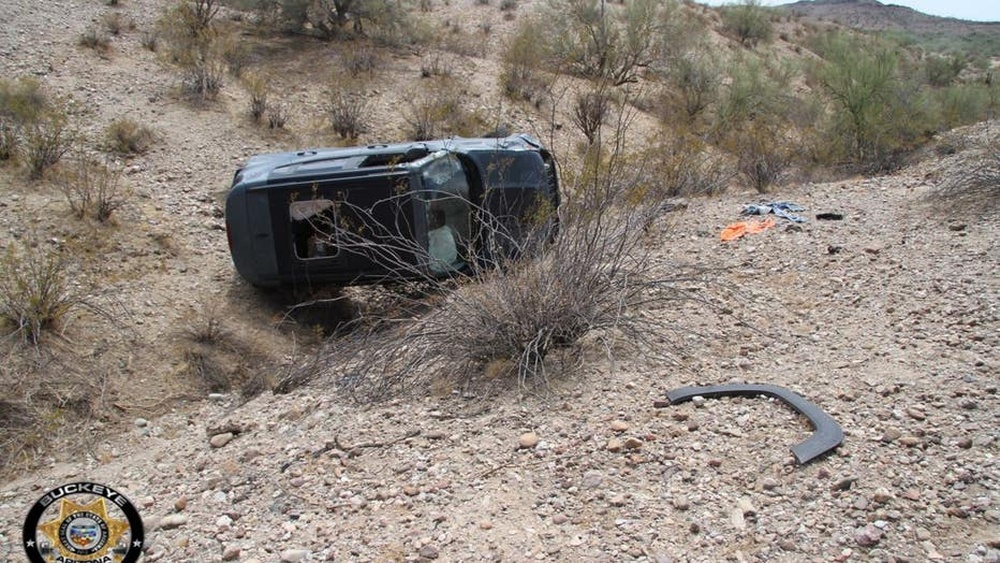
After Daniel vanished, a search began across the desert west of Phoenix. Almost a month later, on July 19, 2021, his Jeep Renegade was found by a local rancher.
Location Details:
- The Jeep was found in a remote part of the Sonoran Desert, about 4 miles southwest from Daniel’s last known location.
- The area is near the intersection of Sun Valley Parkway and Cactus Road, west of Buckeye, Arizona.
- This spot is isolated, with rough terrain and very little traffic.
The following table gives a quick comparison of the distance and terrain between Daniel’s last worksite and where his Jeep was found:
| Location | Distance from Worksite | Terrain Type |
|---|---|---|
| Job Site (Last Seen) | 0 miles | Desert, dirt roads |
| Jeep Discovery Site | ~4 miles SW | Remote desert, steep ravine |
Condition Of The Jeep And Surrounding Area
When authorities found Daniel’s Jeep, its state raised many eyebrows.
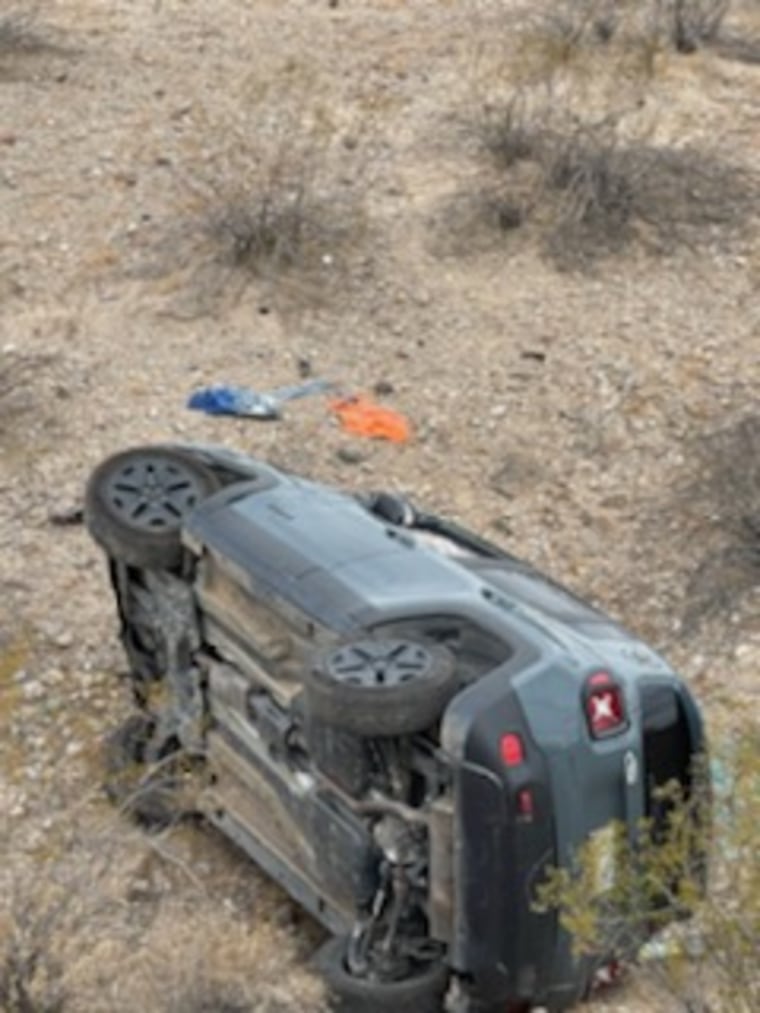
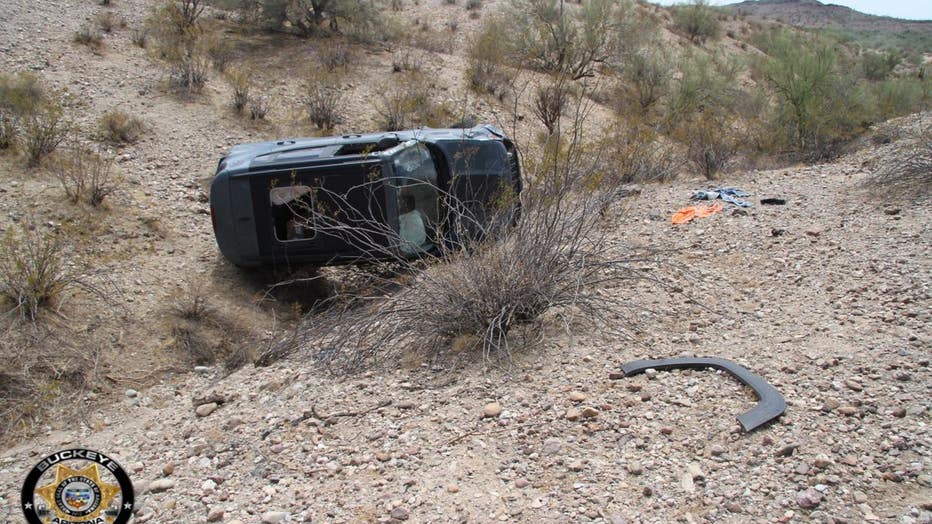
- The vehicle was lying on its passenger side at the bottom of a 20-foot ravine.
- The airbags had deployed, and the windshield was broken.
- Daniel’s clothes, phone, and wallet were found either inside or near the Jeep.
- The keys were also discovered at the scene.
Investigators examined the car’s data to estimate what happened before and after the crash. They learned:
- The Jeep had been driven into the ravine at high speed.
- After the airbags deployed, the ignition was turned on at least 46 more times.
- No blood or obvious injury signs were found inside.
Here’s a table summarizing the key findings at the scene:
| Item | Found Location | Significance |
|---|---|---|
| Clothing | Near Jeep | Unusual to remove after accident |
| Phone & Wallet | Inside Jeep | Not taken, suggests sudden exit |
| Keys | At scene | Not lost or taken |
Why Is The Discovery Site Important?
The place where Daniel’s Jeep was found offers several clues but also more questions:
- Remote location: The Jeep’s location is not along a main road. Getting there would require driving through rough desert terrain, which is uncommon unless you know the area well or are lost.
- Crash details: The way the car was driven into the ravine suggests a high-speed accident, not a simple off-road slip.
- Personal items left behind: Most people in a crisis take their phone or wallet. Daniel’s belongings being left behind is unusual.
These points have led some to believe that Daniel might have become confused, disoriented, or that foul play cannot be ruled out. However, there is no clear evidence pointing to a crime.
What Makes This Case Stand Out?
While many missing person cases involve abandoned vehicles, Daniel Robinson’s case is unique for a few reasons:
- Vehicle data: The car’s computer provided detailed logs of when the engine was started after the crash. This level of detail is rare and helps understand the timeline.
- Time before discovery: The Jeep sat undiscovered for nearly a month in the desert, despite search efforts.
- Family-led investigation: Daniel’s family launched their own search and investigation, raising public awareness and finding evidence missed by initial searches.
One insight that is often missed by beginners is the importance of vehicle telemetry. Many newer cars record speed, airbag deployment, and ignition data, which can be retrieved by investigators. Another detail is that desert environments can hide evidence for weeks or months, making searches much harder.
Ongoing Questions And Theories
Despite the Jeep’s discovery, Daniel Robinson remains missing. The site’s remoteness and the strange condition of his belongings create many theories, including:
- Voluntary disappearance
- Medical emergency (such as dehydration or confusion)
- Third-party involvement
While the Buckeye Police Department has conducted their own investigation, Daniel’s family believes not all evidence has been explored. For further background, you can read more at the official Wikipedia entry.
Frequently Asked Questions
Where Exactly Was Daniel Robinson’s Jeep Found?
Daniel’s Jeep was discovered about 4 miles southwest from his last job site, in a remote ravine near Sun Valley Parkway and Cactus Road, west of Buckeye, Arizona.
Was There Any Sign Of Daniel Near The Jeep?
No, there were no physical signs of Daniel at the scene. His clothing and belongings were found, but there was no evidence of where he went after leaving the Jeep.
Did Investigators Find Any Evidence Of Foul Play?
There is no public evidence directly pointing to foul play, but some details, such as the removal of clothing and the car’s condition, remain unexplained.
What Did The Car’s Data Reveal?
The Jeep’s data showed it was driven into the ravine at high speed and that the ignition was turned on dozens of times after the crash, possibly suggesting attempts to restart the car.
Is The Investigation Into Daniel Robinson’s Case Still Active?
Yes, the investigation remains open. Daniel’s family continues to search for answers and encourages anyone with information to come forward.
The mystery of where Daniel Robinson’s Jeep was found has only deepened the puzzle of his disappearance. The remote location, unusual condition of the car, and personal items left behind make this case stand out. Continued public interest and family-led efforts show that hope for answers remains strong.