Taking the hardtop off your Jeep can be a tough job, especially if you often ride solo or don’t have much storage space. Many Jeep owners love the freedom of removing their hardtop, but struggle with the weight, awkwardness, and risk of damage.
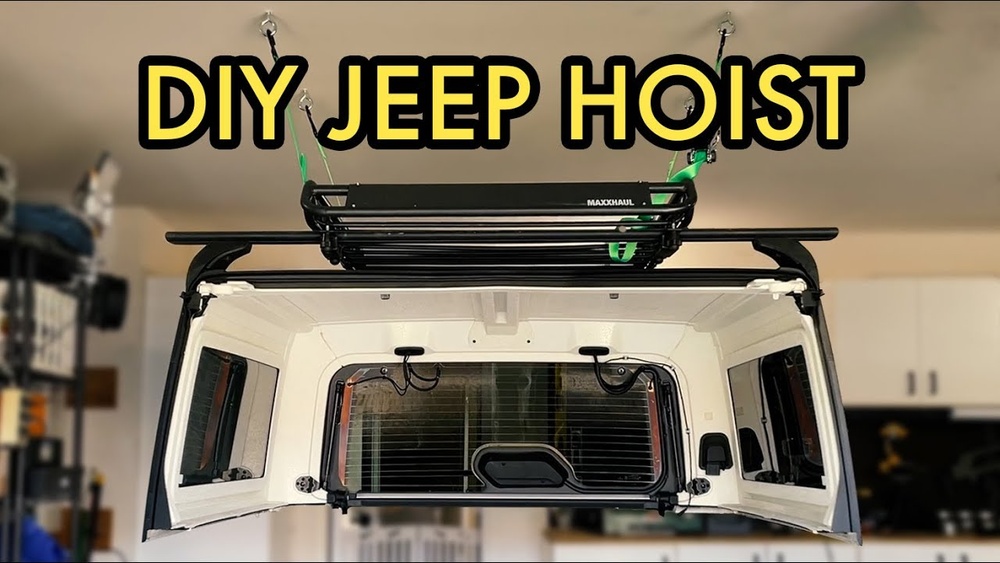
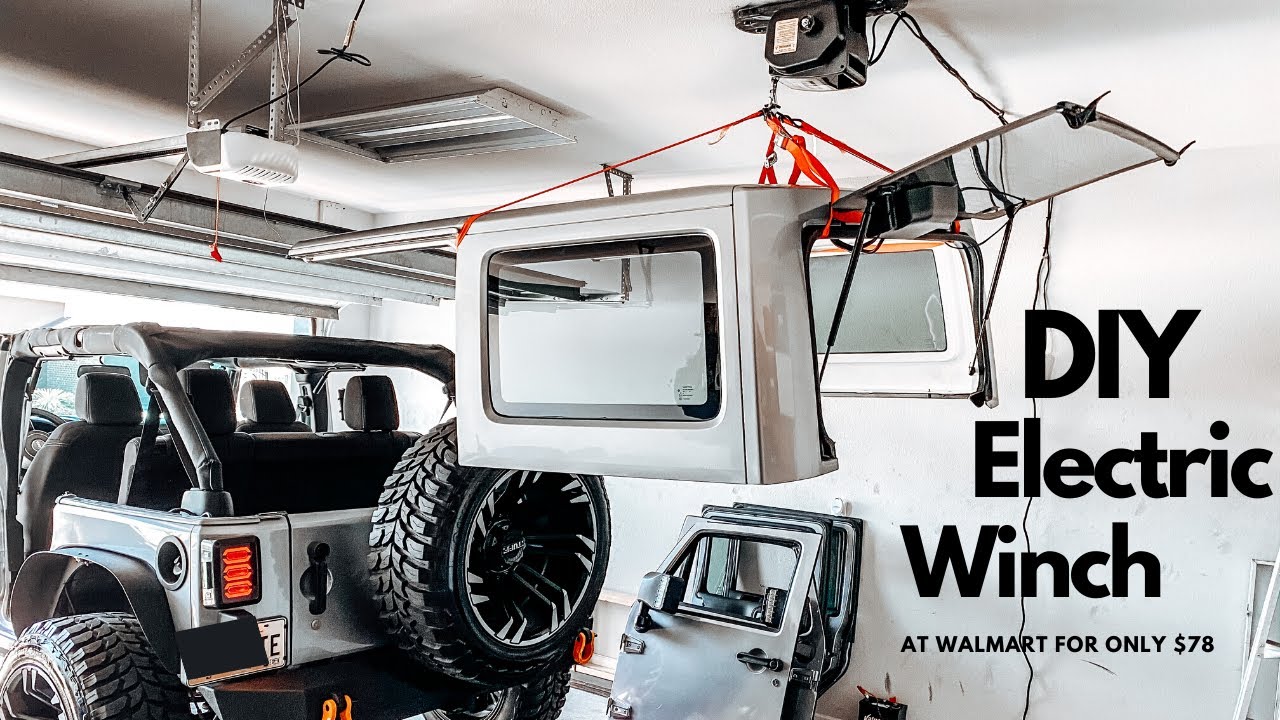
A DIY Jeep hardtop hoist is a game-changer. It lets you easily lift, remove, and store your hardtop, all in your own garage.
Here’s how you can build one, what you need to think about, and common mistakes you should avoid.
Why Build A Diy Jeep Hardtop Hoist?
A hardtop can weigh between 120 to 150 pounds (54–68 kg). Lifting that much is not only difficult—it can also scratch or crack your expensive top if you slip. Commercial hoists cost anywhere from $150 to $500. Building your own can save you money, let you customize, and give you the satisfaction of a job well done.
A DIY hoist is especially helpful if:
- You often remove your Jeep’s hardtop alone
- You want to save garage space
- You want to avoid scratches and damage
What You’ll Need: Tools And Materials
You don’t need special skills, but you do need the right parts. Here’s a sample list for a simple pulley-based hoist:
- Heavy-duty pulleys (at least 2, rated for 200+ lbs)
- Rope or nylon cord (strong, 3/8”–1/2” thickness)
- Eye bolts or ceiling anchors (securely mounted into ceiling joists)
- Lifting straps or wide nylon webbing
- Hand crank or winch (manual or electric, optional)
- Drill, wrench, and measuring tape
- Screws and washers
Always check the weight rating of every part. Your hoist is only as strong as its weakest link.
Step-by-step Guide To Building Your Hoist
1. Find Your Ceiling Joists
Use a stud finder to locate strong ceiling joists. Do not hang a hoist from drywall or weak wood. Mark the spots where you’ll place the eye bolts.
2. Install Ceiling Anchors
Drill pilot holes, then screw in the eye bolts or anchors. Make sure they’re tight and secure. Most hardtops are about 4–5 feet long, so space your anchors to match the hardtop’s length.
3. Attach The Pulleys
Connect your pulleys to the eye bolts. The pulleys let the rope move smoothly, so you can lift the hardtop with less effort.
4. Add The Rope Or Cord
Thread the rope through the pulleys. One end should reach the floor for you to pull. The other end will connect to the lifting straps or webbing.
5. Secure The Lifting Straps
Loop the straps under your Jeep’s hardtop. Place them where the top is strongest—usually near the corners and at least one in the middle. Make sure straps are flat and untwisted.
6. Lift The Hardtop
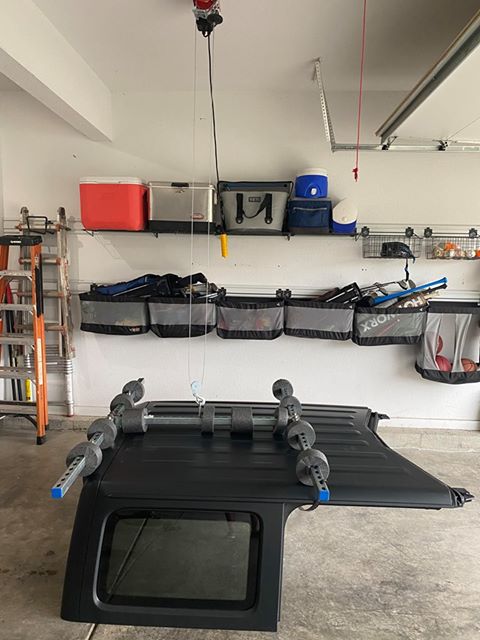
Stand clear, then pull the rope to lift the hardtop. Go slow and steady. If you have a winch, use it for even lifting. Once the top is high enough, secure the rope so the top stays safely above your Jeep.
7. Store Or Lower The Hardtop
You can leave your hardtop hanging or lower it onto a padded surface. Never leave it half-suspended or unsecured.
Typical Diy Hoist Costs Vs. Commercial Hoists
Here’s a quick look at cost differences:
| Item | DIY Hoist | Commercial Hoist |
|---|---|---|
| Materials/Kit | $40–$100 | $150–$500 |
| Installation Time | 2–3 hours | 30–60 min |
| Custom Fit | Yes | Sometimes |
A homemade hoist is more budget-friendly and lets you design for your garage size.
Key Safety Tips
- Use only load-rated hardware and pulleys.
- Double-check all knots, straps, and rope before every lift.
- Keep children and pets away when lifting or lowering.
- Wear gloves to avoid rope burns.
- Test your hoist with a heavy object before lifting your hardtop.
Common Mistakes And How To Avoid Them
Many DIYers make avoidable errors. Watch out for these:
- Anchoring into drywall: Drywall can’t support the weight. Always anchor into joists.
- Using weak rope or hardware: One cheap part can cause a disaster.
- Lifting too quickly: Quick lifts lead to swinging, bumps, or falls.
- Bad strap placement: This can crack your hardtop. Straps must be flat and support the top’s weight evenly.
- Ignoring regular checks: Inspect your system at least once a season for wear or looseness.

Example: Simple Rope-and-pulley Hoist
This setup works for most two-door and four-door Jeeps.
| Component | Recommended Specification |
|---|---|
| Pulleys | 2-inch, steel, 250 lb rating |
| Rope | 3/8” braided nylon, 400 lb rating |
| Eye bolts | 1/2”, steel, 200 lb rating |
| Lifting straps | 2-inch wide, 500 lb rating |
Is A Diy Hoist Right For You?
If you’re handy, want to save money, and have a little time, a DIY Jeep hardtop hoist is a great project. It pays off every spring and fall when you want to swap your hardtop for a soft top—or just enjoy open air. But if you’re not comfortable with tools or heights, a store-bought system may be safer.
For more details on Jeep hardtop removal and storage, you can check this Quadratec Hardtop Guide.
Frequently Asked Questions
<!– wp:rank-math/faq-block {"questions":[{"id":"faq-question-c2c82479b3ec","title":"How Much Weight Can A Typical Diy Hoist Support?","content":"Most DIY hoists, if built with quality hardware, can safely hold 150–200 pounds. Always check the weakest part’s rating, and don’t exceed it.
“,”visible”:true},{“id”:”faq-question-87e47e24e4ac”,”title”:”Can I Use A Bike Lift Or Kayak Hoist For My Jeep Hardtop?”,”content”:”Some kayak/bike hoists can work if rated for enough weight (over 150 lbs), but many are too weak or small. Always check specs and test with a heavy load first.
“,”visible”:true},{“id”:”faq-question-8aa945b42e13″,”title”:”Will A Diy Hoist Work In A Garage With Low Ceilings?”,”content”:”Yes, but you’ll have less vertical clearance. Plan your lift height carefully, and make sure your Jeep can drive in or out with the top raised.
“,”visible”:true},{“id”:”faq-question-d51514053d22″,”title”:”Is It Safe To Leave My Hardtop Hanging For Months?”,”content”:”It’s generally safe if your system is strong and secure. However, check hardware and straps regularly, and consider lowering the top onto a padded surface for long-term storage.
“,”visible”:true},{“id”:”faq-question-8da31c72bfc6″,”title”:”What’s The Biggest Mistake To Avoid With A Diy Hoist?”,”content”:”The most serious mistake is anchoring into drywall instead of solid joists. Drywall cannot hold the weight and will fail.
Making your own Jeep hardtop hoist is an affordable, practical upgrade for most Jeep owners. It saves time, protects your investment, and gives you more freedom to enjoy your ride. With the right parts and careful setup, you’ll lift and store your hardtop safely for years to come.
“,”visible”:true}]} –>How Much Weight Can A Typical Diy Hoist Support?
Most DIY hoists, if built with quality hardware, can safely hold 150–200 pounds. Always check the weakest part’s rating, and don’t exceed it.
Can I Use A Bike Lift Or Kayak Hoist For My Jeep Hardtop?
Some kayak/bike hoists can work if rated for enough weight (over 150 lbs), but many are too weak or small. Always check specs and test with a heavy load first.
Will A Diy Hoist Work In A Garage With Low Ceilings?
Yes, but you’ll have less vertical clearance. Plan your lift height carefully, and make sure your Jeep can drive in or out with the top raised.
Is It Safe To Leave My Hardtop Hanging For Months?
It’s generally safe if your system is strong and secure. However, check hardware and straps regularly, and consider lowering the top onto a padded surface for long-term storage.
What’s The Biggest Mistake To Avoid With A Diy Hoist?
The most serious mistake is anchoring into drywall instead of solid joists. Drywall cannot hold the weight and will fail.
Making your own Jeep hardtop hoist is an affordable, practical upgrade for most Jeep owners. It saves time, protects your investment, and gives you more freedom to enjoy your ride. With the right parts and careful setup, you’ll lift and store your hardtop safely for years to come.