Why Does My Jeep Leak When It Rains?
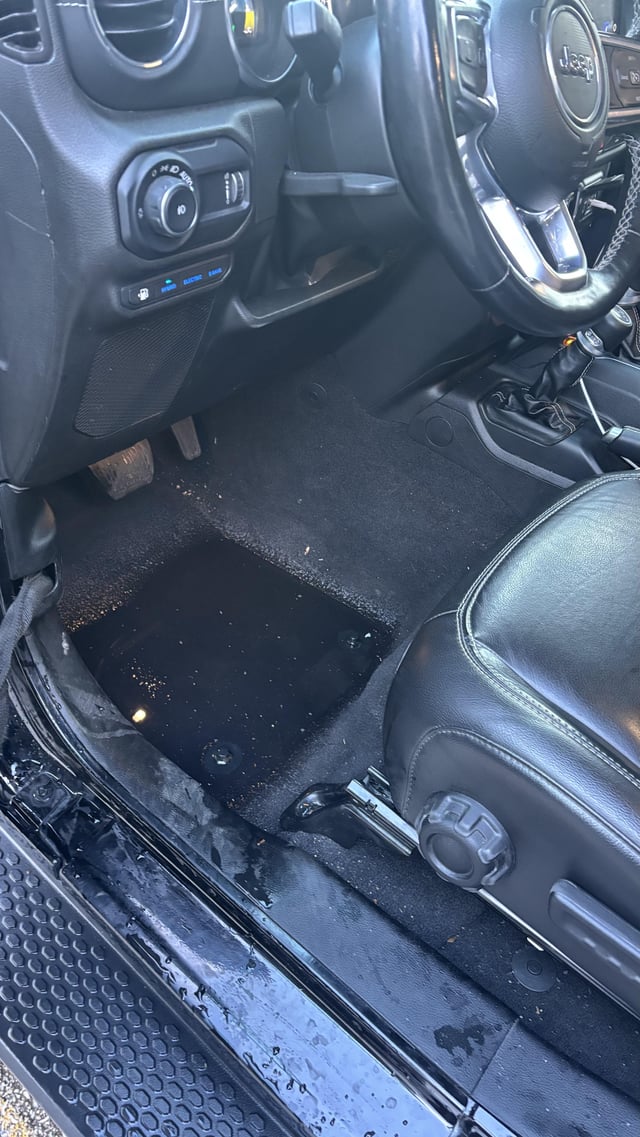
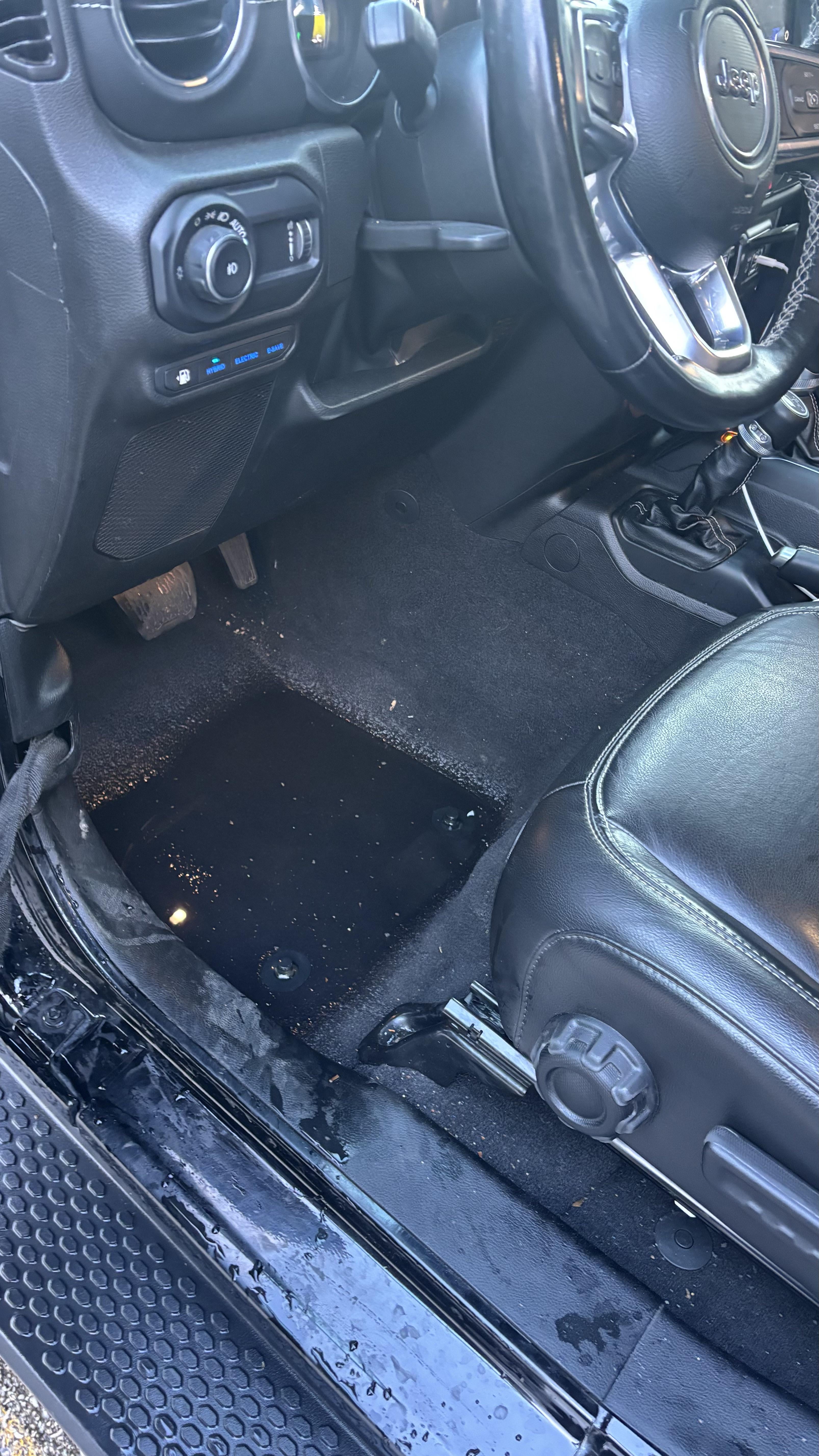
If you love driving your Jeep—whether it’s a Wrangler, Cherokee, or Grand Cherokee—rainy days can bring an annoying surprise: water dripping inside your vehicle. Many Jeep owners notice wet carpets, soaked seats, or water trails on the dashboard after a heavy rain.
It’s frustrating, especially when you expect your vehicle to handle tough weather. This article explains why Jeeps leak when it rains, how to find the source, and what you can do to keep your Jeep dry.
Common Reasons Your Jeep Leaks In The Rain
Jeeps are built for adventure, but their unique design sometimes causes leaks. Understanding the main causes helps you fix the problem faster.
Faulty Door Seals
Door seals—also called weatherstripping—keep water out. Over time, these rubber seals can wear out, crack, or lose shape. Even a small gap lets water in.
- Check for visible cracks or flattening on your door seals.
- Pay attention to wind noise or water stains near the doors.
Removable Top Issues (wrangler, Gladiator)
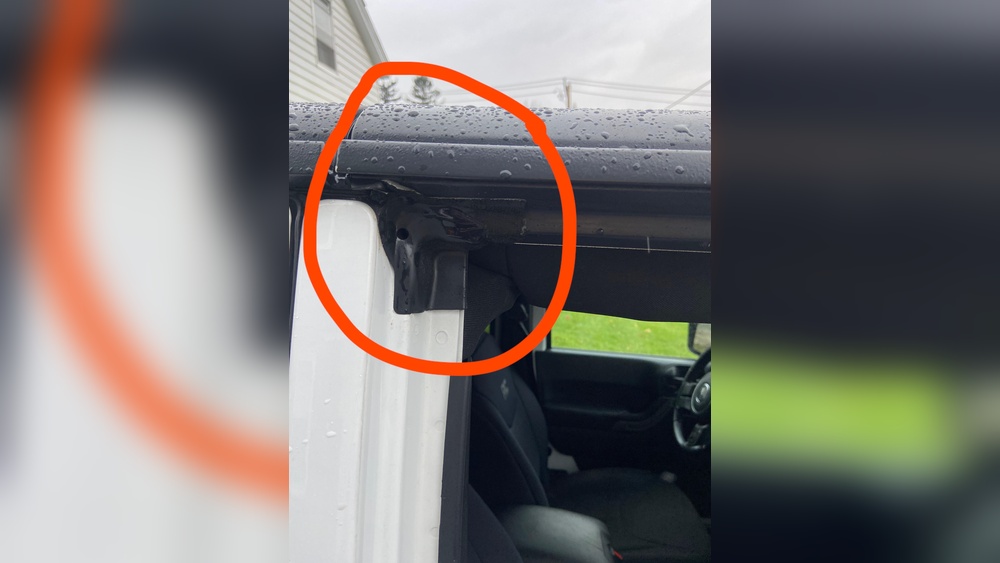
Jeeps with removable tops, like the Wrangler and Gladiator, have extra seams and seals. If the top isn’t seated perfectly, or the seals are damaged, water finds its way inside.
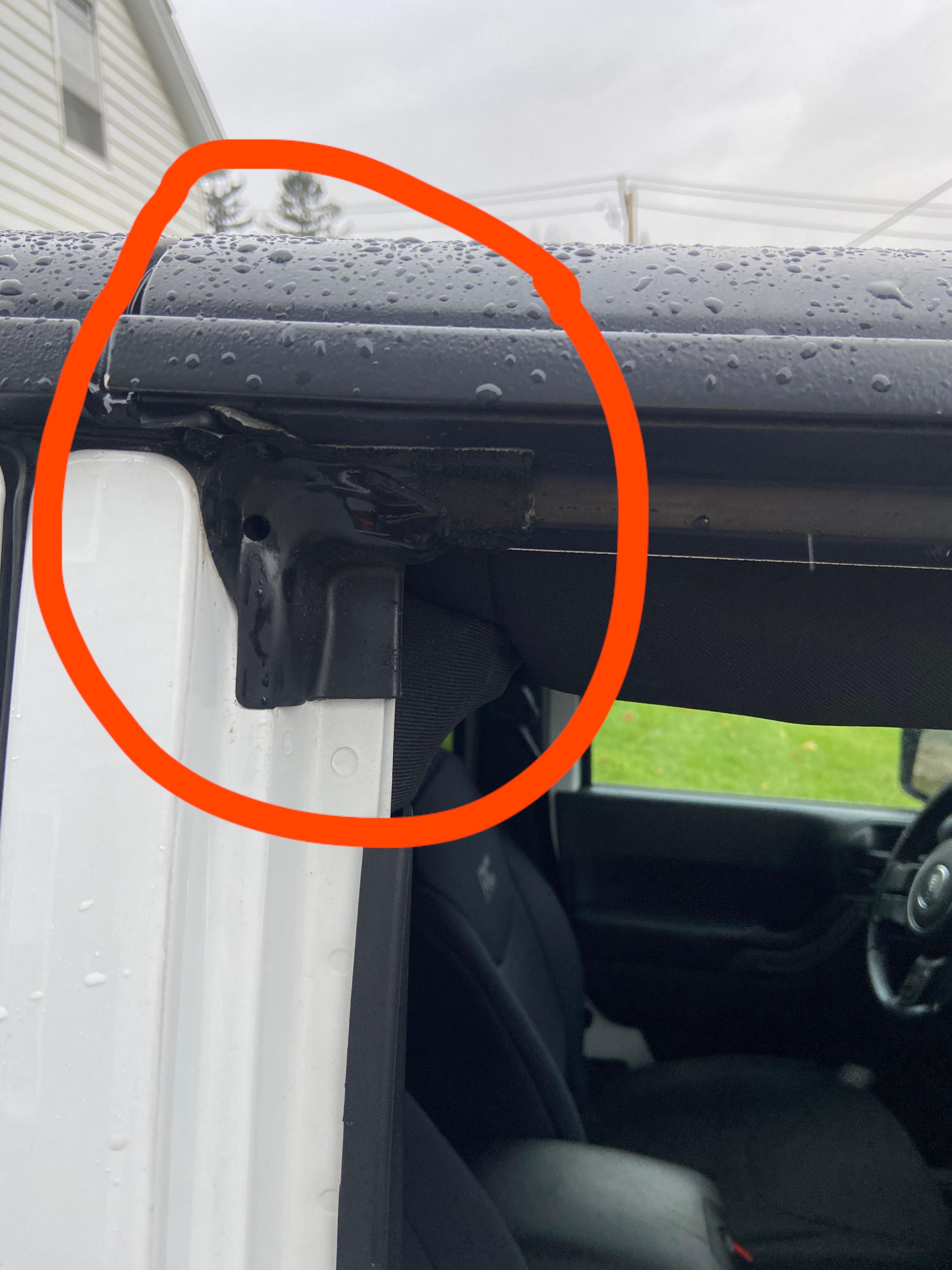
- Hardtops may leak at the front corners or where panels connect.
- Soft tops can stretch, tear, or have worn zippers.
Clogged Or Misaligned Drain Channels
Jeeps have drain channels around doors, windows, and sunroofs. These channels guide water safely away. Leaves, dirt, or debris can block them, causing water to overflow into the cabin.
- Sunroof drains are a common problem spot.
- Mud and sand are frequent blockers for off-road vehicles.
Poorly Sealed Windshield
If the windshield seal is damaged or the glass was replaced incorrectly, water can leak in. This often shows up as damp spots around the dash or footwells.
- Aftermarket windshield replacements sometimes skip factory-quality sealing.
- Tiny gaps can pull in lots of water during storms.
Body Or Frame Rust
Older Jeeps may develop rust holes in the floor or around the wheel wells. Even small rust spots let water in, especially during heavy rain.
- Check for rust under carpet and around door sills.
- Look for bubbling paint, which can hide holes.
Where Is The Water Entering?
Finding the exact leak location is key to fixing it. Here’s how to check the most common spots:
| Area | Signs of Leak | How to Check |
|---|---|---|
| Doors | Wet carpets, water on sills | Close door on a piece of paper—should not pull out easily |
| Roof panels | Drips above seats, wet roll bars | Inspect seals, look for misaligned panels |
| Windshield | Moisture near dash | Run water over windshield, check inside for drips |
| Floor/Rust | Wet floor, musty smell | Lift carpet, inspect for holes or rust spots |
Sometimes, water travels along wires or trim before dripping, so the leak’s entry point may be far from where you see water.
How To Fix Jeep Leaks
You can often fix leaks yourself with some basic tools and patience. Here’s what to do:
- Replace door seals: Buy new weatherstripping from an auto parts store or Jeep dealer. Remove old seals, clean the metal, and press on the new ones firmly.
- Check and reseat roof panels: Remove, inspect, and carefully reinstall soft or hardtop panels. Clean and lubricate seals as needed.
- Clear drain channels: Use a flexible wire or compressed air to clear sunroof and door drains. Pour a small amount of water to test drainage.
- Reseal windshield: If you suspect the windshield, it’s best to get professional help. Poor DIY sealing can make leaks worse.
- Repair rust holes: Small holes can be patched with automotive sealant. Larger rust damage may need welding or panel replacement.
Here’s a quick comparison of DIY vs. professional fixes:
| Repair Type | DIY Cost | Pro Cost | Difficulty |
|---|---|---|---|
| Replace door seal | $30–$80 | $100–$200 | Easy |
| Clear drains | $0 (tools only) | $80–$120 | Easy |
| Reseal windshield | $15–$40 | $80–$300 | Medium/Hard |
| Rust repair | $20–$100+ | $150–$600+ | Medium/Hard |
Preventing Future Leaks
Prevention is easier than frequent repairs. Here’s how to keep your Jeep dry:
- Regularly clean seals and drains. Dirt and mud shorten seal life.
- Inspect rubber parts every few months. Look for cracks or flattening.
- Seat roof panels carefully. Always follow the manual’s instructions.
- Store soft top Jeeps inside or use a good cover during storms.
- Deal with rust quickly. Even surface rust can turn into bigger problems.
Many Jeep owners miss a simple point: off-roading exposes seals and drains to extra dirt, which means more cleaning is needed. Also, parking on a slope can direct water into hidden leaks, so try to park on flat ground during heavy rain.
Real-world Data: Which Jeeps Leak Most?
Some Jeep models and years are more likely to leak. Here’s a look:
| Model | Common Leak Area | Years Most Reported |
|---|---|---|
| Wrangler (JK) | Roof panels, doors | 2007–2017 |
| Wrangler (JL) | Windshield, roof | 2018–present |
| Cherokee | Sunroof drains | 2014–2020 |
| Grand Cherokee | Door seals | 2011–2021 |
The Wrangler JK is especially known for leaking after hardtop removal. The Cherokee has sunroof drain issues that can soak the headliner and dash electronics.
For more details on model-specific leak issues, the National Highway Traffic Safety Administration lists recalls and owner complaints.
Why Fixing Leaks Matters
Ignoring leaks can cause bigger problems than wet feet. Constant moisture leads to:
- Mold and bad odors inside the cabin
- Electrical problems if water reaches wiring under the dash or seats
- Rust damage to floors and frame
- Lower resale value if carpets or seats are stained
Small leaks often get worse over time, so prompt repair saves money and headaches later.
Frequently Asked Questions
Why Does My Jeep Wrangler Leak Even After I Replaced The Seals?
Even with new seals, leaks can happen if the roof panels are not aligned perfectly or if the frame is slightly bent. Clean and re-seat panels carefully and check for hidden cracks.
Can I Use Silicone To Seal Leaks In My Jeep?
Silicone can help with small leaks, but it’s not a long-term fix for damaged weatherstripping or big gaps. Overuse can also make future repairs harder.
Are Jeep Leaks Covered Under Warranty?
Some leaks—especially those caused by defective seals or poor installation—may be covered by the factory warranty or recalls. Check with your dealer for details.
A simple way is to sit inside while someone sprays water with a hose outside. Use a flashlight to look for drips, and check under carpets for dampness.
Is It Normal For All Jeeps To Leak A Little?
Not all Jeeps leak, but models with removable tops or aging seals are more likely to develop leaks over time. Regular care helps most Jeeps stay dry.
Fixing a leaking Jeep is a matter of patience and attention to detail. By understanding where leaks come from and how to prevent them, you’ll keep your Jeep comfortable and ready for any adventure—rain or shine.