Is The Word Jeep Trademarked
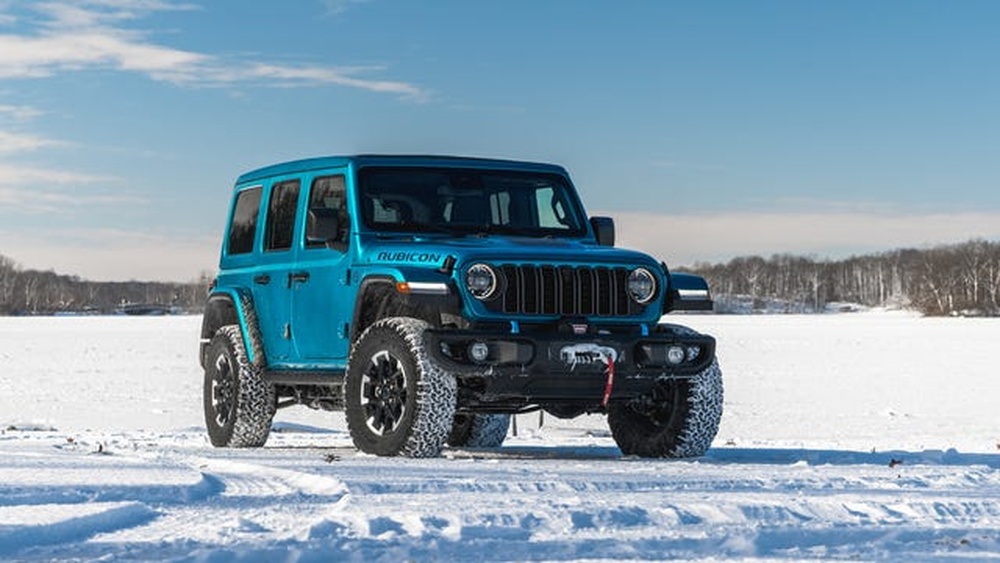
The word Jeep is recognized worldwide as a symbol of rugged vehicles and off-road adventure. Many people use "jeep" to describe any small, tough 4×4.
But is the word Jeep actually trademarked? The answer is more complex than it seems.
Understanding the legal status of "Jeep" can help clarify when and how the word is used, especially in the automotive industry.
The Origin Of The Word Jeep
The history of the word Jeep goes back to World War II. The United States Army needed a light, all-terrain vehicle for soldiers. In 1941, two companies—Willys-Overland and Ford—produced vehicles known as the Willys MB and Ford GPW. Soldiers started calling these vehicles “jeeps,” but the true origin of the name is debated.
Some say “jeep” comes from the slurring of “GP,” short for “General Purpose” or “Government Purpose. ” Others believe it was inspired by a cartoon character named Eugene the Jeep from the Popeye comics. No matter its roots, the term “jeep” quickly became popular with troops and the public.
Is Jeep A Trademarked Word?
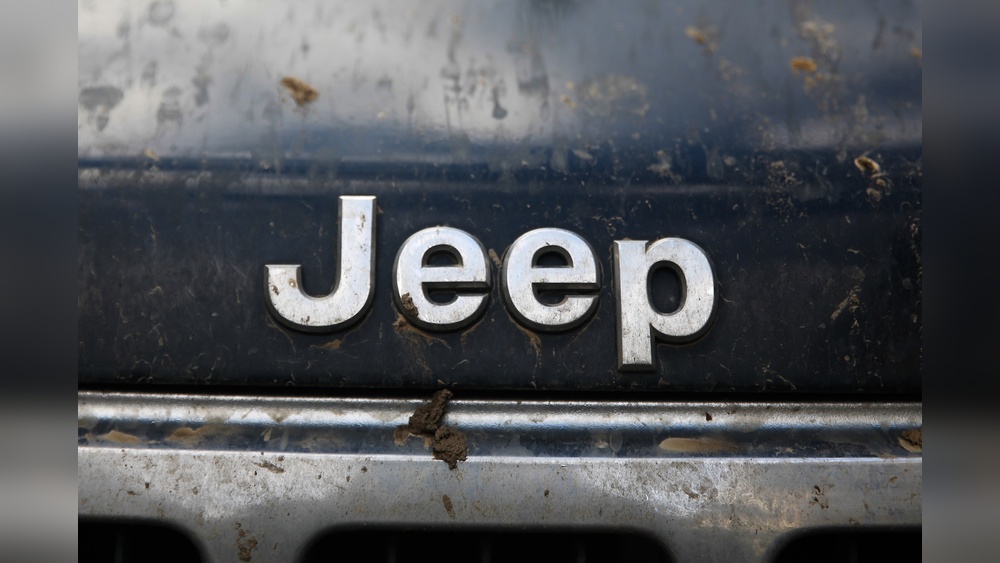
The word Jeep is indeed a registered trademark. The rights are owned by Stellantis N.V., the parent company that now manages the Jeep brand. The first trademark registration for Jeep was filed by Willys-Overland in 1943. Over the decades, this trademark has been renewed and defended many times.
Here’s a summary of Jeep’s trademark status:
| Trademark | Owner | First Use | Status |
|---|---|---|---|
| JEEP | Stellantis N.V. (formerly FCA US LLC) | 1941 | Active |
Jeep is a strong trademark in the United States and many other countries. This means only Stellantis and its authorized partners can use “Jeep” to sell vehicles and related products. Using the name in a way that confuses customers or appears to be connected to the official Jeep brand can lead to legal problems.
Can Anyone Use The Word Jeep?
There is a clear line between trademarked use and generic use. When people say, “I have a jeep” but refer to a non-Jeep brand vehicle, they might be using “jeep” in a generic sense. However, commercial use is much more strict.
| Situation | Use of ‘Jeep’ | Risk of Trademark Violation |
|---|---|---|
| Personal Conversation | “My old jeep broke down.” | Low |
| Car Dealership Ad | “Used Jeeps for Sale” | High (if not official Jeep vehicles) |
| Magazine Article | “History of the Jeep” | Moderate (must clarify if referring to the brand) |
Key points:
- Private, non-commercial use is usually safe.
- Business use can be risky without permission.
- Journalists and historians should clarify when using “Jeep” generically.
How Jeep Protects Its Trademark
Stellantis, like most global brands, aggressively defends the Jeep trademark. Trademark law requires companies to protect their brand names, or they risk losing exclusive rights. Over the years, Stellantis has taken legal action against companies and individuals who used “Jeep” without permission.
Examples of enforcement:
- Aftermarket parts sellers have been sued for labeling non-Jeep parts as “Jeep.”
- Off-road clubs have received warnings for using “Jeep” in their event names.
- Car dealerships have faced lawsuits for advertising other vehicles as “jeeps.”
One thing beginners often miss is that trademark protection does not only cover vehicle sales. It also covers branded merchandise, advertising, club names, and even event sponsorships.
Jeep As A Generic Word: Common Misconceptions
Many people use “jeep” as a generic word for any off-road vehicle. Over time, this kind of usage can weaken a trademark—a process called genericide. Classic examples of lost trademarks include “escalator” and “aspirin,” which both became generic terms.
However, Jeep has not lost its trademark status. Stellantis continues to educate the public and enforce rights to prevent “jeep” from becoming generic legally. For example, you will see the word “Jeep®” with a registered trademark symbol in official materials.
Beginners often overlook that spelling matters. Writing “jeep” with a lowercase “j” in non-commercial contexts may not attract legal attention, but using “Jeep” or the Jeep logo in a business setting is almost certain to cause problems.
Global Trademark Status
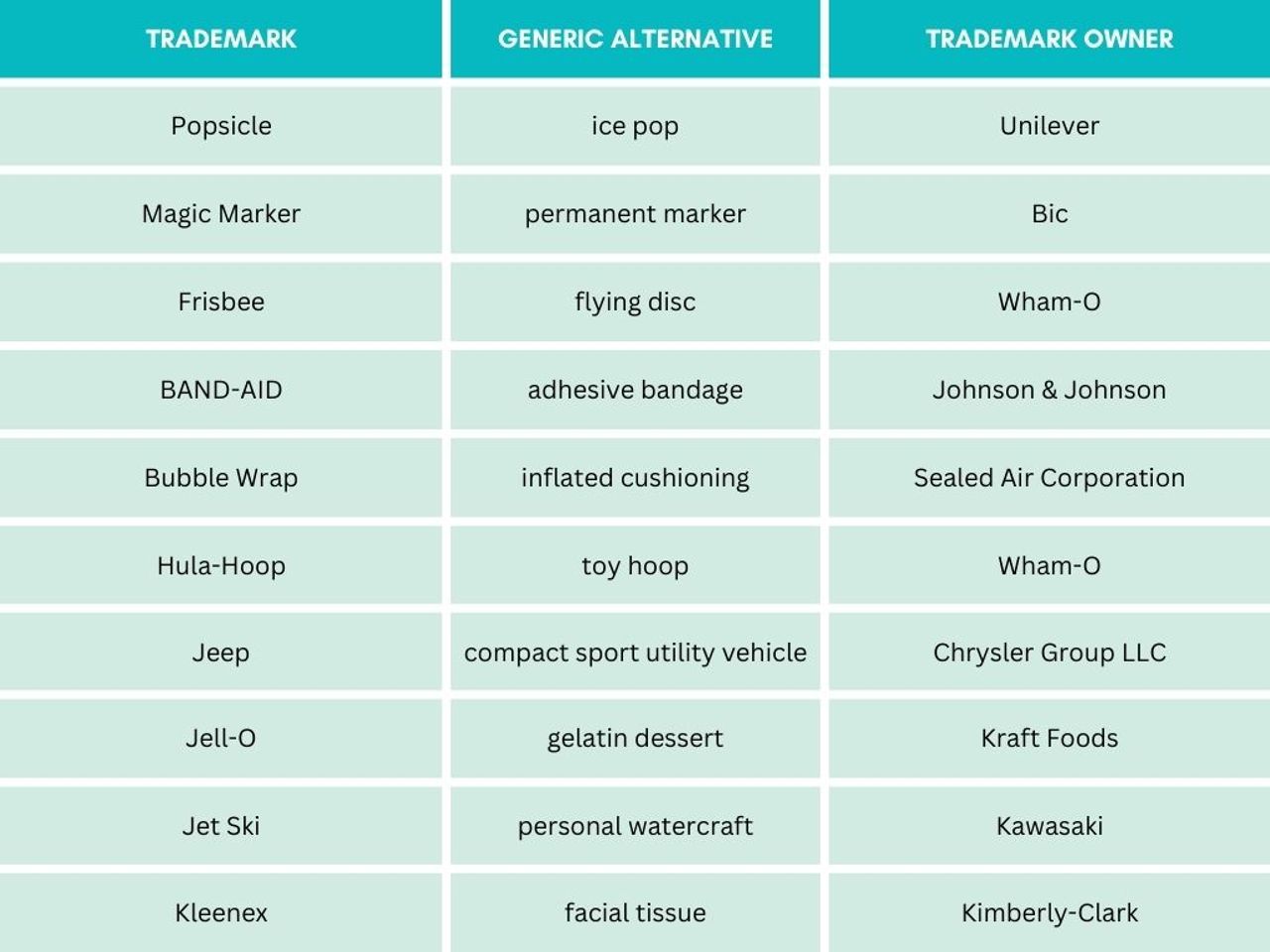
The trademark for Jeep is not only valid in the United States. Stellantis has registered the brand in more than 100 countries. This means that the same rules apply in places like Europe, Asia, and Australia.
Some countries have different rules for enforcing trademarks. In some regions, enforcement is more difficult, especially if local language or customs lead people to use “jeep” generically. Still, Stellantis works with local lawyers to protect the brand wherever possible.
Why Trademark Protection Matters
Maintaining a strong trademark helps Jeep:
- Protect its brand value and reputation.
- Prevent confusion among customers.
- Control quality and safety standards.
For businesses, using a trademarked name without permission can lead to expensive lawsuits or forced rebranding. For consumers, a clear trademark helps identify genuine Jeep products and avoid counterfeits.
How To Refer To Jeep Vehicles Correctly
If you are writing or selling products, follow these tips:
- Use Jeep® with the ® symbol on first mention.
- Never use “Jeep” to describe non-Jeep vehicles.
- Avoid “jeep” as a generic term in marketing.
- Do not use Jeep logos or stylized lettering without permission.
Writers and journalists should clarify when they mean the brand versus a general type of vehicle. For example, say “off-road vehicle” or “4×4” if not referring to the official Jeep brand.