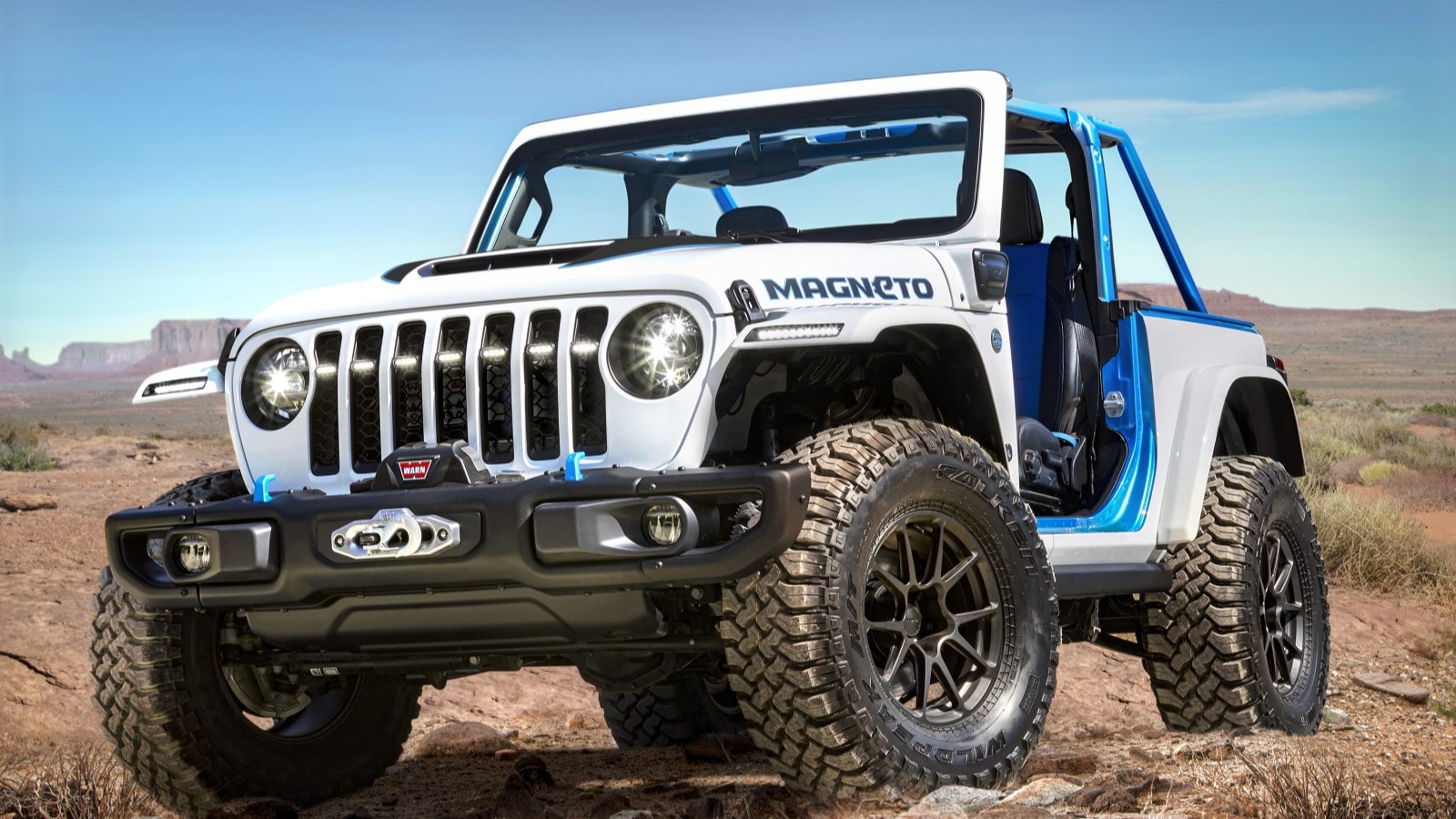
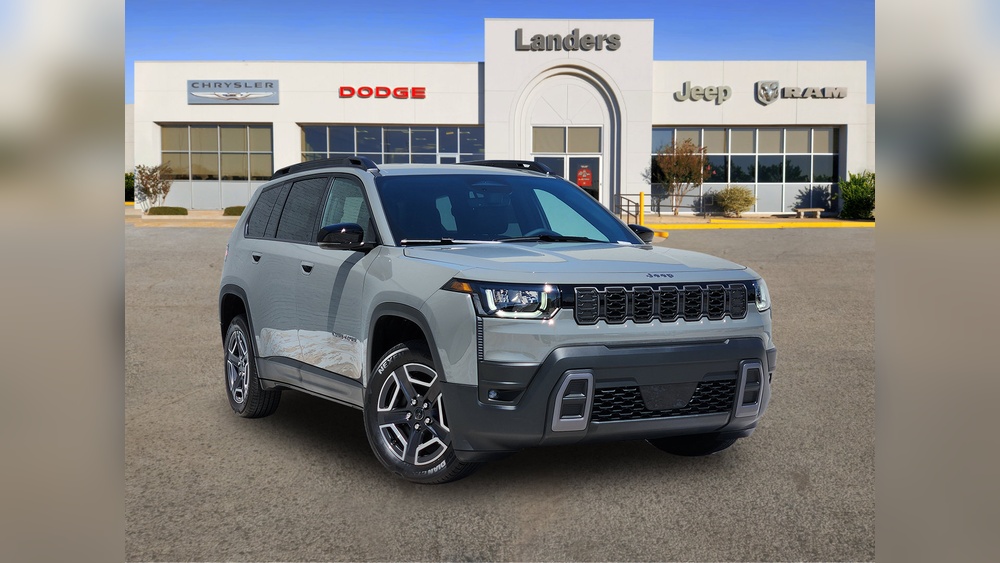
Jeep is a brand known for rugged SUVs and off-road adventures. For decades, Jeep vehicles have used powerful gasoline engines.
But as the world shifts toward electric cars, many people ask: Will Jeep go electric? The answer is more complex than a simple yes or no.
Let’s explore how Jeep is approaching electrification, what changes are coming, and what this means for drivers who love the classic Jeep experience.
Jeep’s Electric Plans: The Big Picture
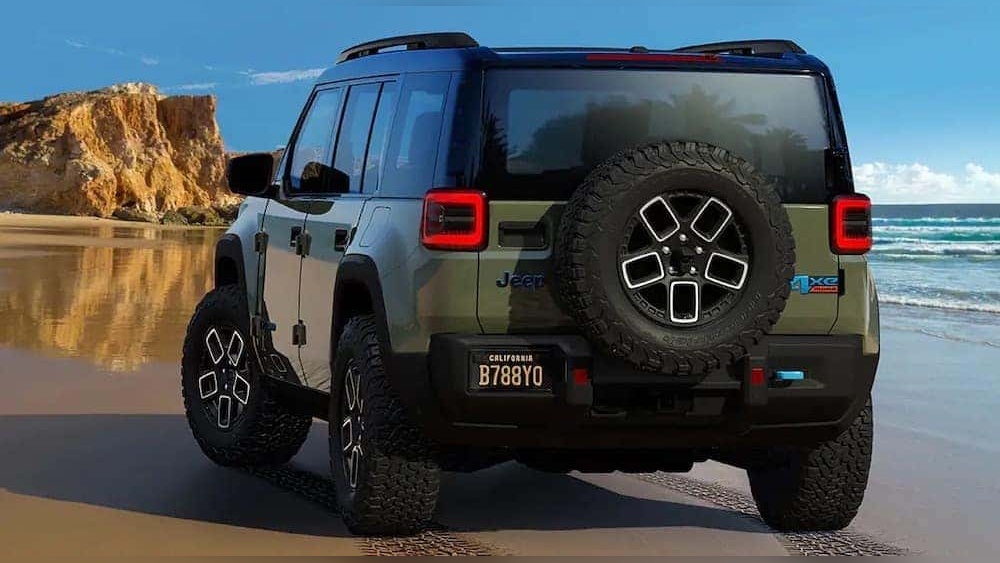
Jeep has not ignored the global push for electric vehicles (EVs). In fact, Jeep announced a strategy called “Zero Emission Freedom.” The company plans to offer electric options for every Jeep model by 2025. This does not mean every Jeep will be electric, but buyers will have a choice.
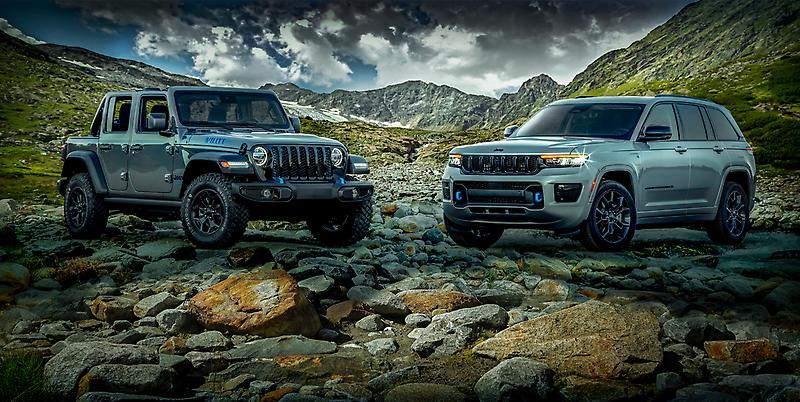
In 2022, Jeep revealed the Jeep Recon and Jeep Wagoneer S as fully electric SUVs. The Wagoneer S is expected to deliver up to 600 horsepower and a range of 400 miles per charge. Jeep also introduced plug-in hybrid models like the Wrangler 4xe and Grand Cherokee 4xe. These hybrids combine electric motors with gasoline engines, allowing short electric drives and longer trips using fuel.
Why Jeep Is Going Electric
There are several reasons why Jeep is moving toward electric:
- Government Regulations: Many countries, including the US and EU, have strict rules about emissions. Automakers must lower pollution or face fines.
- Customer Demand: More buyers want vehicles that are cleaner and cheaper to drive. Electric cars are popular in cities and among families.
- Competition: Brands like Ford and Rivian are launching electric SUVs and trucks. Jeep must compete to stay relevant.
Jeep’s electric shift is not just about rules—it’s also about keeping their vehicles exciting and practical.
Electric Vs Gasoline Jeep: What’s Changing?
Switching to electric power changes several things about Jeep vehicles. Here’s a comparison to make it clear:
| Feature | Gasoline Jeep | Electric Jeep |
|---|---|---|
| Engine Sound | Loud, classic Jeep growl | Quiet, almost silent |
| Torque | Good, builds slowly | Instant, high torque |
| Fuel Cost | High, variable | Low, stable |
| Emissions | CO2 and pollution | Zero tailpipe emissions |
| Range | 300–500 miles/tank | 200–400 miles/charge |
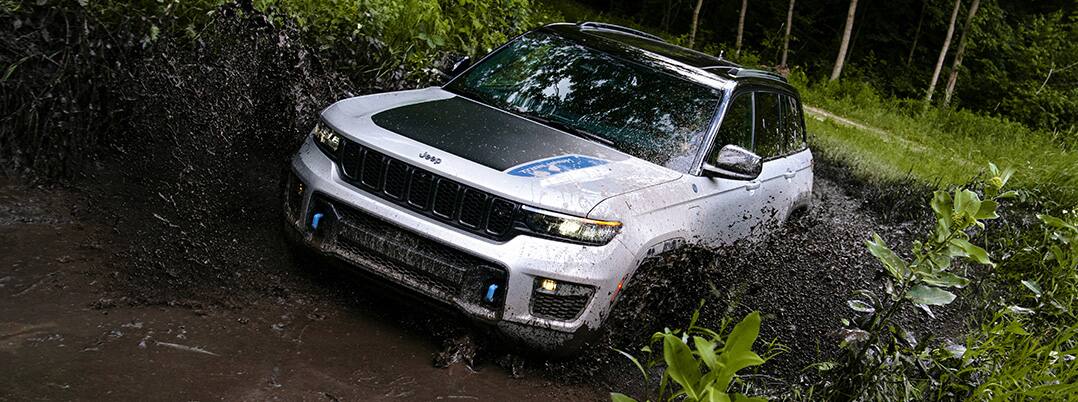
Electric Jeeps will feel different to drive, especially off-road. Electric motors offer instant torque, which helps in tough terrain. But charging takes longer than refueling, and charging stations are not as common as gas stations yet.
Jeep’s Electric Models: What’s Available And What’s Coming
Jeep’s first electric steps are plug-in hybrids. The Wrangler 4xe is now the best-selling plug-in hybrid in the US. It can drive about 21 miles on electricity before switching to gas. This is enough for daily errands or short commutes.
Here’s a quick look at Jeep’s current and planned electric offerings:
| Model | Type | Electric Range | Release Year |
|---|---|---|---|
| Wrangler 4xe | Plug-in Hybrid | 21 miles (electric) | 2021 |
| Grand Cherokee 4xe | Plug-in Hybrid | 25 miles (electric) | 2022 |
| Jeep Wagoneer S | Fully Electric | 400 miles | 2024 (planned) |
| Jeep Recon | Fully Electric | 300+ miles | 2024 (planned) |
More models are likely coming, as Jeep aims for every vehicle to have an electric or hybrid option.
Challenges For Electric Jeep
Going electric is not simple for Jeep. Some challenges are:
- Charging Infrastructure: Off-road drivers may not find chargers in remote places.
- Battery Weight: Batteries are heavy, which can affect handling and performance.
- Cost: Electric Jeeps are more expensive upfront, though they save money on fuel and maintenance.
One insight many beginners miss: cold weather can lower battery range. If you drive in snow or cold, your electric Jeep may not go as far as expected. Also, towing heavy loads reduces range.
Jeep is working on solutions. For example, solar-powered charging stations for trails, lighter battery designs, and software updates to help manage battery use.
Will Jeep’s Electric Cars Still Be “jeep”?
Jeep fans worry that electric models might lose the Jeep spirit. The brand is famous for rugged reliability, simple mechanics, and a sense of adventure. Electric vehicles are more complex, but Jeep is designing them to keep off-road capability.
The Recon, for example, will have removable doors and roof, just like the classic Wrangler. It will offer 4×4 drive, a key feature for rough terrain. Jeep promises their electric models will still handle mud, rocks, and rivers.
One practical tip: for now, drivers who need long-range or frequent off-road trips may prefer hybrid models. Fully electric Jeeps are best for city, suburbs, or short adventures.
Global Impact: Jeep’s Electric Future
Jeep’s move to electric is part of a bigger change in the car industry. By 2030, experts expect over 50% of new cars sold worldwide to be electric or hybrid. Jeep’s electric plan helps reduce pollution and meets new laws.
The company is not alone. Other brands, like Toyota and Land Rover, are also launching electric SUVs. Jeep’s strong reputation gives it an advantage, but it must adapt quickly.
For more information about Jeep’s electrification strategy and the global EV trend, visit the official Stellantis Jeep Electrification Strategy.
Frequently Asked Questions
Will All Jeeps Become Electric?
No, Jeep will offer electric options for every model by 2025. Gasoline and hybrid choices will still be available.
How Far Can An Electric Jeep Drive On One Charge?
The planned Wagoneer S can go up to 400 miles per charge. Actual range depends on driving style and conditions.
Are Electric Jeeps Good For Off-road?
Yes, electric Jeeps will have 4×4 systems and instant torque. Charging in remote areas is a challenge, but Jeep is planning solutions.
Will Electric Jeeps Cost More?
Electric Jeeps have a higher upfront cost but lower fuel and maintenance expenses over time.
How Long Does It Take To Charge An Electric Jeep?
Charging time depends on the charger. Fast chargers can fill a battery in 30–60 minutes, while home charging takes several hours.
Jeep is moving toward electric, but classic features and adventure will stay. The next few years will show how well Jeep blends old strengths with new technology. For fans and new buyers, the future looks exciting and cleaner.