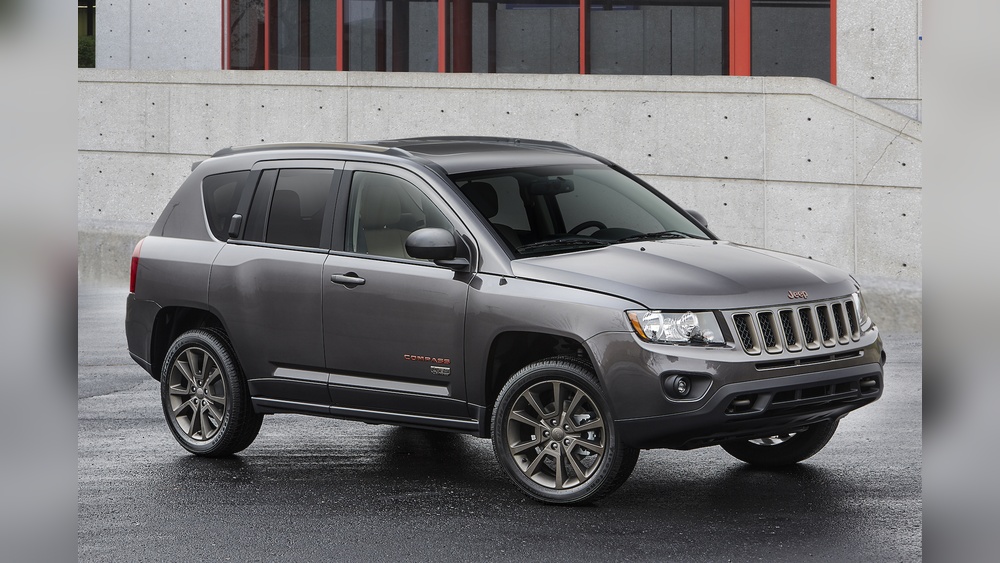
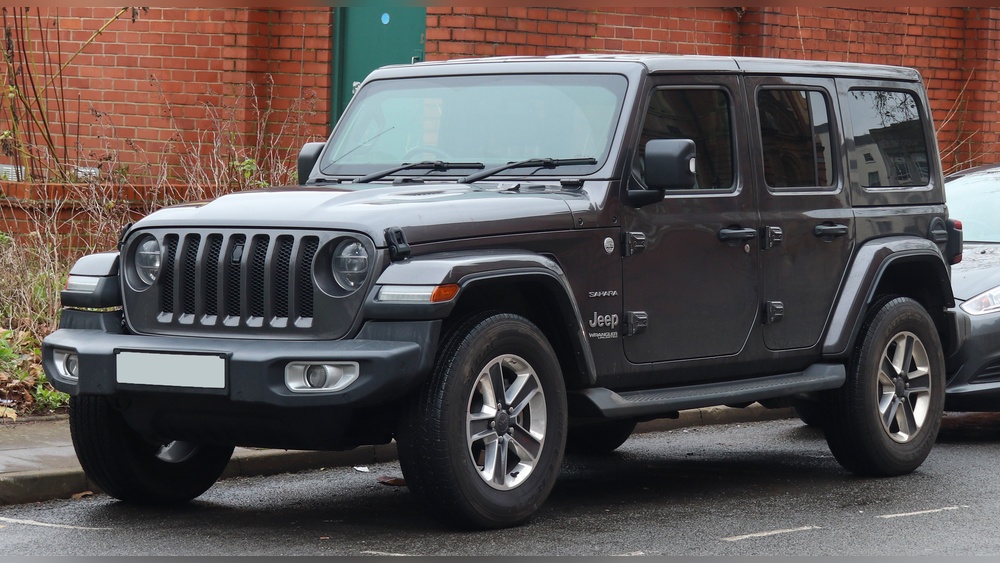
If you drive a Jeep, you may have seen a winch mounted on the front bumper. Maybe you wondered what it’s for, or if you need one yourself.
A winch is not just an accessory—it’s a tool that can make adventures safer and more enjoyable. Whether you go off-road, explore muddy trails, or just travel in rough conditions, understanding what a Jeep winch is used for can help you decide if it’s a good investment.
What Is A Jeep Winch?
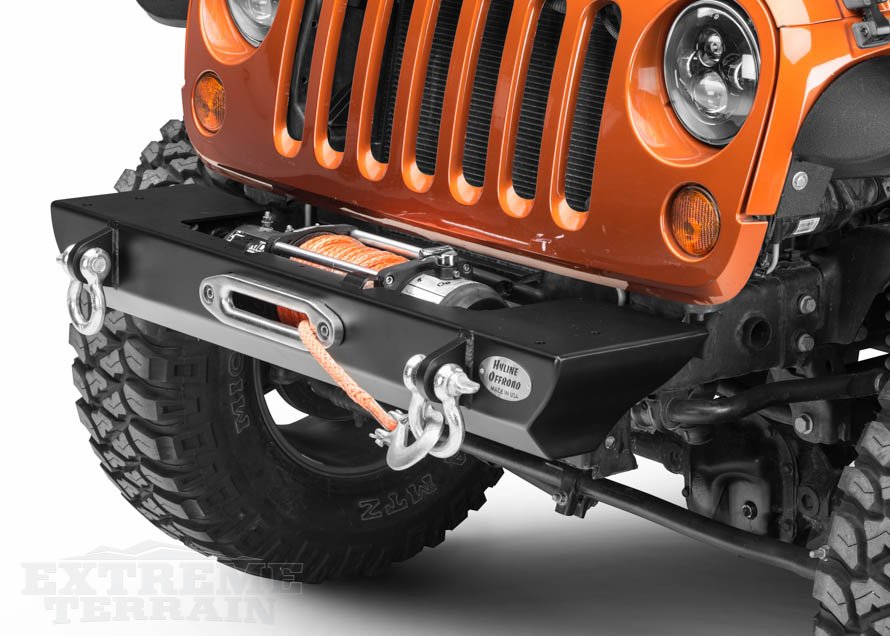
A Jeep winch is a device mounted on the front (sometimes rear) of the vehicle. It uses a strong cable or synthetic rope, powered by an electric motor, to pull heavy loads or help the Jeep move when wheels lose traction. The winch is controlled with a remote or switch, allowing you to reel in or let out the cable as needed.
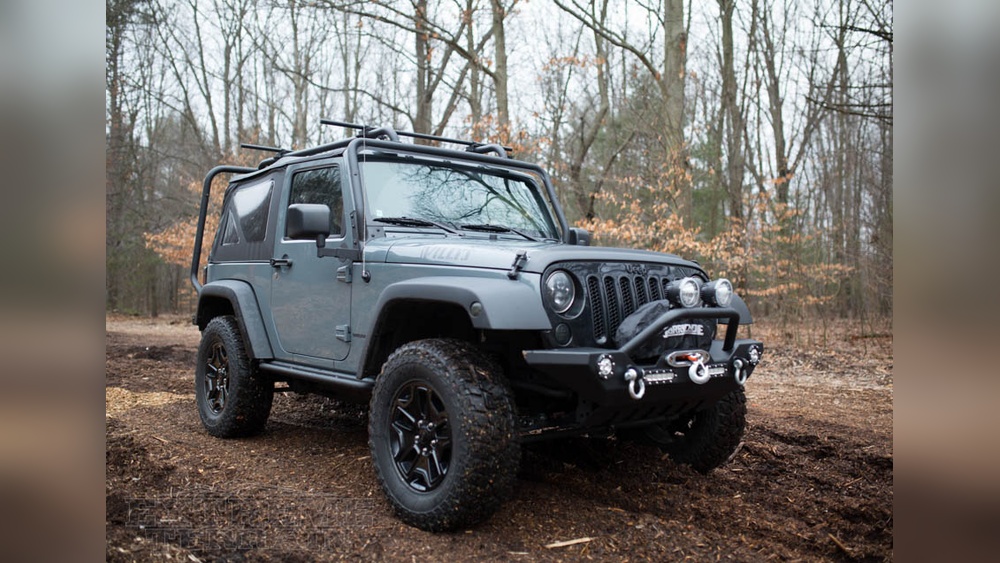
Most winches are rated by their pulling power, measured in pounds. For example, a typical Jeep winch might have a 9,000-pound capacity, enough for most situations. The winch connects to a secure point, such as a tree or another vehicle, and pulls the Jeep out of trouble.
Main Uses Of A Jeep Winch
A Jeep winch is much more than a recovery tool. Here are the most common uses:
- Vehicle Recovery: If your Jeep gets stuck in mud, sand, snow, or deep water, a winch can pull it out. This is the main reason most off-road drivers install one.
- Obstacle Clearing: Sometimes, trails are blocked by fallen trees, rocks, or debris. A winch can help move these obstacles, so you can continue safely.
- Assisting Others: You may need to help another vehicle that is stuck. With a winch, you can pull friends’ cars or even strangers out of difficult spots.
- Self-Rescue: When you’re alone and stuck, a winch allows self-recovery. You don’t need another vehicle to help.
- Uphill Climbing: In extreme terrain, a winch can help pull the Jeep up steep slopes where traction is low.
- Safety in Expeditions: In remote locations, having a winch gives peace of mind. It reduces the risk of being stranded.
Types Of Jeep Winches
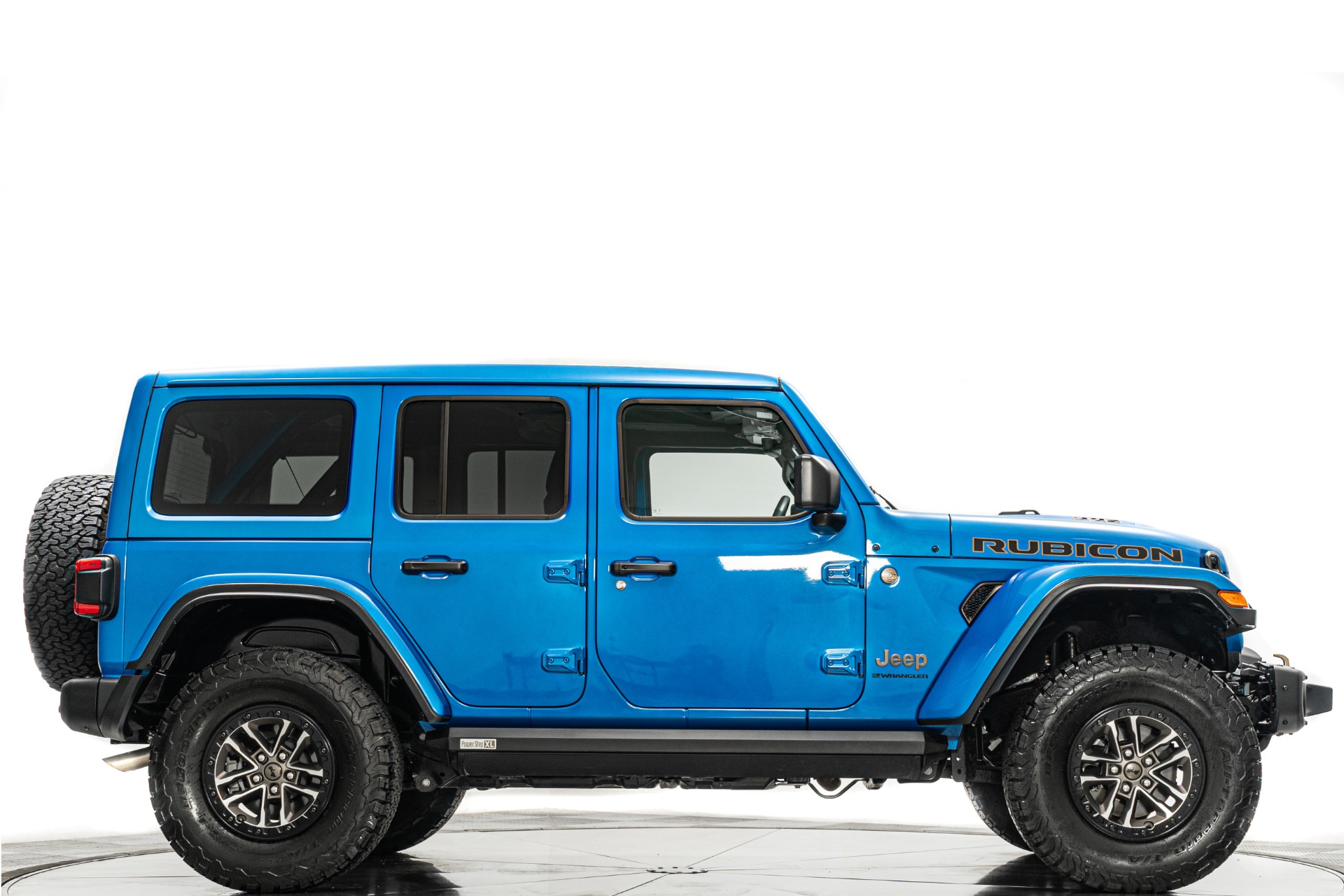
Not all winches are the same. Choosing the right one depends on your needs and vehicle weight.
| Type | Main Feature | Typical Use |
|---|---|---|
| Electric Winch | Powered by Jeep battery | Quick recovery, common on Jeeps |
| Hydraulic Winch | Uses power steering pump | Continuous use, heavy-duty |
Most Jeep owners prefer electric winches because they are easier to install and use. Hydraulic winches are stronger but more complex.
Key Factors To Consider When Choosing A Jeep Winch
If you’re thinking about buying a winch, focus on these factors:
| Factor | Why It Matters |
|---|---|
| Pulling Capacity | Should be 1.5 times your Jeep’s weight |
| Cable Type | Synthetic rope is lighter, safer; steel cable is durable |
| Mounting | Check compatibility with your bumper |
| Control System | Wireless remotes offer convenience |
| Weather Resistance | Waterproof winches last longer |
Many beginners overlook the importance of pulling capacity. For example, if your Jeep weighs 4,000 pounds, choose at least a 6,000-pound winch. Going too small can lead to failure, while oversized winches are heavier and may not fit easily.
Real-world Examples
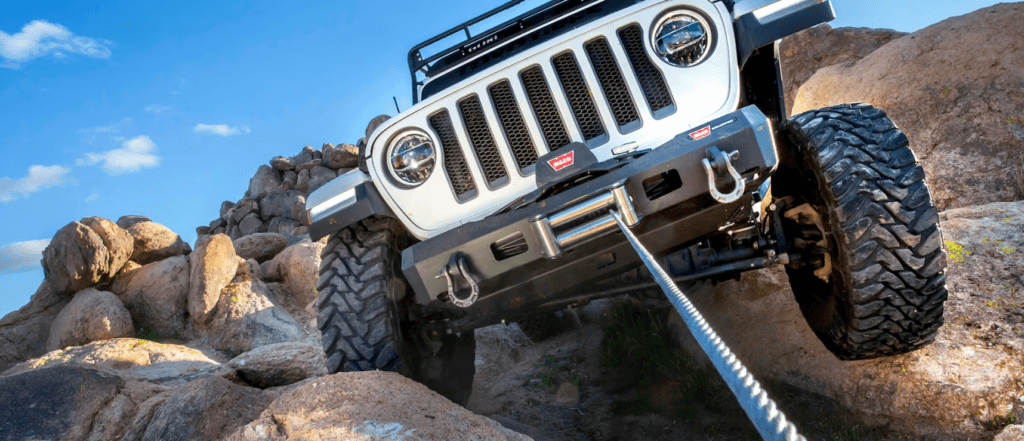
Imagine you’re off-roading in a forest. After heavy rain, the trail is muddy. Your Jeep sinks into a deep rut and the wheels spin but don’t move. With a winch, you anchor the cable to a tree and pull yourself out safely.
Another example: you’re traveling with friends, and one vehicle slips off the path. Using your winch, you can pull them back onto solid ground. These situations are common, especially in areas like the Rocky Mountains or during winter in northern states.
Statistics show that over 40% of off-road recoveries involve winches. According to Consumer Reports, vehicles with winches are twice as likely to finish off-road trips without towing services.
Common Mistakes With Jeep Winches
Many new users make mistakes that can cause problems or even injuries:
- Using a winch without proper training
- Overloading the winch beyond its rated capacity
- Not checking cable condition before use
- Anchoring to weak points that may break
- Standing too close to the cable under tension
Always read the manual, inspect the equipment, and use winch dampers to reduce risk if the cable snaps.
Extra Insights For Beginners
Some Jeep owners don’t realize that a winch can drain the battery quickly. If you use it for long periods, monitor your battery voltage. Also, synthetic ropes need special care they should not touch sharp edges, as they can fray easily.
Another overlooked detail: after using the winch, always rewind the cable slowly and evenly. This prevents tangles and damage for next time.
Frequently Asked Questions
What Size Winch Do I Need For My Jeep?
Choose a winch rated at least 1. 5 times your Jeep’s weight. If your Jeep weighs 4,000 pounds, a 6,000-pound winch is the minimum. Most experts recommend 8,000 10,000 pounds for safety.
Can I Use A Winch For Things Other Than Vehicle Recovery?
Yes. You can use a winch to move heavy objects, clear obstacles, or help other vehicles. Some people use winches for jobs like pulling boats onto trailers or lifting items.
Is It Hard To Install A Winch On A Jeep?
Installation depends on your bumper and the winch model. Many winches are designed for easy mounting, but you may need special brackets or drilling. Always follow the instructions and check compatibility.
Are Synthetic Ropes Better Than Steel Cables?
Synthetic ropes are lighter and safer, as they don’t store as much energy if they break. However, steel cables are more durable and resist abrasion. Choose based on your needs and environment.
How Do I Maintain My Jeep Winch?
Check the cable or rope for damage before each use. Clean the winch after muddy trips. Lubricate moving parts and keep electrical connections tight. Store the remote in a dry place and test the winch regularly.
A Jeep winch is one of the most useful tools for off-road driving. It offers safety, confidence, and freedom to explore places where regular vehicles cannot go. By learning how a winch works and using it correctly, you can turn difficult situations into simple challenges. Whether you’re a weekend explorer or a serious trail rider, a winch is an investment that pays off every time you need a helping hand.