The Jeep Cherokee is one of the most recognized SUVs in the United States. Its reputation comes not only from its rugged design, but also from the quality and power of its engines.
Many drivers are curious about who makes the engine for the Jeep Cherokee, and how those engines compare to others in the market. Understanding the origin and specifications of these engines helps buyers make smarter choices and appreciate what goes under the hood.
Who Makes Jeep Cherokee Engines?
Most Jeep Cherokee engines are made by Stellantis, the parent company of Jeep. Stellantis was formed in 2021, merging Fiat Chrysler Automobiles (FCA) and PSA Group. Before Stellantis, FCA was responsible for manufacturing Jeep Cherokee engines for many years.
Some Jeep Cherokee models, especially older ones, have engines designed or produced by other companies. For example, the early Jeep Cherokees used the AMC (American Motors Corporation) engines. Over time, Jeep shifted towards their own designs and started using engines produced in their own factories.
Engine Manufacturing Locations
Jeep Cherokee engines are mainly produced in the United States:
- Trenton Engine Complex (Michigan): Makes the 3.2L Pentastar V6 and other variants.
- Dundee Engine Plant (Michigan): Produces the 2.4L Tigershark four-cylinder engine.
These plants are known for their high standards and modern technology, ensuring reliability and performance.
Jeep Cherokee Engine Types
Over the years, the Jeep Cherokee has used several types of engines. Here are the most common ones:
- 2.4L Tigershark Inline-4: A popular choice for fuel efficiency and reliability.
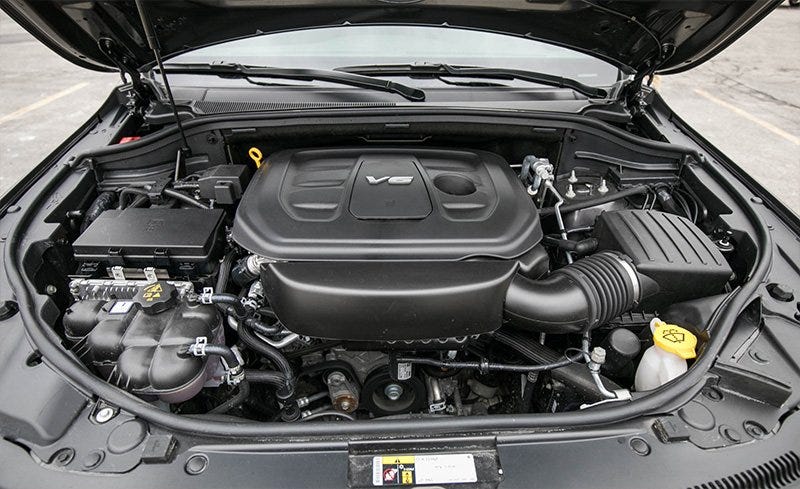
- 3.2L Pentastar V6: Offers more power and is used in higher trims.
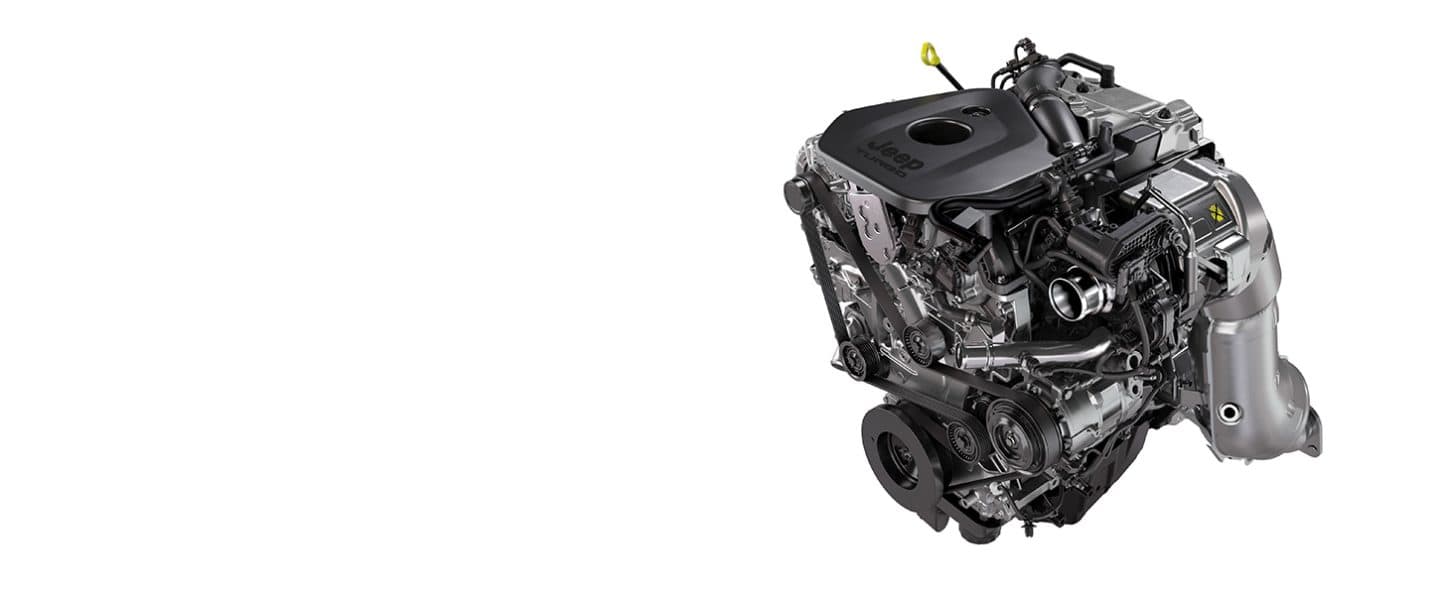
- 2.0L Turbo Inline-4: Provides turbocharged performance for newer models.
Below is a comparison of the main engines found in recent Jeep Cherokees:
| Engine Type | Horsepower | Torque (lb-ft) | Fuel Economy (mpg) |
|---|---|---|---|
| 2.4L Tigershark I4 | 180 | 171 | 25 city / 31 highway |
| 3.2L Pentastar V6 | 271 | 239 | 20 city / 29 highway |
| 2.0L Turbo I4 | 270 | 295 | 23 city / 31 highway |
Engine History: From Amc To Stellantis
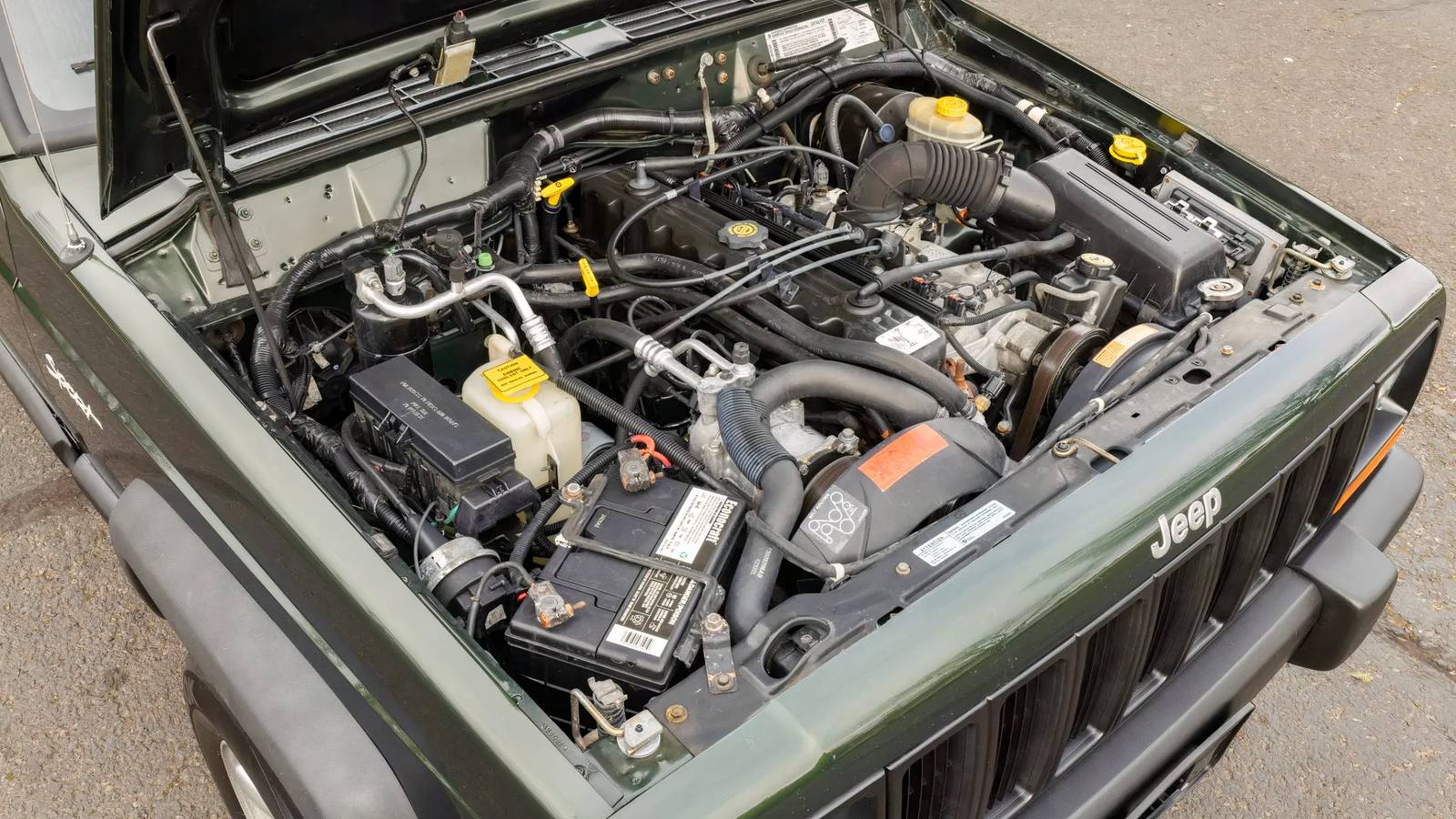
The first Jeep Cherokees in the 1970s used AMC engines. Later, after Chrysler bought AMC, engine designs changed. In the 1990s, the 4.0L inline-six engine became famous for its durability. When FCA took over, newer engines like the Pentastar V6 and Tigershark I4 appeared.
Here’s a brief timeline of Jeep Cherokee engine makers:
| Year Range | Engine Maker | Popular Engine |
|---|---|---|
| 1974-1987 | AMC | 4.2L I6 |
| 1988-2001 | Chrysler | 4.0L I6 |
| 2002-2010 | Chrysler/FCA | 3.7L V6 |
| 2011-2021 | FCA | 3.2L Pentastar V6 |
| 2021-Present | Stellantis | 2.4L Tigershark I4, 2.0L Turbo I4 |
Engine Quality And Reliability
Jeep Cherokee engines are known for their longevity and durability. The Pentastar V6, for example, is used in many Stellantis vehicles and has a good reputation for low maintenance costs. One non-obvious insight is that regular oil changes and using the correct oil type greatly extend engine life, especially for the Tigershark and Pentastar engines.
Another tip: Many drivers overlook the importance of cooling system maintenance. Ensuring the radiator and coolant system are in good shape prevents overheating, which is a common cause of engine damage.
What Sets Jeep Cherokee Engines Apart?
Jeep Cherokee engines are designed for a mix of power and efficiency. The V6 gives strong towing capacity, while the four-cylinder options are better for daily driving and gas savings.
One unique feature is the MultiAir technology in the Tigershark engine. This system controls air intake more precisely, improving both performance and fuel economy. MultiAir is not found in all SUVs, giving Jeep Cherokee an edge.
Engine Choices: What Matters When Buying?
When choosing a Jeep Cherokee, consider:
- Your driving needs: City vs. highway vs. off-road
- Fuel efficiency: Four-cylinder engines save more gas
- Power: V6 and turbo engines are better for towing or heavy loads
- Maintenance costs: Simpler engines are usually cheaper to maintain
Many buyers make the mistake of choosing the engine based only on horsepower. It’s smarter to look at torque, which affects how the car feels when accelerating, especially with passengers or cargo.
How Jeep Cherokee Engines Compare To Others
Compared to other SUVs, the Jeep Cherokee offers a balance of performance and economy. Here’s a quick comparison with two competitors:
| Model | Engine | Horsepower | Fuel Economy (mpg) |
|---|---|---|---|
| Jeep Cherokee | 2.4L Tigershark I4 | 180 | 25 / 31 |
| Toyota RAV4 | 2.5L I4 | 203 | 27 / 35 |
| Honda CR-V | 1.5L Turbo I4 | 190 | 28 / 34 |
While competitors offer slightly more horsepower or better fuel economy, the Jeep Cherokee stands out for its off-road capability and engine durability.
Frequently Asked Questions
Who Makes The Current Jeep Cherokee Engine?
The current Jeep Cherokee engine is made by Stellantis, mainly at their Michigan plants.
Are Jeep Cherokee Engines Reliable?
Yes, especially the Pentastar V6 and Tigershark I4. Regular maintenance is key to long-term reliability.
Can I Use Regular Fuel In My Jeep Cherokee Engine?
Most Jeep Cherokee engines run well on regular unleaded gasoline. Only the turbocharged engines may benefit from premium fuel.
How Often Should I Service My Jeep Cherokee Engine?
Basic maintenance like oil changes should be done every 5,000-7,500 miles. Always check your owner’s manual for details.
Where Can I Find More Information About Jeep Cherokee Engine Specs?
For detailed specs and history, visit the official Jeep site or Wikipedia.
Jeep Cherokee engines are a key part of what makes these SUVs popular. Knowing who makes them, how they perform, and what to look for helps you get the most out of your Cherokee.
Whether you care about power, fuel economy, or reliability, understanding the engine is a smart move for any buyer or owner.