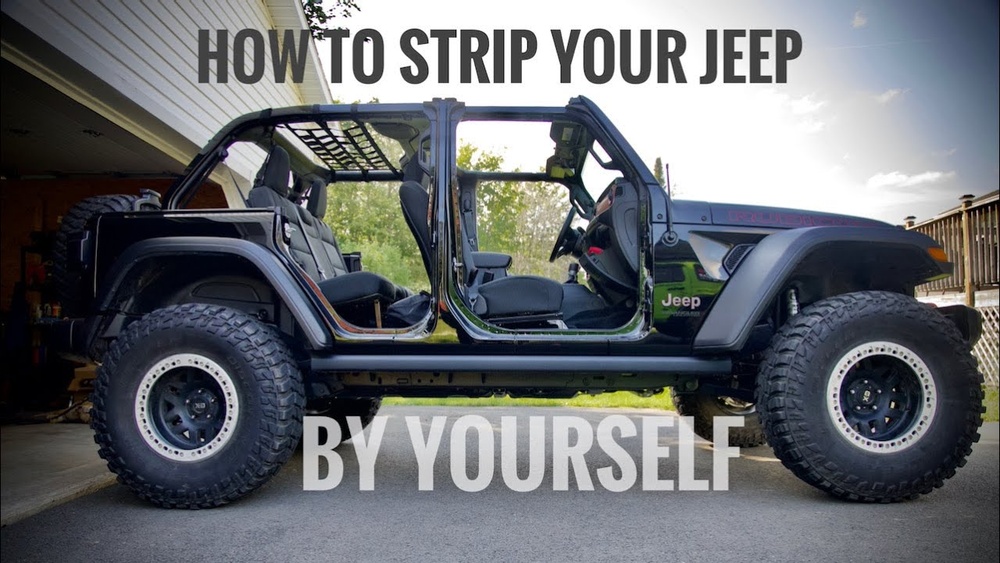
Taking off a Jeep hardtop is one of those jobs every Jeep owner thinks about. Maybe you want to feel the sun and wind, or need more space for big cargo.
But can you really do it alone? Many people worry about the weight, tools, and possible mistakes.
Let’s break down what you need to know if you want to remove your Jeep hardtop by yourself, including safety tips, step-by-step advice, and common errors to avoid.
What Makes Removing A Jeep Hardtop Challenging?
Jeep hardtops are made to be strong and weatherproof. Most are made of fiberglass or plastic composite, and they protect you from rain, snow, and noise. But they’re heavy—usually between 90 and 140 pounds depending on the model. For example, a Jeep Wrangler JK hardtop weighs about 140 lbs, while a Jeep JL can be a bit lighter.
The challenge is not just the weight. Hardtops are also large and awkward to lift. The shape means you need to keep it balanced, or you risk dropping and damaging it. If you have a two-door Jeep, the hardtop is smaller and easier to handle. The four-door models have bigger hardtops, making solo removal harder.
| Jeep Model | Hardtop Weight | Difficulty (1-5) |
|---|---|---|
| Wrangler JK 2-Door | ~90 lbs | 2 |
| Wrangler JK 4-Door | ~140 lbs | 4 |
| Wrangler JL 2-Door | ~100 lbs | 2 |
| Wrangler JL 4-Door | ~120 lbs | 3 |
Tools And Preparation: What You Need
Before you start, gather all the tools. Missing one tool can turn a simple job into a headache.
- Torx screwdriver or bit set (usually size T40 or T50)
- Soft towel or blanket (to protect the hardtop and your Jeep)
- Step stool or ladder (especially for taller Jeeps)
- Storage space (dry, flat area for the hardtop)
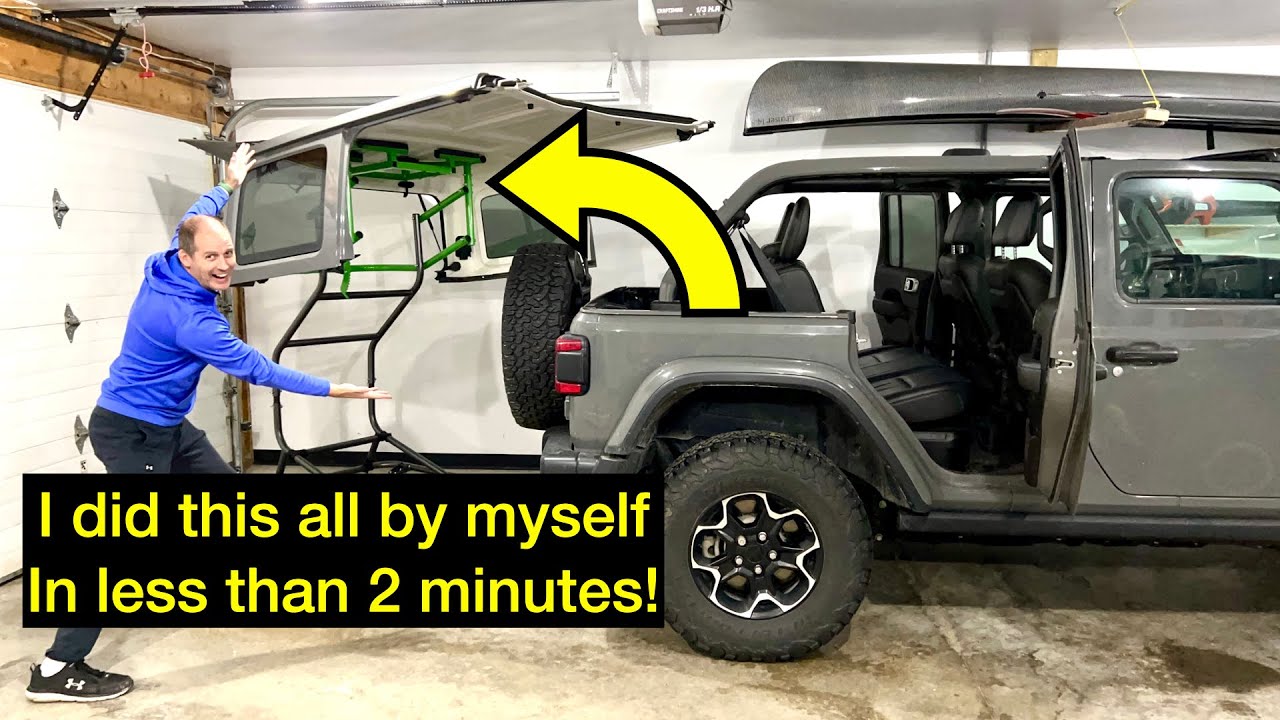
- Hardtop hoist (optional but recommended for solo removal)
A hardtop hoist can be a game-changer. Manual removal is possible, but a hoist, which costs about $150-$250, makes lifting easier and safer. Some owners build their own using pulleys and ropes.
| Tool | Purpose | Cost Estimate |
|---|---|---|
| Torx Bit Set | Remove bolts | $20-$40 |
| Hardtop Hoist | Lift hardtop safely | $150-$250 |
| Step Stool | Reach top bolts | $20-$50 |
Step-by-step Guide To Removing A Jeep Hardtop Alone
If you’re ready to try it yourself, here’s how:
1. Open All Doors And Windows
This prevents pressure on the seals and makes bolts easier to reach.
2. Remove The Freedom Panels
On most models, these are the small roof sections above the front seats. Use the Torx bit to unscrew them.
3. Locate And Remove All Hardtop Bolts
There are usually 6-8 bolts in the trunk area and near the roll bar. Keep these in a safe place.
4. Disconnect Electrical And Washer Connections
Some hardtops have a rear window defroster and washer fluid line. Unclip these gently.
5. Lift The Hardtop Carefully
If you have a hoist, follow its instructions. If not, grip the hardtop at the sides, lift slowly, and walk backward. Place a towel underneath so you don’t scratch the Jeep.
6. Store The Hardtop Safely
Keep it on a flat surface, away from moisture, and ideally off the ground.
Practical Tips For Solo Removal
- Wear grip gloves to avoid slipping.
- Do not rush—slow movements prevent damage.
- Check for any hidden bolts before lifting.
- If you feel strain, stop and ask for help.
Many beginners forget to disconnect the electrical wires. This can damage the connectors, costing up to $200 for repairs.
Common Mistakes And How To Avoid Them
Some mistakes happen often, especially for first-timers:
- Missing a bolt: Double-check all corners before lifting.
- Forgetting to disconnect wires: Always check for connections in the rear.
- Storing the hardtop on uneven ground: This can cause cracks or warping.
- Trying to lift too quickly: Rushing increases risk of dropping.
One overlooked tip is to mark the bolts’ locations with colored tape. This makes re-installation faster and avoids confusion.
Should You Use A Hoist Or Get Help?
If you’re strong and careful, you can remove a two-door hardtop by yourself. For four-door models, a hoist is strongly recommended. Even then, lifting solo can cause back injury or damage to the top.
A hoist lets you remove and store the hardtop without strain. Some garages even have electric hoists, making the process smooth. If you don’t have a hoist, consider asking a friend to help. Two people can lift a four-door hardtop easily.
| Removal Method | Time Needed | Risk Level |
|---|---|---|
| Solo (manual) | 20-30 minutes | High |
| With hoist | 10-15 minutes | Low |
| With friend | 10-20 minutes | Low |
Extra Insights Most Beginners Miss
- Check your local climate: If you remove the hardtop, keep in mind sudden rain or cold can damage your Jeep’s interior. Always have a cover ready.
- Insurance concerns: Some policies require the hardtop to be attached for full coverage. Check your paperwork before removing it.
Removing your Jeep hardtop alone is possible, but only with the right tools, preparation, and patience. If you want more detailed technical info, the official Jeep site is helpful: Jeep Official Site.
Frequently Asked Questions
How Much Does A Jeep Hardtop Weigh?
Most hardtops weigh 90 to 140 pounds. Two-door tops are lighter, while four-door models are heavier and harder to move alone.
Can I Remove A Jeep Hardtop Without A Hoist?
Yes, but it’s much easier with a hoist. Without one, use a step stool, move slowly, and ask a friend for help if possible.
What Tools Do I Need To Remove The Hardtop?
You need a Torx bit set, soft towel, step stool, and space to store the top. A hoist is optional but highly recommended for solo work.
Will Removing The Hardtop Damage My Jeep?
If you follow the steps and move slowly, it won’t cause damage. The main risks are scratching the paint or breaking connectors if you rush.
What Should I Do If I Drop The Hardtop?
Check for cracks or chips. Small damage can be fixed, but large breaks may need a professional repair. Never try to lift a damaged hardtop alone.
Taking off your Jeep hardtop is a great way to enjoy open-air driving. With careful planning and the right tools, you can do it yourself especially on two-door models. For four-door Jeeps, a hoist or a helping hand makes the job safer and easier.
Always take your time, protect your Jeep, and enjoy the freedom of driving topless.