Did Jeep stop making the Patriot because nobody wanted it anymore?
Not exactly.
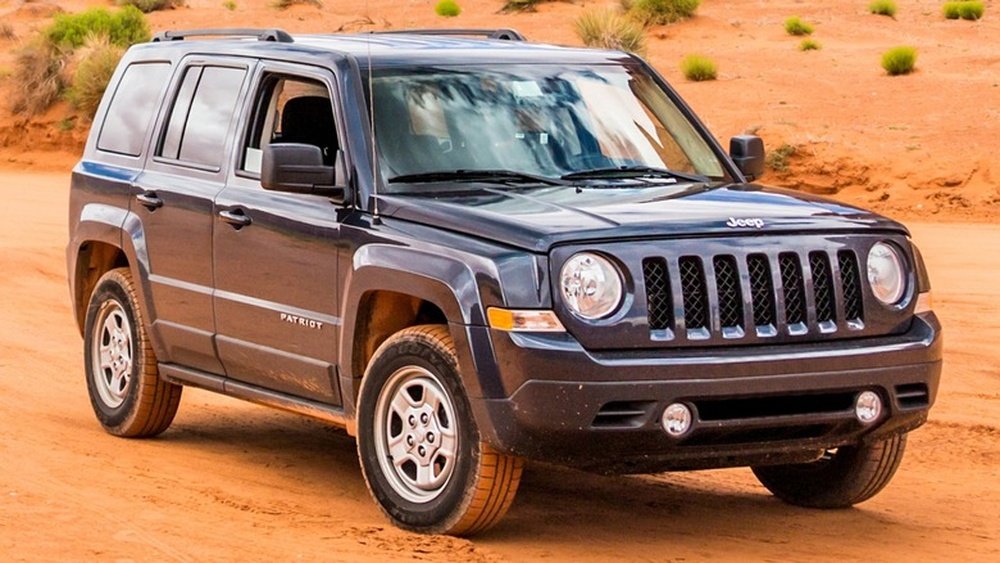
The Jeep Patriot had a strong fan base. It was affordable, simple, boxy, and easy to recognize. Many drivers liked it because it looked more like an old-school Jeep than many modern compact SUVs. But by 2017, the Patriot had reached the end of the road.
Here is the real story.
Jeep did not cancel the Patriot for one single reason. It disappeared because of outdated design, changing buyer expectations, overlap with the Jeep Compass, weak performance complaints, and pressure from newer compact SUVs.
In this guide, you will learn why the Jeep Patriot got discontinued, what replaced it, and whether a used Patriot is still worth buying today.
Quick Answer: Why Was The Jeep Patriot Discontinued?
The Jeep Patriot was discontinued because it became outdated compared to newer compact SUVs. Jeep also redesigned the Compass to take over the Patriot’s role in the lineup.
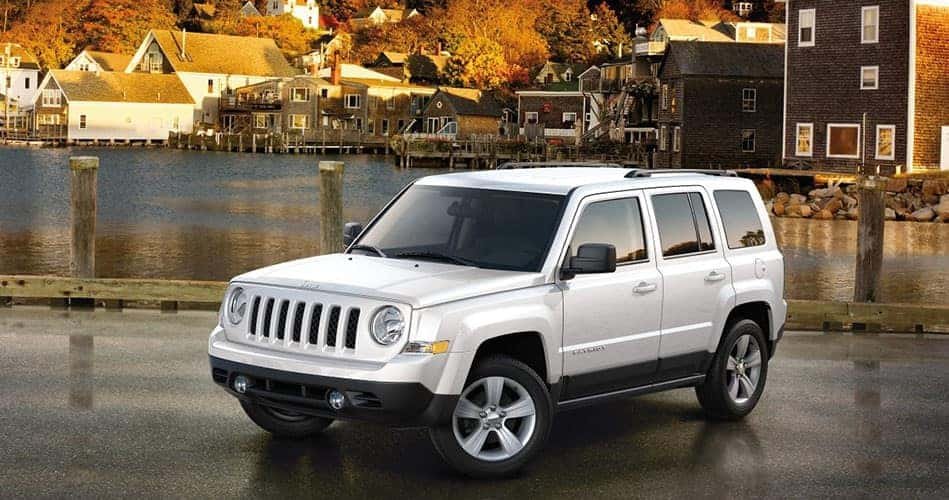
The Patriot was affordable and practical, but it struggled in key areas:
- Old interior design
- Limited technology
- Weak acceleration
- CVT transmission complaints
- Lower refinement than rivals
- Overlap with the Jeep Compass
- Growing safety and comfort expectations
The final Jeep Patriot model year was 2017.
1. The Jeep Patriot Was Getting Old
The Jeep Patriot first arrived for the 2007 model year. At the time, it made sense.
Buyers wanted a compact SUV with Jeep styling, available four-wheel drive, and a lower price than many competitors. The Patriot gave them that.
But the problem was simple.
The Patriot did not change enough over time.
Most SUVs get major redesigns every few years. Newer models add better engines, better safety systems, improved interiors, smoother rides, and stronger fuel economy.
The Patriot stayed mostly the same for too long.
By the mid-2010s, the SUV market had moved ahead. Buyers expected touchscreens, better cabin materials, backup cameras, blind spot monitoring, better crash protection, and a quieter ride.
The Patriot still felt basic.
That helped keep the price low, but it also made the SUV feel old beside the Honda CR-V, Toyota RAV4, Subaru Forester, Mazda CX-5, and Ford Escape.
2. The Redesigned Jeep Compass Replaced It
One of the biggest reasons Jeep discontinued the Patriot was internal overlap.
The Patriot and Compass were both compact Jeep SUVs. They served similar buyers. They were close in size. They also shared roots in the same era.
Jeep did not need two aging compact SUVs fighting for the same space.
So Jeep redesigned the Compass and made it the main compact SUV going forward.
The newer Compass looked more modern. It had better styling, improved interior quality, updated tech, and a cleaner place in the lineup.
That made the Patriot unnecessary.
Instead of spending money on a full Patriot redesign, Jeep focused on the Compass. This helped the brand simplify its lineup and compete better in the compact SUV market.
3. The Patriot’s Interior Felt Dated
The Jeep Patriot had one big strength: simplicity.
For some drivers, that was perfect. The controls were easy to use. The cabin layout was basic. There were fewer complicated features to break.
But for many buyers, it started to feel cheap.
The Patriot’s interior was often criticized for hard plastics, plain design, road noise, and limited comfort. It did not feel as refined as many rivals.
That mattered more as compact SUVs became family vehicles.
People wanted a small SUV that felt comfortable on long drives. They wanted better seats, better infotainment, more storage, and a quieter cabin.
The Patriot looked rugged from the outside, but inside, it started to fall behind.
4. Performance Was Not Strong Enough
The Jeep Patriot was never built to be fast. It was built as a budget-friendly compact SUV with Jeep-inspired styling.
But performance still mattered.
Many owners and reviewers complained about slow acceleration, especially with the automatic transmission. The Patriot could feel underpowered when merging onto highways, climbing hills, or carrying passengers and luggage.
The available four-wheel-drive systems gave it better rough-road ability than many small crossovers. That helped its image.
But daily driving was a different story.
Rivals felt smoother, quicker, and more refined. For normal city and highway use, many buyers preferred SUVs with better engines and more responsive transmissions.
5. CVT Complaints Hurt Its Reputation
One of the Patriot’s most talked-about issues was its CVT transmission.
A CVT, or continuously variable transmission, works differently from a traditional automatic. It helps with fuel economy, but some drivers dislike the way it feels.
In the Patriot, many owners complained about noise, hesitation, overheating, sluggish response, or expensive repairs.
Not every Patriot had transmission trouble. Some owners drove theirs for years with no major issues.
But reputation matters.
Once a vehicle becomes known for transmission complaints, used buyers become more careful. That hurts resale value and long-term demand.
Jeep later moved away from relying on that setup, and the newer Compass gave buyers a more modern package.
6. Safety Expectations Changed
The Patriot came from an older design era.
When it launched, it offered a practical package at a low price. Over time, crash testing became tougher, and buyers started caring more about advanced safety tech.
Features like automatic emergency braking, lane departure warning, adaptive cruise control, and blind spot monitoring became common in newer SUVs.
The Patriot did not keep pace.
It also had weak results in some modern crash-test areas, especially the small overlap front test. That made it harder to recommend against newer compact SUVs with stronger safety features.
For families, commuters, and first-time SUV buyers, safety became a major deciding factor.
7. Buyers Wanted More Than A Low Price
The Patriot’s biggest selling point was affordability.
That helped it survive for a long time.
But low price alone was no longer enough. Compact SUV buyers wanted more value, not only a cheaper sticker price.
They wanted:
- Better fuel economy
- Better ride comfort
- Better cabin quality
- Better technology
- Better safety features
- Better resale value
- Better reliability records
The Patriot was still useful, but it no longer felt competitive enough.
It appealed to budget buyers, but Jeep needed a compact SUV that could attract a wider audience.
The Compass was the better answer for that job.
8. Competition Became Too Strong
The compact SUV market became one of the hardest segments in the auto industry.
The Patriot had to compete with models like:
- Toyota RAV4
- Honda CR-V
- Subaru Forester
- Ford Escape
- Mazda CX-5
- Hyundai Tucson
- Kia Sportage
These SUVs improved fast.
They offered better interiors, smoother engines, stronger safety tech, and better long-term trust with many buyers.
The Patriot had Jeep branding and rugged styling, but that was not enough for every shopper.
Jeep needed a stronger compact SUV to compete. That is why the redesigned Compass became more important.
9. Was The Jeep Patriot A Bad SUV?
No, the Jeep Patriot was not a bad SUV for everyone.
It had real strengths.
The Patriot was affordable, practical, easy to drive, and available with four-wheel drive. Its boxy shape gave it a classic Jeep look. Some owners liked its simple design because it felt less complicated than newer SUVs.
It worked well for drivers who wanted basic transportation with Jeep style.
But it had clear weaknesses.
It was not the most comfortable, powerful, refined, or reliable compact SUV in its class. It also lacked many modern features buyers started to expect.
So the Patriot was not discontinued because it was useless.
It was discontinued because it became outdated.
10. What Replaced The Jeep Patriot?
The Jeep Compass replaced the Patriot.
After the Patriot ended, the Compass became Jeep’s main compact SUV. It offered a more modern design, improved cabin, updated features, and a stronger position in Jeep’s lineup.
For buyers who liked the Patriot’s size and purpose, the Compass became the closest new Jeep alternative.
The Jeep Renegade also served some budget-conscious buyers, but it was smaller and had a different personality.
11. Is A Used Jeep Patriot Still Worth Buying?
A used Jeep Patriot may be worth buying if the price is low and the vehicle has a clean service history.
It makes the most sense for buyers who want:
- A cheap compact SUV
- Simple controls
- Jeep styling
- Available four-wheel drive
- Basic transportation
- Lower upfront cost
But you should inspect it carefully before buying.
Watch for:
- CVT transmission issues
- Engine noise
- Rough shifting or hesitation
- Suspension wear
- Rust
- Electrical problems
- Poor maintenance records
- Warning lights
- Overheating history
A pre-purchase inspection is important.
If you want a modern SUV with better safety tech, comfort, and resale value, you may prefer a newer Jeep Compass, Toyota RAV4, Honda CR-V, Subaru Forester, or Mazda CX-5.
12. Best Used Jeep Patriot Years To Consider
The later Patriot models are usually better choices because they received small updates over the years.
Many buyers look at 2014 to 2017 models because they are newer and may have more features.
Still, condition matters more than model year.
A clean, well-maintained older Patriot is better than a newer one with poor service history.
Before buying, check:
- Maintenance records
- Transmission service history
- Accident history
- Tire wear
- Rust under the body
- 4WD system operation
- AC and electrical features
- Dashboard warning lights
Do not buy only because the price looks low.
Cheap SUVs often become expensive when repairs start.
Final Verdict
The Jeep Patriot got discontinued because it no longer matched what compact SUV buyers wanted.
It was affordable, practical, and rugged-looking, but it fell behind in technology, comfort, performance, safety features, and overall refinement. Jeep also had the redesigned Compass ready to take its place.
So the Patriot was not killed by one major failure.
It ended because the market changed, and Jeep moved on.
If you already own one, the Patriot still has value as a simple budget SUV. If you are shopping for a used one, buy carefully, inspect the transmission, and compare it with newer compact SUVs before making your final decision.