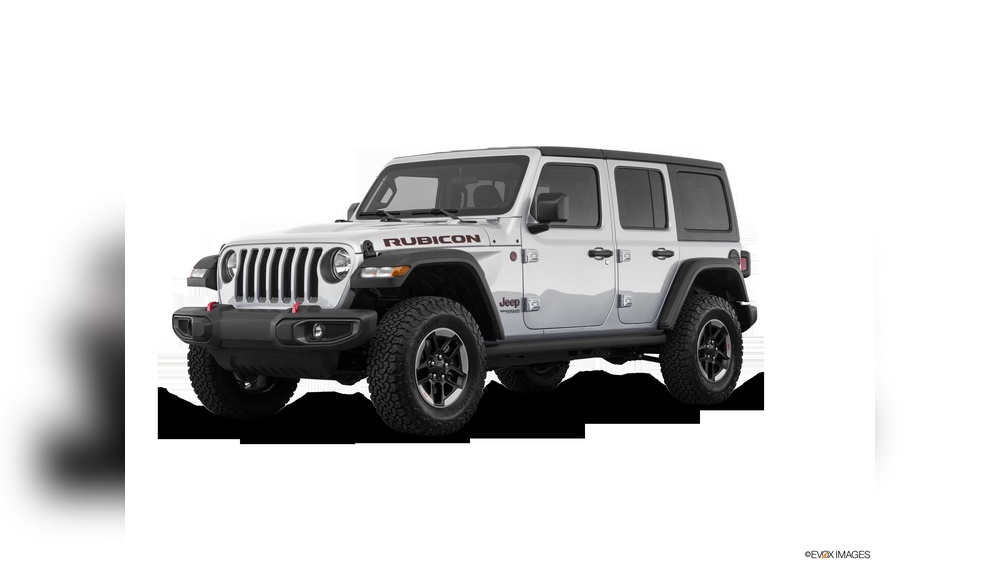
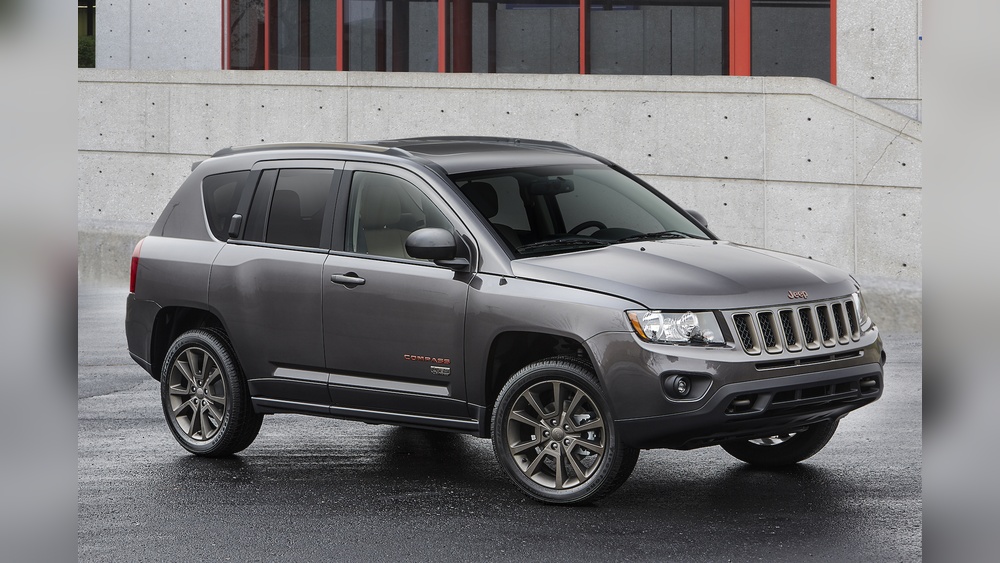
The Jeep Wave is one of the most recognized traditions in the car world. If you own a Jeep, you probably know about this simple gesture: a wave from one Jeep driver to another.
It feels special, like you’re part of a club. But where did the Jeep Wave begin?
Who started it, and why has it lasted so long? Let's explore the roots, myths, and facts about this unique tradition.
The Roots Of The Jeep Wave
The Jeep Wave has deep connections to the history of the Jeep itself. Jeep vehicles first appeared during World War II. Soldiers used them for tough tasks—transporting goods, carrying officers, or exploring rough terrain. Many believe the wave started as a quiet sign between soldiers. It meant “I’m on your side,” or “I understand what you’ve been through.”
After the war, Jeeps became popular among civilians. Veterans, now home, kept the habit of waving to other Jeep drivers. This gesture was a way to share respect and memories. Over time, even those who never served began using the wave.
It became a tradition, passed from owner to owner.
Who Truly Started The Jeep Wave?
There isn’t a single person named as the founder of the Jeep Wave. Instead, it’s a tradition that grew naturally. Most stories point back to WWII soldiers. These drivers used the wave to recognize each other on the battlefield. Some say it was a way to spot friendly faces, while others believe it was just a sign of brotherhood.
But there’s another theory. When Jeeps became available for civilians, early owners saw themselves as part of a unique group.
The wave was a way to welcome each other, especially in the days when Jeeps were rare. Both stories show that the Jeep Wave was always about community and respect.
How The Jeep Wave Changed Over Time
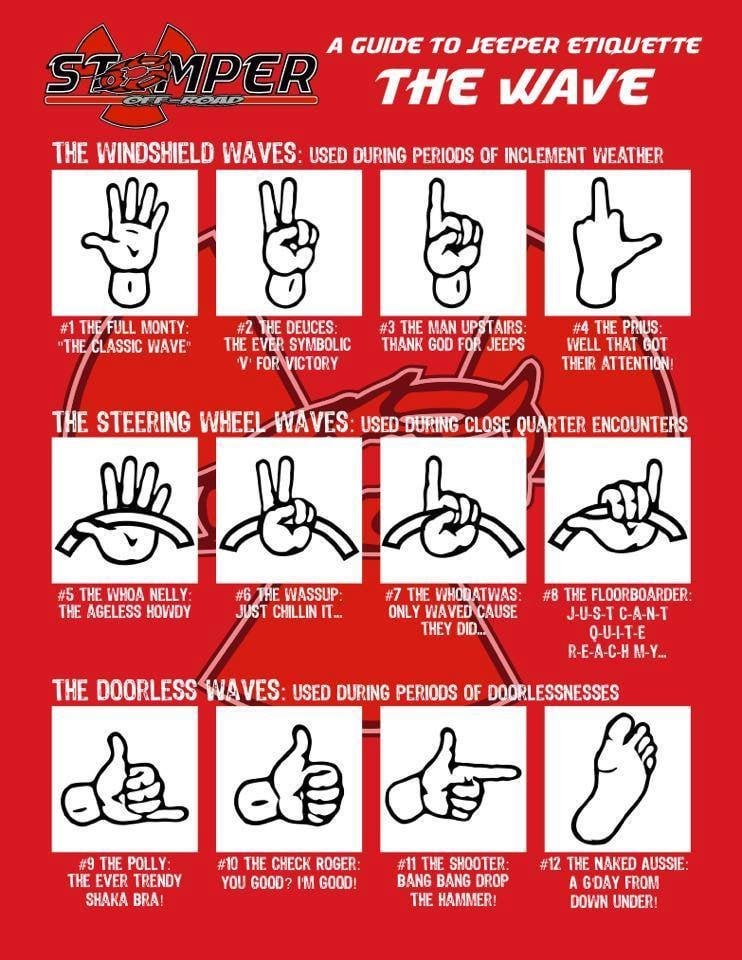
The Jeep Wave is not always the same. It has changed as Jeeps changed. In the 1940s and 50s, the wave was simple and quick. Now, there are many ways to do it. Some Jeep drivers just raise a few fingers.
Others wave their whole hand. A few use a nod or smile.
Let’s compare how the Jeep Wave looks in different times:
| Era | Jeep Wave Style | Reason |
|---|---|---|
| 1940s (WWII) | Quick hand raise | Signal between soldiers |
| 1950s-1970s | Two-finger salute | Friendly nod on rural roads |
| 1980s-present | Full hand wave or finger lift | Casual greeting, more Jeeps on roads |
The wave also depends on the model of Jeep. Drivers of classic models like the Willys MB or CJ series are more likely to wave than drivers of modern SUVs.
Why The Jeep Wave Matters
The Jeep Wave is more than a greeting. It shows the spirit of the Jeep community. Jeep owners feel connected, no matter their age or background. This connection is strong; many Jeep clubs ask members to always wave.
Here are some reasons why the Jeep Wave stays popular:
- Tradition: People love traditions, especially when they feel unique.
- Respect: Many Jeep owners respect the history and toughness of their vehicles.
- Community: The wave makes drivers feel part of something bigger.
- Recognition: It’s a way to spot and welcome fellow Jeep enthusiasts.
Surprisingly, the Jeep Wave is so important that Jeep itself created a “Jeep Wave Program. ” This program offers benefits to new Jeep owners and encourages the tradition.
Common Myths About The Jeep Wave
Several myths surround the Jeep Wave. Some are fun, while others confuse new owners. Let’s clear up a few:
| Myth | Fact |
|---|---|
| Only certain Jeep models get the wave | All Jeep models can join the tradition |
| The wave started in the 1970s | Most evidence points to WWII |
| There is a strict “wave hierarchy” | Some clubs use rules, but most drivers are relaxed |
One non-obvious insight: Some Jeep owners say that the wave is stronger in rural areas than cities. This happens because drivers see fewer Jeeps in the countryside, making each wave more meaningful.
The Jeep Wave In Modern Times
Today, the Jeep Wave is alive and well. Social media helps spread the tradition. There are videos, memes, and even “Jeep Wave” stickers. Jeep owners often share stories about their wave experiences online.
Data shows that Jeep sales are strong in the US. In 2023, Jeep sold over 700,000 vehicles. With more Jeeps on the road, some worry the wave is less special. But many owners say it still feels like a club.
The Jeep Wave Program by Jeep has also helped keep the tradition alive. New owners get special perks, and Jeep reminds them to keep the wave going. You can read more about the program at Jeep Wave Program.
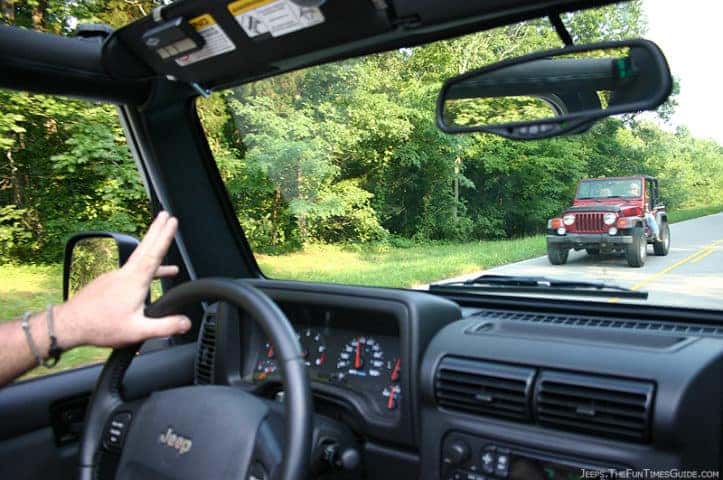
How To Do The Jeep Wave
If you’re new to Jeep, you might wonder how to do the wave. Here are a few tips:
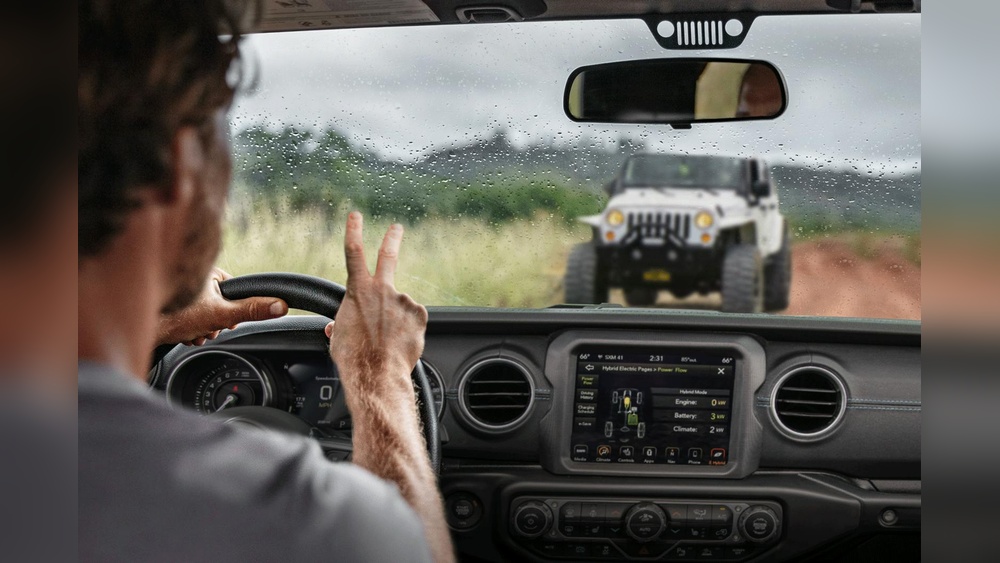
- Raise two or four fingers above the steering wheel.
- Smile or nod if you see another Jeep.
- Don’t worry about being perfect; the gesture matters more than the form.
- Always wave back if someone waves at you.
A common mistake is forgetting the wave when driving a new Jeep, or thinking you must use a certain style. Relax just make a friendly gesture.
Frequently Asked Questions
Who Started The Jeep Wave?
The Jeep Wave began with WWII soldiers using Jeeps. It wasn’t started by one person but grew as a tradition among military drivers, then spread to civilians.
Is The Jeep Wave Only For Certain Jeep Models?
No, the wave is for all Jeep models. While some clubs have their own rules, most Jeep owners welcome all types—from classic Wranglers to modern Cherokees.
Are There Rules For The Jeep Wave?
There are no strict rules. Some Jeep clubs use a “wave hierarchy,” but most drivers simply wave in any style. The important thing is to acknowledge another Jeep.
Why Do Jeep Drivers Wave?
Jeep drivers wave to show community and respect. It’s a tradition that connects owners and reminds them of the Jeep’s history.
Is The Jeep Wave Still Popular Today?
Yes, the Jeep Wave is still popular, especially in the US. With more Jeeps on the road, the tradition continues and even grows through social media and Jeep programs.
The Jeep Wave remains a living tradition, connecting drivers across generations and roads. Whether your Jeep is old or new, the wave is a small gesture that carries big meaning. If you drive a Jeep, remember to wave you’re part of a unique history.