Jeep vehicles have a legendary reputation for off-road strength and unique design. But when it comes to working on your own Jeep, one big question often comes up: Is Jeep metric or standard?
This might sound simple, but the answer can save you hours of frustration and wasted money on the wrong tools. Let’s dive into the real story behind Jeep’s bolts, nuts, and fasteners so you can pick the right wrenches and sockets every time.
Understanding Metric Vs Standard
Before looking at Jeeps, it helps to know what metric and standard mean. Metric is based on millimeters (mm) and centimeters (cm), used worldwide and in most modern cars. Standard (also called SAE, which stands for Society of Automotive Engineers) uses inches and fractions of inches, mainly found in older American vehicles.
For example:
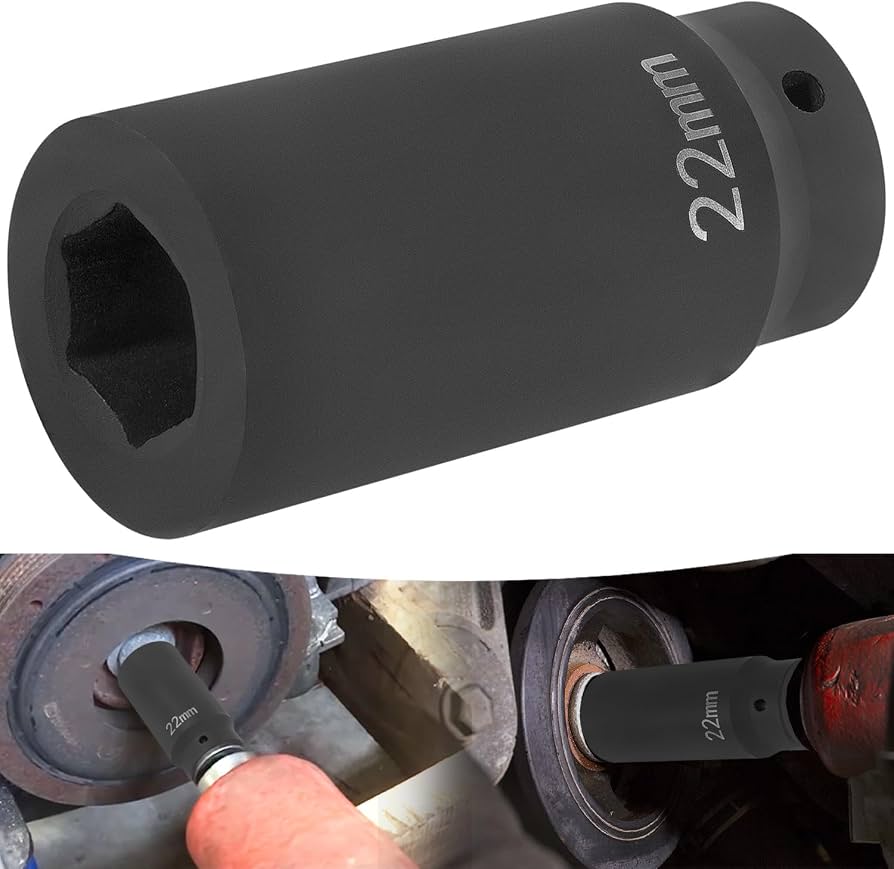
- A 10mm socket is metric.
- A 1/2 inch socket is standard.
Both systems do the same job, but the sizes are not always close enough to swap tools without risking damage.
Jeep’s History: Metric, Standard, Or Both?
Jeep’s long history started in the 1940s, and the company has changed hands and factories several times. This history affects which bolts you’ll find on different models.
Older Jeeps: Mostly Standard
Classic Jeeps like the Willys MB, CJ series, and early Wranglers (YJ and some TJ) were built in the US using standard fasteners. If you work on Jeeps made before the mid-1980s, you’ll likely need SAE tools.
Modern Jeeps: Mostly Metric
By the late 1980s and 1990s, Jeep started using more metric bolts, especially as Chrysler and later Fiat took over. Most Jeeps built after 1995 use metric fasteners almost everywhere, including the popular JK (2007–2018) and JL (2018–present) Wranglers.
The Transition Years: Both Systems
The switch from standard to metric was not instant. Many Jeeps from the mid-1980s to late 1990s use a mix of both types. For example, you might find a metric bolt on the engine but a standard nut on the body.
Which Jeep Models Use Metric Or Standard?
Here’s a quick comparison to help you figure out which tools you’ll need for your Jeep:
| Jeep Model/Year | Main Fastener Type | Notes |
|---|---|---|
| Willys MB (1940s) | Standard (SAE) | All bolts are standard |
| CJ series (1945–1986) | Standard (SAE) | Few exceptions in late years |
| Wrangler YJ (1987–1995) | Both | Transition period, check specific part |
| Wrangler TJ (1997–2006) | Mostly Metric | Some standard bolts remain |
| Wrangler JK/JL (2007+) | Metric | Nearly all fasteners are metric |
Common Fastener Sizes On Jeeps
Knowing the most-used sizes can make your work easier. Here’s what you’ll usually find:
| Location | Metric Sizes | Standard Sizes |
|---|---|---|
| Engine/Transmission (1990+) | 10mm, 13mm, 15mm, 18mm | Rarely used |
| Body/Frame (pre-1990) | Limited | 1/2″, 9/16″, 3/4″ |
| Suspension/Brakes | 15mm, 18mm | Some older 3/4″ |
| Interior/Fittings | 7mm, 8mm, 10mm | Occasional 1/4″ |
Why The Mix?
You might wonder why Jeep used both systems. There are two main reasons:
- Supplier changes: Different part suppliers used different systems, especially during the transition years.
- Global market: As Jeep sold more vehicles worldwide, using metric made repairs easier in other countries.
Many Jeep owners are surprised to find both systems on the same vehicle, especially if it was built around 1987 1997. Always check before forcing a socket, as the wrong size can round off bolts.
What Tools Do You Need For Your Jeep?
If you plan to work on your own Jeep, here’s the best approach:
- For classic Jeeps (pre-1990): Buy a full SAE (standard) socket and wrench set.
- For modern Jeeps (1995+): A complete metric set is almost always enough.
- For mid-1990s models: Keep both SAE and metric tools in your box.
A good tip is to buy six-point sockets (not twelve-point) for better grip, especially on older, rusty bolts. Also, invest in quality brands, as cheap tools can slip and damage fasteners.
Mistakes To Avoid
Many beginners make these errors:
- Assuming only one system: Some think their Jeep is all metric or all standard. Always check the bolt head before starting.
- Using the wrong tool: Forcing a close-but-wrong size can strip a bolt, turning a simple job into a nightmare.
- Not labeling parts: If you remove lots of bolts, label them by size and location to save confusion during reassembly.
Jeep Vs Other Brands
How Does Jeep Compare To Other American Vehicles?
| Brand | Metric or Standard | Transition Year |
|---|---|---|
| Jeep | Both | 1980s–1990s |
| Ford | Mostly Standard | 1990s–2000s |
| Chevrolet | Both | 1980s–1990s |
| Toyota | Metric | Always |
This shows Jeep is similar to other US brands, but went metric earlier than some.
Final Thoughts
So, is Jeep metric or standard? The real answer depends on your Jeep’s age. Older models are mostly standard, while newer ones are almost all metric. The gray area is Jeeps from the mid-80s to late 90s, which often use both. If you want to work on your Jeep without frustration, keep both metric and standard tools handy—especially if your Jeep is from the transition years.
For more details on fastener standards, you can check Jeep Wrangler on Wikipedia.
Frequently Asked Questions
Is My Jeep Wrangler All Metric?
Most Jeep Wranglers built after 1997 use mostly metric fasteners. However, if your Wrangler is from the 1987–1996 range, check each bolt, as both metric and standard sizes can appear.
Can I Use Metric Sockets On Standard Bolts?
Sometimes a metric socket fits a standard bolt (and vice versa), but it’s not recommended. Using the wrong size can strip the bolt head, making it harder to remove.
What Is The Most Common Metric Size On Newer Jeeps?
10mm, 13mm, and 18mm are the most common metric sizes you’ll find on late-model Jeeps, especially for body and suspension work.
Do I Need Both Metric And Standard Tools For A 2005 Jeep?
A 2005 Jeep is mainly metric, but it’s smart to have a few standard sizes just in case especially for aftermarket parts or older carryover hardware.
Why Did Jeep Switch To Metric?
Jeep switched to metric to match global standards and simplify repairs worldwide. It also made it easier to use parts from international suppliers and partners.