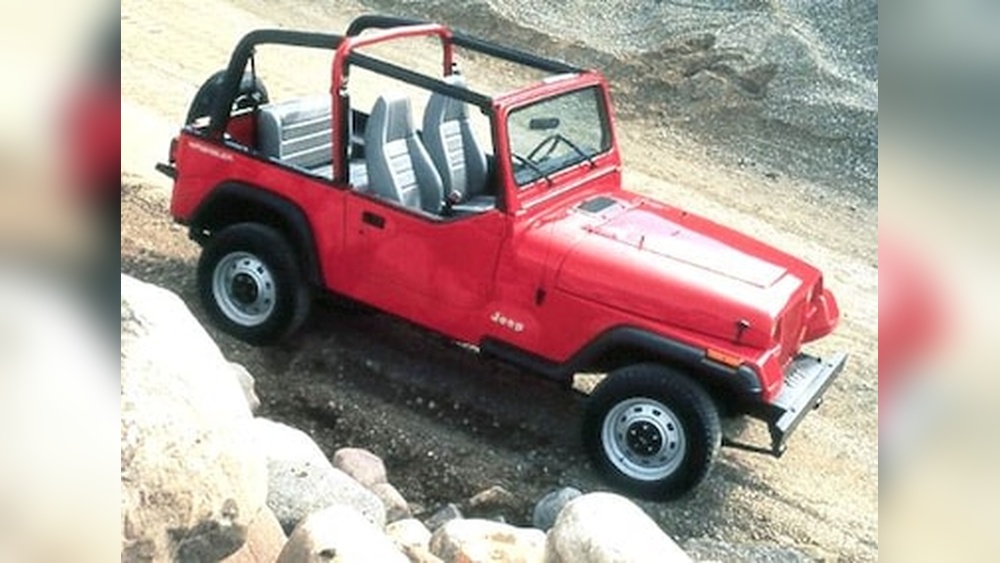
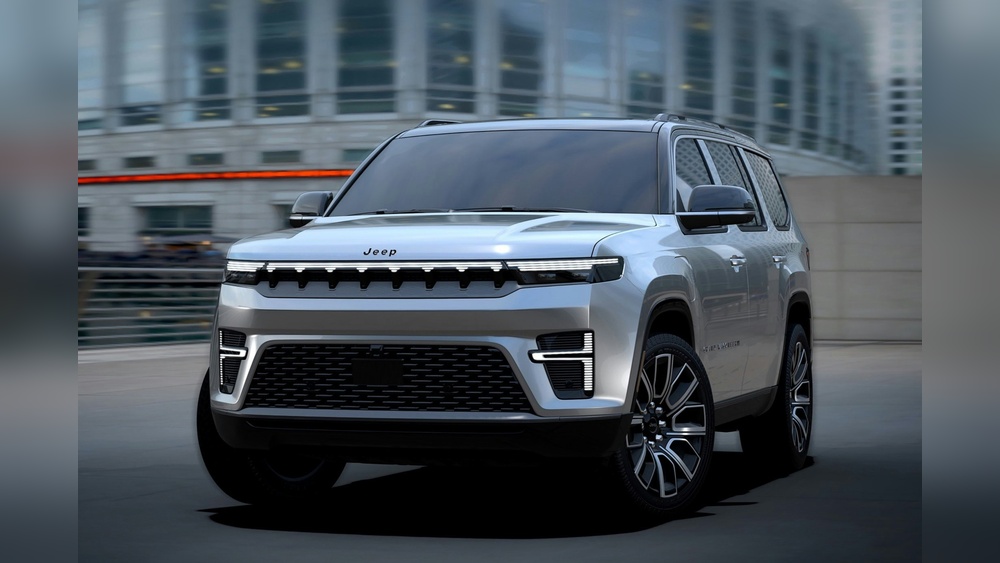
Jeep Wranglers are famous for their rugged looks and off-road ability. Many people love them for adventure and style.
But if you search online or ask owners, you’ll often hear about reliability problems. Why are Jeep Wranglers seen as unreliable by so many drivers?
Let’s explore the main reasons, with real examples and data, so you know what to expect before buying or owning a Wrangler.
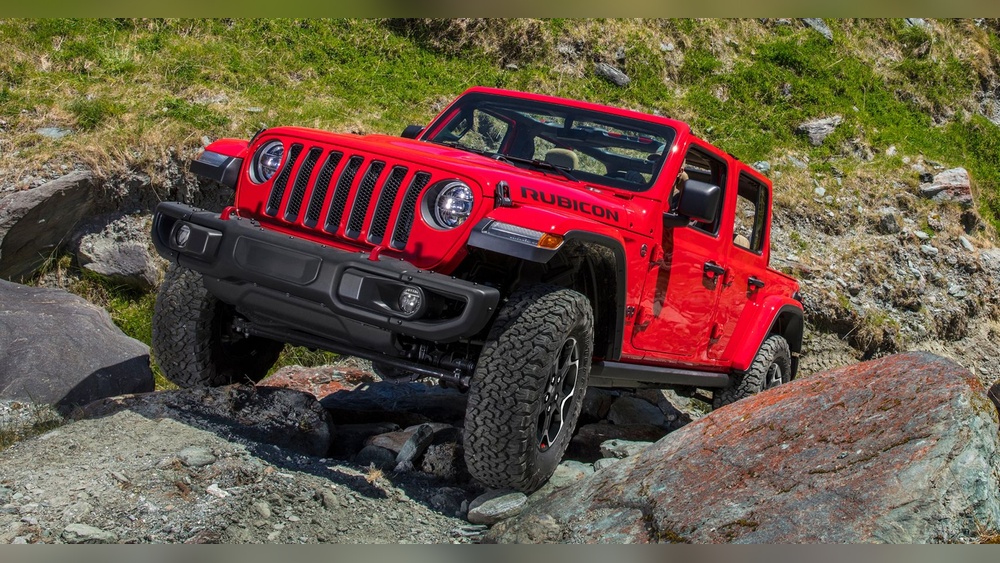
Common Reliability Issues In Jeep Wranglers
Wranglers often stand out for their mechanical problems. Over the years, several models have shown weaknesses in key parts. Here are the most frequent issues:
- Transmission failures: Many owners report transmission problems, especially in older models (like 2012-2014). Some need full replacements after just 60,000 miles. In some cases, drivers notice hard shifting or slipping gears, making daily driving frustrating and unsafe.
- Electrical glitches: Wranglers face issues like faulty sensors, dashboard lights staying on, and power window failures. Owners have also mentioned problems with the infotainment system freezing or resetting itself without warning, which can be distracting.
- Engine concerns: Some Wranglers suffer from oil leaks, overheating, or premature engine wear. For example, a few models develop ticking noises from the engine, hinting at deeper mechanical trouble. Addressing these issues often means high repair bills.
- Suspension and steering woes: The famous “death wobble” (violent shaking after hitting a bump) is well-known among Jeep communities. It usually appears in vehicles with worn-out bushings or track bars, sometimes even after routine maintenance.
- Water leaks: Soft tops and removable doors let water in, damaging electronics and causing mold. Many owners find wet carpets after rain or car washes, leading to unpleasant smells and costly repairs.
These problems are not just rare cases. In fact, according to Consumer Reports, the Jeep Wrangler often scores below average in reliability compared to other SUVs.
Owners mention that some issues return even after repairs, such as persistent electrical faults or leaks, which can become frustrating over time.
| Model Year | Reliability Rating (Consumer Reports) | Major Problem Area |
|---|---|---|
| 2012 | 2/5 | Transmission |
| 2015 | 2/5 | Electrical |
| 2018 | 1/5 | Suspension |
Design Choices That Affect Reliability
Wrangler’s unique design is a big part of its appeal, but it also leads to problems:
- Removable roof and doors: While fun, these features create openings for water, dust, and noise. Seals wear out quickly. Many owners notice that after a few years, the seals become less effective, and replacing them is not always easy or cheap.
- Solid axle suspension: This design is great for off-roading but less stable for city driving. It puts more stress on steering parts. You might feel more bumps and vibrations compared to SUVs with independent suspension, making long drives less comfortable.
- Simple interior: The interior is basic, but electrical systems (windows, locks, infotainment) still fail often. Some owners prefer this simplicity, but even basic controls can stop working unexpectedly.
In short, the rugged construction comes with trade-offs. Wranglers are built for tough terrain, not for smooth daily driving. For people who use their Jeep mostly in cities, the design may feel less practical and more prone to everyday issues.
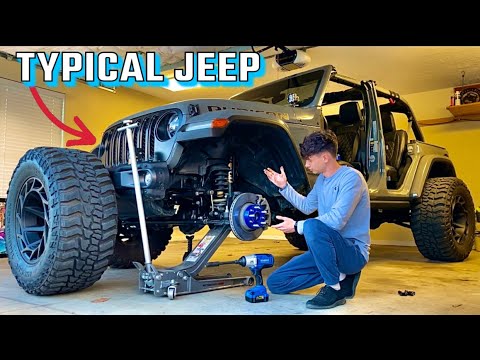
Jeep Wrangler Vs. Other Suvs: Reliability Comparison
How does the Wrangler stack up against other popular SUVs? Let’s look at direct comparisons.
| SUV Model | Average Reliability (J.D. Power) | Annual Repair Cost |
|---|---|---|
| Jeep Wrangler | 3/5 | $694 |
| Toyota 4Runner | 4/5 | $514 |
| Honda CR-V | 5/5 | $407 |
The Wrangler costs more to repair and gets lower reliability scores than rivals. This is especially true for models made after 2018. Many drivers switch to brands like Toyota or Honda for fewer repairs and easier ownership. Another example: the Honda CR-V rarely has major engine or transmission problems, while the Wrangler can face these issues even in newer models.
Real-world Examples And Owner Experiences
Many Jeep owners share their experiences on forums and review sites. Here are two non-obvious problems beginners often overlook:
- Parts availability: Some Wrangler parts are hard to find and expensive. A simple repair can take weeks. For example, specialty parts for the suspension or unique trim pieces may not be stocked locally, forcing owners to wait for delivery.
- Warranty limits: Jeep’s warranty does not always cover common issues like water leaks or suspension problems after a few years. Owners sometimes pay out of pocket for repairs that other brands might cover for longer periods.
For example, one owner reported waiting three months for a replacement transmission, while another faced repeated repairs for dashboard electronics that never fully worked. Some drivers also mention that even after warranty repairs, problems can return, making reliability a long-term concern.
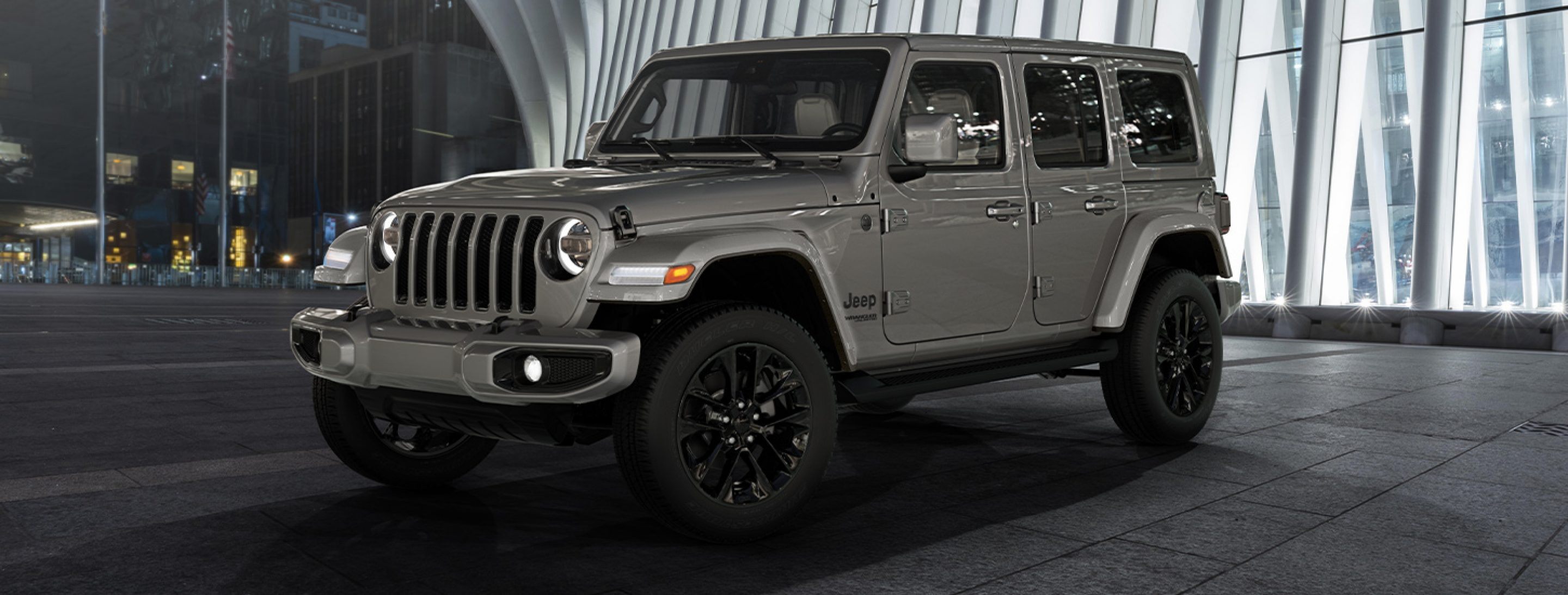
Why Do Reliability Issues Continue?
Several reasons keep Jeep Wranglers from improving in reliability:
- Old platform: The Wrangler uses a design that has changed little over decades. This slows down improvements. The basic frame and suspension remain similar, so new technology is harder to add.
- Focus on off-road ability: Jeep invests more in making Wranglers tough and capable than in refining reliability for city use. Many updates are focused on off-road features, such as stronger axles or better traction, rather than solving day-to-day problems.
- High demand: Wranglers sell well, so Jeep has less pressure to solve chronic problems quickly. Popularity means that even with known issues, buyers keep coming back.
Some experts believe that Jeep prioritizes tradition and style over fixing recurring flaws. For buyers, this means you should expect some old problems to stay, especially if you choose models made for off-roading.
What Can Buyers Do?
If you still want a Jeep Wrangler, there are steps to reduce reliability risks:
- Choose newer models (2020+), as they have fewer complaints. Look for models with updated engines and improved electronics.
- Regularly check seals and suspension, especially after off-road trips. Preventive maintenance can catch problems early before they become expensive.
- Avoid heavy modifications unless done by professionals. DIY changes can sometimes make reliability worse, especially for suspension and steering.
- Know the warranty details and keep all maintenance records. This helps if you need to make a claim or sell your Wrangler later.
Buyers should be realistic. Wranglers are fun, but they require more care than most SUVs. Owners who follow maintenance schedules and avoid rough driving tend to have fewer problems.
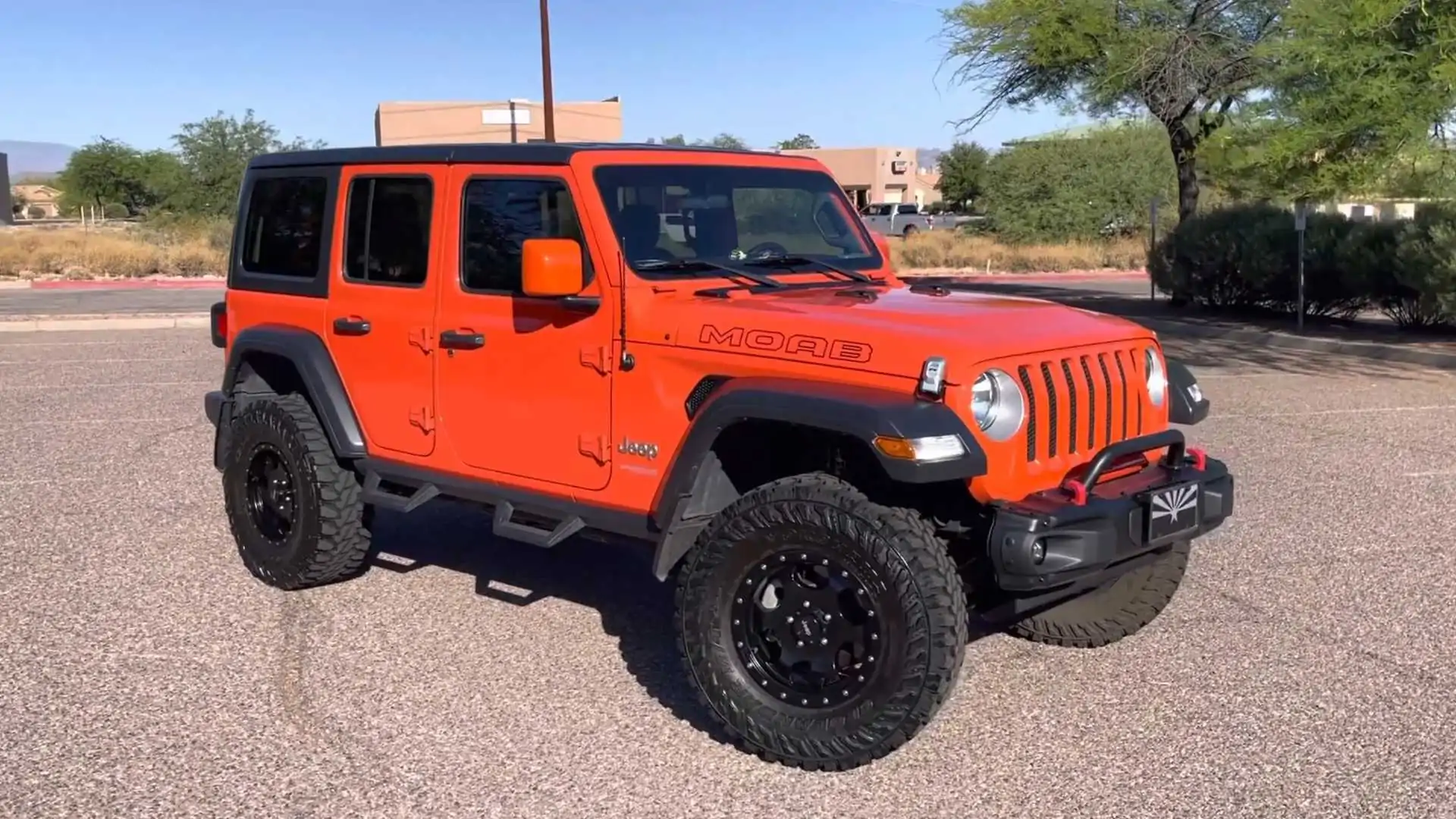
Frequently Asked Questions
Is The Jeep Wrangler Really Unreliable Compared To Other Suvs?
Yes. Most surveys show Wranglers score lower than competitors like the Toyota 4Runner and Honda CR-V. Repair costs are higher, and owners face more frequent issues. Even simple repairs can take longer due to limited parts.
What Is The “death Wobble” In Jeep Wranglers?
The “death wobble” is a violent shaking of the front wheels, usually after hitting a bump. It’s caused by worn suspension or steering parts. This problem is common in Wranglers with solid axles. Fixing it often requires replacing several parts, not just one.
Can Regular Maintenance Prevent Reliability Issues?
Maintenance helps, but some problems like water leaks or electrical faults can happen even with good care. It’s smart to check seals and electronics often. Keeping tires balanced and suspension parts tight also lowers the risk of steering problems.
Are Newer Jeep Wranglers More Reliable?
Recent models (2020 and up) have fewer complaints, especially about transmission and suspension. Still, some issues remain due to the basic design. Owners report better performance but warn that water leaks and electrical faults can still appear.
Should I Buy A Jeep Wrangler If I Want Reliability?
If reliability is your top priority, consider other SUVs. Wranglers are best for off-road fans who accept more repairs and maintenance. For more data, check the official Consumer Reports Jeep Wrangler reliability ratings.
Jeep Wranglers offer adventure and style, but they come with known reliability risks. Understanding these issues helps you make a smarter choice, whether you’re buying or already own a Wrangler.
Always weigh the fun against the extra care and repairs that may come with the ride.