When you own a Jeep Wrangler, the battery is not just another part it’s the heart of your vehicle’s electrical system. Whether you’re driving through rugged trails or city streets, the right battery keeps your Wrangler running strong.
But what battery does a Jeep Wrangler actually use?
Many drivers are unsure, and making the wrong choice can lead to unreliable starts and electrical problems. Let’s break down the essentials, so you can choose confidently and avoid common mistakes.
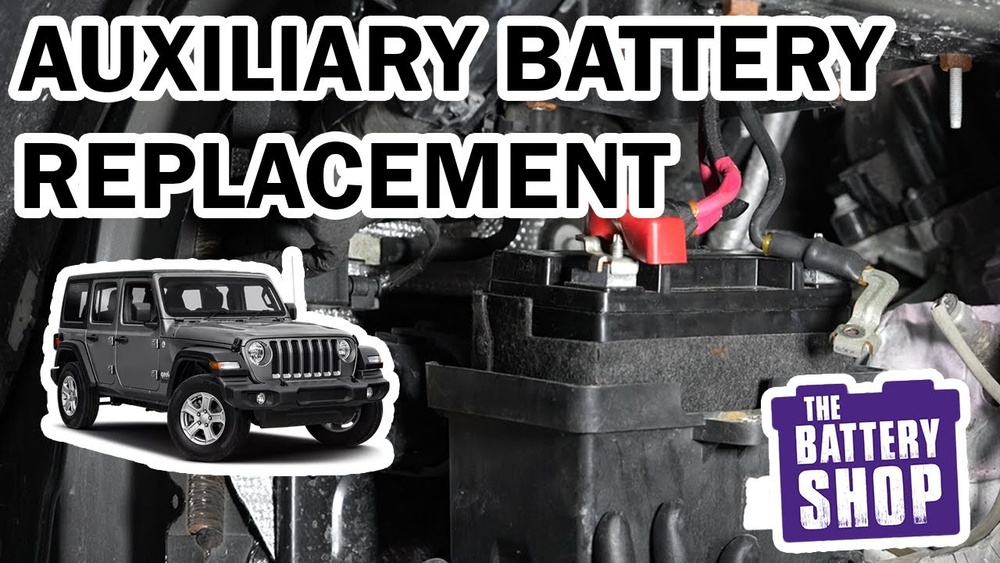
Jeep Wrangler Battery Types And Sizes
Jeep Wranglers have evolved over the years, but some basics remain constant. Most models use a Group 34 or Group 94R battery. These numbers come from the Battery Council International (BCI) and show the battery’s size and terminal location.
- Group 34: Fits many older Wranglers (YJ, TJ, and some JK models). It’s a popular size, easy to find, and offers good power.
- Group 94R: Used in newer Wranglers (especially JL models from 2018 onward). It’s slightly larger and delivers more capacity for modern electronics.
Here’s a quick comparison of common battery groups:
| Battery Group | Dimensions (inches) | Typical Use |
|---|---|---|
| 34 | 10.25 x 6.88 x 7.88 | Older Wrangler, some JK |
| 94R | 12.4 x 6.9 x 7.5 | JL, newer JK |
Always check your owner’s manual or the battery tray label before buying. Even within a model year, batteries can differ based on engine type or trim.
Key Battery Features For Jeep Wrangler
A Jeep Wrangler battery does more than start the engine. It powers lights, radio, navigation, and more. You need a battery with the right cold cranking amps (CCA), reserve capacity, and durability.
Cold Cranking Amps (cca)
Wranglers need a battery with high CCA, especially for cold climates. CCA is the number of amps a battery can deliver at 0°F for 30 seconds. Most Wranglers require at least 600 CCA, but many owners go higher for reliability.
Reserve Capacity
Reserve capacity means how long a battery can run accessories if the alternator fails. For off-road or camping, this is essential. Look for at least 90 minutes of reserve capacity.
Durability And Technology
Wranglers face tough conditions. Choose batteries with rugged construction and vibration resistance. AGM (Absorbent Glass Mat) batteries are popular because they resist leaks and last longer. Standard flooded batteries work, but AGM is often worth the extra cost.
Here’s a comparison between battery types:
| Type | Advantages | Drawbacks |
|---|---|---|
| AGM | Long life, spill-proof, vibration resistant | Higher cost |
| Flooded | Lower price, easy to find | Shorter lifespan, less vibration resistance |
Common Battery Brands And Models
Many brands make reliable batteries for Jeep Wrangler. Some top choices include:
- Optima RedTop (Group 34): Known for strong starting power and durability.
- Odyssey Extreme (Group 34/94R): High CCA, great for cold weather and heavy accessories.
- DieHard Platinum AGM (Group 94R): Good balance of price and performance.
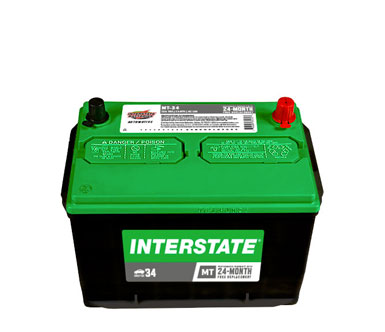
- Interstate Batteries: Widely available, fits most Wrangler models.
Not all batteries are equal. Optima and Odyssey cost more, but they’re trusted by Jeep enthusiasts for tough conditions.
Jeep Wrangler Battery Replacement Tips
Replacing your Jeep Wrangler battery is simple, but there are steps to follow:
- Check fitment: Make sure the new battery matches the group size and terminal layout.
- Disconnect negative cable first: Prevents electrical shorts.
- Remove old battery: Lift straight up—Wrangler batteries can be heavy.
- Clean terminals: Use a wire brush for better contact.
- Install new battery: Secure tightly to prevent movement.
- Reconnect cables: Positive first, then negative.
Most drivers miss two things: cleaning the tray area (corrosion can build up) and checking battery hold-downs. Loose batteries lead to vibration damage.
Signs Your Jeep Wrangler Battery Needs Replacement
Don’t wait for total failure. Watch for these signs:
- Slow engine start
- Dim headlights
- Clicking sound when turning the key
- Dashboard warning lights
- Swollen battery case
Wrangler batteries last 3-5 years on average. Extreme temperatures or heavy accessory use can shorten lifespan.
Battery Upgrades For Off-road And Accessories
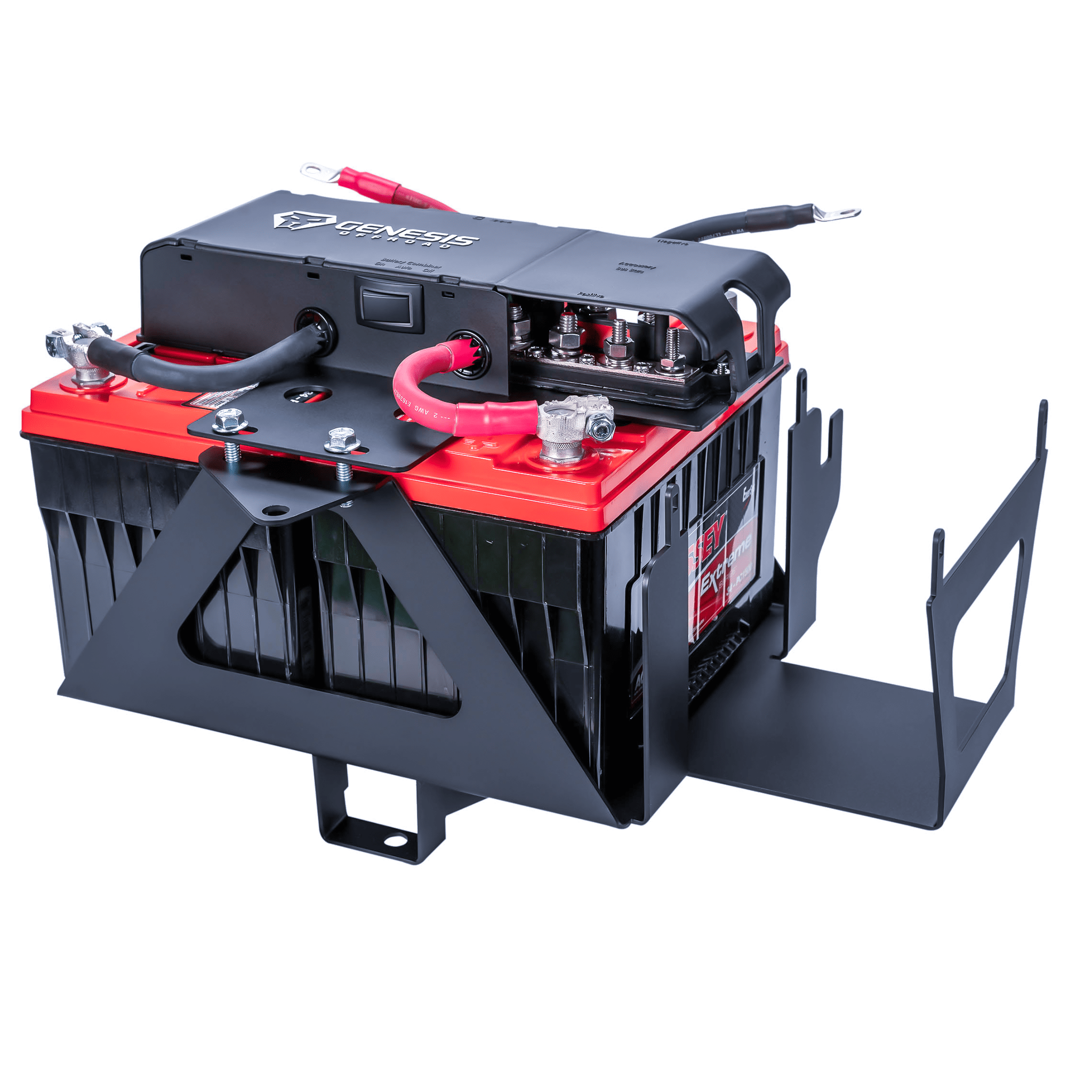
If you use winches, lights, or sound systems, your Wrangler needs more power. Consider an AGM battery or dual-battery setups. Dual batteries give extra reserve and keep electronics running longer. Always upgrade cables to handle extra current.
Here’s a quick look at dual vs single battery setups:
| Setup | Benefits | Drawbacks |
|---|---|---|
| Single Battery | Simpler, less weight, lower cost | Limited reserve, may struggle with many accessories |
| Dual Battery | More reserve, backup power | Complex, heavier, more expensive |
Common Buyer Mistakes To Avoid
Many Jeep owners make avoidable errors:
- Buying the wrong group size: Always check your model and year.
- Ignoring CCA and reserve capacity: More is better for reliability.
- Choosing cheap batteries: Lower price often means shorter life.
- Forgetting about terminal orientation: Wrong terminals can prevent proper installation.
Ask at your local parts store if you’re unsure. And always recycle old batteries they contain hazardous materials.
Frequently Asked Questions
What Is The Correct Battery Size For A Jeep Wrangler?
Most Wranglers use Group 34 or Group 94R batteries. Your owner’s manual or battery tray label will show the exact size.
How Long Does A Jeep Wrangler Battery Last?
A Wrangler battery usually lasts 3-5 years. Hot climates, off-road use, and extra accessories can reduce lifespan.
Can I Use An Agm Battery In My Jeep Wrangler?
Yes, AGM batteries work well in Wranglers. They offer longer life, better vibration resistance, and more reliable power.
Do I Need A Dual Battery Setup?
If you run high-power accessories (winches, lights, refrigerators), a dual battery setup is recommended. For standard driving, a single battery is enough.
Where Can I Find More Information About Jeep Wrangler Batteries?
For more details, check the official Jeep site or visit Jeep Owners.
Choosing the right battery for your Jeep Wrangler is simple once you know the basics. The right group size, enough CCA, and a reliable brand make all the difference.
Whether you stick to the road or push your Wrangler off-road, a strong battery keeps your adventures going without worry.