If your Jeep Grand Cherokee shakes while driving, it can feel both annoying and worrying. Many owners notice vibrations in the steering wheel, seat, or even throughout the entire vehicle.
These shakes can come and go, or they may get worse over time. Understanding the cause is important for your safety and your wallet.
While some problems are simple to fix, others need quick attention before they get worse.
Common Reasons Your Jeep Grand Cherokee Shakes
There are several reasons why your Grand Cherokee might vibrate on the road. Let’s explore the most frequent causes and what they mean for your SUV.
Tire Issues
Unbalanced or damaged tires are the most common reason for shaking. If a tire is worn unevenly or has a bubble, you will feel a shake, especially at higher speeds.
- Wheel alignment: Bad alignment causes uneven tire wear, making the Jeep vibrate.
- Tire pressure: Low or uneven pressure can create a rough ride.
Example: If your Jeep shakes between 55-70 mph, suspect tire or wheel problems first.
Brake Problems
Shaking that happens mainly when you brake usually points to your brake rotors. Warped rotors can make the steering wheel or pedal vibrate.
- Worn brake pads: Thin pads don’t absorb heat well, which can warp rotors faster.
- Sticking calipers: If a caliper doesn’t release, it causes uneven braking and shaking.
Suspension And Steering
Your Grand Cherokee’s suspension keeps the ride smooth. If something is worn out or broken, you’ll feel it.
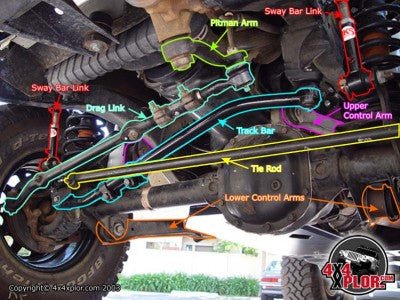
- Bad ball joints or tie rods: These parts keep your wheels straight. When they wear out, shaking and poor control follow.
- Worn shocks or struts: Old shocks can’t absorb bumps, leading to a bouncy, shaky ride.
Driveshaft And Drivetrain
For 4WD Grand Cherokees, driveshaft issues can cause vibration, especially during acceleration.
- Worn U-joints: Universal joints allow the driveshaft to turn. When they fail, the Jeep shakes, often with a clunking noise.
- Out-of-balance driveshaft: A bent or damaged shaft will vibrate at certain speeds.
Engine And Transmission Mounts
Mounts hold the engine and transmission in place. When they break or wear out, you’ll feel more vibration, especially at idle or when shifting gears.
Wheel Bearings
Bad wheel bearings can cause shaking, usually with a humming or grinding sound. If ignored, they can fail and cause major problems.
How To Diagnose The Problem
Figuring out why your Grand Cherokee shakes can save you time and money. Here’s a step-by-step approach:
- Notice when it shakes: Does it happen at certain speeds, while braking, or during turns?
- Check your tires: Look for uneven wear, low pressure, or visible damage.
- Test the brakes: If the steering wheel shakes when you brake, suspect the rotors.
- Listen for noises: Clunking, grinding, or humming can point to suspension or wheel bearing issues.
- Feel for changes: Does the shaking get worse with speed, or when you turn the wheel?
Comparing Common Causes: What To Expect
Below is a comparison to help you quickly match symptoms to likely problems.
| When Vibration Occurs | Likely Cause | Check First |
|---|---|---|
| Highway speeds | Unbalanced tires, alignment | Tires, alignment |
| Braking | Warped rotors, brake pads | Brakes |
| Acceleration | Driveshaft, U-joints | Drivetrain |
| Turning | Suspension, wheel bearings | Suspension, bearings |
Repair Costs: What Should You Expect?
Knowing what repairs might cost helps you plan. Here are average price ranges for common fixes on a Jeep Grand Cherokee.
| Repair Type | Estimated Cost (USD) |
|---|---|
| Tire balancing | $50 – $100 |
| Wheel alignment | $75 – $150 |
| Brake rotor replacement | $250 – $400 |
| Suspension parts | $200 – $800 |
| Driveshaft repair | $400 – $1,000 |
| Engine mounts | $300 – $600 |
Prices can vary by location and year of your Jeep. Always get a few quotes before repairs.
Non-obvious Tips Most Owners Miss
- Don’t ignore small shakes. Even minor vibrations can quickly damage expensive parts like tires or suspension.
- Check tire age. Even if they look good, old tires get hard and lose grip, causing more vibration.
- Rotate tires regularly. This simple step prevents uneven wear, a common cause of shaking.
- Inspect wheels after off-roading. Bent wheels are common after rough trails and may not be obvious without a professional check.
When Is It Unsafe To Drive?
If your Grand Cherokee shakes badly, don’t risk it. Serious shakes mean a part could fail at any moment. Stop driving if you notice:
- The steering feels loose or unresponsive.
- You hear loud clunking or grinding.
- The vibration gets much worse quickly.
Continuing to drive can make repairs more expensive and dangerous.
Can You Fix It Yourself?
Some problems, like low tire pressure or simple wheel balancing, can be handled by owners with basic tools. More complex issues such as suspension, drivetrain, or brake repairs are best left to a qualified mechanic. Remember, guessing can be costly.
If you need step-by-step repair guides, the official Jeep website offers useful maintenance resources.
Frequently Asked Questions
Why Does My Jeep Shake Only At High Speeds?
Usually, unbalanced wheels or tire issues are to blame. Less often, a bent rim or worn suspension parts can cause shaking above 50 mph.
Is It Safe To Drive With My Jeep Shaking?
It depends on the cause. Minor vibrations from tire balance can wait a short time, but strong shakes should be checked immediately for your safety.
Can Bad Alignment Make My Jeep Vibrate?
Yes, bad alignment causes uneven tire wear, leading to vibration. It also makes the Jeep harder to control and wears out tires faster.
How Often Should I Check My Tires To Avoid Shaking?
Check your tire pressure and tread at least once a month. Rotate your tires every 5,000–8,000 miles for even wear.
What Should I Do If The Shaking Starts Suddenly?
Slow down and pay attention to any noises or warning lights. If the vibration is strong, pull over and inspect the tires. If you can’t find the cause, get professional help as soon as possible.
A shaking Jeep Grand Cherokee is more than just a comfort issue it’s a sign something needs attention. By understanding the common causes, watching for symptoms, and acting quickly, you keep your Jeep safe and reliable for years to come.