If you have ever heard the term “Sheila Jeep,” you might wonder what it really means. This phrase is common in South Asian countries, especially in Bangladesh, India, and Pakistan. It describes a unique type of vehicle with its own history, look, and use.
But what exactly is a Sheila Jeep, and why does it stand out from other vehicles?
Understanding Sheila Jeep
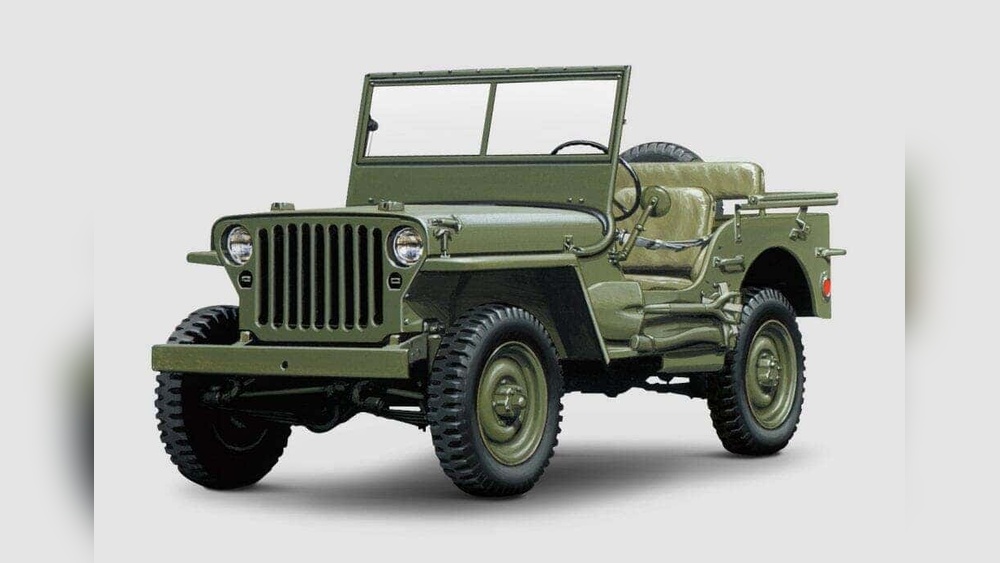
A Sheila Jeep is not a brand. It is a local name for a modified four-wheel-drive vehicle, usually based on old military jeeps or SUVs. These vehicles are rebuilt, upgraded, and decorated to be used as public transport or for personal use in rural and hilly areas. The name “Sheila Jeep” is believed to come from the Hindi word “Sheela,” meaning strong or tough, showing the vehicle’s durability.
The History And Origin
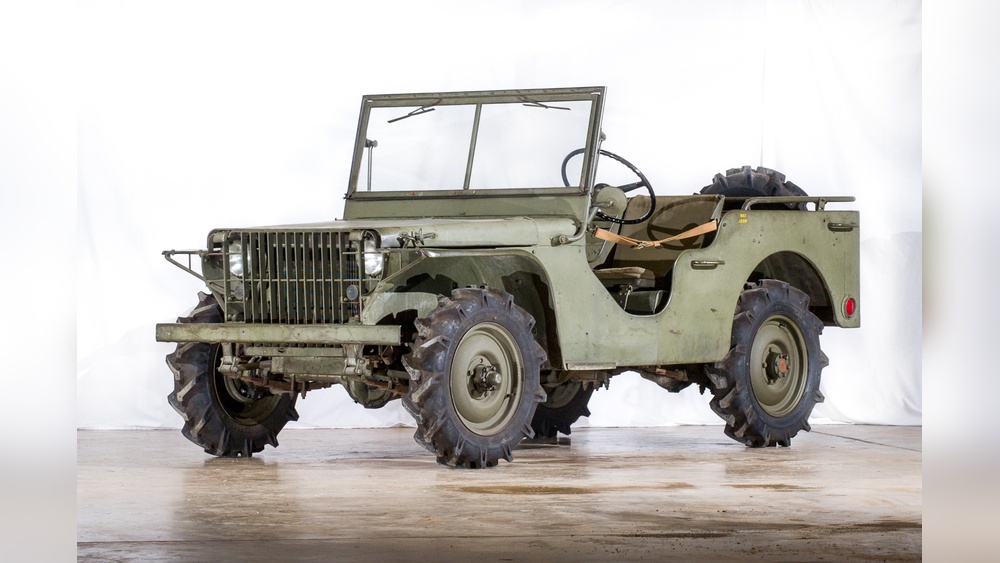
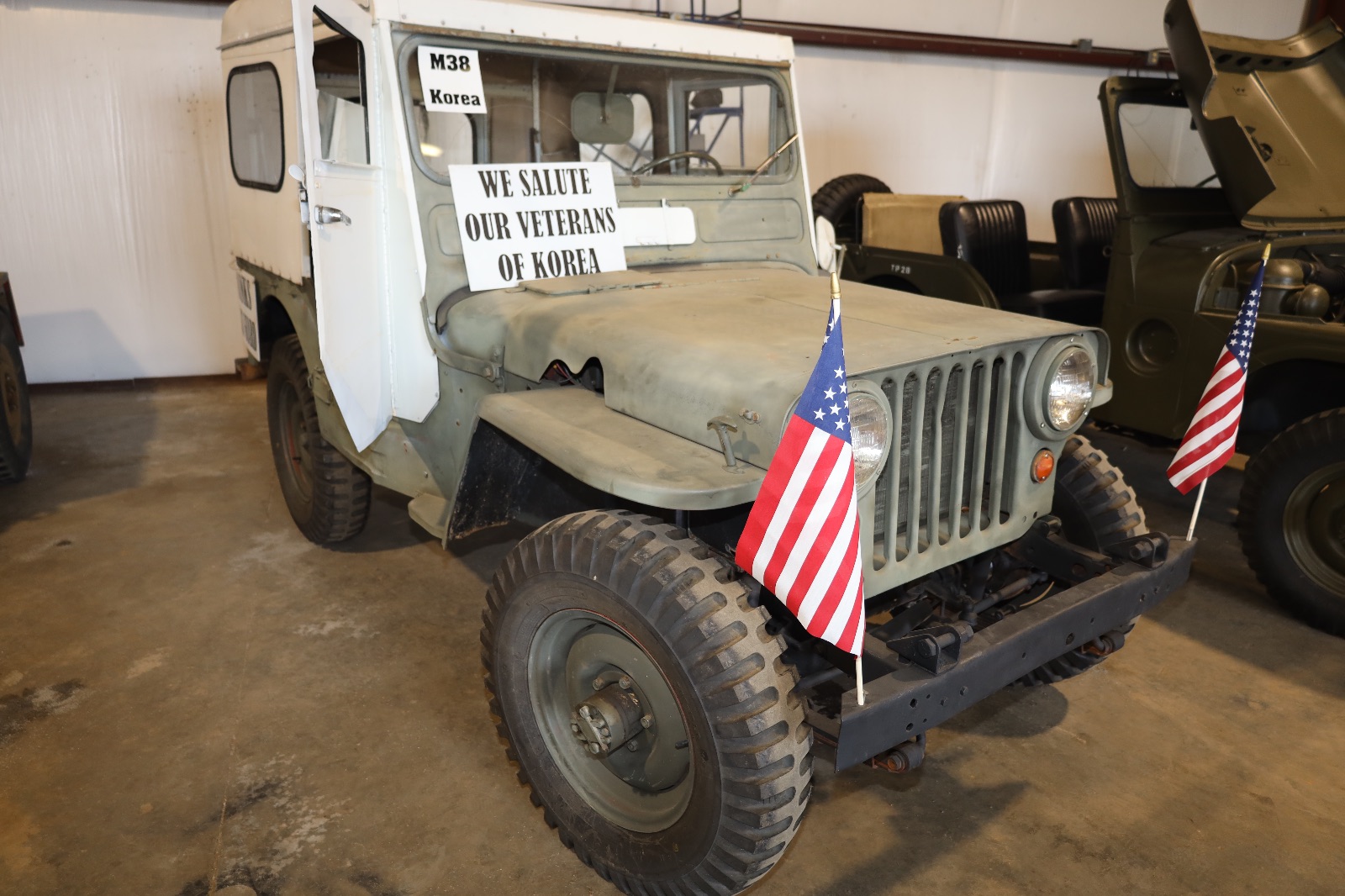
The story of the Sheila Jeep goes back to the 1950s and 1960s. After World War II, many military jeeps were left unused in South Asia.
Mechanics and local workshops started to rebuild these jeeps. They used spare parts from different vehicles, making a strong and affordable ride for difficult roads.
Over time, the Sheila Jeep became a symbol of rural transportation. It is especially popular in the Chittagong Hill Tracts of Bangladesh, the hilly regions of India’s Northeast, and some parts of Pakistan.

Key Features Of Sheila Jeep
The Sheila Jeep is famous for its unique design and ability to travel on rough roads. Here are some of its main features:
- Four-wheel drive: Handles mud, steep hills, and rocky paths.
- Open or semi-open body: Allows more people to ride and better airflow.
- Extra seating: Benches or side-facing seats to carry 10-15 passengers.
- Bright decorations: Colorful paint, lights, and stickers.
- Loud horns and music systems: Adds to the lively atmosphere.
Example: A Typical Sheila Jeep Journey
In the Bandarban district of Bangladesh, a Sheila Jeep can climb steep mountain roads with 12-15 passengers. It picks up villagers, students, and workers, connecting small villages with the main town. The ride is bumpy but gives a sense of adventure and community.
Sheila Jeep Vs. Other Local Transport
How does the Sheila Jeep compare to other rural transport options? This simple table shows the main differences.
| Vehicle Type | Passenger Capacity | Road Suitability | Cost (USD, approx.) |
|---|---|---|---|
| Sheila Jeep | 10-15 | Rough, hilly roads | 3,000 – 7,000 |
| Auto-rickshaw | 3-6 | Flat, short distances | 1,500 – 2,500 |
| Bus | 30-50 | Paved roads | 20,000 – 40,000 |
Why Sheila Jeeps Are Still Popular
In many rural and hilly regions, other vehicles struggle to handle the terrain. The Sheila Jeep remains popular for several reasons:
- Durability: Can survive tough conditions for many years.
- Low maintenance: Local mechanics can fix them easily.
- Affordable fare: Costs less per passenger compared to taxis or private cars.
- Cultural value: These jeeps are often part of local traditions and events.
Customization And Decoration
One thing that makes a Sheila Jeep unique is its look. Owners often spend money to decorate their jeeps, making each one stand out. The decorations include:
- Bright colors and hand-painted designs
- LED lights and creative bumpers
- Religious symbols or family names
- Loud music systems
These features do more than look good; they show the owner’s pride and attract passengers.
Safety And Challenges
While Sheila Jeeps are strong, they also face some problems. Safety is a big concern, especially when they are overloaded. Many do not have seat belts or modern safety features. Accidents can happen, especially on steep or muddy roads.
Here is a quick comparison of safety features:
| Vehicle | Seat Belts | Overloading Risk | Driver Training |
|---|---|---|---|
| Sheila Jeep | Rare | High | Basic |
| Modern SUV | Standard | Low | Advanced |
| Bus | Standard | Medium | Professional |
Local governments are now working to improve safety. Some areas limit the number of passengers or require better training for drivers.
The Future Of Sheila Jeep
As new roads and vehicles come to rural areas, the role of the Sheila Jeep may change. Some people believe these jeeps will become less common as buses and SUVs take over. Others think they will adapt, using better parts and safer designs. For now, the Sheila Jeep remains a symbol of rural life and resourcefulness.
Interesting Facts Most People Miss
- Some Sheila Jeeps use a mix of parts from different brands, like Toyota engines in a Willys Jeep body.
- In some regions, Sheila Jeeps are used for weddings or special events because of their decorated look.
- The exact number of Sheila Jeeps in operation is unknown, but in Bangladesh, local transport groups estimate several thousand are on the road.
To learn more about the history of jeeps in South Asia, you can visit the Jeep Wikipedia page.
Frequently Asked Questions
What Is The Main Use Of A Sheila Jeep?
Sheila Jeeps are mainly used for public transportation in hilly and rural areas. They carry passengers and goods where buses or cars cannot go.
Are Sheila Jeeps Legal On All Roads?
No, Sheila Jeeps often operate in rural and mountain areas. In big cities, they may not meet safety or road standards and might be restricted.
How Much Does A Ride In A Sheila Jeep Cost?
The fare depends on the region and distance. Usually, it is cheaper than a taxi but more than a bus. A short trip might cost between $0. 20 and $0. 50 per person.
Who Can Drive A Sheila Jeep?
Any adult with a valid driver’s license can drive a Sheila Jeep. However, many drivers are locals who know the difficult roads well.
Are Sheila Jeeps Being Replaced By Modern Vehicles?
In some areas, yes. As roads improve, buses and SUVs are becoming more common. But in remote places, Sheila Jeeps are still the best option for travel.
The Sheila Jeep is more than just a vehicle it is a part of life in many rural communities. It shows how people adapt and create solutions using what they have.
As times change, the story of the Sheila Jeep continues, carrying both people and tradition into the future.