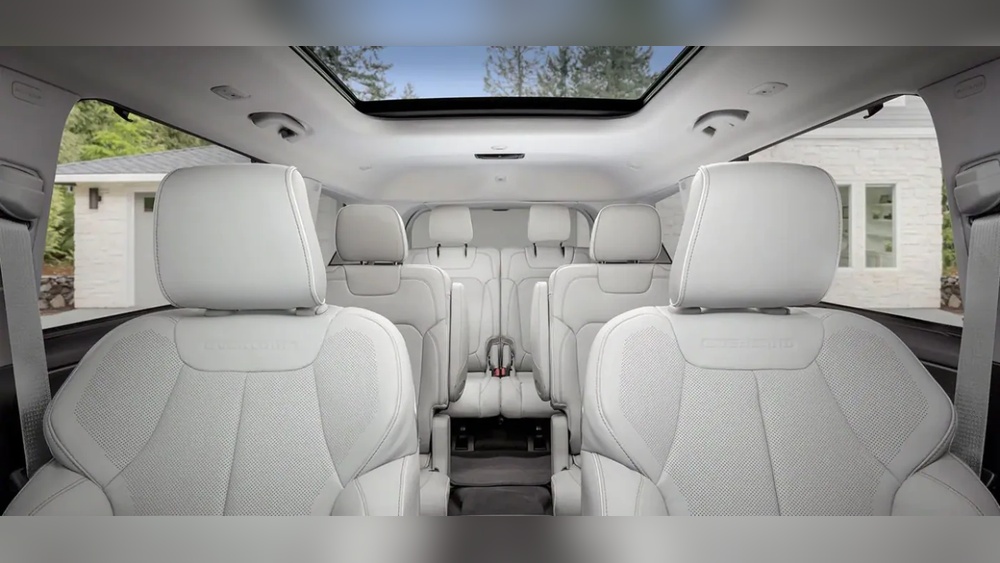
The Jeep is one of the most recognizable vehicles in the world today. Its unique design, rugged build, and military history make it an icon.
But few people know exactly why the Jeep was invented in the first place. Understanding the origins of the Jeep reveals not only its purpose, but also how it changed the way vehicles were used in war and peace.
Let’s explore the real reasons behind the Jeep’s invention, and why it became so important.
The Birth Of The Jeep: A Wartime Necessity
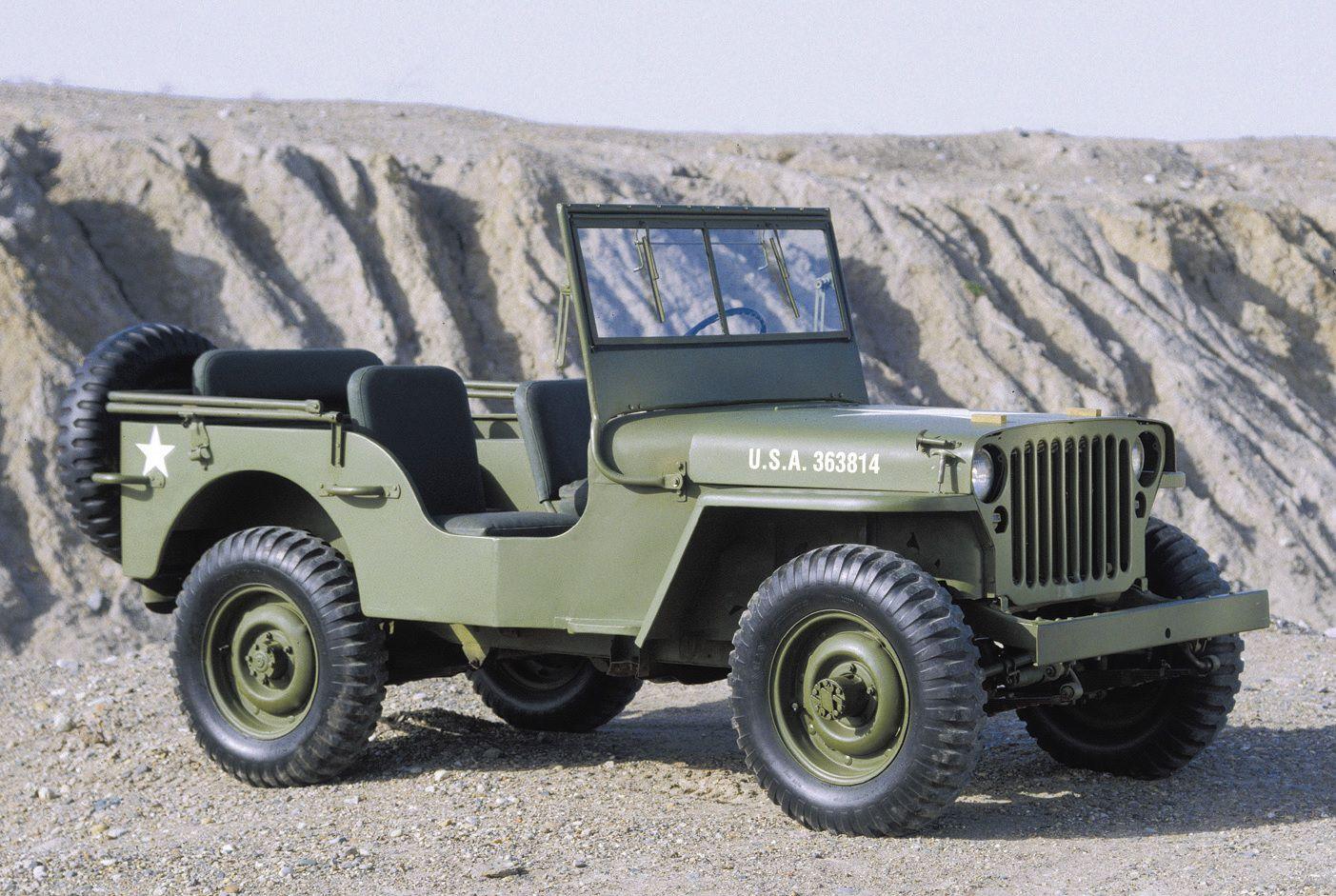
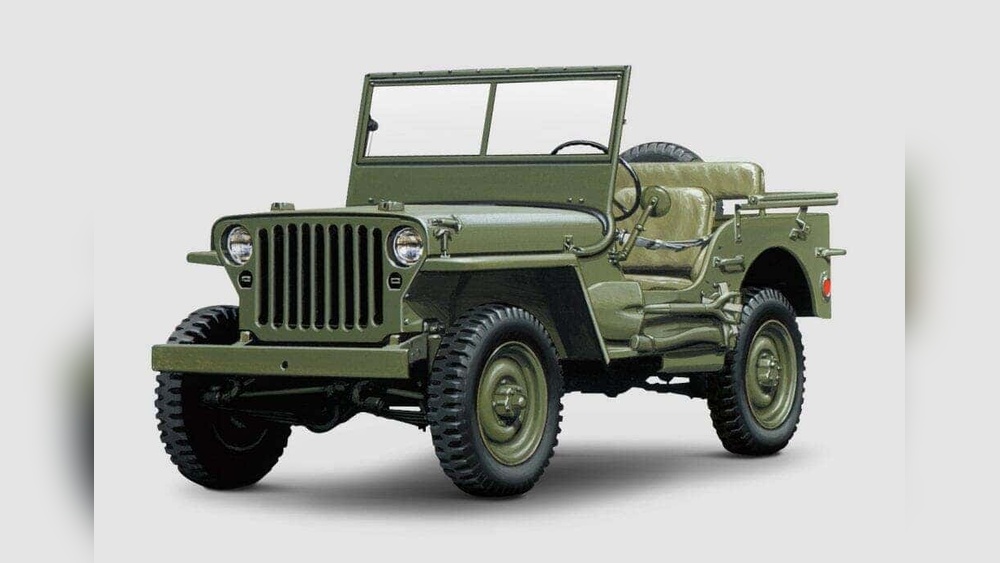
The Jeep was invented because the U.S. Army needed a lightweight, reliable vehicle for World War II. In 1940, the military sent out a request to American car companies. They wanted a small 4×4 vehicle that could handle rough terrain, carry soldiers and equipment, and move quickly. At that time, most military vehicles were too heavy or slow.
The Army gave strict requirements:
- Weight: Under 1,300 pounds
- Payload: At least 600 pounds
- Four-wheel drive: For all-weather performance
- Minimum ground clearance: 6.25 inches
- Seating: Three people
Three companies—Bantam, Willys-Overland, and Ford—competed to build the best model. Willys-Overland’s design won, leading to the Willys MB Jeep. The Army then ordered thousands for use in the war.
| Requirement | Army Standard | Jeep Result |
|---|---|---|
| Weight | 1,300 lbs | ~2,200 lbs |
| Payload | 600 lbs | 800 lbs |
| Ground Clearance | 6.25 in | 8 in |
| Seating | 3 | 4 |
Why Was The Jeep Needed?
Before the Jeep, armies used motorcycles, horses, and trucks for transport. But these options had big problems:
- Motorcycles struggled with mud and snow.
- Horses were slow and needed food and care.
- Trucks were too large for narrow roads.
The Jeep filled a gap. It could:
- Travel anywhere: Over mud, sand, snow, and rocks.
- Move fast: Up to 65 mph on roads.
- Carry supplies: Weapons, tools, medical kits.
- Evacuate wounded soldiers: Used as a quick ambulance.
The Jeep’s versatility was not obvious at first. Many doubted it could replace other vehicles. But in real battles, it proved itself. For example, in North Africa and Europe, Jeeps moved troops through rough terrain that trucks could not cross.
The Jeep’s Impact During Wwii
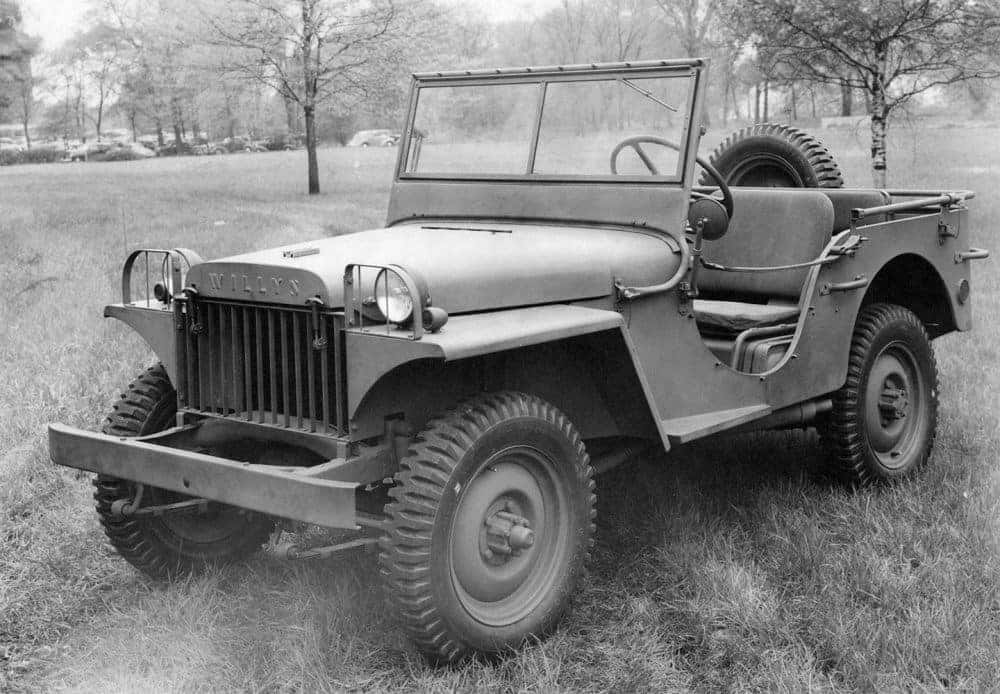
The Jeep became a symbol of Allied strength. Over 640,000 Jeeps were built during WWII. Soldiers used them for many jobs:
- Reconnaissance: Scouting enemy positions.
- Transport: Moving officers and messengers.
- Radio communication: With special radio equipment.
- Towing: Pulling artillery and trailers.
One surprising use was as a mobile platform for machine guns. The Jeep’s design allowed soldiers to attach weapons and fire while moving. General Eisenhower called the Jeep “one of three tools that won the war.” This shows its importance.
| Role | Vehicle Used Before Jeep | Jeep Advantage |
|---|---|---|
| Reconnaissance | Motorcycle | Better terrain handling |
| Ambulance | Horse-drawn cart | Faster, safer evacuation |
| Communication | Truck | More mobile radio stations |
Post-war Influence And Civilian Use
After WWII, the Jeep’s usefulness did not end. Soldiers returning home wanted a similar vehicle for farms and daily life. Willys-Overland released the CJ (Civilian Jeep) in 1945. It was used for:
- Farming: Plowing fields, hauling crops.
- Construction: Transporting tools and workers.
- Recreation: Off-road driving and hunting.
The Jeep started the trend for SUVs and off-road vehicles in America. Most modern SUVs trace their design back to the Jeep.
Two Surprising Insights
- Jeep’s Name Origin: Many think “Jeep” comes from “GP,” meaning “General Purpose.” But evidence suggests it was inspired by Eugene the Jeep, a character from the Popeye cartoon, known for going anywhere and doing anything. This playful name stuck among soldiers.
- Global Impact: The Jeep was so popular that it was copied worldwide. Russia, Britain, and even Japan made similar vehicles. The Jeep’s simple design made it easy to repair and adapt.
Comparing The Jeep To Modern Off-road Vehicles
The original Jeep was simple but tough. Today’s off-road vehicles are more advanced, but the basic idea is similar. Here’s a quick look at the differences.
| Feature | WWII Jeep | Modern SUV |
|---|---|---|
| Engine Power | 60 hp | 200-300 hp |
| Safety Features | None | Airbags, ABS, etc. |
| Comfort | Basic seats | Luxury seating |
| Technology | Manual | GPS, infotainment |
The Jeep’s Lasting Legacy
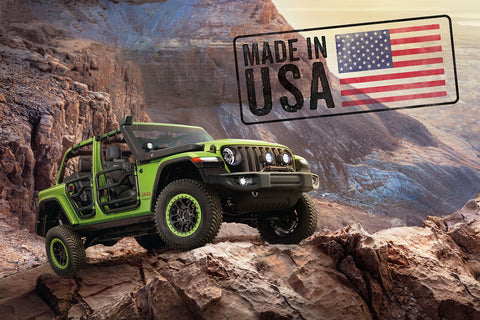
The Jeep was invented to solve a real problem: moving soldiers and equipment efficiently in difficult conditions. Its design was driven by military needs, not style. Yet, the Jeep ended up inspiring a whole new category of vehicles.
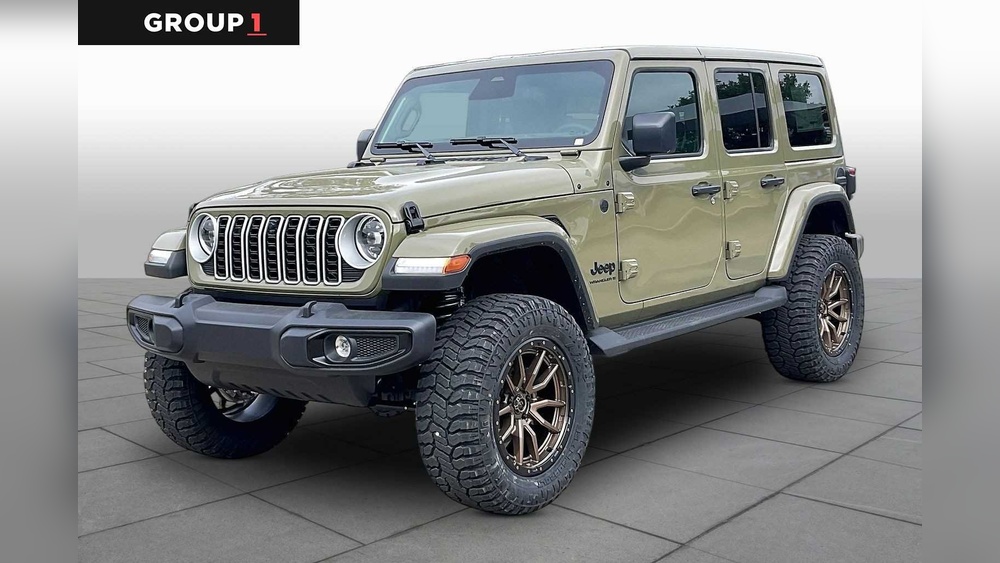
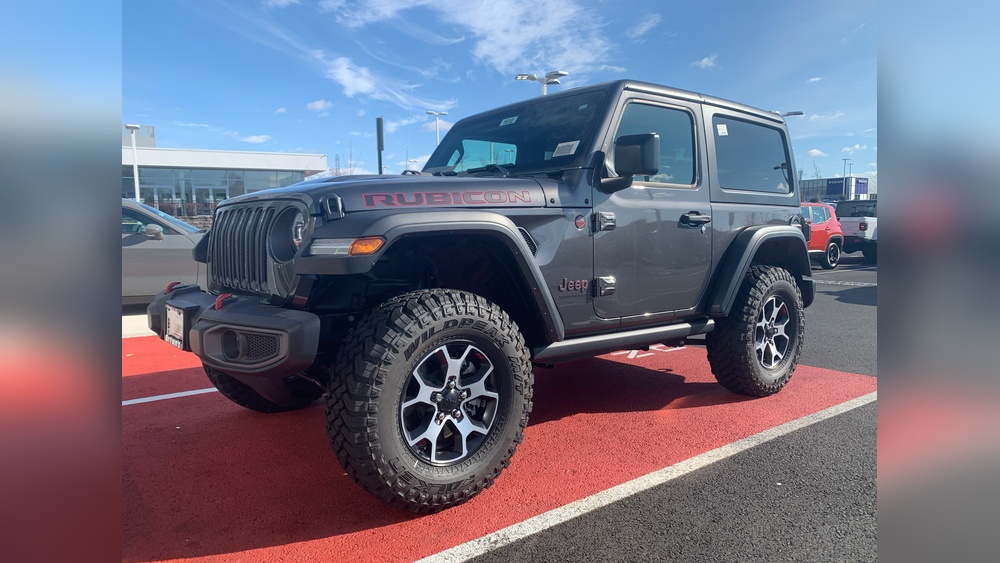
Today, Jeeps are still made for both military and civilian use. The brand is famous for durability and off-road ability. Whether used in war or peace, the Jeep’s invention changed how people think about vehicles.
If you want to learn more about the Jeep’s history and development, visit this Wikipedia article.
Frequently Asked Questions
Why Was The Jeep Invented?
The Jeep was invented because the U.S. Army needed a small, tough vehicle for World War II. It had to handle rough terrain, move quickly, and carry supplies.
Who Designed The First Jeep?
The first Jeep was designed by Willys-Overland, with help from Bantam and Ford. Willys-Overland’s design became the standard.
What Made The Jeep Different From Other Vehicles?
The Jeep’s four-wheel drive, light weight, and strong frame let it go almost anywhere. It could replace motorcycles, trucks, and horses on the battlefield.
How Many Jeeps Were Made During Wwii?
Over 640,000 Jeeps were produced for the U.S. military during World War II. They served in every theater of the war.
Is The Jeep Still Used By The Military?
Yes, modern versions of the Jeep are still used by militaries around the world. The design has evolved, but the basic idea remains.
The Jeep was invented because the world needed a reliable, all-terrain vehicle during a crisis. Its impact continues today, not just as a car, but as a symbol of adaptability and strength.