If you own a 2014 Jeep Wrangler, you know regular maintenance keeps your SUV running strong. One of the most important jobs is changing the engine oil.
But how much oil does your Jeep Wrangler actually need? The answer depends on your engine type, driving habits, and a few other factors.
Many drivers skip checking this detail, but using the wrong amount can lead to engine problems or reduced performance.
This guide will help you find the exact oil capacity, choose the right oil type, and avoid common mistakes. Whether you’re doing a DIY oil change or just want to understand your vehicle better, you’ll find practical advice and clear answers below.
2014 Jeep Wrangler Oil Capacity
Every 2014 Jeep Wrangler has a specific oil capacity. There are two main engine options:
- 3.6L V6 (Pentastar)
- 3.8L V6 (older models or special trims)
Most 2014 Wranglers use the 3.6L V6. This engine requires 5 quarts (4.7 liters) of oil, including the oil filter. If you have the rare 3.8L V6, it needs 6 quarts (5.7 liters).
For drivers who add aftermarket oil coolers or have modified their engine, capacity can change slightly. But for most stock Wranglers, these numbers are correct.
Remember that temperature, oil filter size, and even how long you let the oil drain can affect the final amount by a few ounces, though this usually isn’t significant for regular users.
Oil Capacity By Engine
| Engine Type | Oil Capacity (quarts) | Oil Filter Included? |
|---|---|---|
| 3.6L V6 Pentastar | 5 | Yes |
| 3.8L V6 | 6 | Yes |
Tip: Always check your owner’s manual to confirm your engine. Most Jeep Wranglers from 2012 onward use the 3.6L Pentastar.
If your Wrangler has been in the shop for engine repairs or swaps, double-check your engine type. Sometimes used vehicles have swapped engines, and the wrong oil fill could cause issues.
Choosing The Right Oil Type
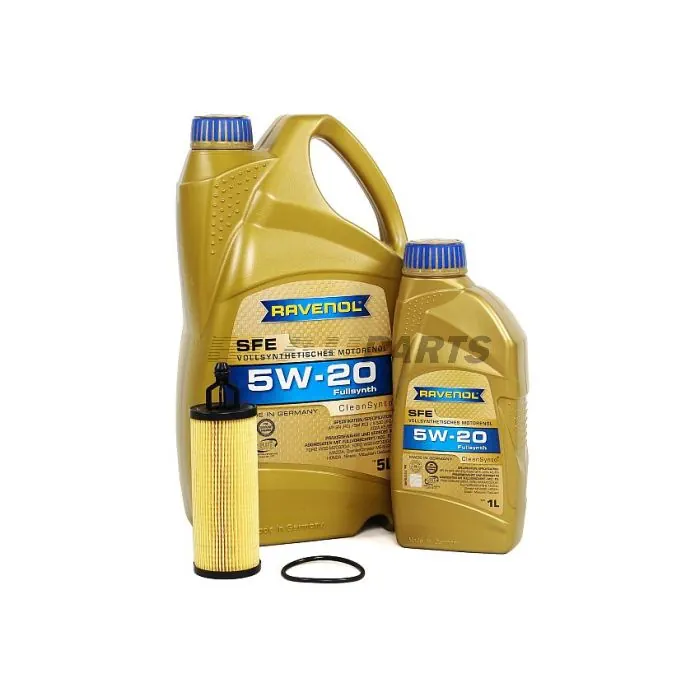
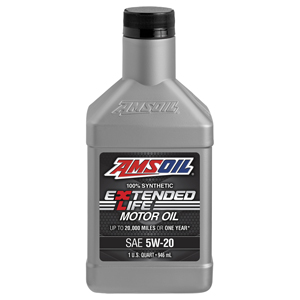
Picking the correct oil is as important as using the right amount. Jeep recommends SAE 5W-20 for the 3.6L engine. For the 3.8L engine, use SAE 5W-30. These oils work well in most climates and help your engine last longer.
Choosing the wrong oil can cause poor performance, especially in extreme weather. For example, thicker oil in cold weather can make the engine harder to start, while too thin an oil in hot climates may not protect engine parts as well.
Recommended Oil Types
| Engine | Recommended Oil | Alternative Oil |
|---|---|---|
| 3.6L V6 | SAE 5W-20 | Full synthetic 5W-20 |
| 3.8L V6 | SAE 5W-30 | Full synthetic 5W-30 |
Synthetic oils often last longer and protect better, especially in tough driving conditions. If you drive in extreme heat or cold, synthetic oil is a smart choice.
If you tow trailers, drive off-road, or idle in traffic a lot, synthetic oil’s added protection is worth the small extra cost. You’ll also notice that synthetic oil flows better at startup, which can reduce engine wear over time.
How To Change Oil In A 2014 Jeep Wrangler
If you plan to change your own oil, follow these steps:
- Warm up the engine for a few minutes. This helps oil drain faster and removes more old oil from the engine parts.
- Remove the oil drain plug under the engine. Let old oil drain out fully; waiting an extra minute ensures you get most of the oil out.
- Replace the oil filter. This is usually near the engine block. Coat the new filter’s rubber gasket with a bit of fresh oil before installing.
- Install the drain plug again. Tighten securely, but don’t over-tighten—this can strip threads or crack the oil pan.
- Add new oil. Use a funnel to avoid spills, and pour slowly so you don’t overfill.
- Check oil level with the dipstick. Add more if needed until it reaches the “full” line.
- Start the engine and let it run for a minute. This circulates the oil and fills the filter. After shutting off, wait a few minutes and re-check the dipstick.
Common mistake: Some people forget to replace the oil filter, which can lead to leaks and dirty oil. Another mistake is not tightening the drain plug enough, leading to slow leaks that are easy to miss.
Oil Change Interval
You should change the oil every 5,000 miles or 6 months, whichever comes first. If you drive off-road or in dusty areas, change it sooner.
Modern oils can sometimes last longer, but following the recommended interval gives the best engine protection. If your Jeep often sits unused, oil still ages, so don’t skip the time-based change.
Oil Maintenance Tips
Keeping your Jeep’s oil in good shape is simple with these tips:
- Always use the right oil type and amount.
- Check oil level every 1,000 miles or before long trips.
- Look for oil leaks under your vehicle, especially after oil changes.
- Replace the oil filter with every change to keep oil clean.
- Record each oil change date and mileage in a notebook or phone app.
A well-maintained engine runs smoother and lasts longer. Neglecting oil changes can cause costly damage, such as worn bearings or clogged oil passages.
If you notice your oil level dropping between changes, check for leaks or burning oil. Quick action can prevent bigger repairs.
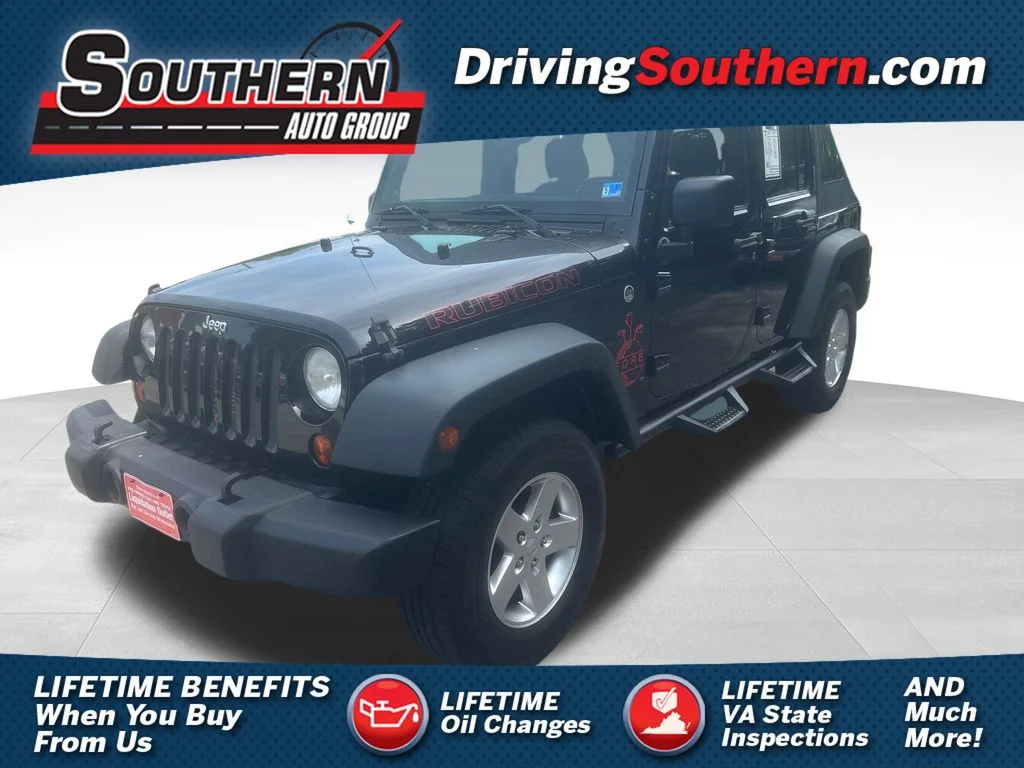
Comparison: Jeep Wrangler Vs. Other Suvs
How does the 2014 Jeep Wrangler’s oil capacity compare to similar vehicles?
| Vehicle | Engine | Oil Capacity (quarts) |
|---|---|---|
| Jeep Wrangler (2014) | 3.6L V6 | 5 |
| Ford Explorer (2014) | 3.5L V6 | 6 |
| Toyota 4Runner (2014) | 4.0L V6 | 6.6 |
The Jeep’s oil capacity is slightly lower than some rivals. This makes oil changes a bit cheaper and easier.
A smaller oil capacity also means the engine reaches operating temperature faster, which can be helpful for short trips. However, it also means you must be more vigilant about oil changes and checking levels, since there’s less oil to absorb contaminants.
Non-obvious Insights
Many Jeep owners don’t realize:
- The oil filter affects total oil capacity. Always include it when measuring, as a dry filter can “absorb” some oil after startup.
- Overfilling can cause engine foaming and leaks. Pour oil slowly and check the dipstick often.
- Using high-quality synthetic oil can reduce the need for frequent changes, saving money in the long run.
- If you consistently drive in deep water or mud, check your oil for contamination—water in the oil can ruin your engine but is easy to miss if you don’t look for milky color or rising oil levels.
Another tip: After any major off-road adventure, check your oil for signs of dirt or debris. Dirty oil wears out engines faster.
Frequently Asked Questions
How Much Oil Does A 2014 Jeep Wrangler Need?
The 3.6L V6 engine requires 5 quarts of oil, including the oil filter. If your Wrangler has the 3.8L V6, it needs 6 quarts.
What Type Of Oil Should I Use?
For the 3.6L engine, use SAE 5W-20. For the 3.8L, use SAE 5W-30. Synthetic oil is recommended for tough climates or heavy driving.
How Often Should I Change The Oil?
Change the oil every 5,000 miles or 6 months. If you drive in harsh conditions, change it more often.
Can I Use More Oil Than Recommended?
No. Overfilling can damage your engine. Always stay within the recommended capacity and check the dipstick after filling.
Where Can I Find Official Oil Capacity Data?
Official data is available in your owner’s manual or on the manufacturer’s website. For reliable information, visit Jeep Owner’s Manuals.
Keeping your 2014 Jeep Wrangler running smoothly starts with the right oil and regular maintenance. Understanding oil capacity and type helps avoid costly mistakes and keeps your SUV ready for adventure. Always follow manufacturer guidelines, check your engine type, and use high-quality oil for best results. With a little attention, your Jeep will handle both city streets and off-road trails for many years to come.