Driving a Jeep often means adventure, rugged style, and reliable performance. Among Jeep’s many models, the Jeep Commander stands out for its size and capability.
If you’re considering buying one, or just curious, you may wonder: Is the Jeep Commander full time 4WD? Understanding how its drivetrain works will help you decide if it meets your needs—whether that's off-roading, handling tough weather, or simply enjoying peace of mind on the road.
Jeep Commander: 4wd Systems Explained
The Jeep Commander was produced from 2006 to 2010. It’s a midsize SUV, designed to carry families and gear comfortably, but also to tackle dirt roads, snow, and mud. Jeep offered several 4WD systems on the Commander, but not all are full time.
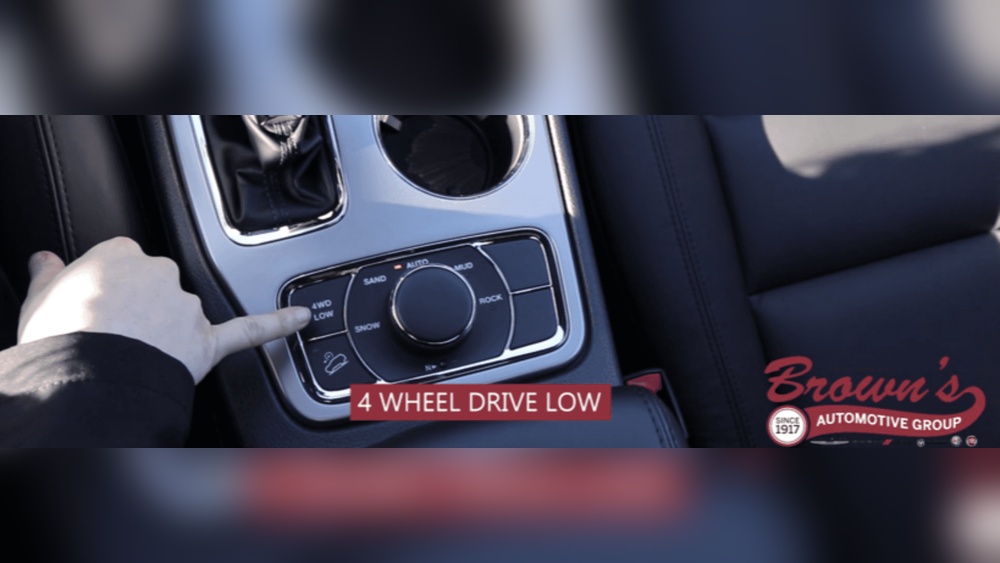
Full Time Vs Part Time 4wd
- Full time 4WD: All wheels receive power all the time. You don’t need to switch modes, and the system adjusts automatically.
- Part time 4WD: The vehicle drives in 2WD until you manually engage 4WD, often for slippery or rough surfaces.
Which System Did The Commander Use?
The Jeep Commander was available with three main 4WD options:
- Quadra-Trac I
- Quadra-Trac II
- Quadra-Drive II
Let’s break down each system:
| System Name | Type | Activation | Features |
|---|---|---|---|
| Quadra-Trac I | Full Time 4WD | Automatic | No driver input needed |
| Quadra-Trac II | Full Time 4WD | Automatic + selectable | Low range for tough terrain |
| Quadra-Drive II | Full Time 4WD | Automatic + selectable | Advanced traction control |
Quadra-Trac I is the true full time 4WD system. The other two offer full time 4WD, but with extra features for heavy off-roading.
Real-world Performance: Is It Always 4wd?
If your Jeep Commander has Quadra-Trac I, it’s always in 4WD mode. This means you never have to turn a dial or push a button. The system constantly monitors wheel speed, distributing power for best traction. It’s ideal for drivers who want simplicity.
Quadra-Trac II and Quadra-Drive II are also full time 4WD but include a low range setting for extreme conditions. You can select this feature when you need more torque, like climbing steep hills or crawling over rocks.
Comparing 4wd Modes
Here’s how the systems compare in daily use:
| Driving Condition | Quadra-Trac I | Quadra-Trac II | Quadra-Drive II |
|---|---|---|---|
| Dry pavement | Stable | Stable | Stable |
| Rain/snow | Automatic traction | Automatic traction | Automatic traction |
| Heavy off-road | Limited | Low range available | Low range + advanced traction |
For most drivers, all three options handle regular roads and mild weather with ease. Only Quadra-Trac II and Quadra-Drive II offer extra capability for serious off-road adventures.
Common Misunderstandings
Many people believe all Jeep Commanders are full time 4WD. In reality, it depends on the trim level and engine you choose. The base model usually came with Quadra-Trac I, while higher trims (like Limited or Overland) often included Quadra-Trac II or Quadra-Drive II.
Another misconception is that full time 4WD means you can never get stuck. While these systems improve traction, they can’t overcome deep mud, sand, or ice if you drive carelessly. Tire choice and driving style also matter.
Benefits And Drawbacks Of Full Time 4wd
Full time 4WD brings several benefits:
- Better traction: Great for wet, snowy, or slippery roads.
- Ease of use: No need to manually switch modes.
- Safety: Can reduce risk of losing control.
But there are some drawbacks:
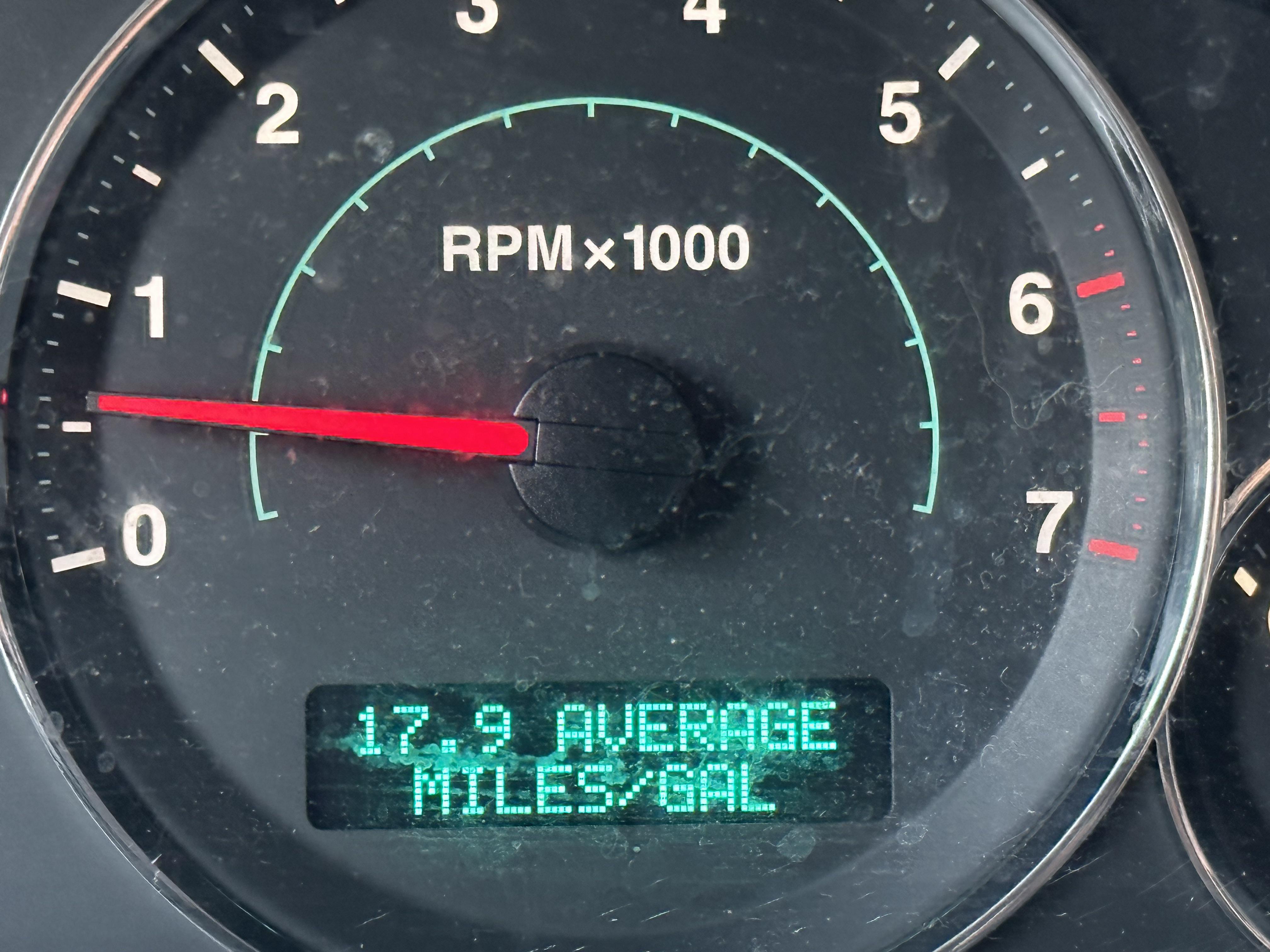
- Reduced fuel economy: Full time systems use more energy, so expect lower mileage (Commander averages 14–17 mpg).
- More maintenance: Extra moving parts mean more to check and repair.
One non-obvious point: Full time 4WD can help prevent uneven tire wear, since power is balanced across all wheels. However, it’s still important to rotate tires regularly.
How To Tell Which 4wd System You Have
If you own a Jeep Commander and aren’t sure which 4WD system it has, check:
- Badging: Look for stickers or emblems on the tailgate or near the gear shifter.
- Owner’s manual: Jeep lists the system in the specs.
- VIN lookup: Use your vehicle identification number on Jeep’s official site.
- Dashboard controls: Quadra-Trac II and Quadra-Drive II often have a “4WD Low” switch.
Here’s a quick reference for trim and 4WD system:
| Trim Level | Standard 4WD System |
|---|---|
| Base | Quadra-Trac I |
| Limited | Quadra-Trac II |
| Overland | Quadra-Drive II |
Practical Tips For Jeep Commander Owners
- If you drive mostly on pavement, Quadra-Trac I is more than enough.
- For frequent off-roading or snowy climates, consider Quadra-Trac II or Quadra-Drive II.
- Keep tires in good condition; even the best 4WD can’t compensate for worn-out tires.
- Check the transfer case and differential fluids every 30,000 miles for smooth operation.
One thing many drivers overlook: Full time 4WD can help during sudden weather changes—like a rainstorm or flash snow—since you don’t need to stop and switch modes.
Frequently Asked Questions
Is The Jeep Commander Always 4wd?
If your Commander has Quadra-Trac I, it’s always in 4WD. Other systems (Quadra-Trac II, Quadra-Drive II) are also full time 4WD, with extra features for off-road.
Does Full Time 4wd Affect Gas Mileage?
Yes. Full time 4WD uses more energy, so expect lower fuel economy. The Jeep Commander averages 14–17 mpg depending on engine and driving habits.
Can I Drive The Jeep Commander On Dry Roads With Full Time 4wd?
Absolutely. The system is designed for all conditions, including dry pavement. It won’t harm the drivetrain.
How Does The Jeep Commander’s 4wd Compare To Other Suvs?
The Commander’s full time 4WD is similar to systems in the Jeep Grand Cherokee and some Land Rover models. It offers reliable traction and automatic operation. For more comparison, visit Wikipedia.
How Do I Maintain The 4wd System?
Check fluids regularly, rotate tires, and inspect the transfer case and differentials at each service. Follow Jeep’s guidelines for maintenance.
The Jeep Commander’s 4WD systems make it a solid choice for all-weather and adventurous driving.
Knowing which system your vehicle has and how it works will help you get the most from your SUV, whether you’re heading off road or just commuting in winter.