Jeep Wranglers have a unique charm. Their boxy look, rugged build, and off-road abilities make them stand out on the road.
Yet, there’s one question almost every owner or fan asks: Why do Jeep Wranglers get bad mpg? If you’ve ever seen the numbers—often 15 to 22 miles per gallon—it’s easy to wonder why this popular vehicle lags behind many others.
Understanding the reasons can help you decide if a Wrangler is right for you, or give you ideas to improve your own fuel economy.
The Shape Of The Wrangler: Aerodynamics Explained
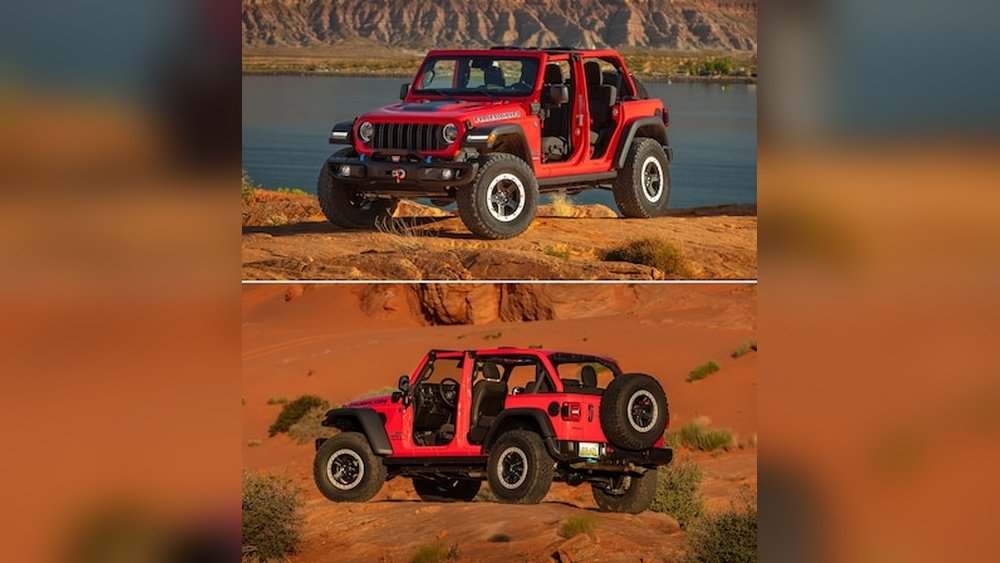
One of the biggest reasons for the Jeep Wrangler’s low mpg is its classic shape. The Wrangler is tall, with flat sides and a nearly vertical windshield. While this style looks tough and works well off-road, it’s not good for moving through air smoothly.
When a car moves, air pushes against it. Modern cars are designed to let air slip over and around them. This is called being aerodynamic. The Wrangler’s boxy body creates a lot of “drag.” More drag means the engine must work harder, which uses more gas.
A typical sedan might have a drag coefficient (a measure of how slippery a car is in the air) of about 0. 28. The Wrangler’s coefficient is around 0. 45 or higher one of the worst on the market.
| Vehicle | Drag Coefficient |
|---|---|
| Jeep Wrangler | 0.45 |
| Toyota Camry | 0.28 |
| Honda Civic | 0.27 |
Weight And Build: Tough But Heavy
Wranglers are built for strength. They use thick, heavy-duty steel frames, solid axles, and large off-road tires. This design helps them handle rough trails, but it also adds a lot of weight. A heavier vehicle needs more energy to move, especially when starting or climbing hills.
The average Wrangler weighs over 4,000 pounds. Compare that to a compact SUV, which might weigh closer to 3,200 pounds. That extra weight means more fuel burned for every mile.

Tires And Rolling Resistance
Another big factor is the tires. Wranglers often come with large, knobby off-road tires. These tires grip well on dirt and rocks, but they have more “rolling resistance.” Rolling resistance is the force needed to keep the tire moving at a constant speed. More resistance means the engine must work harder and burn more fuel.
Here’s a quick look at how tire type affects mpg:
| Tire Type | Typical Use | Effect on MPG |
|---|---|---|
| All-Terrain | Off-road & highway | -2 to -4 mpg |
| Highway | Paved roads | Baseline |
| Mud-Terrain | Off-road only | -4 to -6 mpg |
Gearing And Transmission Choices
The gearing in a Wrangler is made for climbing hills and crawling over rocks. This means the engine spins faster at lower speeds, which helps off-road but hurts highway efficiency. Lower gears give more power but use more fuel. Many Wranglers also use older transmission designs with fewer gears, making it hard to keep engine speed low on the highway.
Some newer models have better automatic transmissions with more gears, but the overall design is still focused on power, not efficiency.
Four-wheel Drive: Always Ready, Always Hungry
Most Wranglers come with four-wheel drive (4WD). This system gives great traction off-road, but it adds extra weight and friction. Even when not in use, the extra parts—driveshafts, differentials, transfer cases—create drag and add to the total vehicle weight.
When 4WD is engaged, it uses even more fuel because it powers all four wheels instead of just two. This is great for rough terrain, but not for saving gas.
Engine Design And Size
Wrangler engines are built for durability and torque, not for sipping fuel. The classic 3.
6-liter V6 is strong, but it’s not as efficient as smaller, turbocharged engines found in many modern cars. Even the newer 2.
0-liter turbo engine, while better, can’t fully offset the other mpg challenges.
Also, the Wrangler’s engine often runs at higher RPMs on the highway because of its gearing. Higher RPMs mean more fuel burned per mile.
Real-world Driving Vs. Epa Numbers
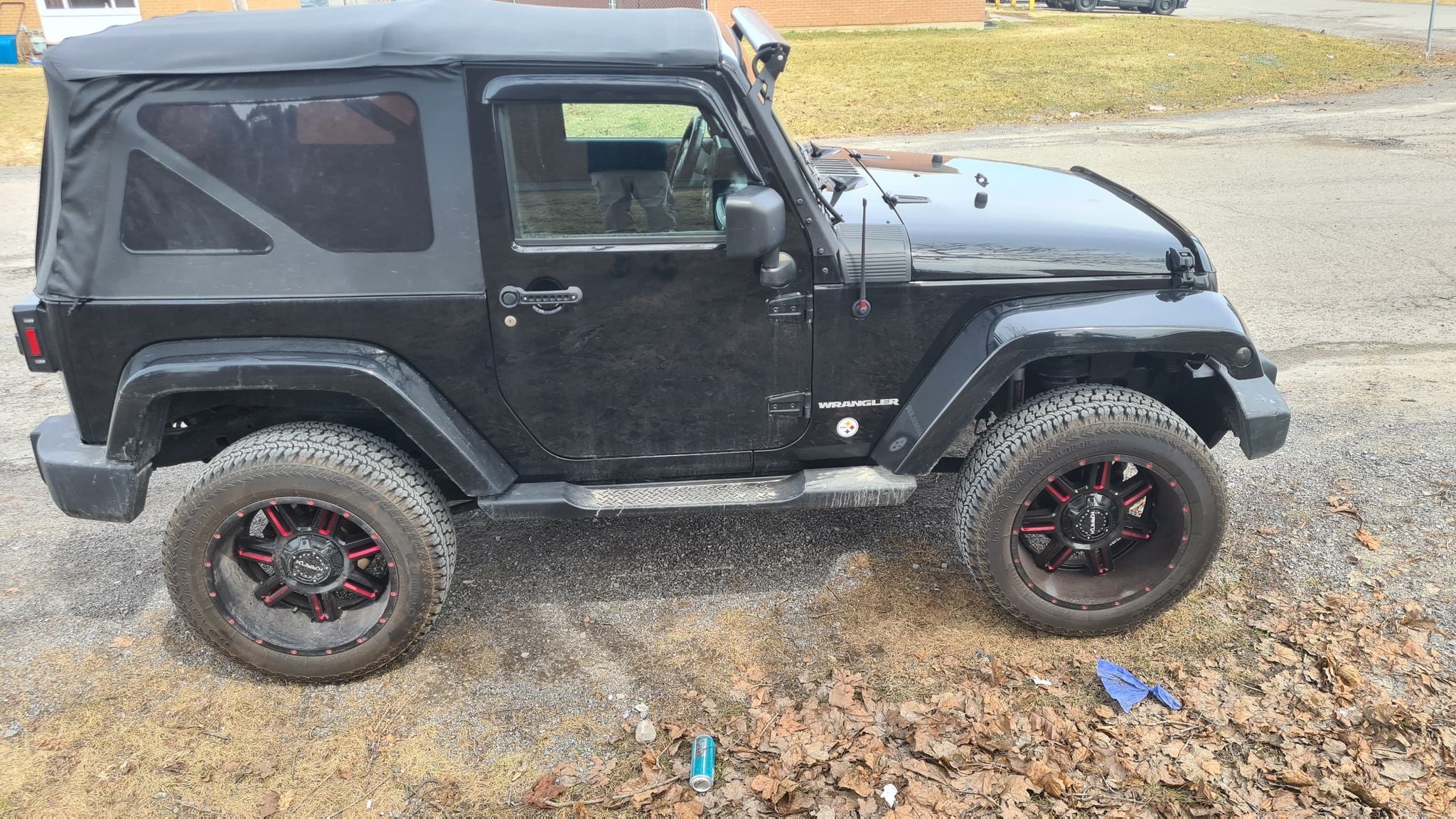
Wranglers often get worse mpg in real life than on the window sticker. Why? Owners love to modify their Jeeps adding lift kits, bigger tires, roof racks, and heavy accessories. Each change adds weight and drag, making fuel economy even worse.
Here’s how some popular modifications affect mpg:
| Modification | Estimated MPG Loss |
|---|---|
| 2-inch lift kit | -1 to -2 mpg |
| 35-inch tires | -2 to -4 mpg |
| Roof rack + gear | -1 mpg |
Two Insights Many Overlook
Most people focus on the Wrangler’s shape or weight, but they often miss two key points:
- Short wheelbase: The Wrangler’s short wheelbase makes it less stable at high speeds, so drivers often need to make small steering corrections. Each correction can waste a tiny bit of fuel, which adds up over long trips.
- Wind exposure: Because the Wrangler sits high off the ground, it’s more exposed to crosswinds. Wind can push against the large, flat surfaces, forcing the engine to work even harder to stay on course.
Is There Any Way To Improve Wrangler Mpg?
If you want better fuel economy from your Wrangler, try these tips:
- Keep tires at the recommended pressure
- Avoid heavy accessories unless you need them
- Choose smaller, less aggressive tires if you mostly drive on-road
- Limit idling and aggressive acceleration
- Remove roof racks when not in use
Still, remember: the Wrangler was built for adventure, not for saving gas. If efficiency is your top goal, a different vehicle will serve you better.
The Trade-off: Adventure Vs. Efficiency
The Jeep Wrangler is a symbol of freedom and exploration. Its design choices make it perfect for trails and rough roads, but those same features hurt its mpg. For many owners, the trade-off is worth it. They value the fun, the capability, and the community more than saving a few dollars at the gas pump.
If you want to learn more about fuel economy ratings, the US Department of Energy has helpful info on their official website.
Frequently Asked Questions
Why Does The Jeep Wrangler Have Such A Boxy Design?
The boxy design helps the Wrangler perform off-road. It provides better visibility, more space inside, and makes it easier to mount equipment like winches or lights. However, this shape is not good for aerodynamics, which hurts mpg.
How Much Does Tire Size Really Affect Wrangler Mpg?
Larger, off-road tires can reduce mpg by 2 to 6 miles per gallon, depending on the size and tread. The extra weight and rolling resistance make the engine work harder, especially on highways.
Are Newer Wrangler Models More Fuel Efficient?
Recent Wranglers, especially those with the 2.0-liter turbo or diesel engines, are a bit more efficient. Still, they are less fuel-efficient than most SUVs because of the same basic design and purpose.
Does Using Four-wheel Drive Lower Mpg?
Yes. Engaging four-wheel drive increases mechanical drag and uses more fuel. Even when not in use, the extra parts still add weight and reduce efficiency slightly.
Will Removing The Hard Top Or Doors Help Mpg?
Not really. Removing the hard top or doors can actually make mpg worse, because it increases wind drag and turbulence inside the cabin. For best mpg, keep the exterior as smooth as possible.
Jeep Wranglers may not win any fuel economy contests, but they offer something unique fun, freedom, and the ability to go almost anywhere. If you choose a Wrangler, you’re not just buying a car. You’re joining an adventure.