If you’ve heard the term Jeep TJ, you might wonder what years this famous vehicle was made and why it stands out among Jeep Wranglers. The Jeep TJ is more than just a model code—it marks a special era in off-road history.
People love the TJ for its solid reliability, classic looks, and unique features that make it a favorite for both daily driving and serious adventures.
What Years Was The Jeep Tj Made?
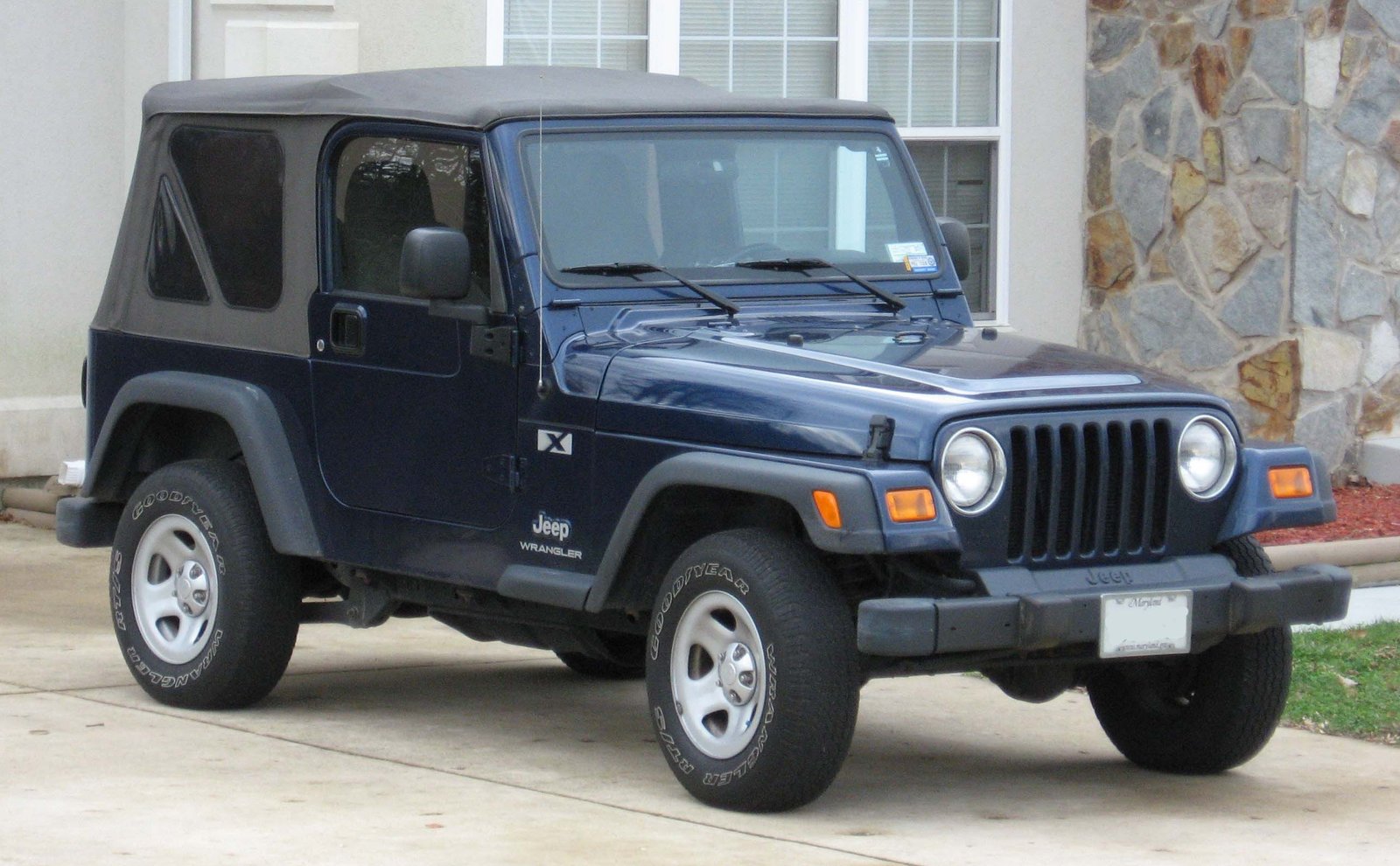
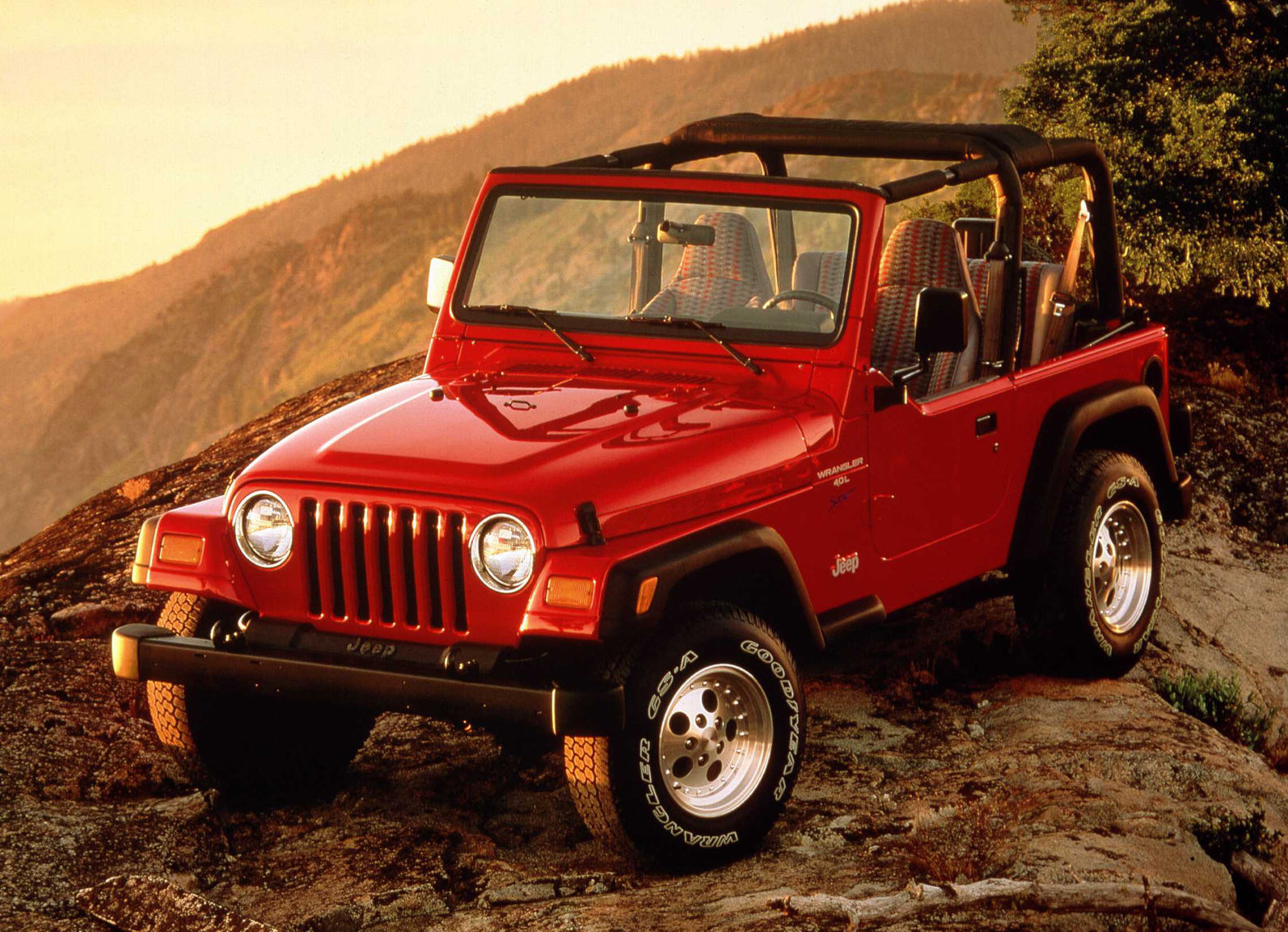
The Jeep TJ was produced from 1997 to 2006. These years cover all standard models, including some special editions. Before the TJ, Jeep made the YJ (1987–1995), and after the TJ, the JK came out in 2007. The TJ era is often seen as a sweet spot: modern enough for comfort but simple and tough for off-roading.
Jeep Tj Production Timeline
Here’s a simple breakdown of Jeep Wrangler generations:
| Generation | Years Made | Main Features |
|---|---|---|
| YJ | 1987–1995 | Square headlights, leaf springs |
| TJ | 1997–2006 | Round headlights, coil springs |
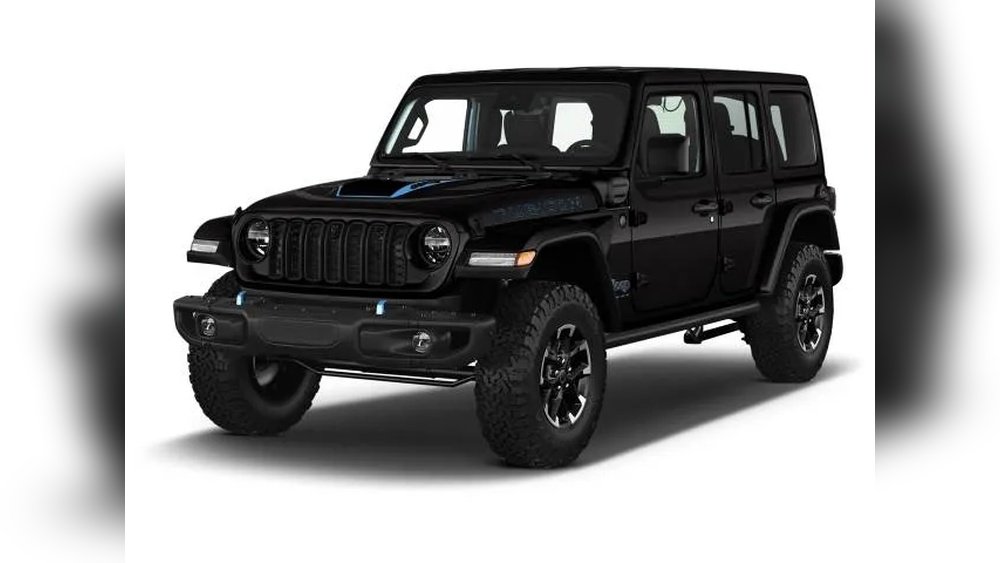
| JK | 2007–2017 | Larger body, new engines |
What Made The Jeep Tj Special?
The TJ was the first Wrangler to use coil spring suspension instead of leaf springs. This change gave the TJ a smoother ride and better wheel movement on rough ground. It also brought back the round headlights, a design loved by Jeep fans.
Other features that made the TJ stand out include:
- Removable doors and top for open-air driving
- Strong Dana axles (especially on Rubicon models)
- Manual or automatic transmissions
- Classic, simple interior design
Key Differences: Tj Vs. Other Wranglers
Many people ask how the Jeep TJ compares to other Wrangler generations. The TJ is most often compared to the YJ (before) and JK (after).
| Feature | YJ (1987–1995) | TJ (1997–2006) | JK (2007–2017) |
|---|---|---|---|
| Headlights | Square | Round | Round |
| Suspension | Leaf springs | Coil springs | Coil springs |
| Body Size | Compact | Compact | Wider, longer |
| Electronics | Simple | Simple/Some upgrades | Modern features |
One thing beginners often miss: TJ parts are much easier to find and cheaper to replace than rare YJ parts, but the TJ is not as modern or roomy as the JK.
Jeep Tj Model Breakdown By Year
Each year of the Jeep TJ brought small changes. Some years had more updates than others.
- 1997: First TJ model, new coil suspension, classic styling returned.
- 1998–2000: Minor updates, new colors, and trim packages.
- 2001: Introduction of “Sport” trim and more engine options.
- 2003: Rubicon model introduced, featuring Dana 44 axles and lockers for serious off-roading.
- 2004–2006: “Unlimited” long-wheelbase (LJ) version added, giving more cargo space and better highway stability.
Tj Rubicon And Unlimited (lj)
The Rubicon (2003–2006) is the most capable TJ from the factory, built for hard trails. The Unlimited (LJ) has a longer body, making it rare and valuable.
| Model | Years | Main Features |
|---|---|---|
| Rubicon | 2003–2006 | Heavy-duty axles, locking differentials, rock rails |
| Unlimited (LJ) | 2004–2006 | 10-inch longer wheelbase, more cargo room |
Engine And Transmission Options
Most TJ Wranglers came with two engines:
- 2.5L inline-4 (good for saving gas, less power)
- 4.0L inline-6 (famous for reliability, more power)
Transmissions included a 5-speed manual or 3/4-speed automatic. The inline-6 with a manual is considered the most reliable combo by many owners.
Common Issues To Watch For
Even the tough Jeep TJ has some weak spots:
- Rust on the frame and underbody, especially in cold climates
- Leaking rear main seal on the 4.0L engine
- Worn suspension bushings after high miles
- Soft top wear and leaks
A non-obvious tip: The frame rust issue is more common on early TJs (1997–2002). Always check the frame carefully before buying a used one.
Is The Jeep Tj Good For Off-roading?
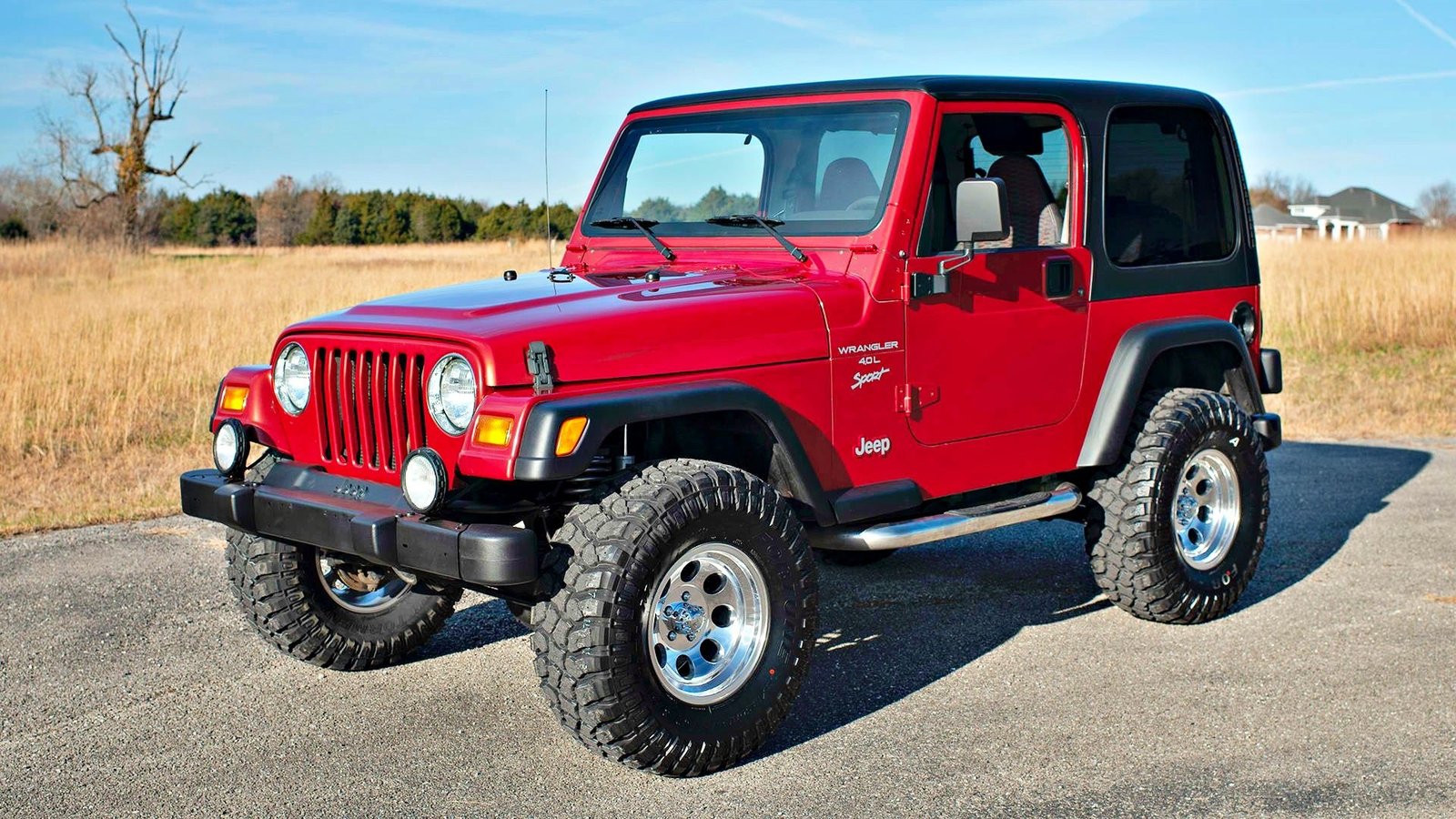
The short answer is yes. The TJ is known for its strong frame, solid axles, and simple design. Many people choose it to build custom off-road vehicles. The Rubicon model is trail-ready from the factory, but even basic TJs can handle rough terrain with a few upgrades.
Another insight: TJ’s smaller size makes it easier to maneuver on tight trails compared to the larger JK and JL Wranglers. It’s also lighter, which means less chance of getting stuck in mud or sand.
Buying A Used Jeep Tj: What To Know
If you’re thinking about buying a Jeep TJ, keep these points in mind:
- Check for rust on the frame and body mounts.
- Test the 4WD system to make sure it works smoothly.
- Look for leaks under the engine and transmission.
- Inspect the soft top and windows for tears or fogging.
- Ask about recent repairs—a well-kept TJ is worth more.
TJ Wranglers hold their value well, especially the Rubicon and Unlimited (LJ) models. Prices can range from $6,000 for a basic, high-mileage TJ to $25,000+ for a clean Rubicon or LJ.
For more details on Wrangler generations and specs, visit the official Jeep Wrangler Wikipedia page.
Frequently Asked Questions
What Years Did Jeep Make The Tj?
Jeep made the TJ Wrangler from 1997 to 2006. This covers all base models, special editions, and the longer Unlimited (LJ) version.
What Is The Difference Between A Tj And A Yj?
The biggest difference is suspension and headlights. The YJ has square headlights and leaf springs; the TJ brought back round headlights and used coil springs for better comfort and handling.
What Engines Came In The Jeep Tj?
The TJ had mainly two engines: a 2.5L 4-cylinder and a 4.0L 6-cylinder. The 4.0L is more powerful and more popular, especially among off-road fans.
What Is A Jeep Tj Rubicon?
The Rubicon is a special TJ model (2003–2006) designed for tough off-road trails. It has heavy-duty axles, lockers, and other features for extreme terrain.
How Can I Tell If A Wrangler Is A Tj?
Look for round headlights, a simple interior, and the model year (1997–2006). The VIN plate and owner’s manual will also confirm if it’s a TJ.
The Jeep TJ offers a strong mix of classic style and off-road ability. If you want a Wrangler that’s simple, tough, and fun to drive, the 1997 2006 TJ is a smart choice.