If you drive a Jeep, you probably love adventure and tough roads. But did you know that your tire pressure plays a huge role in how safe and smooth your ride feels?
Many Jeep owners, especially beginners, often guess the right pressure or just use the number printed on the tire. This can lead to uneven wear, poor fuel economy, or even dangerous situations.
Understanding the best tire pressure for your Jeep keeps your trips safe, saves you money, and helps your tires last longer.
Why Tire Pressure Matters For Your Jeep
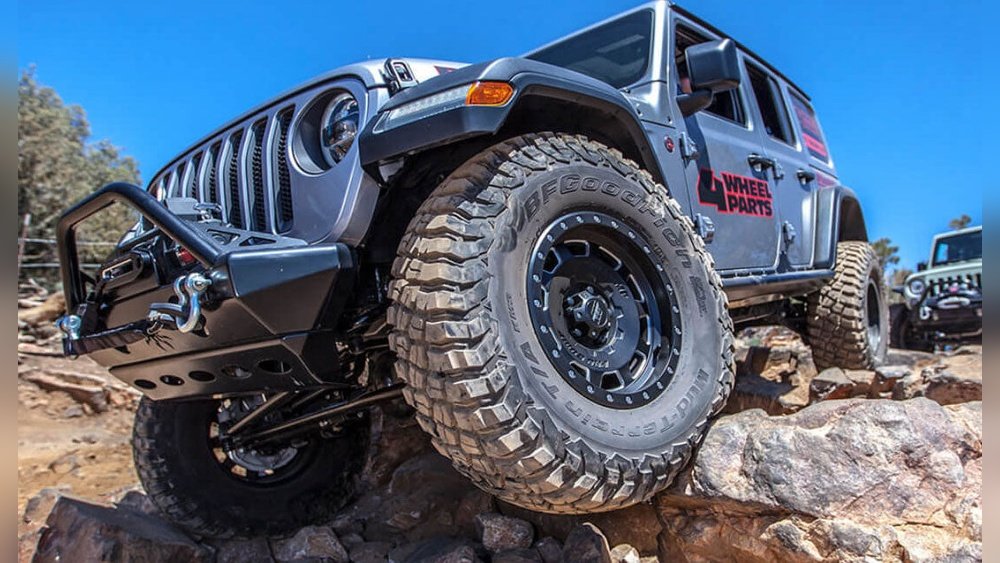
Your Jeep’s tire pressure affects almost everything about your driving experience. When the pressure is too low, you might notice sluggish handling, poor fuel efficiency, and faster tire wear. On the other hand, if your tires are overinflated, the ride can feel hard, and you may lose grip, especially off-road.
A Jeep is different from a regular car. It’s designed for both highways and rough trails.
Getting the pressure right means finding a balance between comfort, performance, and safety. Many new Jeep owners don’t realize that even a 2-3 psi difference can change how your Jeep handles.
Factory Recommendations Vs. Real-world Use
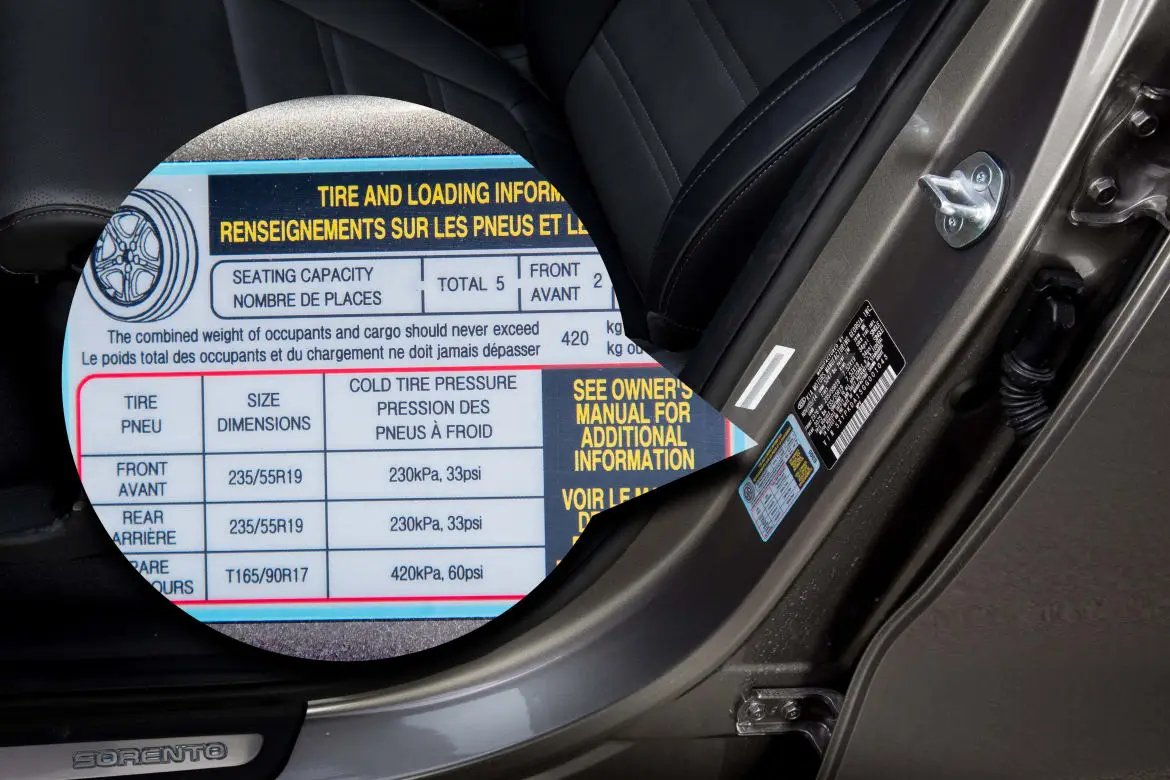
Jeep vehicles come with a recommended tire pressure label, usually found on the driver’s door jamb or in the owner’s manual. This number is set by the manufacturer for the best balance between safety, tire life, and comfort.
For most modern Jeep Wranglers and Cherokees, the factory recommendation is:
- 35 psi (pounds per square inch) for standard, stock tires.
But that’s not always the “one size fits all” answer. Once you add larger tires, different wheels, or start driving off-road, you may need to adjust.
Below is a quick comparison of stock vs. larger tires:
| Jeep Model | Stock Tire Size | Recommended Pressure | Common Aftermarket Tire Size | Suggested Pressure |
|---|---|---|---|---|
| Wrangler JL | 245/75R17 | 35 psi | 33×12.50R17 | 28-32 psi |
| Cherokee | 225/65R17 | 33 psi | 31×10.50R15 | 26-30 psi |
Tip: Always start with the factory recommendation, but adjust for tire size and how you use your Jeep.
How To Find The Right Tire Pressure For Your Jeep
Finding your ideal tire pressure isn’t just about reading a label. Here are key steps and tips:
1. Check The Door Sticker Or Manual
Start with the Jeep’s official recommendation.
2. Consider Your Tire Type And Size
Bigger, wider tires need less pressure to spread the weight evenly.
3. Weigh Your Jeep
If you’ve added bumpers, winches, or cargo, your Jeep may be heavier. More weight means you might need a little more pressure.
- Test and Observe Tire Wear
- If the center wears faster, your pressure is too high.
- If the edges wear faster, your pressure is too low.
- Adjust for Load and Driving Style
Carrying heavy gear? Add 2-3 psi. Planning off-road? Lower your pressure (more on this soon).
Example:
If you install 33-inch tires on your Wrangler and mostly drive on paved roads, start with 30 psi. Check for even tire wear and adjust by 1-2 psi as needed.
Highway Vs. Off-road Pressure
Jeep owners love to explore. But the best tire pressure for highways isn’t the same for off-roading.
| Condition | Recommended Pressure Range | Why |
|---|---|---|
| Highway | 30-36 psi | Better fuel efficiency, even wear |
| Off-Road (dirt, rocks) | 15-20 psi | More grip, softer ride, avoids tire damage |
| Sand | 10-14 psi | Flattens tire, helps avoid getting stuck |
Important: Always re-inflate your tires to the normal range before returning to the highway. Driving fast on low pressure can cause heat build-up and tire failure.
Common Mistakes To Avoid
Many Jeep owners make simple tire pressure errors. Here are a few to watch out for:
1. Relying Only On The Sidewall Number
The number on the tire’s sidewall is the maximum pressure, not the recommended setting.
2. Ignoring Temperature Changes
Cold weather lowers pressure, while heat increases it. Check pressure when tires are cold.
3. Not Using A Quality Gauge
Cheap gauges can be off by 2-5 psi. Invest in a reliable tool.
4. Forgetting To Air Up After Off-roading
Driving at low pressure on pavement can ruin your tires.
Extra Tips For Jeep Tire Pressure
- Rotate your tires every 5,000 to 7,000 miles. Uneven pressure or wear can be fixed early.
- Check pressure monthly. Tires naturally lose 1-2 psi per month, even without leaks.
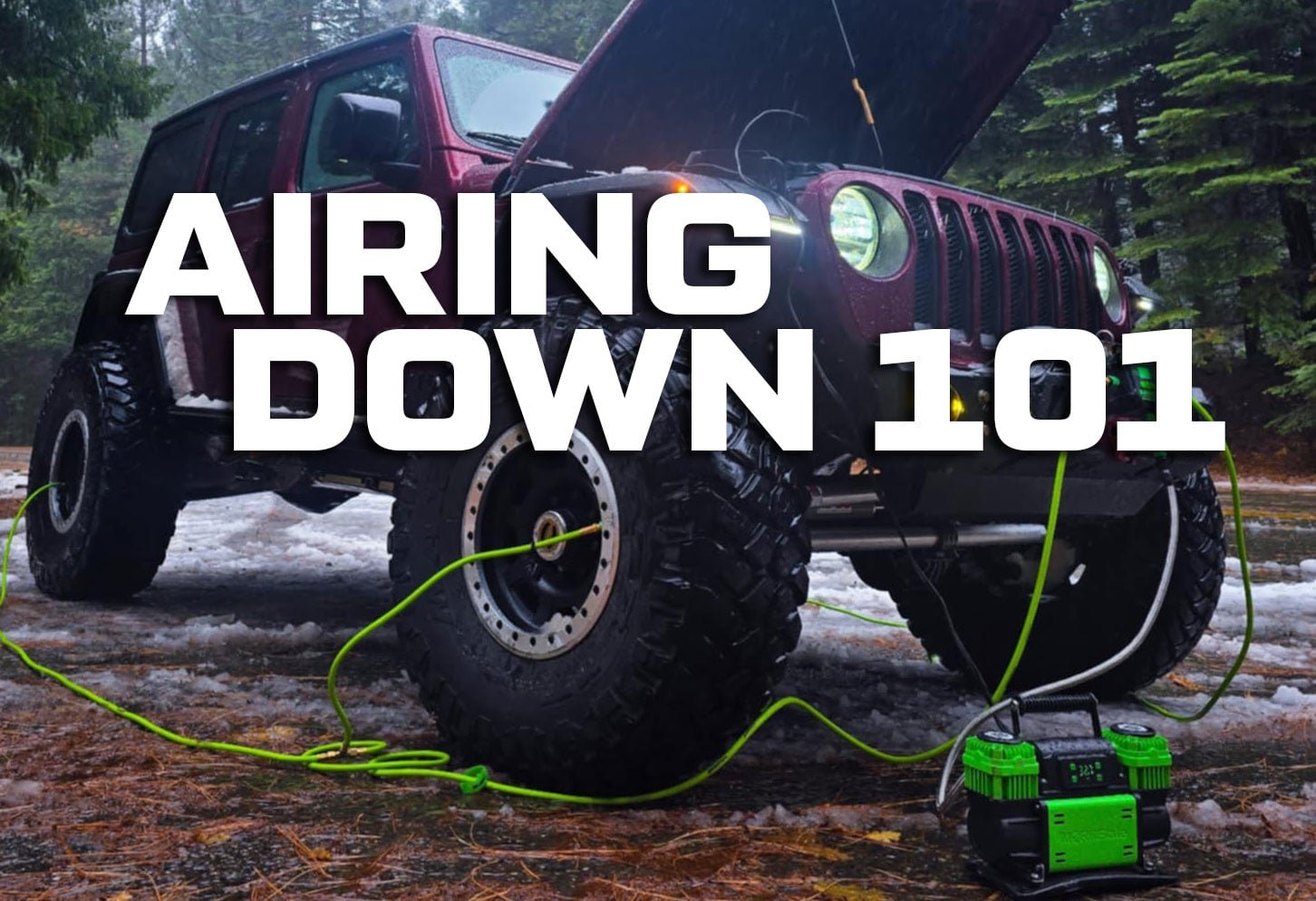
- If you’re new to airing down for off-road, practice in a safe area and re-inflate before driving home.
- Don’t forget the spare tire! It should match the others.
Frequently Asked Questions
What’s The Ideal Tire Pressure For Daily Driving In A Jeep Wrangler?
For most stock Jeep Wranglers, 35 psi is the factory recommendation. If you have larger tires, try 28-32 psi, then adjust based on comfort and wear.
Is It Safe To Drive With Different Tire Pressures In Front And Rear Tires?
You should keep all four tires at the same pressure unless your owner’s manual says otherwise. Uneven pressure can affect handling and stability.
How Low Can I Go When Airing Down For Off-roading?
Most Jeep owners go as low as 15 psi for rocks or trails, and 10-14 psi for sand. Never go below 10 psi unless you have beadlock wheels.
What Happens If I Keep My Jeep’s Tires Overinflated?
Overinflated tires wear out in the center, reduce traction, and make the ride rougher. You also risk a blowout, especially on rough terrain.
Where Can I Find More Details About Jeep Tire Maintenance?
Visit the official Jeep Maintenance Guide for expert information and tips.
Getting your Jeep tire pressure right isn’t complicated, but it’s easy to get wrong if you guess. Take a few minutes to check, adjust, and understand your specific needs.
This simple habit will keep you safer, save money, and let you enjoy your Jeep to the fullest on or off the road.