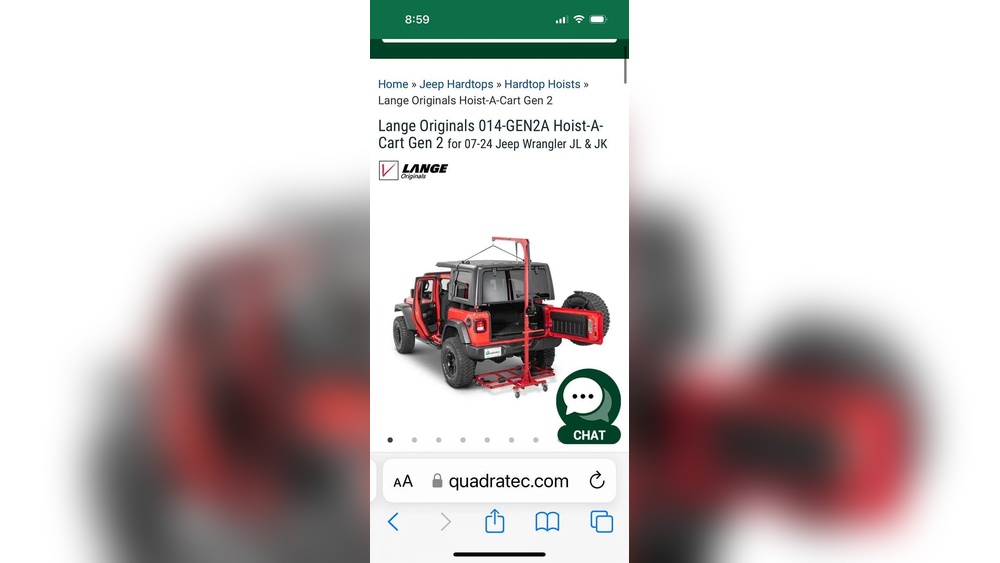
Getting a flat tire or needing to work under your Jeep Wrangler is part of off-road life. But the question many drivers face is: where to place the jack on Jeep Wrangler?
This simple decision affects your safety, the vehicle’s stability, and even whether you damage your Jeep. Let’s break down the best jack points, what to avoid, and practical tips so you always lift your Wrangler confidently.
Why Jack Placement Matters
Lifting a Jeep Wrangler isn’t the same as raising a small sedan. The Wrangler’s frame, suspension, and body are designed for tough terrain, but improper jack placement can cause:
- Frame damage
- Unsafe lifting
- Accidents from slipping
In fact, improper jacking is one of the top causes of underbody damage in used Wranglers. Statistics from the National Highway Traffic Safety Administration show that nearly 8% of roadside injuries are linked to incorrect jack use. That’s why understanding proper placement is crucial.
Recommended Jack Points For Jeep Wrangler
Wranglers have several safe jack points. These are strong parts of the frame or suspension made to hold weight. Let’s look at the main areas:
| Jack Point | Location | Best Use |
|---|---|---|
| Frame Rails | Under the sides, behind front wheels or in front of rear wheels | Changing tires, general lifting |
| Axle Tubes | Directly under the axle, near wheels | Suspension work, tire changes |
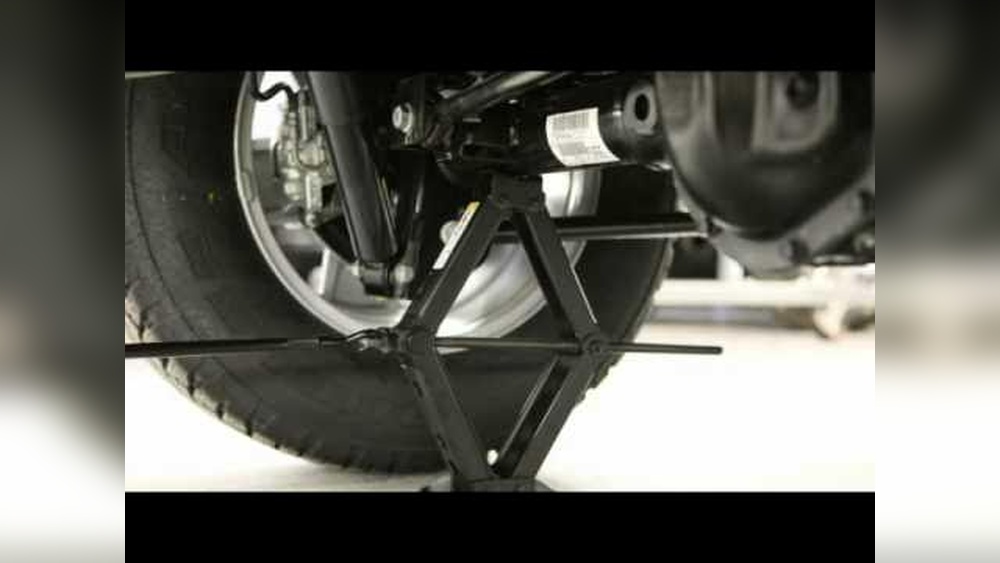
| Factory Jack Notches | Small indents or reinforced spots under body | Quick roadside lifts |
Frame Rails
The frame rails are the strongest spot. They run along both sides, just inside the rocker panels. Place the jack about 6-12 inches behind the front wheel or in front of the rear wheel. Avoid jacking on the body, as it’s not designed to carry weight.
Axle Tubes
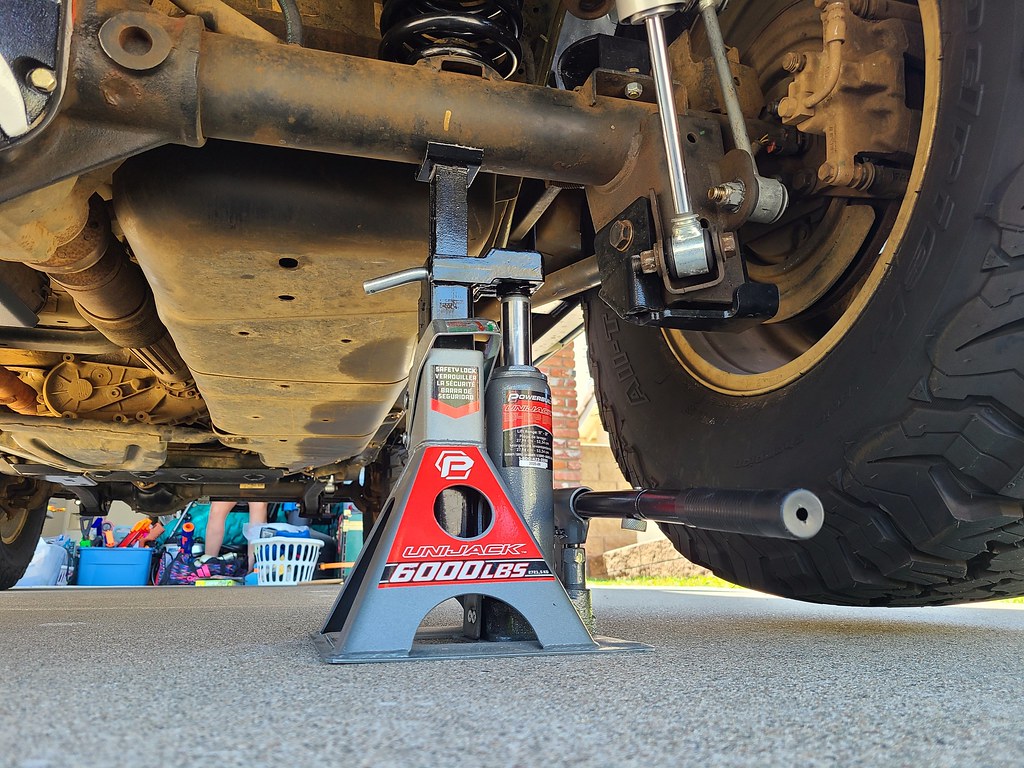
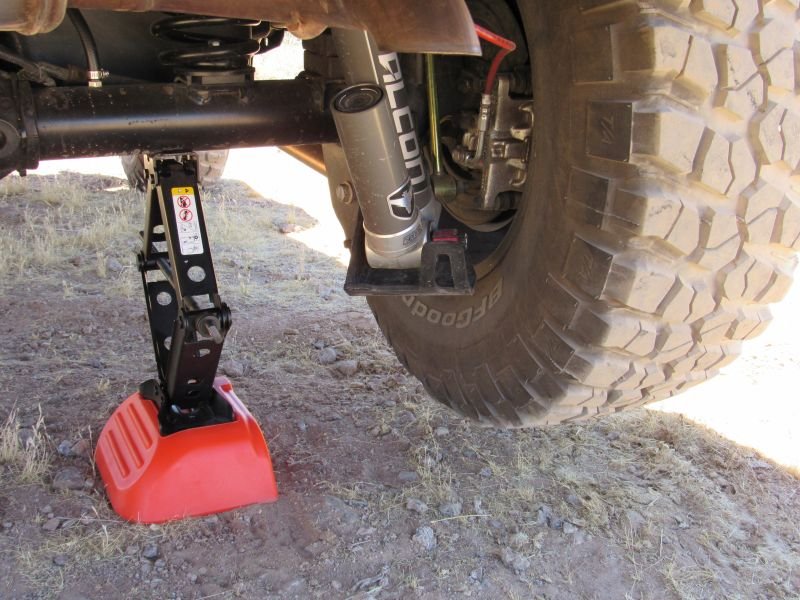
If you need to lift the wheel off the ground but keep the suspension compressed, use the axle tubes. Make sure the jack contacts the solid round part of the axle, not brake lines or suspension arms. This is especially good for quick tire changes.
Factory Jack Notches
Some Wranglers (especially JK and JL models) have factory jack notches. These are reinforced spots designed for the stock scissor jack. They’re handy for roadside emergencies, but not for heavy-duty lifts or repairs.
Jack Types: Which Works Best?
Not all jacks are equal. Here’s a quick comparison of popular jack types for Jeep Wrangler owners.
| Jack Type | Pros | Cons |
|---|---|---|
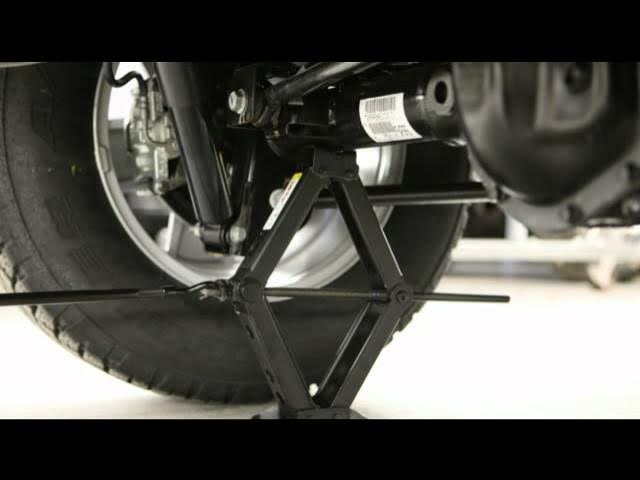
| Scissor Jack | Compact, fits factory jack points | Low lifting height, not for heavy use |
| Bottle Jack | High capacity, easy to use | Can tip if not level, needs flat surface |
| Hi-Lift Jack | Works with bumpers, for off-road recovery | Requires special technique, not for normal repairs |
| Floor Jack | Stable, quick, high lifting range | Bulky, not easy to carry on trails |
For home garage use, a floor jack is ideal. For trails, a Hi-Lift jack (with adapter) is best for recovery, but not for routine tasks.
How To Jack Up A Jeep Wrangler Safely
Follow these steps every time you lift your Jeep:
- Park on a level surface. Avoid sloped or soft ground.
- Engage the parking brake and block the wheels you’re not lifting.
- Locate the correct jack point. Check your owner’s manual for diagrams.
- Position the jack carefully. Ensure it touches only the frame or axle, not plastic parts.
- Lift slowly, watching for any shifting or instability.
- Place jack stands under the frame rails before working under the vehicle.
Here’s a quick reference for lifting heights and jack placement:
| Wrangler Model | Frame Rail Height | Axle Tube Height | Recommended Jack Height |
|---|---|---|---|
| JK (2007–2018) | 7–8 inches | 6–7 inches | 12+ inches |
| JL (2018–present) | 8–9 inches | 7–8 inches | 13+ inches |
| YJ/TJ (older) | 6–7 inches | 5–6 inches | 11+ inches |
Common Mistakes To Avoid
Many new Jeep owners make mistakes that can lead to damage or injury. Here are some to watch out for:
- Jacking on the body panels: This can bend or crack the panels.
- Lifting on suspension arms: These are not designed for weight and may warp.
- Ignoring jack stand use: Never rely on the jack alone—always use stands.
- Wrong jack size: Too small, and it won’t reach; too big, and it’s unstable.
A non-obvious insight: Don’t use the diff cover as a jack point. It’s tempting because it’s central, but it can crack under pressure, leading to oil leaks.
Expert Tips For Jacking On Trails
If you’re off-roading, the ground won’t always be flat. Here’s how experienced Jeep owners handle it:
- Carry a jack base plate to stabilize jacks on sand or mud.
- Use Hi-Lift jack adapters for safe bumper lifting.
- Always check for rocks or sticks under the jack point.
One tip beginners miss: Clean the jack point before lifting. Mud and debris can make the jack slip.