Understanding The 1999 Jeep Wrangler’s 2.5l Engine: A Deep Dive
The 1999 Jeep Wrangler, a vehicle synonymous with off-road adventure and rugged freedom, often comes equipped with a choice of powertrains. While the more powerful 4.
0L inline-six engine often steals the spotlight, the 1999 Jeep Wrangler 2. 5L engine, also known as the AMC 150, is a significant part of the TJ generation's history.
This engine, though smaller, offers a distinct driving experience and has its own set of characteristics, advantages, and considerations for owners and enthusiasts. For many, it represents a simpler, more fuel-efficient option that still delivers the core Jeep capability.
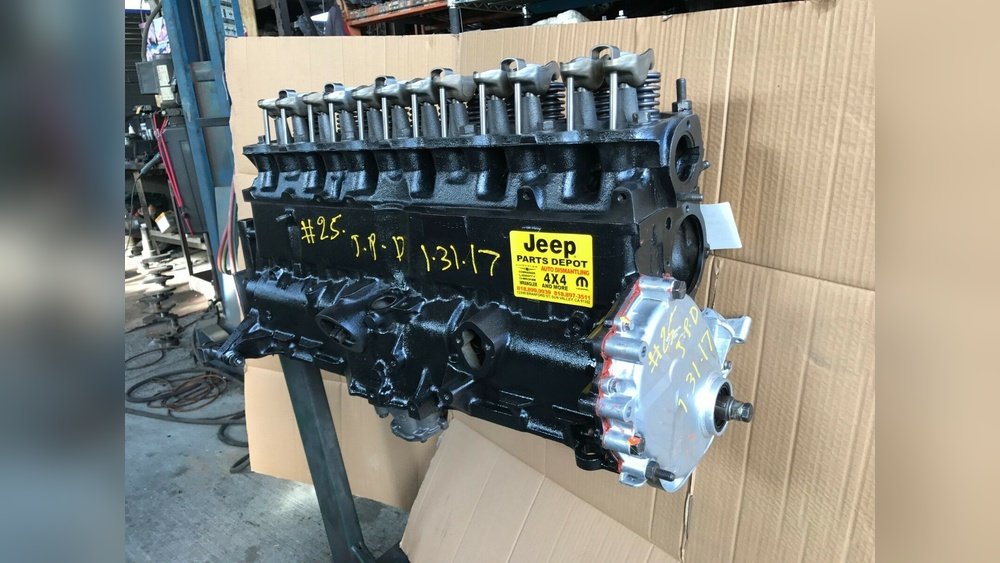
This engine was designed to provide a balance between performance and economy for everyday driving while still being capable enough for light off-roading. It’s a workhorse that, with proper care, can last for many years and miles.
Understanding its nuances is key to maintaining its longevity and ensuring you get the most out of your 1999 Wrangler.
From its basic specifications to common issues and maintenance tips, this article aims to provide a comprehensive overview of the 2. 5L engine that powered so many of these iconic vehicles.
Engine Specifications And Design
The 1999 Jeep Wrangler’s 2.5L engine is an inline four-cylinder engine. It was part of the AMC “Power-Tech” family, which evolved over time. The specific version found in the 1999 TJ Wrangler is often referred to as the AMC 150. This engine was a carryover from previous Jeep generations, refined for the new TJ platform.
Here are some key specifications:
- Displacement: 2.5 liters (150 cubic inches)
- Configuration: Inline 4-cylinder
- Valvetrain: Overhead Valve (OHV), this is a simpler design compared to overhead camshaft (OHC) engines, often making it more robust and easier to maintain.
- Bore x Stroke: Approximately 3.88 inches x 3.19 inches
- Compression Ratio: Around 8.8:1
- Horsepower: Approximately 117 hp at 4,700 rpm
- Torque: Approximately 135 lb-ft at 3,500 rpm
- Fuel System: Electronic Fuel Injection (EFI)
- Block Material: Cast Iron
- Head Material: Cast Iron
The OHV design is a notable characteristic. While less complex than OHC systems, it means the camshaft is located within the engine block, requiring pushrods and rocker arms to operate the valves. This design is known for its durability and relatively straightforward maintenance, though it can sometimes limit high-RPM performance compared to OHC engines. The cast-iron construction contributes to its robustness, making it a solid choice for the demanding environment a Jeep often finds itself in.

Performance And Driving Experience
The performance of the 2.5L engine in a 1999 Wrangler is best described as adequate for its intended purpose. With 117 horsepower and 135 lb-ft of torque, it’s not a powerhouse, especially when compared to the 4.0L engine or modern powertrains. However, for everyday driving on city streets and highways, it gets the job done.
- Acceleration: Expect leisurely acceleration. Merging onto highways or passing slower vehicles requires planning and often a firm foot on the accelerator.
- Off-Road Capability: While not as powerful as the 4.0L, the 2.5L engine is still a Jeep engine. Its lower torque output means it might struggle more on steep inclines or when navigating challenging obstacles compared to its larger sibling. However, with proper gearing and driver skill, it is more than capable for moderate off-roading. The inline-four configuration can also be advantageous in tight spots off-road due to its narrower profile.
- Fuel Economy: This is where the 2.5L engine shines. It generally offers better fuel efficiency than the 4.0L engine. While official EPA ratings can vary, owners often report figures in the range of 17-19 MPG in mixed driving, which is a significant advantage for daily commuting.
- Noise and Vibration: Being an inline-four, this engine can be less refined than a six-cylinder. It may produce more noticeable engine noise and vibration, particularly at higher RPMs. This is part of the character many Jeep owners embrace, but it’s worth noting for those accustomed to smoother, more isolated powertrains.
In my experience, the 2. 5L engine rewards smooth driving.
Using the torque band effectively and avoiding constant high-RPM operation makes for a more pleasant and efficient experience. It’s an engine that encourages a more relaxed approach to driving, fitting well with the Jeep’s utilitarian nature.
Common Issues And How To Address Them
Like any engine, the 1999 Jeep Wrangler's 2. 5L engine can develop issues over time.
Many of these are common to older vehicles and can be prevented or fixed with regular maintenance and attention.
- Oil Leaks: This is perhaps one of the most common issues. Leaks can occur from various seals and gaskets, including the valve cover gasket, oil pan gasket, and rear main seal.
- Addressing: Regular inspection for oil spots under the vehicle is crucial. If leaks are detected, identify the source and replace the faulty gasket or seal. Using quality replacement parts is important.
- Cooling System Problems: Overheating can be a serious issue. Radiator leaks, faulty thermostats, worn water pumps, or clogged hoses can all contribute to cooling system failure.
- Addressing: Maintain a consistent coolant level and check hoses for cracks or swelling. Replace the thermostat and water pump as part of preventative maintenance, typically every 60,000-100,000 miles. Ensure the radiator is clean and free of debris.
- Exhaust Manifold Cracks: The exhaust manifold on these engines is prone to cracking due to heat cycles and vibration. This can lead to exhaust leaks, a noticeable ticking noise, and reduced engine performance.
- Addressing: Inspect the manifold for visible cracks. Replacement is often the best solution, though some aftermarket manifolds are designed for better durability. Ensure all mounting bolts are secure.
- Oxygen Sensor Failures: Faulty oxygen sensors can affect fuel mixture, leading to poor fuel economy, rough idling, and increased emissions.
- Addressing: If you notice symptoms, have the O2 sensors tested. They are a wear item and typically need replacement every 60,000-100,000 miles.
- Ignition System Issues: Spark plugs, spark plug wires, distributor cap, and rotor can wear out, causing misfires, rough running, and difficulty starting.
- Addressing: Regular tune-ups including replacing spark plugs and inspecting wires are essential. A full ignition system check should be performed if performance issues arise.
- Crankshaft Position Sensor (CKP): A failing CKP sensor can cause the engine to stall unexpectedly or prevent it from starting altogether. It can also cause intermittent running issues.
- Addressing: This sensor is critical for engine timing. If suspected, it should be tested and replaced if faulty.
Understanding these common points of failure allows owners to be proactive. Regular inspections and addressing minor issues before they become major problems can save significant time and money.
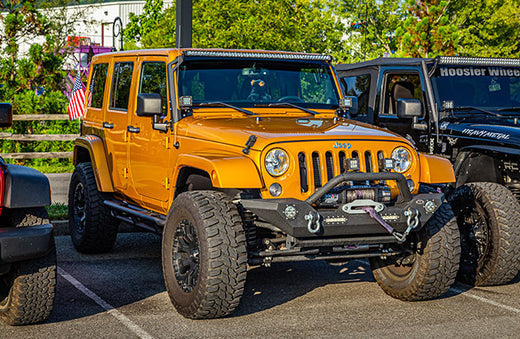
Maintenance For Longevity
Proper maintenance is the cornerstone of ensuring your 1999 Jeep Wrangler's 2. 5L engine lasts for years to come.
These engines are relatively simple, which makes many maintenance tasks accessible to the DIY mechanic.
Routine Maintenance Schedule
- Oil Changes: Change the engine oil and filter every 3,000 to 5,000 miles, or as recommended by the manufacturer. Use a good quality conventional or synthetic blend oil of the correct viscosity (typically 10W-30).
- Coolant Flushes: Flush and replace the coolant every 2 to 3 years or as recommended. This prevents corrosion and ensures optimal cooling performance.
- Air Filter: Inspect and replace the engine air filter every 15,000 to 30,000 miles, or more often if driving in dusty conditions.
- Spark Plugs and Wires: Replace spark plugs every 30,000 to 60,000 miles. Inspect spark plug wires for damage and replace them if they show signs of wear or if they are old.
- Belts and Hoses: Inspect serpentine belts and coolant hoses regularly for cracks, wear, or signs of degradation. Replace them proactively to prevent breakdowns.
- Fuel Filter: Replace the fuel filter approximately every 30,000 miles. A clogged fuel filter can starve the engine of fuel, leading to performance issues.
Proactive Maintenance Tips
- Listen to Your Engine: Pay attention to any new noises, vibrations, or changes in performance. Early detection of issues can prevent more serious damage.
- Check Fluids Regularly: Beyond oil, check coolant, power steering fluid, and brake fluid levels frequently.
- Keep it Clean: Regularly clean the engine bay to spot leaks more easily and prevent dirt buildup that can cause premature wear.
- Address Minor Leaks Promptly: Even small oil or coolant leaks can worsen over time and lead to significant problems if ignored.
- Use Quality Parts: When replacing components, opt for reputable brands. While cheaper parts might save money initially, they often don’t last as long and can lead to further issues.
The Importance Of The Crankcase Ventilation System
A often-overlooked aspect of engine health is the Positive Crankcase Ventilation (PCV) system. This system helps remove harmful blow-by gases from the crankcase and reintroduces them into the intake manifold to be burned. A clogged PCV valve or system can lead to increased oil consumption, sludge buildup, and pressure issues within the crankcase, potentially forcing oil out of seals.
- Addressing: Inspect the PCV valve and associated hoses periodically. Clean or replace them as needed. This is usually an inexpensive maintenance item that can prevent more costly engine problems down the line.
Engine Swaps And Modifications
While the 2. 5L engine is capable, many Jeep enthusiasts choose to modify or swap their engines for more power or capability.
Common Swaps
- 4.0L Inline-Six Swap: This is the most popular engine swap for 2.5L TJ owners. The 4.0L engine offers significantly more horsepower and torque, making a noticeable difference in on-road and off-road performance. The swap is relatively straightforward as both engines were offered in the same Jeep models, meaning many mounting points and electrical connections are compatible, though modifications are still required.
- V8 Swaps: For extreme power needs, V8 engines from various Mopar or GM platforms can be swapped in. These swaps are much more complex and expensive, requiring significant fabrication, custom mounts, and drivetrain upgrades.
Modifications For The 2.5l Engine
While major power gains are difficult with the 2.5L, some modifications can improve its performance and drivability:
- Cold Air Intake: Can offer a slight improvement in airflow and throttle response.
- Performance Exhaust System: A less restrictive exhaust can help the engine breathe better, potentially yielding a small increase in horsepower.
- Engine Management Tuning: While less common for this specific engine, some aftermarket tuners might offer minor adjustments to fuel and ignition mapping.
- Gearing Changes: For off-road use, changing the differential gearing can significantly improve the perceived power and torque of the 2.5L engine, making it feel much more capable by keeping the engine in its optimal RPM range. This is often a more effective modification than trying to squeeze more power directly from the engine itself.
It’s important to note that any significant modification, especially an engine swap, will impact the vehicle’s reliability, fuel economy, and potentially its emissions compliance. Thorough research and professional installation are recommended for complex modifications.
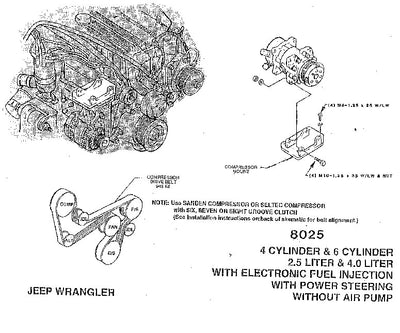
The 1999 Wrangler Tj Platform
The 2.5L engine was a key component of the 1999 Jeep Wrangler TJ. This generation, introduced in 1997, marked a significant improvement over the YJ model. The TJ featured a coil spring suspension on all four wheels, a major upgrade from the YJ’s leaf springs. This change dramatically improved ride quality and off-road articulation.
- Chassis: The TJ chassis was more rigid and refined, providing a better platform for both on-road comfort and off-road performance.
- Transmission Options: The 2.5L engine was typically paired with either a 5-speed manual transmission (NV3550) or a 3-speed automatic transmission (32RH). The manual transmission is often preferred by Jeep enthusiasts for its direct engagement and durability.
- Transfer Case: Depending on the trim level and transmission, the TJ could come with the NV231 Command-Trac part-time, single-speed (for 2WD/4WD Hi/4WD Lo) transfer case. This is a robust and reliable system for moderate off-roading.
The combination of the 2. 5L engine with the TJ's improved chassis and suspension created a vehicle that was more versatile than its predecessors.
It offered a better daily driving experience while retaining the core Jeep DNA that off-roaders cherish.
Comparing The 2.5l And 4.0l Engines In The 1999 Tj
When considering a 1999 Jeep Wrangler, the choice often comes down to the engine. The 2.
5L inline-four and the 4. 0L inline-six offer distinct advantages and disadvantages.
| Feature | 1999 Jeep Wrangler 2.5L (AMC 150) | 1999 Jeep Wrangler 4.0L (AMC 242) |
|---|---|---|
| **Configuration** | Inline 4-cylinder | Inline 6-cylinder |
| **Displacement** | 2.5 Liters (150 cu in) | 4.0 Liters (242 cu in) |
| **Horsepower** | ~117 hp | ~182 hp |
| **Torque** | ~135 lb-ft | ~220 lb-ft |
| **Fuel Economy** | Generally Better | Generally Lower |
| **Acceleration** | Slower | Quicker |
| **Off-Road Torque** | Less | More |