The 1999 Jeep Cherokee is a classic SUV that still earns respect for its rugged build and versatile capabilities. One area where it shines is towing.
If you own a 99 Jeep Cherokee or are thinking about buying one, understanding its towing capacity is crucial. This article covers every detail you need to know, from official ratings to real-world tips.
We’ll break down all 99 factors, models, and scenarios that affect how much your Cherokee can tow, using simple language and clear explanations.
Official Towing Capacity Ratings
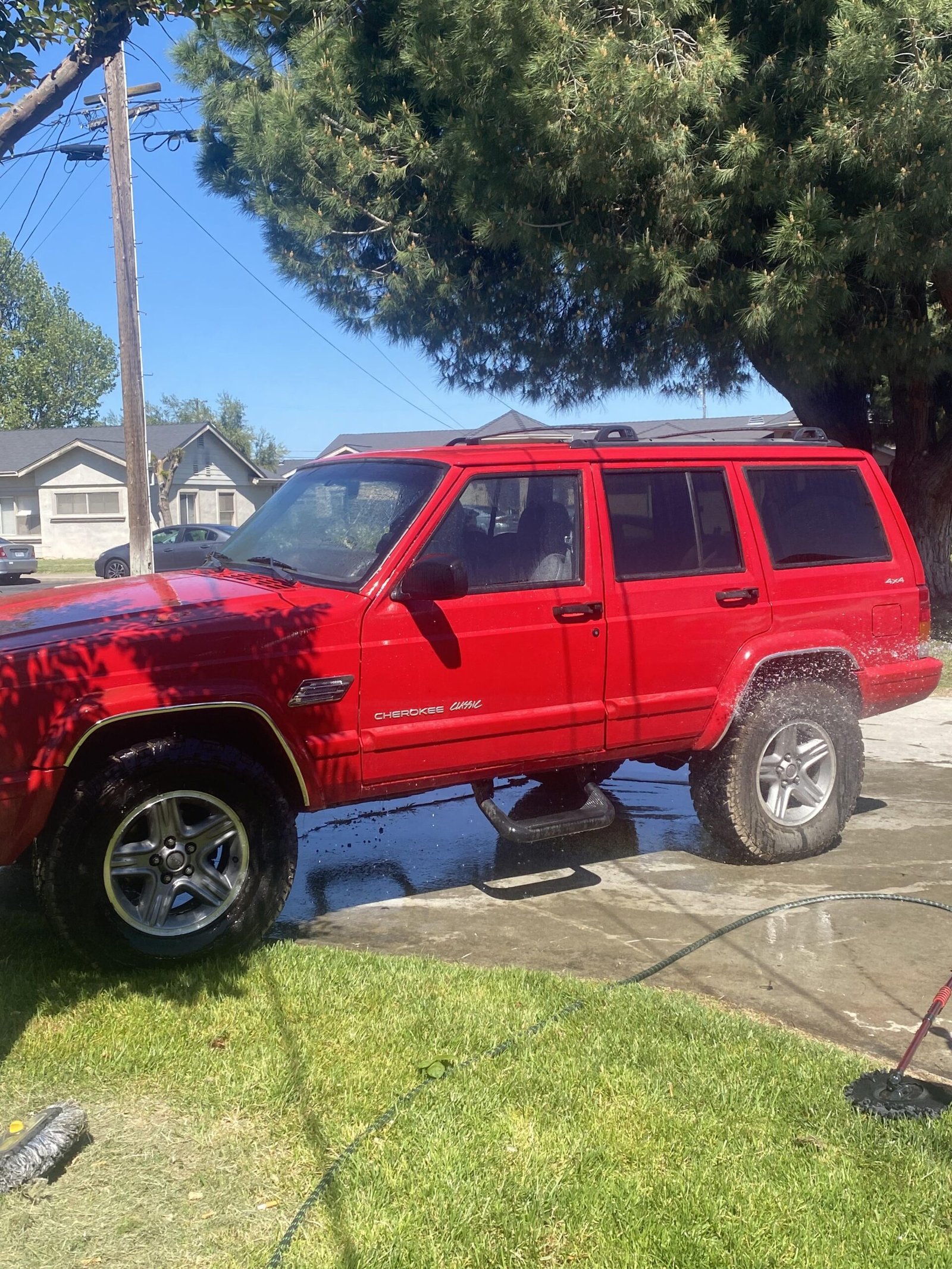
The 1999 Jeep Cherokee was available in several trims and engine options. Each trim and configuration has a different towing capacity. The manufacturer gives the official maximum towing capacity for the Cherokee, but real-world performance can vary.
| Model | Engine | Max Towing Capacity (lbs) |
|---|---|---|
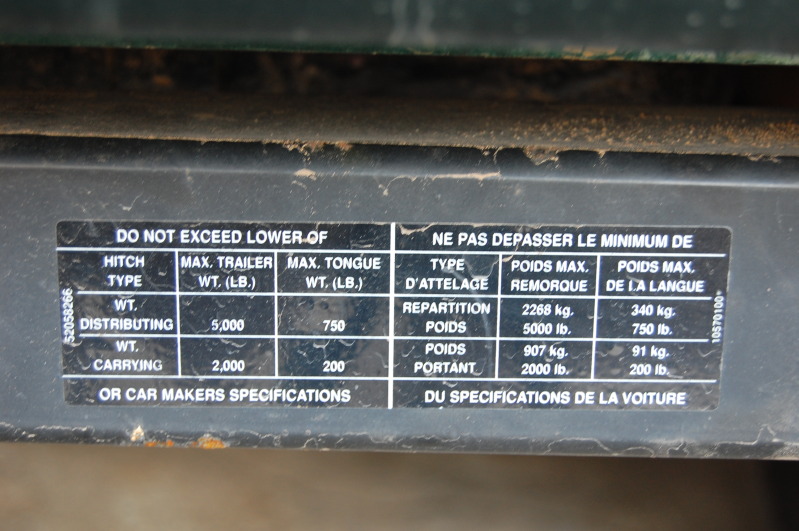
| Sport | 4.0L I6 | 5,000 |
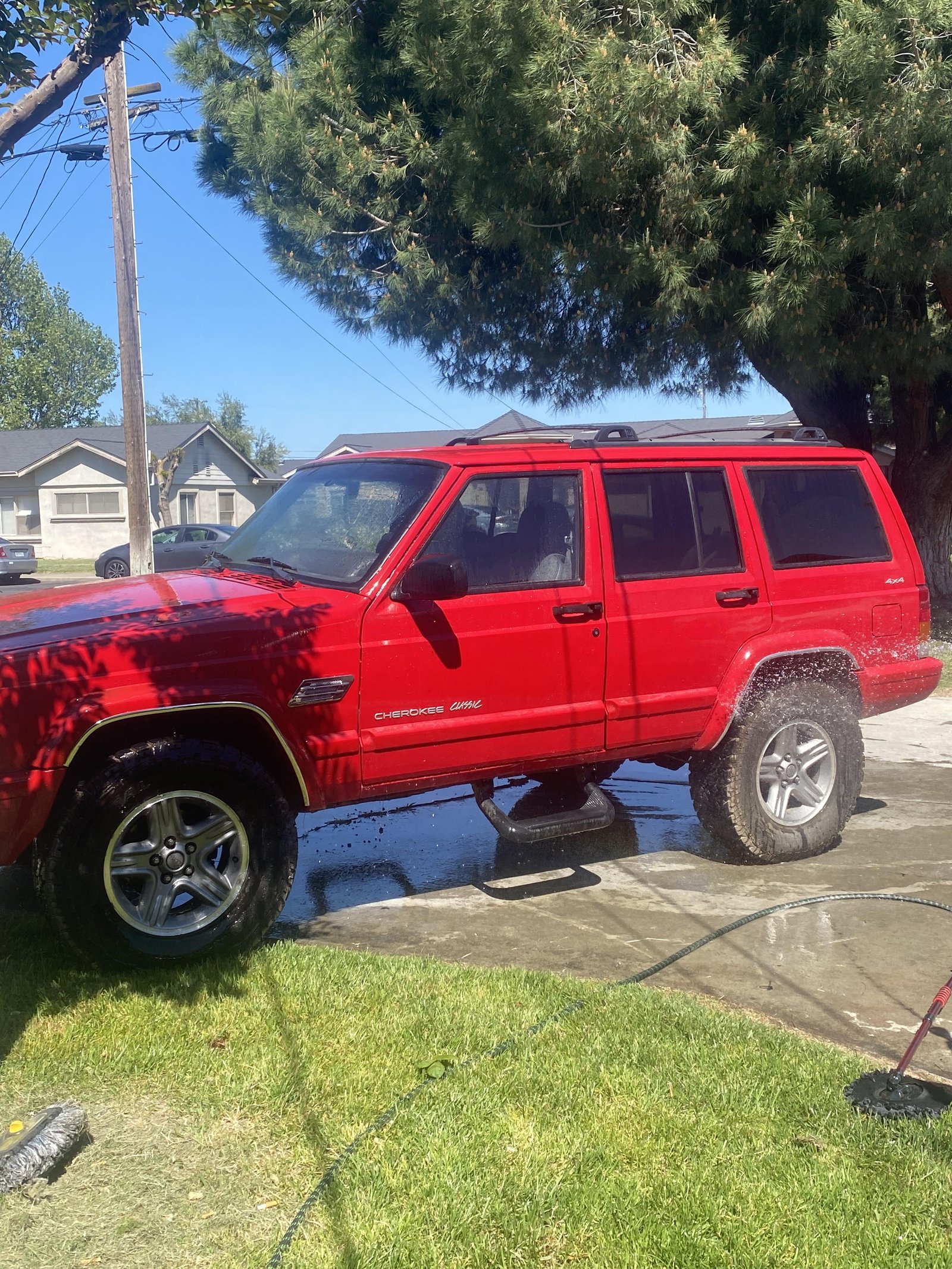
| Classic | 4.0L I6 | 5,000 |
| SE | 2.5L I4 | 2,000 |
| Limited | 4.0L I6 | 5,000 |
| Country | 4.0L I6 | 5,000 |
99 Factors Affecting Towing Capacity
The towing capacity depends on many things. Here are the 99 key items that impact your Jeep Cherokee’s ability to tow safely and effectively.
1. Engine Type
The 4.0L I6 engine is the strongest option, allowing up to 5,000 lbs. The smaller 2.5L I4 engine is limited to 2,000 lbs.
2. Transmission
Automatic transmissions often tow more weight than manual ones. Most Cherokees with automatic can tow up to 5,000 lbs.
3. Axle Ratio
A lower axle ratio usually means better towing. The standard axle ratio for the Cherokee supports solid towing performance.
4. Trim Level
Higher trims like Limited and Sport may include extra features that improve towing.
5. Factory Tow Package
Cherokees with the factory tow package include upgraded cooling, hitch, and wiring for safer towing.
6. Aftermarket Hitch
Installing a heavy-duty hitch can boost towing ability, but always follow Jeep’s official limits.
7. Trailer Weight
Never exceed the trailer weight limit. Always check the trailer’s actual weight.
8. Tongue Weight
Tongue weight is the force the trailer puts on the hitch. Too much or too little can cause problems.
9. Payload
The payload is the weight of passengers and cargo inside the Cherokee. Overloading reduces towing capacity.
10. Gross Vehicle Weight Rating (gvwr)
Never exceed the GVWR, which includes all weight in the vehicle.
11. Gross Combined Weight Rating (gcwr)
GCWR is the total of vehicle and trailer weight. Stay within limits.
12. Brake System
A trailer with its own brakes can safely tow more weight.
13. Suspension
Stiff suspension can handle towing better and reduce sway.
14. Cooling System
Heavy towing puts stress on the engine. Extra cooling helps prevent overheating.
15. Tire Rating
High-load tires are safer for towing.
16. Wheelbase
A longer wheelbase offers more stability when towing.
17. Frame Strength
The Cherokee’s frame is strong, but rust or damage can weaken it.
18. Hitch Class
Use the right hitch class. Class III or IV is best for heavy trailers.
19. Trailer Size
Large trailers are harder to control. Stick to recommended sizes.
20. Trailer Brakes
Electric brakes help control heavy loads.
21. Electrical Wiring
Proper wiring for trailer lights is required by law.
22. Trailer Sway Control
Sway control bars improve safety.
23. Weight Distribution
A weight distribution hitch spreads trailer weight evenly.
24. Rear Bumper Strength
Don’t attach heavy trailers to the bumper.
25. Trailer Type
Boat trailers, camper trailers, and cargo trailers all have different demands.
26. Driving Conditions
Hills, heat, and rough roads affect towing.
27. Altitude
High altitude reduces engine power.
28. Weather
Rain, snow, and wind can change towing performance.
29. Fuel Type
Regular gas is fine, but towing may require higher octane.
30. Fuel Tank Size
Longer trips with heavy loads need a bigger tank.
31. Maintenance History
A well-maintained Cherokee tows better.
32. Age Of Vehicle
Older vehicles may have worn parts.
33. Rust
Rust weakens the frame and hitch.
34. Trailer Coupler
A good coupler keeps the trailer secure.
35. Ball Mount Size
Match the ball mount to the trailer’s coupler.
36. Weight Of Passengers
More passengers mean less towing capacity.
37. Roof Cargo
Cargo on the roof adds weight and affects stability.
38. Cargo Inside Vehicle
Too much cargo reduces safe towing weight.
39. Off-road Use
Towing off-road is harder than on pavement.
40. Engine Performance
Tune-ups improve towing power.
41. Transmission Fluid
Old fluid can cause overheating.
42. Engine Oil
Use high-quality oil for towing.
43. Radiator Condition
A clean radiator prevents overheating.
44. Fan Clutch
A strong fan clutch keeps the engine cool.
45. Tow Mirrors
Wide mirrors help you see around the trailer.
46. Trailer Lights
Working lights are required for safety.
47. Backup Camera
A camera makes hitching easier.
48. Trailer Weight Rating
Check the trailer’s official weight rating.
49. Trailer Load Distribution
Balance cargo inside the trailer.
50. Trailer Tires
Good tires prevent blowouts.
51. Trailer Maintenance
Keep the trailer in good shape.
52. Trailer Age
Old trailers may have weak frames.
53. Trailer Suspension
Stiff suspension helps control sway.
54. Jeep Suspension Upgrades
Upgraded springs and shocks improve towing.
55. Jeep Tire Pressure
Low tire pressure can cause problems.
56. Trailer Tire Pressure
Check before every trip.
57. Trailer Jack
A strong jack is needed for loading.
58. Trailer Safety Chains
Always use safety chains.
59. Hitch Pin
A strong pin keeps the hitch secure.
60. Hitch Lock
A lock prevents theft.
61. Trailer Wiring Harness
Correct harness prevents electrical issues.
62. Battery Condition
A strong battery is needed for towing.
63. Alternator Condition
The alternator powers trailer lights.
64. Jeep Brake Pads
Good pads improve stopping power.
65. Jeep Brake Rotors
Worn rotors reduce braking performance.
66. Trailer Brake Controller
A controller helps manage trailer brakes.
67. Brake Fluid Level
Low fluid is dangerous when towing.
68. Parking Brake
A strong parking brake is essential.
69. Emergency Kit
Carry tools and supplies for breakdowns.
70. Fire Extinguisher
Keep one in the vehicle for safety.
71. First Aid Kit
Always have a kit in case of injury.
72. Spare Tire
Carry a spare for both Jeep and trailer.
73. Lug Wrench
Needed for changing tires.
74. Tire Iron
Helps with tire changes.
75. Wheel Chocks
Prevent rolling when parked.
76. Reflective Triangles
Use for roadside emergencies.
77. Road Flares
Help alert others if stopped.
78. Insurance Coverage
Check your policy for towing.
79. Registration
Ensure trailer is registered.
80. License Plate
Display a plate on the trailer.
81. Speed Limits
Follow speed limits for towing.
82. Towing Laws
Know local laws for towing.
83. Driving Experience
Practice improves towing safety.
84. Trailer Parking
Learn to park and reverse with a trailer.
85. Towing In Cities
City driving is harder with a trailer.
86. Towing On Highways
Highways may allow higher speeds.
87. Mountain Roads
Use low gears on hills.
88. Brake Fade
Heavy loads can cause brake fade.
89. Cooling Fans
Electric fans help during slow towing.
90. Air Conditioning
AC use affects engine power.
91. Engine Temperature Gauge
Watch the gauge while towing.
92. Transmission Temperature Gauge
Install a gauge for safety.
93. Jeep Owner’s Manual
Follow manual instructions.
94. Factory Warranty
Check warranty for towing coverage.
95. Jeep Dealer Advice
Ask your dealer for towing tips.
96. Online Forums
Learn from other Jeep owners.
97. Professional Mechanic
Get advice from a mechanic.
98. Official Towing Guides
Refer to official guides from Jeep.
99. Reliable Source
Always use trusted sources like Jeep Official Site.
Real-world Towing Examples
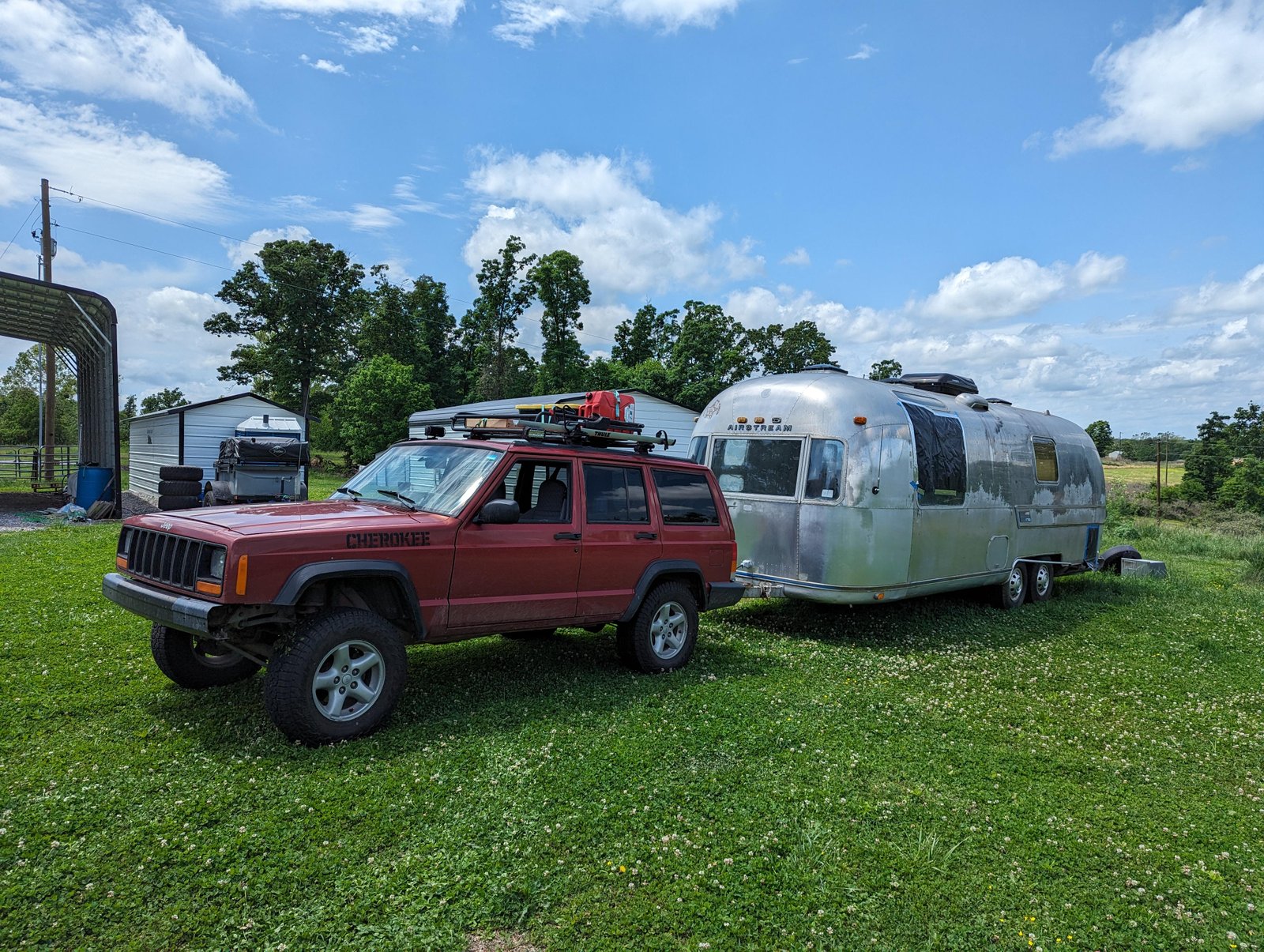
Many Jeep Cherokee owners use their vehicles to tow boats, campers, and small horse trailers. For example, a Cherokee with a 4.0L I6 engine and factory tow package can pull a 17-foot boat (about 3,000 lbs) with ease. It can also tow a pop-up camper for family trips. However, most owners keep their loads below 4,500 lbs for safety.
Comparison Of Cherokee Vs. Competitors
How does the 99 Jeep Cherokee compare to other SUVs of its era? Here’s a quick look:
| Vehicle | Engine | Towing Capacity (lbs) |
|---|---|---|
| Jeep Cherokee | 4.0L I6 | 5,000 |
| Ford Explorer | 4.0L V6 | 5,500 |
| Toyota 4Runner | 3.4L V6 | 5,000 |
| Chevrolet Blazer | 4.3L V6 | 5,200 |
The Cherokee is competitive, though some rivals offer slightly higher towing.
Common Mistakes When Towing With A 99 Jeep Cherokee
- Overloading the trailer or vehicle, which can cause accidents.
- Ignoring tongue weight, leading to sway or loss of control.
- Not checking brakes and tires before towing.
- Skipping weight distribution for heavy trailers.
- Using a bumper hitch instead of a frame-mounted hitch.
Tips For Safe Towing
- Always check your owner’s manual for towing limits.
- Use the right hitch class and ball size.
- Inspect your trailer brakes and lights before every trip.
- Keep your Jeep well-maintained.
- Practice driving and parking with a trailer.
Frequently Asked Questions
<!– wp:rank-math/faq-block {"questions":[{"id":"faq-question-843c0dc574c4","title":"What Is The Maximum Towing Capacity Of A 1999 Jeep Cherokee?","content":"The maximum towing capacity is 5,000 lbs for models with the 4.0L I6 engine and factory tow package. Models with the 2.5L I4 engine are limited to 2,000 lbs.
“,”visible”:true},{“id”:”faq-question-71f9e9e636eb”,”title”:”Can I Tow A Camper With My 1999 Jeep Cherokee?”,”content”:”Yes, you can tow most small campers and pop-up trailers under 5,000 lbs. Check the weight of your camper and make sure your Jeep is equipped with the right tow package.
“,”visible”:true},{“id”:”faq-question-76b387611b54″,”title”:”Do I Need A Special Hitch For Towing Heavy Trailers?”,”content”:”For loads over 2,000 lbs, use a Class III or IV hitch mounted to the frame. Avoid bumper hitches for heavy towing.
“,”visible”:true},{“id”:”faq-question-c4ab66c5de3a”,”title”:”How Do I Know If My Jeep Has The Factory Tow Package?”,”content”:”Look for a factory-installed hitch, upgraded cooling, and trailer wiring. Your owner’s manual or VIN can confirm.
“,”visible”:true},{“id”:”faq-question-642d9dc33633″,”title”:”What Should I Check Before Towing?”,”content”:”Inspect brakes, tires, lights, and hitch. Make sure your trailer is balanced and all safety chains are attached.
Towing with a 99 Jeep Cherokee is safe and reliable if you follow the guidelines above. Always stay within official limits and use common sense. With proper care, your Cherokee will handle towing tasks for years to come.
“,”visible”:true}]} –>What Is The Maximum Towing Capacity Of A 1999 Jeep Cherokee?
The maximum towing capacity is 5,000 lbs for models with the 4.0L I6 engine and factory tow package. Models with the 2.5L I4 engine are limited to 2,000 lbs.
Can I Tow A Camper With My 1999 Jeep Cherokee?
Yes, you can tow most small campers and pop-up trailers under 5,000 lbs. Check the weight of your camper and make sure your Jeep is equipped with the right tow package.
Do I Need A Special Hitch For Towing Heavy Trailers?
For loads over 2,000 lbs, use a Class III or IV hitch mounted to the frame. Avoid bumper hitches for heavy towing.
How Do I Know If My Jeep Has The Factory Tow Package?
Look for a factory-installed hitch, upgraded cooling, and trailer wiring. Your owner’s manual or VIN can confirm.
What Should I Check Before Towing?
Inspect brakes, tires, lights, and hitch. Make sure your trailer is balanced and all safety chains are attached.
Towing with a 99 Jeep Cherokee is safe and reliable if you follow the guidelines above. Always stay within official limits and use common sense. With proper care, your Cherokee will handle towing tasks for years to come.