The 96 Jeep Grand Cherokee alternator is a crucial component that keeps your vehicle's electrical system running smoothly. Without a properly functioning alternator, your battery won't recharge, and eventually, your Jeep will stop working.
This essential part converts mechanical energy from the engine into electrical energy, powering everything from your headlights and radio to the ignition system and onboard computer. Understanding how the alternator works, common problems, and how to maintain it is vital for any owner of a '96 Grand Cherokee.
This article will explore the specifics of the alternator in your 1996 Jeep Grand Cherokee. We'll cover its function, how to identify potential issues, troubleshooting steps, and replacement considerations.
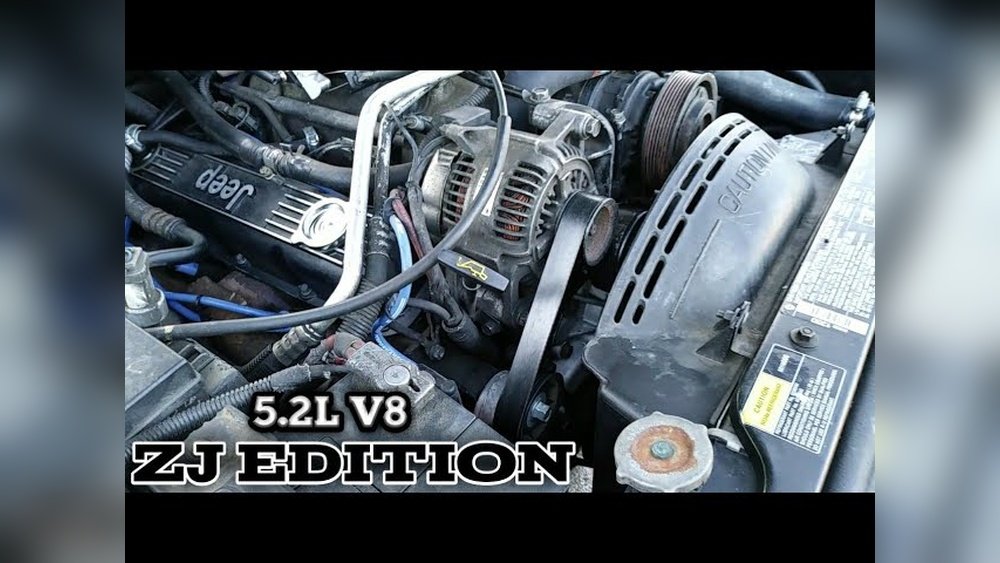
Whether you're a seasoned mechanic or a new owner looking to understand your vehicle better, this guide aims to provide clear, actionable information to keep your Grand Cherokee powered up and ready for adventure.
Understanding The Alternator In Your 1996 Jeep Grand Cherokee
The alternator's primary role is to generate electricity when the engine is running. Unlike the battery, which stores electrical energy, the alternator *produces* it.
It's connected to the engine via a serpentine belt, which spins the alternator's pulley. Inside the alternator, a rotor spins within a stator, creating a magnetic field that generates AC (alternating current).
A rectifier then converts this AC into DC (direct current), which is the type of electricity your Jeep’s electrical systems and battery use. A voltage regulator is also part of the alternator assembly, ensuring that the output voltage stays within a safe range, typically between 13.
5 and 14. 5 volts.
This prevents overcharging the battery or damaging sensitive electronics.
For a 1996 Jeep Grand Cherokee, the alternator is typically rated around 90 to 100 amps. This amperage rating indicates the maximum amount of electrical current the alternator can supply. This capacity is sufficient to power the vehicle’s standard electrical demands, including the engine control module, fuel pump, lights, radio, power windows, and more, while simultaneously recharging the battery. If you have added significant aftermarket electrical accessories, such as powerful sound systems or extra lighting, you might consider a higher amperage alternator, but for most stock vehicles, the original specification is adequate.
Signs Of A Failing Alternator
Recognizing the early signs of an alternator problem can save you from being stranded. Several symptoms can indicate that your 1996 Grand Cherokee's alternator is on its way out.
Paying attention to these indicators is key to proactive maintenance.
Dimming Or Flickering Lights
One of the most common and noticeable signs is the behavior of your vehicle’s lights. If you notice your headlights, dashboard lights, or interior lights dimming, especially when you accelerate or decelerate, or flickering erratically, it’s often a sign that the alternator is not producing enough power.
As the engine RPM changes, the alternator’s output can fluctuate, causing these visible changes in light intensity. If the lights brighten significantly when you rev the engine, it suggests the alternator is struggling to maintain a consistent output.
Warning Lights On The Dashboard
Modern vehicles, including your ’96 Grand Cherokee, have sophisticated warning systems. A common indicator for alternator issues is the battery warning light, often shaped like a battery symbol. This light doesn’t always mean the battery itself is bad; it can also illuminate when the alternator isn’t charging the battery correctly. Other warning lights, such as the Check Engine light, might also come on if the alternator’s failure causes voltage irregularities that affect the engine’s computer systems.
Strange Noises
A failing alternator can sometimes produce unusual sounds. A whining or grinding noise coming from the front of the engine, particularly when the engine is running, could indicate a problem with the alternator’s bearings or the rotor. If the noise changes pitch with engine RPM, it’s a strong indicator that the alternator is the source. A loose or worn serpentine belt that drives the alternator can also cause squealing noises, which might be mistaken for an alternator issue, but it’s important to check both.
Dead Battery
While a dead battery is a common issue, if it happens repeatedly, the culprit might not be the battery itself but the alternator’s inability to recharge it. If you find yourself needing to jump-start your Jeep frequently, and the battery is relatively new, the alternator is a prime suspect.
The battery might be perfectly fine, but if it’s not receiving a charge, it will eventually die.
Electrical Issues And Malfunctions
Beyond lighting, other electrical components can malfunction. Power windows might operate slower than usual, the radio could cut out, or the power locks might struggle.
These issues arise because the alternator isn't supplying enough consistent voltage to power these accessories reliably.
In severe cases, the vehicle’s computer systems might experience errors or shut down due to insufficient power.

Troubleshooting A Suspect Alternator
When you suspect your alternator isn’t working correctly, a few simple diagnostic steps can help confirm the problem. These tests can often be performed with basic tools, though a professional mechanic can provide more definitive results.
Visual Inspection
Start with a visual check. Look for any obvious signs of damage to the alternator housing.
Check the serpentine belt for cracks, fraying, or excessive wear, as a faulty belt will prevent the alternator from spinning correctly. Ensure the belt is properly tensioned; a loose belt can slip and reduce the alternator's output.
Also, inspect the electrical connections at the alternator for corrosion or looseness, as poor connections can impede power flow.
Voltage Testing
A multimeter is an invaluable tool for testing the alternator’s output.
- With the engine off: Connect the multimeter to the battery terminals. You should read the battery’s current voltage, typically around 12.6 volts when fully charged.
- With the engine running: Start the engine and let it run at idle. Connect the multimeter to the battery terminals again. The voltage should now be higher, usually between 13.5 and 14.5 volts. This indicates the alternator is charging the battery.
- Under load: Turn on electrical accessories like headlights, the radio, and the blower fan. The voltage might drop slightly but should remain above 13 volts. If the voltage drops significantly below 13 volts or fluctuates wildly, the alternator is likely failing.
If the voltage remains at or below the battery's resting voltage (around 12. 6V) with the engine running, the alternator is not producing any charge.
If it's between 12. 6V and 13. 5V, it's charging, but weakly.
Checking For Wobble
With the engine off, gently try to wiggle the alternator pulley. There should be very little to no play.
Excessive wobble can indicate worn bearings, which often means the alternator needs replacement.
Replacing The Alternator On A 1996 Jeep Grand Cherokee
Replacing an alternator is a moderately difficult DIY task. It requires some mechanical knowledge and the right tools.
If you're not comfortable working on your vehicle's electrical system, it's best to have a professional do it.
Tools And Parts Needed
- New Alternator: Ensure it’s the correct amperage and type for your ’96 Grand Cherokee.
- Socket Set: Including deep sockets and extensions.
- Wrench Set:
- Serpentine Belt Tool: To release tension on the belt.
- Pliers:
- Screwdrivers:
- Safety Glasses:
- Gloves:
- Torque Wrench: (Recommended for proper reassembly)
- Dielectric Grease: For electrical connections.
Step-by-step Replacement Guide
- Disconnect the Battery: Crucially, disconnect the negative battery terminal first to prevent short circuits.
- Access the Alternator: The alternator is usually located on the front of the engine, driven by the serpentine belt. You may need to remove other components, like the fan shroud or air intake ducting, to gain clear access.
- Release Belt Tension: Use the serpentine belt tool to release tension on the belt, then carefully slip the belt off the alternator pulley.
- Disconnect Electrical Connectors: Unplug the main wiring harness connector and remove the main charging stud nut. Be mindful of the order and type of connectors.
- Remove Mounting Bolts: Locate and remove the bolts securing the alternator to the engine bracket. There are typically two or three bolts.
- Remove the Alternator: Carefully maneuver the old alternator out of its mounting position. It might be heavy, so support it as you remove the last bolt.
- Install the New Alternator: Position the new alternator in place. Align the mounting holes and reinstall the mounting bolts, tightening them securely.
- Reconnect Electrical Connectors: Attach the wiring harness connector and reinstall the main charging stud nut. Apply a small amount of dielectric grease to the connections to prevent corrosion.
- Install the Serpentine Belt: Route the serpentine belt correctly around all pulleys, ensuring it sits in the grooves. Use the serpentine belt tool to create tension and slip the belt onto the alternator pulley. Double-check the belt routing diagram for your specific engine.
- Reconnect the Battery: Reconnect the negative battery terminal.
- Test the System: Start the engine and check for any unusual noises. Use your multimeter to test the voltage at the battery terminals again. It should be within the charging range (13.5-14.5 volts).

Understanding Alternator Amperage Ratings
The amperage rating of your 1996 Jeep Grand Cherokee’s alternator is a measure of its maximum current output capability. For the 1996 Grand Cherokee, common ratings are 90 amps and 100 amps, depending on the engine size and specific trim package.
- 90 Amp Alternator: This rating is typical for models with standard electrical equipment. It provides enough power for the engine, lights, radio, and basic accessories.
- 100 Amp Alternator: This higher output is often found on models with more power-hungry options or larger engines, ensuring all systems receive adequate power even under heavy electrical load.
When replacing your alternator, it’s generally recommended to use an alternator with the same or a higher amperage rating than the original. A higher amperage alternator won’t force more power than needed; it simply has a greater capacity to supply power when demands increase.
This can be beneficial if you’ve added aftermarket accessories. However, ensure the physical fitment and wiring connections are compatible.
Common Alternator Brands And Quality Considerations
When purchasing a replacement alternator for your 1996 Jeep Grand Cherokee, you’ll find options from various manufacturers. The quality can vary significantly, affecting longevity and performance.
- OEM (Original Equipment Manufacturer): These parts are made by or for the original manufacturer (Chrysler/Jeep in this case). They are typically the most expensive but offer the best guarantee of fit and performance.
- Aftermarket Brands: Many reputable aftermarket companies produce alternators. Some well-regarded brands include Bosch, Denso, Remy, and Cardone. These often offer a good balance of quality and price.
- Budget Brands: Cheaper, less-known brands might be tempting due to their low cost, but they often have a shorter lifespan and may not perform as reliably. It’s generally advisable to invest in a reputable brand, especially for critical components like the alternator.
When choosing, consider the warranty offered. A longer warranty period (e.
g. , 2-3 years) often indicates higher confidence in the product's durability.
Reading reviews from other Jeep Grand Cherokee owners can also provide valuable insights into the real-world performance of different brands.

The Role Of The Voltage Regulator
The voltage regulator is an integral part of the alternator system. Its job is to control the output voltage, ensuring it stays within the optimal range for charging the battery and powering the vehicle’s electronics. Without a functioning voltage regulator, the alternator could overcharge the battery, leading to damage and reduced lifespan, or undercharge it, causing the symptoms of a failing alternator. In most modern alternators, including those for the ’96 Grand Cherokee, the voltage regulator is built into the alternator unit itself. If the regulator fails, the entire alternator assembly usually needs to be replaced.
Alternator Lifespan And Maintenance
The lifespan of an alternator can vary greatly depending on driving conditions, maintenance, and the quality of the unit itself. On average, an alternator can last anywhere from 60,000 to 100,000 miles. However, factors like frequent short trips (which don’t allow the battery to fully recharge), extreme temperatures, and driving in dusty or wet environments can shorten its life.
Preventative Maintenance:
- Regular Inspections: Periodically check the serpentine belt for wear and proper tension. A worn belt can cause the alternator to work harder and less efficiently.
- Keep Connections Clean: Ensure the battery terminals and alternator electrical connections are free from corrosion. Clean them periodically with a wire brush and apply dielectric grease.
- Listen for Noises: Pay attention to any unusual sounds coming from the engine bay. Early detection of whining or grinding can help prevent a complete breakdown.
- Monitor Warning Lights: Don’t ignore the battery warning light or other electrical system indicators.
Common Causes Of Alternator Failure
Several factors can lead to the premature failure of an alternator:
- Worn Bearings: The bearings that allow the rotor to spin smoothly can wear out over time, leading to noise and eventual seizure.
- Diode Failure: The diodes within the rectifier convert AC to DC. If diodes fail, the alternator won’t charge properly.
- Voltage Regulator Issues: As mentioned, a faulty regulator can cause overcharging or undercharging.
- Belt Problems: A slipping or broken serpentine belt means the alternator won’t spin.
- Electrical Overload: Consistently drawing more power than the alternator can supply (e.g., with many high-draw aftermarket accessories) can stress and damage the unit.
- Contamination: Exposure to oil, coolant, or excessive dirt can degrade internal components.
The Alternator’s Impact On Other Vehicle Systems
A failing alternator doesn’t just affect battery charging; it can have a ripple effect on your entire vehicle’s electrical system.
- Engine Performance: The engine control module (ECM) relies on stable voltage. Fluctuations can cause rough idling, stalling, or poor acceleration.
- Ignition System: Spark plugs and ignition coils require consistent voltage to function correctly.
- Sensors: Numerous sensors throughout the vehicle (e.g., oxygen sensors, MAF sensor) depend on stable electrical power.
- Transmission: Modern automatic transmissions often have electronic controls that can be affected by voltage irregularities.
- Safety Systems: Features like ABS (Anti-lock Braking System) and airbags rely on the electrical system. A compromised system could lead to these systems malfunctioning.



















