The 4×4 shift linkage in your '88 Jeep Wrangler YJ is a crucial component for engaging four-wheel drive. This system allows you to transfer power to all four wheels, giving you better traction on slippery surfaces, off-road trails, and challenging terrain.
While seemingly straightforward, the linkage can develop issues that prevent your Jeep from shifting into 4WD or cause it to pop out of gear unexpectedly.
Understanding how this system works, common problems, and how to maintain or repair it is essential for any '88 Wrangler owner looking to maximize their vehicle's capability.
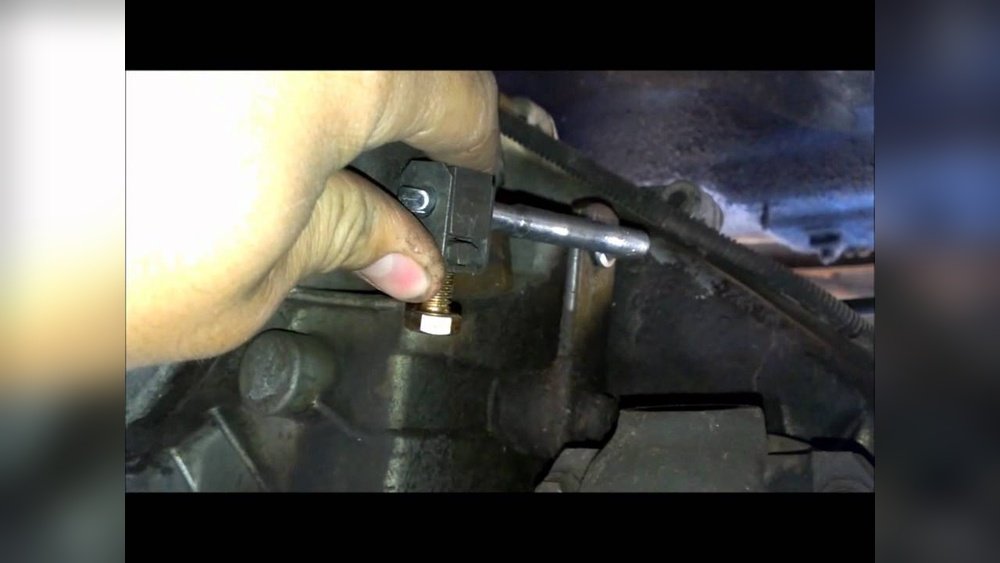
This article will guide you through the intricacies of the ’88 Jeep Wrangler 4 wheel drive shift linkage. We’ll break down its components, explain its operation, identify common failure points, and offer practical advice for troubleshooting and maintenance. Whether you’re a seasoned off-roader or a new Jeep owner, this information will help you keep your Wrangler’s four-wheel-drive system functioning smoothly.
Understanding The Transfer Case And Shifter Mechanism
The heart of your Jeep’s 4WD system is the transfer case. For the 1988 model year, most Jeep Wranglers came equipped with the NP228 or NP229 transfer case. These are part-time 4WD systems, meaning they are designed for use on low-traction surfaces and not for regular driving on dry pavement. The transfer case sits behind the transmission and its primary job is to split engine power between the front and rear axles. It also provides the gear reduction for 4WD Low, offering maximum torque for crawling over obstacles.
The shifter linkage is the physical connection between the gear shifter lever inside your Jeep and the transfer case itself. It translates the movement of your hand on the shifter knob into the precise movements required to engage or disengage the different drive ranges within the transfer case:
- 2WD High (2H): This is the standard driving mode for most conditions. Power goes only to the rear wheels.
- 4WD High (4H): Power is sent to both front and rear axles. This is for slippery roads, snow, ice, or mild off-roading.
- 4WD Low (4L): This mode provides maximum torque and a slower speed, ideal for steep inclines, rock crawling, and very difficult terrain.
- Neutral (N): In this position, no power is sent to the driveshafts. This is useful for flat-towing your Jeep.
The linkage typically consists of a series of rods, levers, bushings, and sometimes cables that connect the interior shifter to the external shift rails on the transfer case. The ’88 Wrangler YJ uses a mechanical linkage system, meaning there are no electronic components directly involved in the physical act of shifting the transfer case.
Components Of The Shift Linkage
The exact configuration can vary slightly, but generally, the linkage for an ’88 Wrangler includes:
- Shifter Lever and Knob: This is what you interact with inside the cabin.
- Shift Gate: The pattern plate surrounding the shifter, indicating the different gear positions.
- Linkage Rods: Metal rods that transmit motion.
- Pivot Points and Bushings: These allow the rods and levers to move smoothly. Worn bushings are a very common failure point.
- Springs and Clips: Used to hold components in place and provide tension.
- Transfer Case Shift Rails: The external levers on the transfer case that are moved by the linkage.
How The ’88 Wrangler 4wd System Engages
When you move the shifter lever inside your Wrangler, it actuates a series of mechanical connections. For example, moving the lever from 2H to 4H might push or pull a rod that, in turn, moves a lever on the transfer case.
This lever then slides a collar inside the transfer case, locking the front and rear output shafts together.
Shifting into 4L involves a similar process but engages a lower gear set within the transfer case, providing that significant torque multiplication. The Neutral position disengages both output shafts.
It’s crucial to understand that the ’88 Wrangler’s NP228/NP229 transfer cases are part-time systems. Driving in 4H or 4L on dry, high-traction surfaces can cause damage to the drivetrain. This is because the front and rear driveshafts are locked together, and if they are forced to rotate at different speeds (which happens when turning on dry pavement), it puts immense stress on the transfer case, U-joints, axles, and tires. Always shift back to 2H when you no longer need 4WD.

Common Problems With The ’88 Wrangler 4wd Shift Linkage
Over time, the components of the shift linkage can wear out, become loose, or break. This can lead to a variety of frustrating issues:
- Difficulty Shifting: The shifter might feel stiff, sticky, or require excessive force to move between positions.
- Shifter Pops Out of Gear: The transfer case may spontaneously shift back into 2H or another position, especially under load or acceleration.
- Inability to Engage 4WD: The shifter moves, but the transfer case doesn’t seem to engage, leaving you stuck in 2WD.
- Grinding Noises: When attempting to shift, you might hear grinding, indicating that the gears or locking collars inside the transfer case aren’t aligning properly.
- Loose Shifter: The shifter lever might feel sloppy or have excessive play, making it hard to know if it’s fully in the intended position.
- Rattling Noises: Worn bushings or loose rods can cause rattling sounds, particularly at certain speeds or RPMs.
The most frequent culprit for these problems is worn bushings. These small rubber or polyurethane pieces act as isolators and pivot points. When they degrade, crack, or crumble, the entire linkage becomes loose, preventing smooth and accurate engagement of the transfer case.
Another common issue is bent or misaligned linkage rods. This can happen from impacts on the underside of the Jeep, or simply from years of stress. Bent rods won’t allow the levers on the transfer case to move to their correct positions.
Troubleshooting The 4wd Shift Linkage
When you encounter issues with your ’88 Wrangler’s 4WD system, a systematic approach to troubleshooting is best.
Step 1: Visual Inspection
Start by getting under your Jeep and visually inspecting the entire linkage system. Look for:
- Damaged or missing bushings: Are they cracked, torn, or completely gone?
- Bent or kinked rods: Do any of the rods appear out of shape?
- Loose connections: Are any bolts, clips, or fasteners missing or loose?
- Obstructions: Is anything physically blocking the linkage from moving freely? (e.g., debris, mud, aftermarket skid plates installed incorrectly).
- Signs of fluid leaks: While not directly related to the linkage, leaks from the transfer case itself can indicate internal problems.
Step 2: Test Shifter Movement
With the Jeep parked on a level surface and the engine off, try moving the shifter through all its positions. Pay attention to how it feels.
Does it move smoothly? Does it feel loose?
Does it seem to engage each position with a distinct 'clunk' or feel?
Step 3: Check Linkage Rods At The Transfer Case
Have a helper slowly move the shifter inside the Jeep while you observe the linkage rods at the transfer case.
- 2H to 4H: Observe which rod(s) move and how far. Does the movement seem smooth and complete?
- 4H to N: Does the rod retract fully?
- N to 4L: Does the appropriate rod extend to engage 4L?
If the internal transfer case levers are not moving, or moving only partially, the problem lies within the linkage. If the external levers on the transfer case are moving correctly but the system still doesn’t engage, the issue is likely internal to the transfer case.
Step 4: Inspect Bushings And Pivot Points
This is where most problems are found. You can often replace bushings without removing the entire linkage.
- Interior Shifter Bushings: These are located where the shifter lever connects to the first rod or arm.
- Intermediate Bushings: Along the length of the linkage rods, there are often pivot points with bushings.
- Transfer Case End Bushings: Where the linkage attaches to the levers on the transfer case.
Replacement bushings are readily available and relatively inexpensive. Installing them typically involves removing the old, degraded ones and pressing or fitting the new ones into place. A Pro Tip: Use a good quality lubricant on the new bushings during installation to ensure smooth operation and longevity.
Step 5: Check For Bent Rods
If a rod appears bent, it may need to be carefully straightened or replaced. Sometimes, a slight bend can be corrected with gentle persuasion using a hammer and block of wood, but be careful not to overdo it.
If the bend is severe, replacement is the best option.

Repairing And Replacing Shift Linkage Components
Repairing the 4WD shift linkage on an ’88 Wrangler is often a DIY-friendly job, though it requires some mechanical aptitude and patience.
Replacing Worn Bushings
This is the most common repair. The process generally involves:
- Access: Safely lift the Jeep on jack stands or ramps to gain access to the underside.
- Disassembly: Identify the specific bushing that needs replacement. You may need to disconnect linkage rods or remove retaining clips.
- Removal: Pry out or press out the old, worn bushing. Sometimes, a penetrating lubricant can help.
- Installation: Clean the area and install the new bushing. It might require a vise, C-clamp, or a specialized bushing driver tool to press it in evenly.
- Reassembly: Reconnect any rods or clips, ensuring they are properly seated.
- Test: Carefully move the shifter through its range to ensure smooth operation and correct engagement.
Replacing Linkage Rods
If a rod is bent beyond repair or broken, it will need to be replaced.
- Identification: Identify the specific rod that needs replacement.
- Removal: Disconnect the rod from its pivot points, usually by removing clips or fasteners.
- Purchase: Obtain a new linkage rod. You can find these at auto parts stores or Jeep specialty suppliers. Ensure it’s the correct part for your ’88 Wrangler YJ with the specific transfer case model.
- Installation: Connect the new rod to the linkage, ensuring all pivot points are properly aligned and secured.
- Adjustment (if necessary): Some linkage systems have adjustable ends. If your new rod requires adjustment, ensure it’s set to allow full travel of the transfer case levers.
- Test: Thoroughly test the shifter operation.
Lubrication Is Key
After any repairs or replacements, and as part of regular maintenance, lubricating the shift linkage is crucial. Use a high-quality, all-weather grease on all pivot points, bushings, and sliding surfaces. This prevents premature wear and ensures smooth operation, especially in harsh weather conditions.
Transfer Case Specifics: Np228 Vs. Np229
The 1988 Jeep Wrangler YJ could be equipped with either the NP228 or NP229 transfer case. While they share many similarities, there are key differences that affect how the linkage operates and potential issues.
Np228 Transfer Case
The NP228 is a part-time, manual transfer case. It typically features a standard 2H, 4H, N, 4L pattern. The linkage connects directly to the shift rails that engage these positions. Problems with the NP228 linkage often stem from worn bushings or bent rods, leading to the common issues described earlier.
Np229 Transfer Case
The NP229 transfer case is also a part-time, manual transfer case, but it includes a Full-Time 4WD option (often labeled as 4H AUTO or similar). This means it has an additional mode where it can distribute power between the front and rear axles automatically, controlled by a viscous coupling unit inside the transfer case.
The linkage for the NP229 might have slightly different pivot points or rod lengths to accommodate the extra shift position or internal mechanism. Troubleshooting is similar, focusing on worn components.
However, the presence of the viscous coupling adds another layer of complexity.
If the linkage seems to be operating correctly but the full-time mode isn’t engaging or is behaving erratically, the issue might be with the viscous coupling itself, rather than the external linkage.
It's vital to know which transfer case you have when ordering parts. The specific linkage rods, levers, and bushings can differ between the two models.
You can usually identify your transfer case by looking for a tag on the rear of the unit or by checking your Jeep's VIN or build sheet.
Maintenance For Longevity
Regular maintenance is the best way to prevent issues with your ’88 Wrangler’s 4WD shift linkage.
Periodic Inspection
Make it a habit to visually inspect the linkage at least twice a year, perhaps during your regular oil changes or tire rotations. Look for any signs of wear, damage, or looseness.
Lubrication
Apply a fresh coat of grease to all pivot points and moving parts of the linkage every 6-12 months, or more often if you frequently use your 4WD system in dusty or wet conditions.
Transfer Case Fluid
While not directly part of the linkage, ensuring your transfer case fluid is at the correct level and is clean is paramount. Low or dirty fluid can contribute to internal wear, which can sometimes manifest as shifting problems. Always use the fluid type recommended in your owner’s manual. For the NP228/NP229, this is typically ATF+4 or a compatible fluid.
Gentle Shifting
Avoid forcing the shifter. If it feels stiff, stop and investigate.
Forcing it can damage the linkage or the internal components of the transfer case. Ensure you are properly stopped or moving very slowly when shifting between 2WD and 4WD modes, especially when going into or out of 4L.
Advanced Considerations And Upgrades
For some ’88 Wrangler owners, the stock shift linkage might not be robust enough for heavy off-road use.
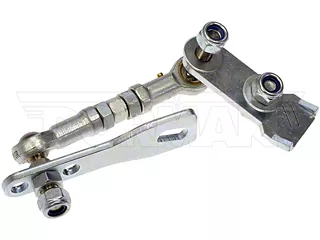
Aftermarket Linkage Kits
Several companies offer heavy-duty aftermarket shift linkage kits. These kits often feature:
- Stronger, thicker rods: Less prone to bending.
- High-quality, durable bushings: Made from polyurethane or other robust materials for extended life.
- Improved pivot designs: For smoother operation and better resistance to wear.



















